
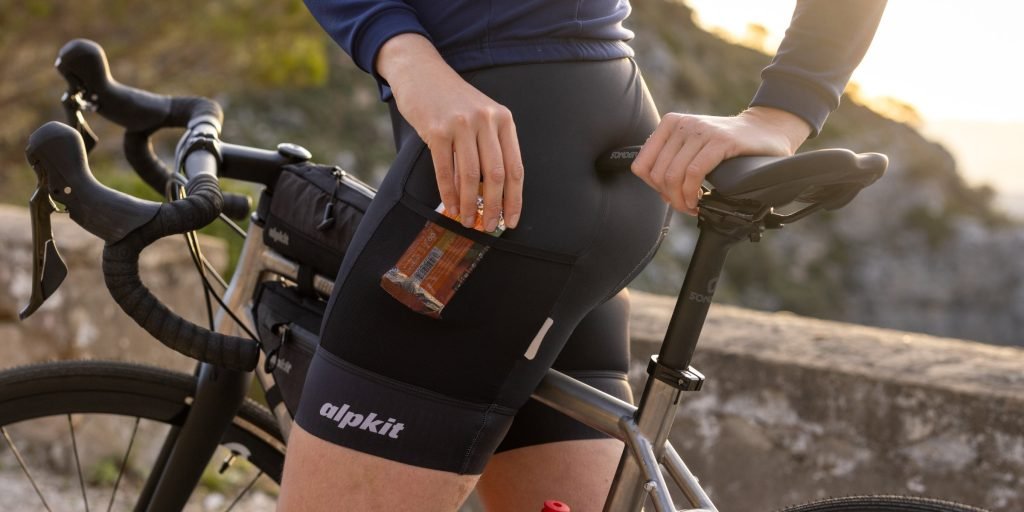
Choosing the right cycling shorts can make or break your mountain biking experience. You want comfort, protection, and freedom to move without distractions.
But with so many options out there, how do you find the perfect pair that fits your style and needs? This guide will help you make a smart choice, so every ride feels smoother and more enjoyable. Keep reading to discover what really matters when picking cycling shorts for mountain biking.

Credit: www.twowheeledwanderer.com
Types Of Mountain Biking Shorts
Choosing the right type of mountain biking shorts can make a big difference in your ride. Each style offers unique benefits depending on your riding style and comfort preferences. Understanding these options helps you pick shorts that keep you comfortable, protected, and performing at your best.
Baggy Shorts
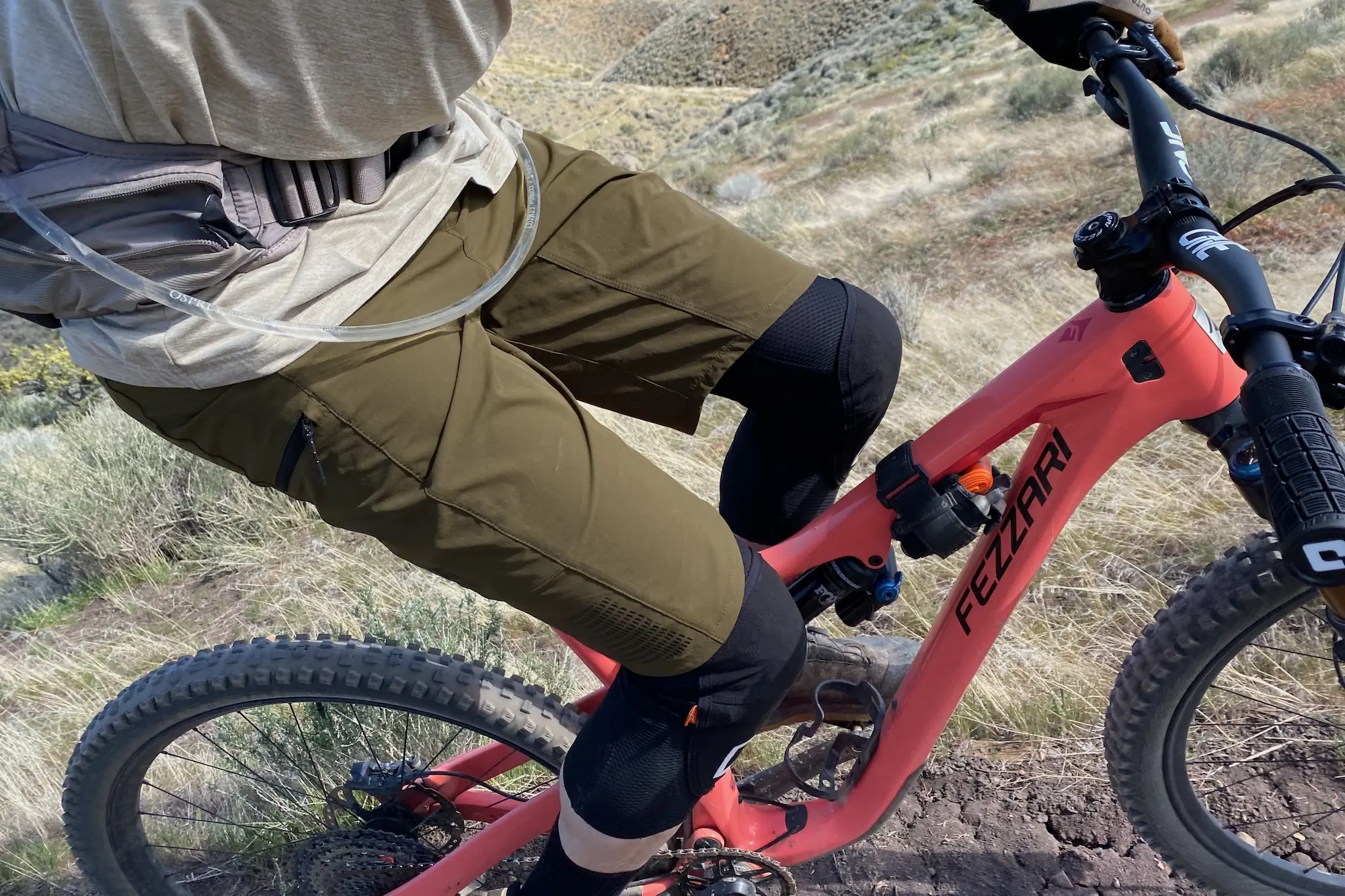
Baggy shorts are loose-fitting and provide great freedom of movement. They often come with reinforced panels to protect against scrapes and falls. Many riders prefer them for downhill and trail riding because they offer more coverage and a casual look.
If you like to carry extra gear like tools or snacks, baggy shorts usually have deeper pockets. Keep in mind they might not fit well under knee pads, so consider your protective gear needs.
Compression Shorts
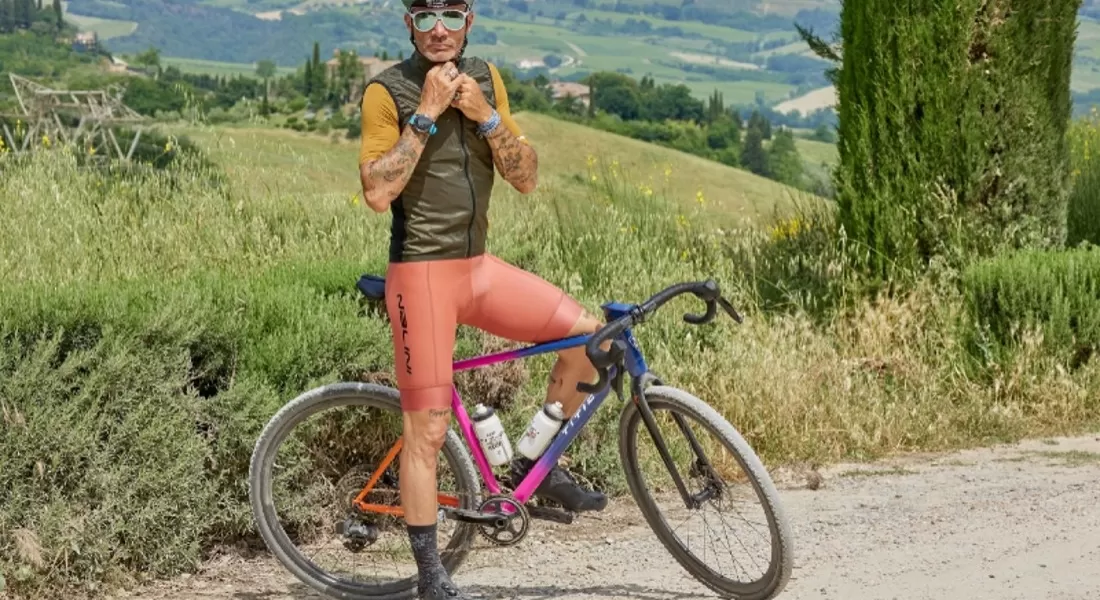
Compression shorts fit snugly and support your muscles during intense rides. They reduce muscle fatigue and help with blood circulation, which can improve endurance. Many riders wear them under baggy shorts or alone on smoother trails.
Look for pairs with padded chamois to reduce saddle discomfort on longer rides. If you hate chafing or saddle sores, compression shorts might be your best choice.
Hybrid Shorts
Hybrid shorts combine elements of baggy and compression styles. They fit closer to the body than baggy shorts but offer more padding and support than traditional loose shorts. This balance appeals to riders who want versatility for different terrains.
Some hybrid shorts come with removable liners, so you can adapt them to your ride’s length and intensity. If you find yourself switching between aggressive trails and casual rides, hybrids give you flexibility without extra gear.
Key Features To Look For
Choosing the right cycling shorts for mountain biking can make a huge difference in your ride. The key features you focus on will affect your comfort, performance, and protection on the trail. Let’s break down what really matters so you can make a smart choice.
Material And Breathability
The fabric of your shorts should be lightweight and breathable to keep sweat away from your skin. Look for materials like polyester or nylon blends with mesh panels that promote airflow. Ever felt overheated and sticky during a tough climb? Good ventilation can prevent that discomfort and keep you cooler for longer rides.
Padding And Chamois
Padded inserts, or chamois, cushion your sit bones and reduce friction. Not all padding is created equal—some are thicker and denser, designed for longer rides, while others are thinner for better flexibility. Think about your typical ride length and terrain; if you tackle rough trails, extra padding might save you from soreness the next day.
Fit And Comfort
Your shorts should fit snugly but not restrict your movement. Too tight, and you risk chafing; too loose, and the shorts might shift and cause irritation. Try them on and mimic cycling motions—does the fabric stretch with you? Comfort here means fewer distractions and better focus on the trail ahead.
Durability And Protection
Mountain biking can be tough on gear. Opt for shorts with reinforced stitching and abrasion-resistant panels, especially around the seat and inner thighs. Some shorts also offer light padding or tougher fabric on the hips for extra protection during falls. Would you rather replace your shorts after every ride or invest in a pair that stands up to rugged trails?
Sizing And Fit Tips
Finding the right size and fit for your mountain biking shorts can make a huge difference on the trail. Ill-fitting shorts can cause discomfort, chafing, or even distract you from your ride. Paying attention to sizing and fit ensures you stay comfortable and focused, no matter how rough the terrain.
Measuring For The Right Size
Start by measuring your waist and hips with a soft tape measure. Wrap it snugly around your natural waistline—usually just above your belly button—and your fullest hip area. Compare these numbers to the brand’s sizing chart, as sizes often vary between manufacturers.
Don’t rely solely on your regular clothing size; cycling shorts usually have a tighter fit to prevent movement. If you’re between sizes, consider the type of fit you prefer: tighter for performance or a bit looser for comfort.
How Shorts Should Fit
Your mountain biking shorts should feel snug but never restrictive. They need to stay in place during rides without cutting into your skin or causing pressure points. Pay attention to how the fabric stretches over your legs and hips—there should be freedom to move without excess fabric bunching up.
Try sitting on your bike while wearing the shorts. Does the waistband stay comfortable? Are there any areas where the shorts pinch or loosen? These simple checks help avoid surprises when you hit the trail.
Adjustable Waistbands And Closures
Look for shorts with adjustable waistbands or closures like Velcro straps, buckles, or drawstrings. These features let you fine-tune the fit after you’ve started riding, which is especially useful if your body changes with activity.
Adjustable elements also help accommodate layers underneath, such as base layers or pads. This flexibility can save you from stopping mid-ride to fix uncomfortable shorts.
Have you ever experienced your shorts slipping during a ride? Choosing adjustable waistbands can be a simple fix to avoid that frustration.
Credit: gearjunkie.com
Additional Features To Consider
Check for extra pockets to carry small items like keys or snacks. Ventilation features help keep you cool during tough rides. Reflective details improve safety by increasing visibility in low light.
Pockets And Storage Options
Pockets offer essential storage for small items. You might need a place for energy bars or a multi-tool. Shorts with well-designed pockets provide convenience. Look for zippered pockets to keep items secure. Some shorts have internal pockets for added protection.Water Resistance And Quick Drying
Mountain biking often involves muddy trails or unexpected rain. Water-resistant shorts help keep you dry. Quick-drying materials are equally important. They prevent discomfort from prolonged wetness. Breathable fabrics that dry fast enhance comfort during rides.Reflective Elements For Safety
Safety is crucial when biking in low light. Reflective elements on shorts improve visibility. This feature is vital for early morning or evening rides. Reflective strips or logos catch light from vehicles. They provide an extra layer of safety on the trail.Top Brands And Models
Choosing the right cycling shorts for mountain biking can make a huge difference in your comfort and performance. Knowing which brands and models offer the best fit, durability, and features helps you invest wisely. Let’s look at some top options that riders trust, whether you’re on a tight budget or want high-end gear.
Popular Choices Among Riders
Brands like Fox Racing, Giro, and Pearl Izumiconsistently rank high among mountain bikers. Their shorts offer a balance of comfort, protection, and style. Fox’s Ranger Shorts are famous for their durable fabric and breathable design, making them a favorite on rough trails.
Giro’s Chaptershorts combine lightweight materials with a relaxed fit, ideal for long rides. Pearl Izumi’s Launchshorts stand out for their padded inserts and moisture-wicking fabrics, helping you stay dry and comfortable.
Budget-friendly Options
If you’re new to mountain biking or want something affordable, brands like Louis Garneau, Endura, and Specializedoffer solid shorts without breaking the bank. Louis Garneau’s Equipeshorts provide good padding and stretch at a reasonable price.
Endura’s Hummveeshorts are rugged and built to last, perfect for those who want durability on a budget. Specialized’s Atlasshorts combine comfort with enough features to keep you safe on the trail, all while staying wallet-friendly.
High-end Performance Shorts
For riders who demand top performance, brands like 7Mesh, Arc’teryx, and Race Facedeliver premium quality. 7Mesh’s Rivalshorts feature advanced fabrics that resist tears and dry quickly, perfect for intense mountain biking sessions.
Arc’teryx’s Sentinelshorts offer exceptional breathability and ergonomic design, ideal for long, technical rides. Race Face’s Indulgeshorts stand out with their lightweight feel and excellent padding, making every ride smoother and less tiring.
Credit: www.nalini.com
Caring For Your Cycling Shorts
Caring for your cycling shorts extends their life and keeps you comfortable on every ride. Proper maintenance prevents wear and tear, keeping the fabric and padding effective. It’s worth investing a few minutes to treat your shorts right—your legs will thank you.
Washing Tips
Always wash your cycling shorts after each ride to remove sweat and bacteria. Use cold water and a gentle cycle to protect the fabric’s elasticity. Avoid fabric softeners—they can break down the technical fibers and reduce breathability.
Turn your shorts inside out before washing to protect the outer layer and the padding. If you hand wash, use mild detergent and gently squeeze out excess water instead of wringing. Quick drying is key, but never use high heat in a dryer; air drying is best to maintain shape and fit.
Storage Advice
Store your shorts in a cool, dry place away from direct sunlight to prevent fading and damage. Avoid folding them too tightly—hang them or lay flat to keep their shape intact. Think about where you keep your gear; a damp garage or gym bag is not the best spot for longevity.
Have you noticed how shorts left crumpled in your gear bag lose comfort faster? Keeping them properly stored can save you money on replacements and improve your ride experience.
When To Replace Your Shorts
Watch for thinning fabric, stretched-out elastic, or padding that no longer cushions well. If your shorts start causing discomfort or chafing, it’s time for a new pair. Remember, worn-out shorts can affect your performance and even cause skin irritation.
Don’t wait for holes to appear—feel your shorts regularly for signs of wear. Investing in timely replacements keeps your rides smooth and enjoyable every time you hit the trails.
Frequently Asked Questions
What Materials Are Best For Mountain Biking Shorts?
Look for durable, breathable fabrics like nylon and spandex blends. They offer flexibility, moisture-wicking, and quick drying. These materials keep you comfortable during long rides and rough terrains. Avoid cotton as it retains moisture and causes chafing.
How Important Is Padding In Mountain Biking Shorts?
Padding is crucial to protect against saddle discomfort and chafing. Choose shorts with high-density foam or gel pads for shock absorption. Well-padded shorts improve comfort on bumpy trails and reduce soreness after long rides.
Should Mountain Biking Shorts Be Tight Or Loose?
Mountain biking shorts should fit snugly but not restrict movement. A slightly loose fit allows airflow and freedom to pedal. Avoid overly tight shorts that can cause discomfort or loose shorts that might snag on branches.
Do Mountain Biking Shorts Need Pockets?
Yes, pockets are useful for carrying small essentials like snacks, keys, or tools. Look for shorts with secure, zippered pockets to keep items safe while riding. Pockets enhance convenience without adding bulk.
Conclusion
Choosing the right cycling shorts makes mountain biking more fun. Focus on fit, comfort, and padding to protect your ride. Breathable fabric keeps you cool on tough trails. Stretchy materials help you move easily and avoid chafing. Don’t forget durability for rough, rocky paths.
Good shorts support longer rides without pain. Pick shorts that match your style and needs. Happy riding!



