
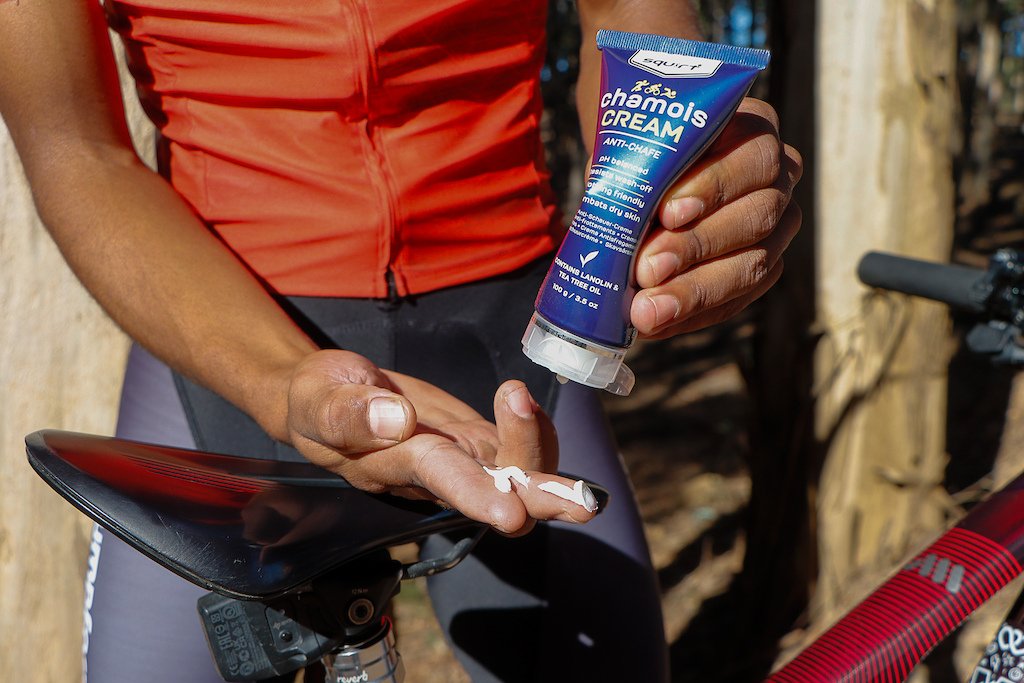
If you’re serious about cycling, you know how important comfort is on long rides. Choosing the right chamois cream for your cycling shorts can make all the difference between a smooth, enjoyable ride and painful irritation.
But with so many options out there, how do you know which one is best for you? You’ll discover simple tips to pick the perfect chamois cream that protects your skin, reduces friction, and keeps you riding longer without discomfort.
Ready to transform your cycling experience? Keep reading to find out exactly what to look for.
Benefits Of Chamois Cream
Chamois cream is more than just a cycling accessory—it’s a game-changer for anyone who spends hours on the saddle. Using the right cream can make your rides more comfortable and help you push through longer distances without distraction. Let’s look at how this simple product benefits your cycling shorts experience and why you shouldn’t overlook it.
Preventing Chafing And Irritation
Chafing is one of the most common issues cyclists face, especially on longer rides. Chamois cream creates a protective barrier between your skin and the fabric of your shorts, reducing friction that causes redness and discomfort.
Think about those times when your legs start to feel raw after just a few miles. Applying cream before you hit the road can save you from this irritation, helping your skin stay smooth and pain-free.
Reducing Saddle Sores
Saddle sores can quickly turn a fun ride into a painful ordeal. Chamois cream helps by minimizing pressure points and preventing bacteria buildup, which are two key contributors to saddle sores.
If you’ve ever had to cut a ride short because of discomfort, you know how frustrating it can be. Regular use of chamois cream can reduce the risk of these sores, letting you enjoy longer, more consistent rides without interruption.
Enhancing Moisture Control
Sweat and moisture create the perfect environment for irritation and infections. Many chamois creams include ingredients that wick away moisture, keeping your skin dry and comfortable.
Imagine riding on a hot day and still feeling fresh and dry where it counts. That’s the kind of moisture control chamois cream offers, helping you maintain focus and comfort no matter the weather.
Credit: rouvy.com
Types Of Chamois Cream
Choosing the right chamois cream can improve your cycling comfort. Different types suit different skin needs and ride conditions. Understanding these types helps you pick the best option for your cycling shorts.
Natural Vs Synthetic Ingredients
Chamois creams come with natural or synthetic ingredients. Natural creams often include plant oils and beeswax. They soothe skin gently and reduce irritation. Synthetic creams use chemical compounds for longer-lasting protection. These may offer stronger barrier effects against chafing. Some riders prefer natural for sensitive skin. Others choose synthetic for durability on long rides.
Creams, Balms, And Gels
Chamois products come in creams, balms, and gels. Creams are thick and spread easily on skin. They provide a smooth, protective layer. Balms are denser and stay in place well. They suit rougher conditions or longer rides. Gels are lighter and absorb quickly. They feel less greasy and cool the skin. Choose based on your comfort and ride length.
Fragranced And Fragrance-free Options
Some chamois creams contain fragrances for a fresh scent. This can help mask sweat odors during rides. Fragrance-free options reduce the risk of skin irritation. They work best for sensitive or allergy-prone skin. Fragranced creams add a pleasant smell but may cause reactions. Test a small area if you try a new scented cream.
Key Ingredients To Look For
Choosing the right chamois cream means paying close attention to what’s inside the tube. The ingredients are not just fillers—they directly impact your comfort, skin health, and performance during rides. Understanding which components help and which might harm can save you from irritation and enhance your cycling experience.
Antibacterial Components
Antibacterial ingredients help prevent infections caused by sweat and bacteria buildup. Look for creams containing natural antibacterials like tea tree oil or zinc oxide. These keep your skin fresh without harsh chemicals that might cause dryness or irritation.
Have you ever felt persistent itching or discomfort after long rides? It could be a sign your cream lacks proper antibacterial protection. Choosing a cream with these components can reduce the risk of saddle sores and skin rashes.
Moisturizers And Soothers
Moisturizing agents soften your skin and reduce friction between your body and cycling shorts. Ingredients like shea butter, aloe vera, or vitamin E provide soothing relief during and after rides.
Pay attention to creams that balance hydration without feeling greasy. A well-moisturized chamois area prevents chafing and keeps you comfortable over extended periods. Think about how your skin feels after applying your current cream—does it stay smooth or dry out quickly?
Avoiding Allergens
Allergens in chamois creams can cause redness, swelling, or burning sensations. Common irritants include artificial fragrances, parabens, and certain preservatives. If you have sensitive skin, opt for fragrance-free and hypoallergenic options.
Do you know what’s in your cream? Reading ingredient labels carefully can save you from unexpected allergic reactions. Choosing a cream with minimal and natural ingredients often helps maintain skin health and comfort.
Choosing Based On Ride Length
Choosing chamois cream based on ride length helps improve comfort and prevent irritation. Different ride durations create different needs for protection and moisture control. The right cream keeps skin safe and pain-free during cycling.
Short Rides
Short rides last under one hour. Light chamois cream works well here. It reduces friction without heavy buildup. A cream with quick absorption is best. It provides smooth skin and easy cleanup after the ride.
Long Distance And Endurance
Long rides need strong protection. These rides last several hours or more. Choose cream with long-lasting lubrication. It prevents chafing and skin soreness over time. Look for creams that resist sweat and water. Ingredients that soothe skin reduce inflammation during long rides.
Racing And Competitive Cycling
Racing demands high-performance cream. It must handle high speed and intense motion. Pick lightweight, non-greasy formulas that stay put. Creams with antibacterial properties reduce infection risk. Fast drying helps avoid discomfort during quick rides or sprints.
Application Tips For Best Results
Applying chamois cream correctly can make a huge difference in your cycling comfort. It’s not just about slapping some cream on and hitting the road. Knowing exactly how much to use, when to apply it, and whether you need to reapply during long rides can prevent chafing and keep you riding smoothly.
How Much To Use
Using too little chamois cream can leave you vulnerable to irritation, while too much might make your shorts slippery and uncomfortable. Aim for a thin, even layer about the size of a quarter. This amount usually provides enough protection without causing excess buildup.
Remember, the cream works best when it’s evenly spread over the entire chamois area. Don’t forget the areas where your skin rubs the most—these spots need extra attention. Have you ever felt that burning sensation halfway through a ride? It’s often because the cream wasn’t applied evenly or thickly enough.
When To Apply
Apply your chamois cream right before you put on your cycling shorts. This timing ensures the cream stays fresh and effective during your ride. Applying too early can cause the cream to wear off or dry out before you even start cycling.
Also, make sure your skin and shorts are clean and dry before application. This helps the cream adhere better and prevents unwanted bacteria buildup. If you’re rushing to get on your bike, take an extra minute to apply the cream properly—it’s worth it.
Reapplication During Rides
For shorter rides, a single application usually suffices. But what about those long, intense rides or multi-day cycling trips? Reapplying can be a game-changer. If you start feeling discomfort or notice chafing signs, it’s time to add more cream.
Pack a small travel-size tube with you. You can discreetly reapply during rest stops or breaks. Just make sure you clean the area first to avoid trapping sweat and dirt. How often you need to reapply depends on your sweat level and ride duration, so pay close attention to your body’s signals.

Credit: aidstation.com.au
Common Mistakes To Avoid
Choosing the right chamois cream can make a huge difference in your cycling comfort, but mistakes in how you use it can cause more harm than good. Avoiding common errors helps you get the best from your cream and protects your skin during long rides. Let’s look at some pitfalls to watch out for so your cycling experience stays smooth and irritation-free.
Overusing The Cream
Applying too much chamois cream won’t improve comfort—it can actually cause issues like clogged pores or a slippery feel that makes your shorts shift. A thin, even layer is enough to reduce friction and protect your skin. Think about how much cream you use; more isn’t always better, and excess cream can make you feel uncomfortable rather than relieved.
Ignoring Skin Sensitivities
Your skin might react differently to various ingredients in chamois creams. Ignoring this can lead to rashes or burning sensations that ruin your ride. Always check the label for allergens or harsh chemicals, especially if you have sensitive skin or prone to irritation. Have you noticed redness or itching after a ride? It could be your cream, so don’t overlook this warning sign.
Not Testing Before Long Rides
Using a new chamois cream on a long ride without testing it first is a risky move. What works well on a short spin might cause discomfort hours later. Apply the cream during a short training session to see how your skin reacts and how it feels. This simple step can save you from painful chafing and emergency stops on your next big ride.
Top Brands And Products
Choosing chamois cream from top brands ensures comfort and prevents chafing during rides. Focus on products with natural ingredients and good reviews for best results.
Choosing the right chamois cream can enhance your cycling experience. Chamois cream reduces friction, prevents chafing, and keeps you comfortable on long rides. With numerous brands and products available, selecting the best one can be overwhelming. Here’s a guide to top brands and products to help you make an informed choice.Popular Choices Among Cyclists
Many cyclists favor certain brands for their reliability. Assos Chamois Cream is often recommended. It soothes the skin and has a cooling effect. Another well-loved brand is Chamois Butt’r. Known for its non-greasy formula, it’s easy to apply. Paceline Products offer a range of options suitable for all skin types.Budget-friendly Options
You don’t need to spend a lot to get quality chamois cream. Udderly Smooth offers affordable options. Their creams are effective and gentle on the skin. Another budget-friendly brand is BodyGlide. It’s easy to use and provides good protection. These options ensure comfort without breaking the bank.Premium And Specialized Creams
For those seeking specialized solutions, premium creams are available. DZ Nuts Pro Chamois Cream is designed for serious cyclists. It offers anti-bacterial properties and superior comfort. Another premium choice is Enzo’s Buttonhole. It’s known for its high-quality ingredients and long-lasting protection. These creams cater to cyclists who need advanced care.
Credit: peninsularcycles.com
Frequently Asked Questions
What Is Chamois Cream Used For In Cycling?
Chamois cream reduces friction and prevents chafing during rides. It soothes skin irritation and keeps you comfortable on long cycling trips.
How To Choose The Right Chamois Cream?
Look for creams with natural ingredients, anti-bacterial properties, and good moisture balance. Check reviews for lasting comfort and skin protection.
Can Chamois Cream Prevent Saddle Sores Effectively?
Yes, it forms a protective barrier that minimizes rubbing. Regular use helps prevent saddle sores and skin inflammation on rides.
How Often Should I Apply Chamois Cream?
Apply a thin layer before every ride. Reapply if you ride for long hours or experience discomfort.
Conclusion
Choosing the right chamois cream makes cycling more comfortable. It helps prevent chafing and skin irritation during rides. Consider your skin type and ride length when selecting cream. Test small amounts first to avoid allergic reactions. Consistent use improves your cycling experience over time.
Good cream protects your skin and keeps you focused. Remember, comfort leads to better performance on the road. Keep these tips in mind for every ride. Your legs will thank you after long hours cycling.



