
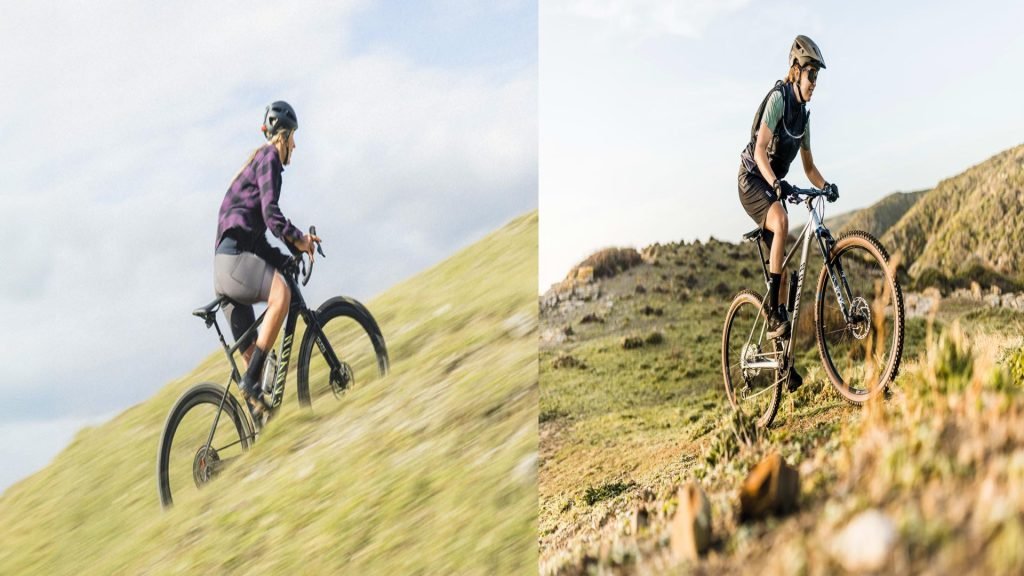
Choosing the right bike for your bikepacking adventure can make all the difference between an unforgettable trip and a frustrating struggle. You might be torn between a gravel bike and a mountain bike, wondering which one suits your style and terrain best.
This decision affects your comfort, speed, and how much gear you can carry. If you want to enjoy every mile without unnecessary hassle, you need to pick the bike that matches your needs perfectly. Keep reading, and you’ll discover clear, simple tips to help you make the best choice for your next ride.
Bikepacking Basics
Bikepacking is a way to explore nature by bike. You carry your gear and camp along the route.
Choosing the right bike is key. Gravel and mountain bikes are popular choices for bikepacking trips.
What Is Bikepacking
Bikepacking mixes biking and camping. It lets you travel far on different paths. You carry bags on your bike instead of a big backpack.
- Travel on dirt roads, trails, and paved roads
- Carry camping gear, food, and clothes on the bike
- Camp in nature or stay in small places along the way
- Focus on self-sufficiency and adventure
Key Bike Features For Bikepacking
| Feature | Gravel Bike | Mountain Bike |
| Tire Width | 35-45mm | 50-70mm |
| Frame Geometry | More road-oriented | Designed for rough trails |
| Suspension | Usually none or minimal | Full or front suspension |
| Weight | Lighter | Heavier |
| Speed on Flat | Faster | Slower |
| Control on Rough Trails | Good but limited | Excellent |
| Carrying Capacity | Multiple mounts for bags | Strong frame for heavy loads |

Credit: www.reddit.com
Gravel Bikes Explained
Gravel bikes are designed for mixed surfaces. They work well on roads, dirt, and trails. These bikes offer a balance of speed and comfort.
Choosing a gravel bike means thinking about frame, tires, and how the bike handles. These factors affect your ride and comfort.
Frame And Geometry
Gravel bike frames use lightweight materials like aluminum or carbon. The geometry is relaxed for stability on rough roads. This design helps you stay comfortable on long rides.
The frame often has extra mounts for bags and gear. This feature makes gravel bikes good for bikepacking trips.
Tire Types And Sizes
- Gravel bike tires are wider than road bike tires, usually 35-45mm.
- Tread patterns vary from smooth to knobby for different terrains.
- Wider tires add comfort and grip on loose surfaces.
- Some gravel bikes can fit tires up to 50mm wide.
Tire choice depends on your route. Smooth tires roll faster on hardpack. Knobby tires give better control on mud and rocks.
Handling And Comfort
| Feature | Gravel Bike |
| Steering | Stable and responsive |
| Saddle | Comfort-focused for long rides |
| Handlebars | Drop bars with multiple hand positions |
| Suspension | Minimal or none, some use seatpost flex |
Gravel bikes handle well on mixed terrain. They balance speed with comfort. This helps riders stay in control and reduce fatigue.
Mountain Bikes Explained
Mountain bikes are built to handle rough trails and uneven ground. They are a popular choice for bikepacking because they offer strong durability and control.
These bikes work well on dirt, rocks, and roots. They help riders stay comfortable and safe on long trips through nature.
Frame And Suspension
Mountain bike frames are sturdy and made to absorb shocks. Most frames use strong materials like aluminum or carbon fiber.
Suspension helps smooth out bumps. Bikes may have front suspension or both front and rear suspension for better comfort.
- Hardtail bikes have suspension only in the front fork
- Full suspension bikes have shocks in front and rear
- Full suspension is better for very rough trails
- Hardtail bikes are lighter and need less maintenance
Tire Types And Sizes
Mountain bike tires are wide and knobby to grip loose surfaces. They come in different sizes depending on the bike type.
Wider tires offer more traction but can be slower on smooth roads. Narrower tires roll faster but have less grip on rough ground.
- Common tire widths range from 2.1 to 2.6 inches
- Plus-size tires (2.8 inches and above) add extra cushioning
- Tire size affects speed and comfort on trails
- Choose tires based on the terrain you will ride most
Handling And Comfort
Mountain bikes offer stable handling on rough surfaces. Their wide handlebars give better control on tricky trails.
Comfort features like padded saddles and adjustable seat posts help on long rides. Suspension also reduces rider fatigue.
- Wide handlebars improve steering and balance
- Dropper seat posts allow quick seat height changes
- Suspension absorbs shocks from rocks and roots
- Good fit and comfort reduce pain on long trips
Terrain And Trail Considerations
Choosing between a gravel bike and a mountain bike depends on the terrain you plan to ride. The type of trail affects your comfort and bike performance.
Understanding your route helps you pick the right bike for your bikepacking trip. Smooth paths and rough trails need different bike features.
Smooth And Mixed Surfaces
Smooth and mixed surfaces include paved roads, packed dirt, and light gravel paths. These trails are easier to ride and less technical.
- Gravel bikes excel on these surfaces due to their tire width and frame geometry.
- They offer better speed and efficiency on smooth roads.
- Tires have enough grip for loose gravel without slowing you down.
- Comfort is higher because of the bike’s ability to absorb small bumps.
Rough And Technical Trails
Rough and technical trails have rocks, roots, and steep sections. They require strong control and shock absorption.
| Feature | Gravel Bike | Mountain Bike |
| Tire Size | 35-45mm width | 2.1-2.5 inches width |
| Suspension | Minimal or none | Front and sometimes rear suspension |
| Frame Strength | Lightweight, less reinforced | Heavier, more durable |
| Handling | Less stable on rough terrain | Better control on technical trails |
Load And Gear Capacity
Choosing between a gravel bike and a mountain bike for bikepacking depends on how much gear you can carry. Load capacity affects your comfort and bike handling on different terrains.
Both types have strengths and limits for carrying bags and equipment. Understanding these helps you pack smart and ride safely.
Bikepacking Bag Compatibility
Gravel bikes usually work well with frame bags and handlebar rolls. Their slim design fits smaller bags but limits the size of gear you can carry.
- Mountain bikes fit larger frame bags and seat packs
- They often have more mounts for extra bags
- Gravel bikes favor lightweight and compact bags
- Mountain bikes can carry heavier loads safely
Weight Distribution
Weight balance affects how the bike rides on rough or smooth paths. Mountain bikes can handle uneven weight better due to suspension and geometry.
| Bike Type | Best Bag Placement | Load Capacity | Effect on Handling |
| Gravel Bike | Frame, Handlebar | Moderate | Responsive but sensitive to heavy loads |
| Mountain Bike | Frame, Seatpost, Handlebar | High | Stable with uneven or heavy loads |
Performance And Speed
Choosing between a gravel bike and a mountain bike affects your bikepacking trip. Both bikes offer different speed and performance features. These factors help you decide which bike fits your riding style.
Understanding how each bike performs on various surfaces and slopes can guide your choice. Let’s look at their efficiency and handling on trails and climbs.
Efficiency On Different Terrains
Gravel bikes have thinner tires and lighter frames. They move faster on smooth dirt and gravel paths. They use less energy on hard-packed surfaces.
Mountain bikes have wider tires and strong suspension. They handle rough and rocky trails better. Their design slows them on flat, smooth roads.
- Gravel bikes are better on firm, even surfaces.
- Mountain bikes excel on rocky, uneven ground.
- Gravel bikes save energy on long, smooth rides.
- Mountain bikes provide control on tough trails.
Climbing And Descending
Gravel bikes climb hills faster due to their light weight and gear ratios. They keep speed with less effort on climbs. However, they may feel less stable going downhill on rough terrain.
Mountain bikes climb slower but offer better grip and control on steep trails. Their suspension absorbs bumps on descents. This makes going downhill safer and smoother on rough paths.
- Gravel bikes are quicker uphill on gentle slopes.
- Mountain bikes control better on steep climbs.
- Gravel bikes descend faster on smooth surfaces.
- Mountain bikes handle rough downhill sections well.
Maintenance And Durability
Choosing between a gravel bike and a mountain bike for bikepacking depends a lot on maintenance and durability. These two factors affect how well your bike holds up on long trips. They also decide how easy it is to fix problems on the trail.
Both bike types face wear and tear differently. Knowing what to expect can help you pick the right bike. It also prepares you for repairs during your adventure.
Common Wear And Tear
Gravel bikes usually face wear on tires and brakes. Their thinner tires can wear faster on rough paths. Mountain bikes have stronger frames but more parts that can get damaged.
Mountain bikes deal with dirt and rocks. This can cause scratches and damage to suspension parts. Gravel bikes often show wear on the drivetrain due to long rides on mixed surfaces.
- Gravel bike tires wear faster on rough terrain
- Mountain bike suspension parts need regular checks
- Both bikes need chain and brake maintenance
- Frames on mountain bikes are made for tougher impacts
Repair Ease On The Trail
Gravel bikes are simpler to fix on the trail. Their parts are common and lightweight. This helps when you carry limited tools. Mountain bikes can be harder to repair due to complex suspension systems.
Mountain bikes need special tools for suspension fixes. Their wider tires also need more effort to patch. Gravel bikes often use standard tire sizes and parts. This makes roadside repairs quicker and easier.
- Gravel bikes use common parts for easy fixes
- Mountain bikes need more tools for suspension repairs
- Standard tires on gravel bikes allow faster patches
- Mountain bike tires are wider and heavier to fix

Credit: www.canyon.com
Cost And Budget Factors
Choosing between a gravel bike and a mountain bike for bikepacking depends on your budget. Both types have costs that matter for your trip and gear.
Understanding the initial and ongoing expenses helps you pick the best bike for your wallet and adventure.
Initial Investment
Gravel bikes usually cost more at the start. They have lighter frames and parts for smooth rides on mixed terrain.
Mountain bikes are often less expensive upfront. They focus on durability and tough trails, which can cost less in materials.
- Gravel bikes: higher price for lightweight design
- Mountain bikes: lower price with strong build
- Extra gear like racks and bags adds to cost
Long-term Expenses
Mountain bikes may need more repairs due to rough trails. Parts like suspension can wear out faster.
Gravel bikes often have fewer parts to fix but need regular tire changes because of mixed surfaces.
- Mountain bikes: more maintenance on suspension and tires
- Gravel bikes: regular tire and brake replacements
- Both need upkeep for safe and smooth rides
Rider Experience And Skill
Choosing between a gravel bike and a mountain bike depends on your riding skill. Your experience affects which bike suits your bikepacking needs best.
Each bike type fits different skill levels and terrains. Understanding your ability helps you pick the right bike for comfort and safety.
Beginner-friendly Options
Gravel bikes are easier for new riders. They offer stability on mixed surfaces and require less technical skill. These bikes are good for riders who want simple, smooth rides on dirt roads and light trails.
- Gravel bikes have wider tires than road bikes but are narrower than mountain bikes.
- They handle bumps and small rocks well without too much effort.
- Riders can use them on paved paths and hard-packed dirt.
- They have a more relaxed riding position, which helps beginners ride longer without strain.
Advanced Riding Needs
Mountain bikes suit skilled riders who want to tackle rough, technical trails. These bikes have strong frames and wide tires for grip on rocks and mud. They work best for riders confident in their bike handling and balance.
| Feature | Gravel Bike | Mountain Bike |
| Skill Level | Beginner to Intermediate | Intermediate to Advanced |
| Terrain | Gravel, dirt roads, light trails | Technical trails, rocks, mud |
| Tire Width | 35-45 mm | 2.1-2.5 inches |
| Suspension | Minimal or none | Full or front suspension |
| Riding Position | Relaxed and upright | More aggressive and forward |
Making The Right Choice
Choosing between a gravel bike and a mountain bike for bikepacking can be tough. Both have strong points that fit different trips.
Knowing your trip type and what you want from your ride helps pick the best bike for your adventure.
Matching Bike To Trip Type
Think about the roads and trails you will ride. Gravel bikes work well on smooth dirt and gravel paths. Mountain bikes handle rough, rocky, and steep trails better.
| Trip Type | Gravel Bike | Mountain Bike |
| Flat or Rolling Terrain | Good speed and comfort | May feel slower |
| Rocky or Technical Trails | Less control and comfort | Better control and shock absorption |
| Mixed Terrain | Works well on less technical sections | Handles all terrain types |
| Distance and Speed | Faster on open roads | Slower but stable |
Personal Preferences And Priorities
Your comfort and riding style matter. Some riders want speed and light bikes. Others want durability and control on tough paths.
- Choose gravel bike if you prefer faster rides and smoother trails.
- Pick mountain bike for rough trails and strong bike stability.
- Consider bike weight if you carry heavy gear.
- Think about tire size and type for your preferred surfaces.
- Test ride both types to find what feels best for you.

Credit: www.treelinereview.com
Frequently Asked Questions
What Are The Main Differences Between Gravel And Mountain Bikes?
Gravel bikes have thinner tires and lighter frames for speed on mixed terrain. Mountain bikes feature wider tires and robust frames for rough, technical trails. Choose based on trail type, comfort, and load-carrying needs during bikepacking trips.
Which Bike Is Better For Long-distance Bikepacking?
Gravel bikes excel in long-distance bikepacking due to lighter weight and faster ride. Mountain bikes handle rough terrains but can be heavier and slower. For smoother routes, gravel bikes offer better efficiency and comfort over long distances.
Can Gravel Bikes Handle Off-road Trails Well?
Gravel bikes can manage mild off-road trails with their wider tires and stable geometry. However, they struggle on very technical or rocky trails where mountain bikes perform better. Assess the trail difficulty before choosing a gravel bike for off-roading.
How Does Tire Size Affect Bikepacking Performance?
Tire size influences comfort, speed, and traction. Gravel bikes use narrower tires (35-45mm) for speed and efficiency. Mountain bikes use wider tires (2. 0-2. 5 inches) for grip and shock absorption on rough trails. Choose tire size based on terrain and riding style.
Conclusion
Choosing between gravel and mountain bikes depends on your route. Gravel bikes offer speed and versatility on varied terrain. Great for mixed surfaces. Mountain bikes excel in rough, challenging trails. Ideal for adventurous paths. Consider your personal preferences and destination.
Test rides can help. Feel the difference firsthand. Also, factor in budget and gear compatibility. Both types have unique benefits. Your choice should match your bikepacking goals. Enjoy the journey. Embrace the adventure. Happy bikepacking!



