

Choosing the right bike helmet for your child is more than just a quick purchase—it’s about protecting what matters most. You want a helmet that fits well, feels comfortable, and keeps your little one safe every time they ride.
But with so many options out there, how do you know which one is truly safe? You’ll discover simple, practical tips to help you pick the perfect helmet that gives you peace of mind and keeps your child protected. Keep reading, because your child’s safety starts with the right choice.
Importance Of A Safe Bike Helmet
A safe bike helmet protects kids during falls and accidents. It reduces the chance of serious head injuries.
Choosing the right helmet helps keep young riders safe and confident on their bikes.
Protecting Young Riders
A properly fitted helmet absorbs impact and shields the head. It lowers the risk of brain injury in crashes.
- Helmets protect the skull from cracks and fractures.
- They reduce the force of a blow to the head.
- Wearing helmets teaches kids safe riding habits early.
- Bright colors and designs increase visibility to others.
Common Risks Without Helmets
Riding without a helmet puts children at risk of serious injuries. Head trauma is common in bike accidents.
| Risk | Possible Injury | Impact |
| Fall from bike | Skull fracture | Severe pain, long recovery |
| Collision with vehicle | Brain injury | Permanent damage, disability |
| Hit by another rider | Concussion | Temporary confusion, dizziness |
| Fall on hard surface | Scalp cuts | Bleeding, infection risk |

Credit: www.huffy.com
Key Safety Standards To Look For
Choosing a safe bike helmet for kids is very important. Safety standards tell you if a helmet protects well.
Look for helmets that meet strong safety rules. These rules show the helmet has passed tests.
Certifications That Matter
Check for safety certifications on the helmet label. These certificates mean the helmet meets safety laws.
Some common certifications include CPSC, ASTM, and Snell. Each one shows the helmet passed special tests.
- CPSC: Required in the USA for bike helmets.
- ASTM: Shows helmets meet certain test standards.
- Snell: A tough safety standard for helmets.
- EN 1078: European safety standard for bike helmets.
What Each Standard Ensures
The CPSC certification means the helmet protects well against head impacts. It tests shock absorption and strap strength.
ASTM standards check if the helmet covers the head properly and stays on during a fall. They test fit and durability.
The Snell certification requires helmets to pass strict impact tests. It also looks for strong shell and foam materials.
EN 1078 ensures helmets protect the head and face. It also tests the helmet’s ability to stay on in crashes.
| Certification | What It Tests |
|---|---|
| CPSC | Shock absorption, strap strength |
| ASTM | Coverage, fit, durability |
| Snell | Impact resistance, materials strength |
| EN 1078 | Head and face protection, retention |
Choosing The Right Size
Picking the right size bike helmet is very important for your child’s safety. A helmet that fits well protects the head better during falls.
We will explain how to measure your child’s head and look for adjustable features that help the helmet grow with them.
Measuring Your Child’s Head
Use a soft tape measure to find your child’s head size. Wrap it around the widest part of the head, just above the eyebrows.
Note the measurement in centimeters or inches. This number helps you pick a helmet that fits snugly without being too tight.
- Place tape above the eyebrows and ears
- Keep tape level all around the head
- Measure twice for accuracy
Adjustable Features For Growth
Choose helmets with adjustable straps and sizing rings. These features let you change the fit as your child grows.
Adjustable parts also help keep the helmet secure and comfortable during rides.
- Straps that can be tightened or loosened
- Sizing rings that expand or shrink
- Padding that can be added or removed
Helmet Fit And Comfort
Choosing a bike helmet for kids means focusing on fit and comfort. A helmet that fits well protects better and feels good to wear.
Parents should check straps, padding, and ventilation to keep kids safe and happy while riding.
Strap Adjustments
Straps keep the helmet secure on your child’s head. Proper adjustment stops the helmet from slipping or moving during rides.
- Make sure the straps form a “V” shape just below each ear.
- The chin strap should be snug but allow your child to open their mouth easily.
- Adjust straps so the helmet sits level on the head, not tilted back or forward.
- Check straps often as kids grow or wear different clothes.
Padding And Ventilation
Padding adds comfort and helps the helmet fit snugly. Ventilation keeps the head cool during rides.
| Feature | Benefit |
| Removable Padding | Easy to clean and replace for hygiene and fit |
| Soft Foam Pads | Reduce pressure points and improve comfort |
| Air Vents | Allow airflow to keep the head cool and dry |
| Moisture-Wicking Fabric | Draws sweat away to prevent irritation |
Materials And Construction
Choosing a safe bike helmet for kids means looking closely at the materials. The helmet must protect the head well during impacts. Good construction helps the helmet keep its shape and absorb shocks.
Two main parts affect safety: the impact-absorbing foam inside and the durable outer shell. Each part has a special job to protect your child’s head.
Impact-absorbing Foam
The foam inside the helmet absorbs the force of a crash. It reduces the impact to the skull and brain. Most helmets use expanded polystyrene (EPS) foam. EPS is light and soft but becomes hard on impact.
- EPS foam crushes on impact to absorb energy.
- Some helmets use expanded polypropylene (EPP) foam for better durability.
- Foam thickness matters; thicker foam gives more protection.
- The foam should fit snugly inside the helmet’s shell.
Durable Outer Shells
The outer shell covers the foam and protects it from cuts and scrapes. It also spreads the impact force over a larger area. Most shells are made from tough plastic materials.
| Material | Key Feature | Benefit |
|---|---|---|
| Polycarbonate | Light and strong | Good impact resistance with less weight |
| ABS Plastic | Rigid and durable | Offers high protection but heavier |
| Fiberglass | Very tough | Used in high-end helmets for extra safety |

Credit: ctsafekids.org
Style And Visibility
Choosing a bike helmet for kids means thinking about style and safety. Bright colors and fun designs make helmets more appealing.
Visibility is important to keep kids safe on the road. A helmet that stands out helps drivers see young riders.
Bright Colors And Reflective Elements
Bright colors increase a child’s visibility during the day. Reflective elements help drivers see kids at night or in low light.
- Choose helmets in neon colors like yellow, orange, or green
- Look for helmets with built-in reflective stickers or strips
- Add extra reflective tape if the helmet does not have enough
- Avoid dark colors that blend into the background
Fun Designs Kids Will Love
Kids want helmets that look cool and show their personality. Fun designs encourage them to wear helmets every time.
| Design | Appeal | Safety Benefit |
| Animal shapes | Exciting and playful | High visibility with bright colors |
| Cartoon characters | Relatable and fun | Reflective accents add safety |
| Sports themes | Energetic and sporty | Bold colors improve visibility |
| Glow-in-the-dark | Unique and eye-catching | Visible in dark settings |
Maintenance And Replacement
Keeping your child’s bike helmet clean and knowing when to replace it are key to safety.
Proper care helps the helmet work well and last longer.
Cleaning Tips
Regular cleaning removes dirt and sweat that can damage the helmet over time.
- Use mild soap and warm water to clean the shell.
- Wipe the inside padding gently with a damp cloth.
- Avoid strong chemicals and solvents that harm the materials.
- Let the helmet air dry away from direct sunlight.
- Remove and wash removable liners as per the instructions.
When To Replace A Helmet
Helmets lose protection after crashes or over time, so replace them as needed.
| Reason to Replace | Details |
| After a Crash | Even small impacts damage the helmet’s structure. |
| Visible Damage | Cracks, dents, or crushed foam mean less protection. |
| Older than 5 Years | Materials wear out and may fail in a crash. |
| Straps or Buckles Worn | If parts do not fasten properly, the helmet is unsafe. |
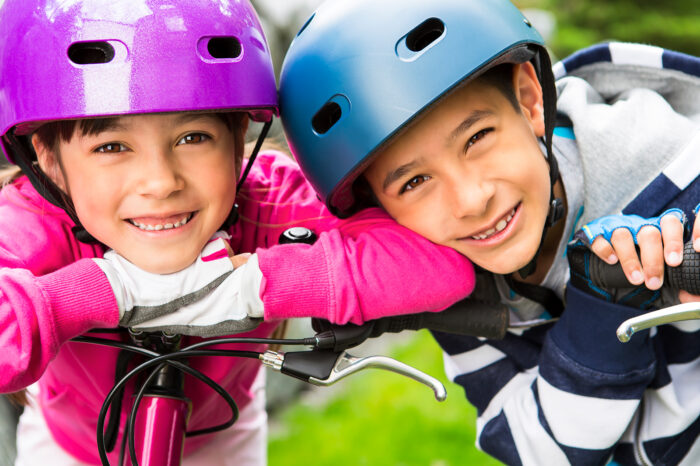
Credit: ctsafekids.org
Additional Safety Tips
Choosing the right bike helmet is just one part of keeping kids safe. There are other tips that help protect your child while riding.
Teaching kids how to use their helmet and picking other protective gear can lower the chance of injury.
Teaching Proper Helmet Use
Show your child how to wear the helmet correctly every time they ride. The helmet should sit level on the head and cover the forehead.
- Adjust straps so they are snug but comfortable.
- Check that the helmet does not move when shaking the head.
- Teach kids to always wear their helmet, even for short rides.
- Replace helmets after any crash or if damaged.
Other Protective Gear To Consider
Beyond helmets, other gear can help protect kids while biking. Choosing the right items can add safety without stopping fun.
| Protective Gear | Purpose |
|---|---|
| Knee Pads | Shield knees from scrapes and bruises |
| Elbow Pads | Protect elbows during falls |
| Gloves | Improve grip and protect hands |
| Reflective Clothing | Increase visibility in low light |
Frequently Asked Questions
What Is The Safest Bike Helmet For Kids?
The safest kids’ bike helmet fits snugly, meets safety standards, and has adequate padding. Look for certifications like CPSC or ASTM for assured protection.
How Do I Measure My Child’s Head For A Helmet?
Use a soft tape measure around the largest part of your child’s head. Measure just above the eyebrows and ears for an accurate helmet size.
When Should I Replace My Child’s Bike Helmet?
Replace a helmet every 3-5 years or immediately after a crash. Helmets lose effectiveness over time and after impact, reducing safety protection.
Are Adjustable Helmets Better For Kids?
Yes, adjustable helmets allow a customized fit as kids grow. They provide comfort and ensure the helmet stays securely in place during rides.
Conclusion
Choosing a safe bike helmet for kids is crucial. Prioritize safety over style. Check for proper fit and comfort. Ensure the helmet meets safety standards. Encourage your child to wear it every ride. Safety habits start early. Involve them in the selection process.
They might be more willing to wear it. Inspect helmets regularly for damage. Replace if necessary. Keep your child safe while they enjoy biking. Happy and safe rides make lasting memories. Remember, a well-chosen helmet protects their precious head.



