

Choosing the right bike frame is the first step to making your bikepacking trips more enjoyable and efficient. If you want a bike that’s easy to carry, fast on the road, and comfortable over long distances, picking a lightweight frame is key.
But with so many options out there, how do you know which one fits your needs? You’ll discover simple tips and clear advice that help you find the perfect lightweight bikepacking frame. By the end, you’ll feel confident about your choice and ready to hit the trail without extra weight holding you back.
Keep reading to unlock the secrets to a smoother, faster ride.

Credit: www.reddit.com
Key Factors For Lightweight Frames
Choosing a lightweight bikepacking frame makes your ride easier. It helps you carry less weight on long trips.
Knowing what to look for will help you pick the best frame. Focus on material, shape, and balance.
Material Choices
Materials affect the bike frame’s weight and strength. Common materials include aluminum, steel, carbon, and titanium.
Aluminum is light and affordable but less durable. Steel is strong and lasts long but is heavier. Carbon is very light and stiff but costly. Titanium is light and strong but expensive.
- Aluminum: lightweight, budget-friendly
- Steel: durable, heavier
- Carbon: very light, stiff, expensive
- Titanium: light, strong, high cost
Frame Geometry
Frame geometry affects comfort and handling. A relaxed geometry gives comfort on long rides. A more aggressive geometry is faster but less comfy.
Look for frames with a good balance of stability and agility. Check the top tube length, head angle, and seat tube angle.
- Relaxed geometry = comfort and stability
- Aggressive geometry = speed and control
- Top tube length affects reach
- Head angle controls steering
- Seat tube angle changes pedaling position
Weight Vs. Durability
Lighter frames make riding easier but may be less durable. Heavier frames last longer but add extra weight.
Choose a frame that balances weight and strength. Consider the type of terrain and how much gear you carry.
- Lightweight frames are easier to carry
- Durable frames resist damage better
- Think about your riding style
- Consider how rough the trails are

Credit: alpkit.com
Popular Frame Materials
Choosing the right bike frame material is key for a lightweight bikepacking bike. Each material has its own strengths and weaknesses. Knowing these can help you pick the best frame for your rides.
This guide covers four popular frame materials: aluminum, carbon fiber, titanium, and steel. Learn about their weight, durability, and comfort to make an informed choice.
Aluminum
Aluminum frames are common for their light weight and affordability. They resist rust and provide a stiff ride. This stiffness makes for efficient pedaling but can feel rough on bumpy roads.
Carbon Fiber
Carbon fiber frames are very light and strong. They absorb road vibrations well, giving a smooth ride. These frames can be shaped in many ways to improve aerodynamics and comfort.
- Very light weight
- High strength-to-weight ratio
- Good vibration dampening
- Can be costly
- Less impact resistant
Titanium
Titanium frames combine light weight and durability. They resist rust and last a long time. Titanium offers a smooth and comfortable ride, making it great for long trips.
Steel
Steel frames are heavier but very strong. They can bend without breaking, which adds to their durability. Steel also provides a comfortable ride due to its natural flex.
| Material | Weight | Durability | Comfort | Cost |
| Aluminum | Light | Good | Firm | Affordable |
| Carbon Fiber | Very Light | Moderate | Soft | Expensive |
| Titanium | Light | Excellent | Soft | High |
| Steel | Heavy | Excellent | Soft | Affordable |
Frame Design Considerations
Choosing a lightweight bikepacking bike frame means looking at its design carefully. The frame must be strong but light enough for long rides.
Good frame design helps carry gear, handle rough roads, and fit different tire sizes. These features affect your bikepacking experience.
Tube Shapes And Sizes
Tube shapes and sizes affect the bike’s weight and strength. Thinner tubes weigh less but can be less strong.
Some frames use round tubes for even strength. Others use shaped tubes to save weight and add stiffness.
- Round tubes give balanced strength and comfort
- Shaped tubes reduce weight without losing stiffness
- Smaller tube diameter lowers weight but can reduce durability
- Larger tubes add strength but increase weight
Mounting Points For Gear
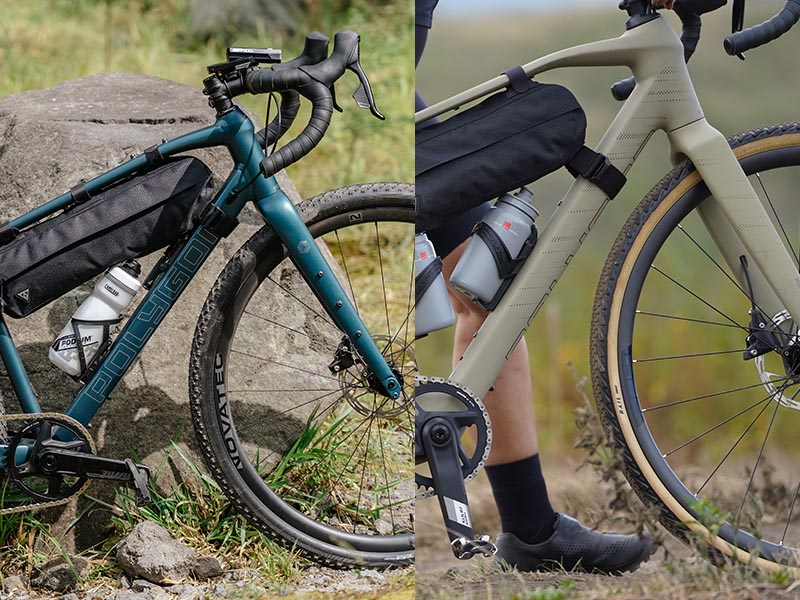
Mounting points let you attach bags, bottles, and racks. More mounting points mean more gear options.
Look for frames with mounts on the down tube, top tube, and seat stays. These mounts help balance your load.
- Multiple mounts allow flexible gear placement
- Some frames include mounts for water bottles and pumps
- Check if mounts fit your gear size and style
- Strong mounts prevent gear from shaking loose
Clearance For Tires And Accessories
Clearance means space between the frame and tires or gear. More clearance lets you use bigger tires and fenders.
Frames with good clearance handle rough trails better. They also allow adding mudguards and racks easily.
- Wide clearance fits large tires for rough terrain
- Extra space allows adding fenders to keep dirt off
- Check clearance if you want to use fat or knobby tires
- Good clearance prevents mud build-up and damage
Credit: www.polygonbikes.com
Balancing Strength And Weight
Choosing a lightweight bikepacking bike frame means finding the right balance between strength and weight. A strong frame keeps you safe on rough trails. A light frame helps you ride longer and faster.
Focus on parts of the frame that need extra strength. Avoid adding too much weight that slows you down. Smart design helps you carry gear without breaking your bike.
Reinforcements And Thickness
Frames have different thicknesses to hold up against stress. Thicker parts add strength but also weight. Thin areas save weight but may break if weak.
Reinforcements in key spots help make the frame tougher. These include extra layers or stronger materials. They protect the frame from cracks or dents.
- Look for thicker tubing at the bottom bracket and head tube
- Check for extra material near the rear dropouts
- Reinforced welds improve durability
Stress Points To Watch
Some frame areas handle more pressure than others. These stress points need careful checking before buying. Weak spots can cause frame failure.
Common stress points include joints, welds, and places where accessories attach. Look for signs of cracking or bending in these areas.
- Bottom bracket shell
- Head tube junction
- Rear dropout areas
- Attachment points for racks and bottle cages
Testing And Reliability
Test the frame’s strength before you buy. Press and twist the frame to check for flex or noise. Reliable frames feel solid and stable.
Look for frames tested by manufacturers or reviewed by other riders. Good frames last longer and keep you safe on rough routes.
- Check manufacturer stress tests or certifications
- Read reviews from bikepacking riders
- Ask about warranty and support
Choosing The Right Frame Size
Picking the right frame size is key to a good bikepacking experience. It affects how you ride and your comfort on long trips.
A frame that fits well helps you avoid pain and ride longer with ease. Let’s look at important factors to consider.
Fit And Comfort
The frame size must match your body to keep you comfortable. A bike that is too big or small can cause strain and soreness.
Check your height and inseam to find the right size. Test the bike by sitting and standing over the frame to feel if it fits well.
- Your feet should reach the ground easily when seated.
- There should be a few centimeters of clearance over the top tube.
- Your arms should bend slightly when holding the handlebars.
Handling And Stability
A frame that fits right improves how you control the bike. Good handling makes riding safe and fun on different terrains.
Smaller frames tend to be more agile. Larger frames offer more stability on rough roads. Choose based on your riding style.
- For tight trails, a smaller frame helps with quick turns.
- For long rides on rough paths, a bigger frame adds steadiness.
- Balance your choice with the type of bikepacking you plan.
Adjusting For Load
Your frame size also affects how well your bike handles weight. Bikepacking means carrying gear, so the frame must support the load.
A slightly larger frame can handle extra weight better. It keeps the bike stable and prevents damage when carrying bags or equipment.
- Choose a frame that has strong materials and good load capacity.
- Make sure the frame geometry balances weight for safe riding.
- Check manufacturer specs for recommended maximum weight.
Frame Brands And Models To Consider
Choosing the right bike frame is key for lightweight bikepacking. The frame affects weight, strength, and comfort on long rides.
Many brands offer frames that balance weight and durability. Some focus on affordability, while others provide top-end materials. Custom frames add a personal touch.
Budget-friendly Options
Affordable frames can still be light and tough. Steel and aluminum frames are common in this range. They offer good value for new bikepackers.
- Surly – Known for steel frames that last long and carry loads well.
- Co-op Cycles – Offers aluminum frames with good features for the price.
- Reynolds 520 steel – Found in many budget-friendly frames, strong and repairable.
- Chromag – Offers aluminum frames designed for rugged use.
High-end Lightweight Frames
High-end frames use materials like carbon fiber and titanium. These frames weigh less and absorb road vibrations better. They cost more but improve ride quality.
- Specialized Sequoia – Carbon frame with lightweight features for long tours.
- Open Cycle U.P. – Full carbon frame designed for speed and comfort.
- Van Nicholas – Titanium frames known for light weight and strength.
- Ritte – Carbon frames focused on endurance and style.
Custom Frame Builders
Custom frames let you choose materials and geometry. Builders create frames to fit your body and riding style perfectly. This option suits serious bikepackers.
- Waterford Precision Cycles – Handmade steel frames with custom designs.
- Independent Fabrication – Builds steel and titanium frames tailored to you.
- Seven Cycles – Custom titanium frames for light weight and strength.
- All-City Cycles – Offers custom steel frames with classic style.
Additional Tips For Lightweight Bikepacking
Choosing a lightweight bike frame is important for bikepacking. But other factors help you keep your bike light. These tips focus on parts, care, and smart packing.
Small changes add up to make your ride easier and faster. Look beyond the frame to improve your overall setup.
Complementary Lightweight Components
Select parts that balance weight and strength. Lightweight wheels, tires, and handlebars can reduce the total weight. Choose components made from materials like carbon fiber or aluminum.
- Use tubeless tires to reduce weight and prevent flats
- Pick a compact crankset for lighter pedaling
- Choose a slim saddle designed for long rides
- Install lightweight pedals with good grip
- Opt for minimalistic handlebar tape or grips
Maintenance And Longevity
Keeping your bike well-maintained helps it last longer and stay light. Dirt and rust add weight and slow you down. Clean your bike regularly and check parts for wear.
| Maintenance Task | Frequency |
| Clean bike frame and components | After every trip |
| Lubricate chain | Every 100 miles |
| Check tire pressure | Before each ride |
| Inspect brakes and cables | Monthly |
| Tighten bolts and screws | Monthly |
Packing Smart For Weight Reduction
Packing less is key to riding light. Take only what you need and organize gear efficiently. Spread weight evenly to keep balance and comfort.
- Choose multi-use items to reduce gear
- Pack clothes that dry quickly and weigh little
- Use lightweight bags and mounts
- Distribute weight between front and rear bags
- Leave heavy tools and extras unless necessary
Frequently Asked Questions
What Materials Make The Lightest Bikepacking Frames?
Aluminum and carbon fiber are the lightest materials for bikepacking frames. Aluminum offers durability and affordability. Carbon fiber is lighter and absorbs trail vibrations better but costs more.
How Does Frame Geometry Affect Bikepacking Weight?
Frame geometry impacts bike handling and load distribution. A compact geometry often reduces weight. It also improves control on rough terrain, making your ride more efficient.
Should I Prioritize Weight Or Durability In A Bike Frame?
Balance weight and durability based on your trip needs. Lightweight frames save energy but might be less tough. Durable frames handle rough conditions but can weigh more.
What Frame Features Reduce Bikepacking Bike Weight?
Look for minimalistic designs, fewer mounts, and integrated cable routing. These features lower overall weight while maintaining functionality for carrying gear.
Conclusion
Choosing the right bikepacking frame is essential. It affects your ride. Lightweight frames offer better speed and efficiency. They help on tough terrains. Consider material, weight, and durability. Aluminum and carbon frames are popular choices. Each has pros and cons.
Test different frames if possible. Comfort and fit matter most. A well-chosen frame improves your adventure. Makes long rides enjoyable. Keep your needs in mind. Happy bikepacking!



