
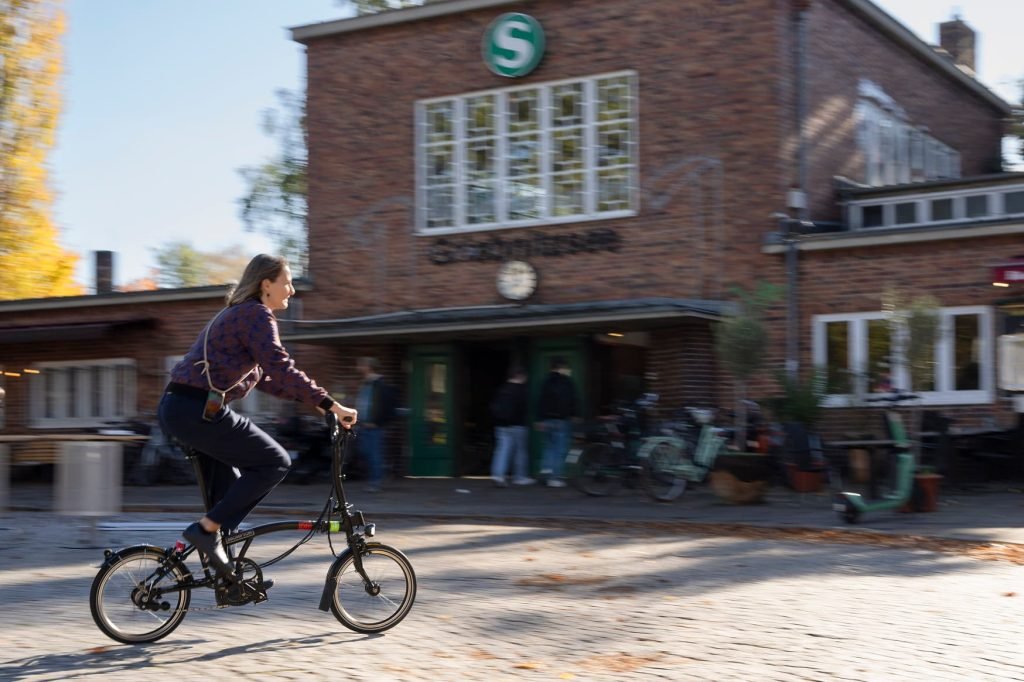
Finding a safe and convenient spot to park your commuter bike at busy stations can feel tricky. You want to be sure your bike stays secure while you focus on your day.
If you’ve ever worried about where to leave your bike or how to avoid fines and damage, this guide is made for you. Inside, you’ll discover simple, effective tips that make parking your bike stress-free and hassle-free. Keep reading to learn how to protect your ride and make your daily commute smoother.
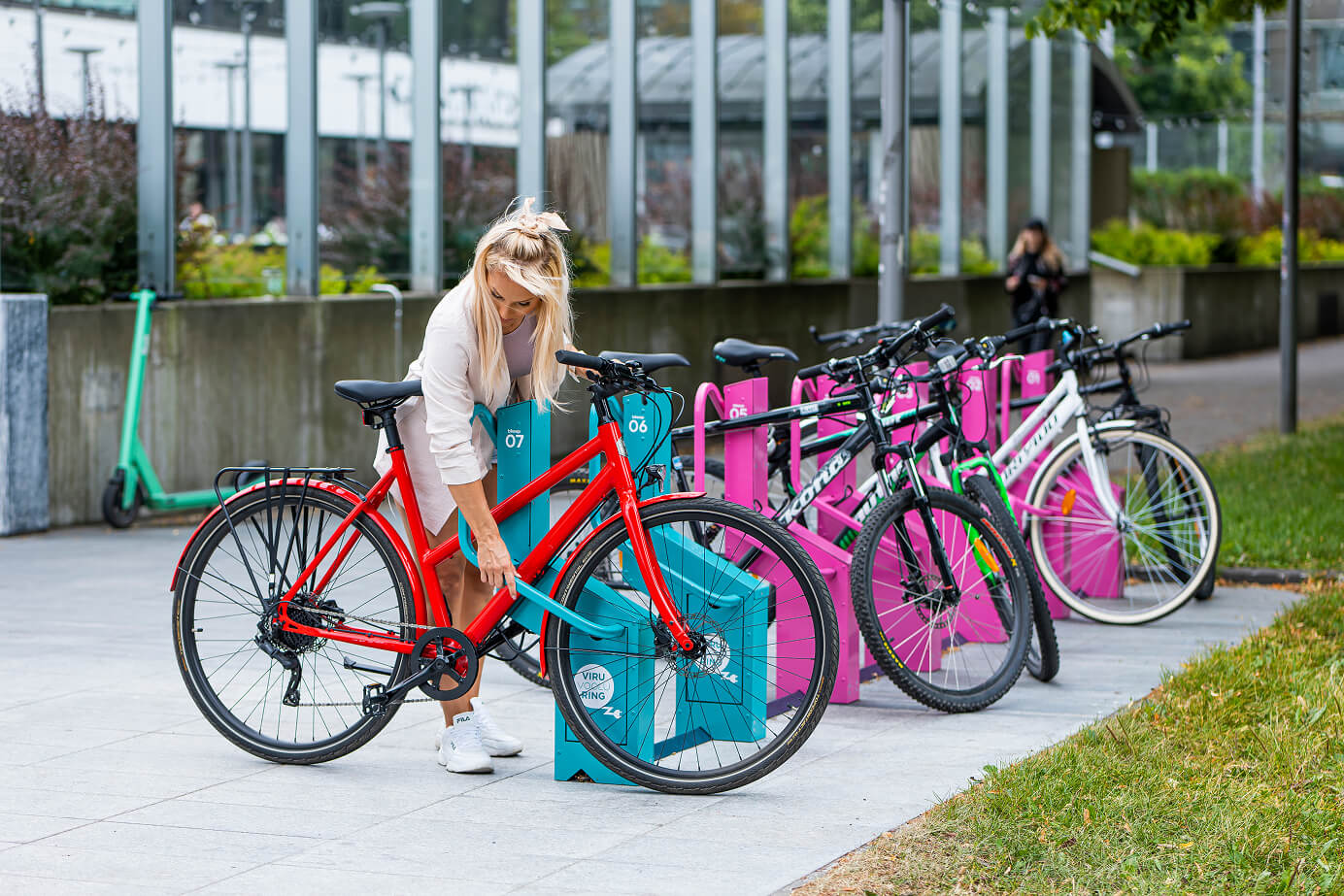
Credit: bikeep.com
Choosing The Right Spot
Find the designated bike areasat the station first. These spots are made for parking bikes safely.
Choose places with good visibility. It helps keep your bike safe from theft or damage. Well-lit areas are best.
Make sure your bike does not block pathwaysor entrances. This keeps the station safe and easy to use for everyone.
- Park only in marked bike racks or stands.
- Avoid dark corners or hidden spots.
- Leave enough space for pedestrians and other bikes.
Using Secure Locks
Different types of bike locks offer varied security levels. U-locksare sturdy and hard to cut. Cable locksare flexible but less secure. Chain locksprovide strong protection but are heavier. Choose a lock that fits your bike and station environment.
Lock the bike frame to a fixed object like a rack or pole. Avoid locking just the wheels, as they can be stolen easily. Use a strong lock that fits tightly to reduce movement.
Secure both the wheels and the frameto prevent theft. Lock the rear wheel and frame together first. Then, if possible, use a second lock for the front wheel. This makes stealing parts difficult.
Preparing Your Bike
Always remove valuableslike bags, phones, and wallets before parking. This helps keep your belongings safe and reduces theft risk.
Adjust accessoriessuch as mirrors, baskets, and lights. Make sure they are secure and won’t get damaged or stolen.
Use theft deterrentslike strong locks or chains. Check them before leaving your bike at the station.
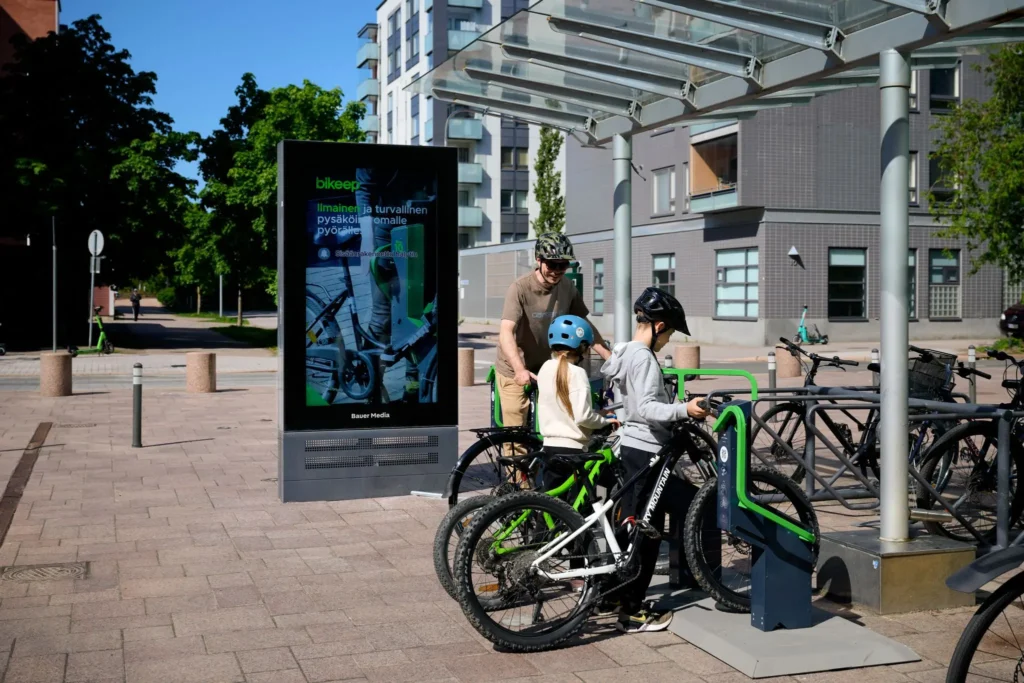
Credit: bikeep.com
Timing Your Parking
Avoid peak hoursto find easier parking spots. Morning and evening rush hours are the busiest times. Try to park your bike before 7 AM or after 9 AM. Late afternoons, between 4 PM and 6 PM, are also crowded. Parking during these times can be stressful and time-consuming.
Plan for long-term storageif you leave your bike for many hours. Use secure racks or bike lockers to prevent theft. Make sure the spot is covered to protect from rain or sun. Check station rules about how long bikes can stay parked.
- Choose less crowded times to park.
- Look for safe, covered parking areas.
- Follow station rules for long-term parking.
Maintaining Your Bike At The Station
Regularly check your bike for any loose parts or wear. Tighten nuts and bolts as needed to keep it safe. Look at tires for low air or damage. Brake pads should be firm and aligned. Chain must be clean and oiled to avoid rust.
Clean the bike after each ride to remove dirt and dust. Use a soft cloth and mild soap with water. Avoid harsh chemicals that can harm paint or parts. Dry the bike well to stop rust from forming.
Protect your bike from rain and sun at the station. Use a waterproof cover if possible. Store the bike in shaded areas to keep paint from fading. Wipe off water after rain to prevent rust and damage.
Using Station Facilities
Secure your commuter bike at station facilities by using designated parking areas. Lock it properly to prevent theft.
Bike Racks And Lockers
Many stations have bike racksfor easy parking. Lock your bike to the rack securely. Use a strong lockto keep your bike safe. Some stations offer bike lockers. These lockers protect bikes from weather and theft. Check if you need to reserve a lockerin advance.
Covered Parking Options
Covered parking keeps bikes dry and safe. Look for areas with roofs or shelters. These spots protect bikes from rain and sun. Not all stations have covered parking. Check maps or ask staff for directions. Covered spots can fill up fast.
Security Cameras And Surveillance
Security cameras help keep bikes safe from theft. Park your bike near cameras for extra protection. Cameras record activity around the clock. Stations with surveillance are usually safer. Always check for cameras when parking.

Credit: bikeprovincetown.org
Frequently Asked Questions
How Can I Securely Park My Commuter Bike At Stations?
Always use a sturdy U-lock to secure both the frame and wheels. Lock your bike to designated racks in well-lit areas. Avoid isolated spots to reduce theft risk. Check for any station-specific parking rules or fees before leaving your bike.
Are There Designated Bike Parking Areas At Transit Stations?
Most transit stations provide designated bike racks or lockers. These areas are designed for easy access and safety. Look for signage directing you to these spots. Using designated parking helps keep bikes organized and reduces theft or damage chances.
Can I Leave My Commuter Bike Overnight At Stations?
Policies vary by station; some allow overnight parking while others don’t. Check local regulations or station guidelines before leaving your bike overnight. If allowed, use secure locks and remove any accessories to prevent theft or vandalism.
What Are The Best Locks For Commuter Bike Security?
U-locks combined with cable locks offer the best security. U-locks protect the frame and rear wheel, while cables secure front wheels or accessories. Avoid cheap or flexible locks as they are easier to cut. Invest in quality locks for peace of mind.
Conclusion
Parking your commuter bike at stations can be simple and safe. Use designated bike racks or lockers to keep your bike secure. Always lock your bike well, even in busy areas. Follow station rules to avoid fines or bike removal.
Plan ahead to find the best parking spot quickly. Taking these steps saves time and protects your bike daily. Enjoy smooth rides knowing your bike stays safe while you travel.



