
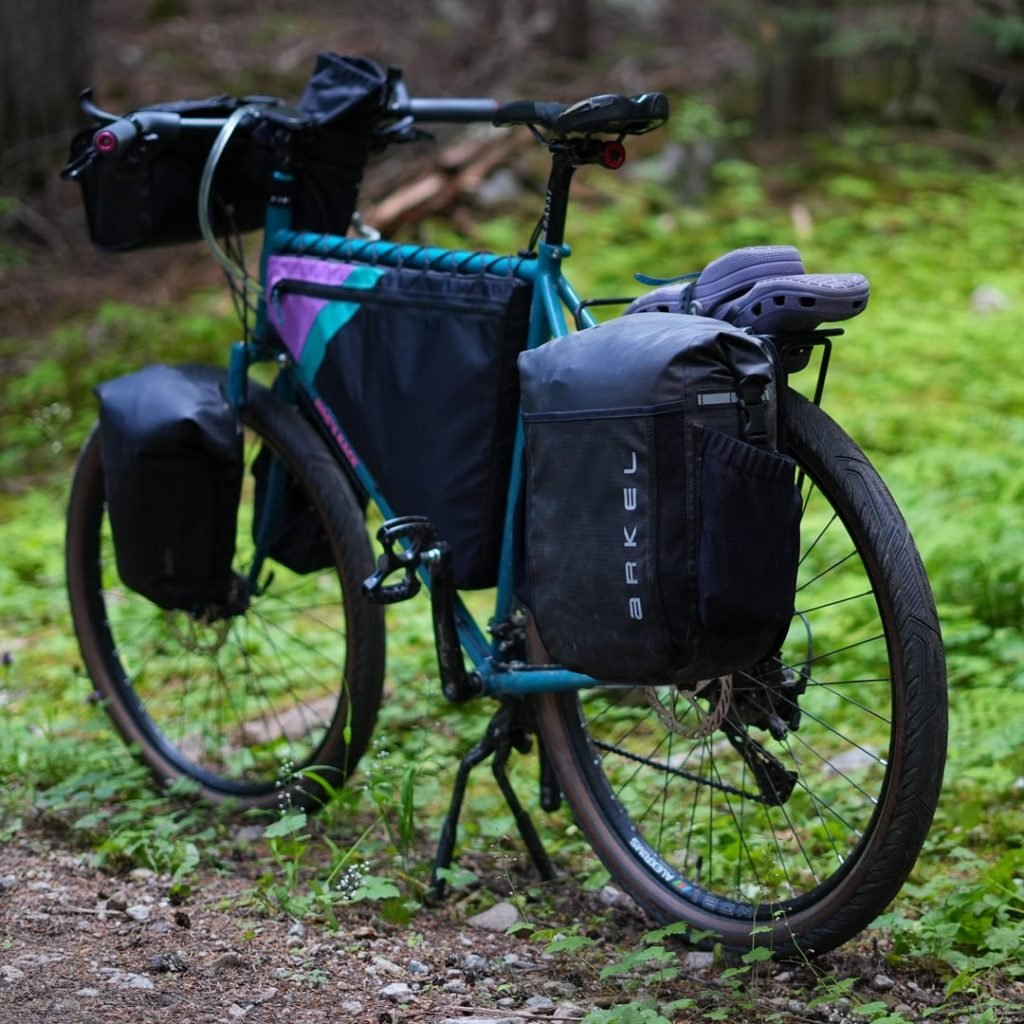
Packing your panniers for bike touring can feel overwhelming. You want to bring everything you need without overloading your bike or making your ride uncomfortable.
But what if you could pack smartly, save space, and keep your gear organized all at once? In this guide, you’ll discover simple, effective tips to pack your panniers like a pro. Whether it’s your first trip or your tenth, mastering this skill will make your journey smoother and more enjoyable.
Ready to learn how to pack right and ride light? Let’s dive in.
Choosing The Right Panniers
Types of panniersvary by design and use. Some are made for commuting, others for long trips. Choose based on your travel style and bike type.
Capacity and size matter. Small panniers hold 10-15 liters, good for daily rides. Larger ones can hold 20-40 liters, ideal for bike touring. Pick size to fit your gear needs without overloading.
Waterproof featuresprotect your belongings. Some panniers have waterproof fabric, others need rain covers. Look for sealed seamsand water-resistant zippersfor better protection.
Attachment systems keep panniers secure on your bike. Common types include hooks, clips, and straps. Choose a system that fits your bike rack and is easy to use.

Credit: carradice.co.uk
Planning Your Load
Start by packing only the essentials. Focus on items you will need daily, such as clothes, tools, and food. Avoid overpacking to keep your load light.
Balance the weight between the left and right panniers. Place heavier items at the bottom and close to the bike frame. This helps with stabilityand easier handling.
Keep important things like maps, snacks, and rain gear in panniers that are easy to reach. This prioritizes accessibilityand saves time during stops.
| Essentials to Pack | Balancing Weight Tips | Prioritizing Accessibility |
|---|---|---|
| Clothes for all weather | Heaviest items low and close | Items you use often on top |
| Food and water | Even weight on both sides | Keep rain gear handy |
| Bike tools and repair kit | Distribute tools evenly | Snacks within easy reach |
Packing Techniques
Distributing weight evenly helps keep the bike stable and easy to ride. Place heavier items low and close to the bike frame. Keep lighter items on top and at the edges. This balance stops the bike from tipping or wobbling.
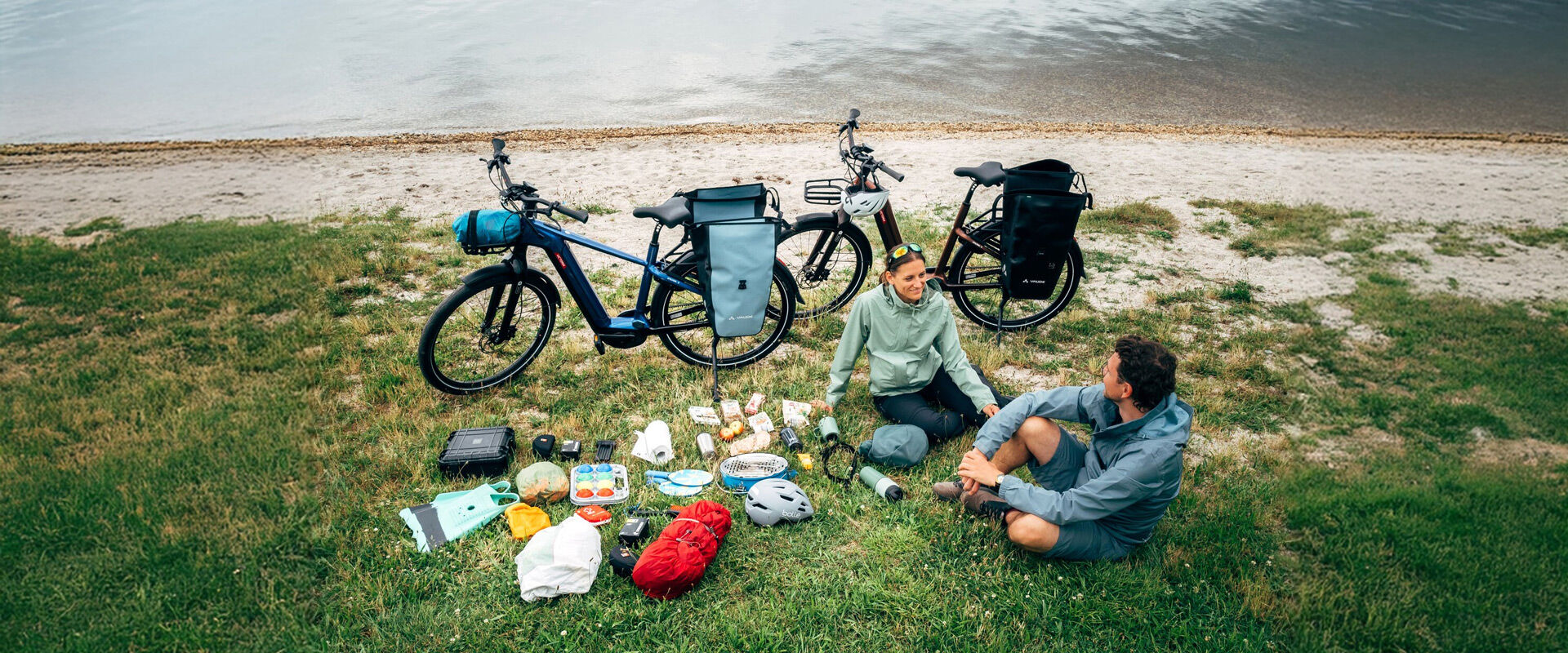
Packing cubes help organize gear inside panniers. Use cubes to separate clothes, tools, and food. Cubes save space and make it easier to find things fast. They also protect items from dirt and water.
- Use small bags or stuff sacks for loose items like cables and snacks.
- Tighten straps or cords to stop items from moving around.
- Place fragile items in the middle, cushioned by softer gear.
Organizing By Pannier
Left pannierusually holds heavy items. It helps keep balance on the bike. Place your tools, spare tubes, and pumphere. Store cooking gear and food suppliessafely too. Keep things organized for easy reach.
Right pannieris best for lighter items. Pack your clothes, rain gear, and toiletrieshere. Use waterproof bags to protect from rain. This keeps the bike steady and comfortable to ride.
Top and front pockets are great for small, quick-use items. Store maps, snacks, or a camera here. These pockets are easy to reach while riding. Keep essentials handy without stopping.
Maximizing Space
Roll your clothes tightly to save space. Use compression bagsto make them even smaller. This keeps your panniers neat. Avoid bulky clothes. Choose lightweight options instead.
Attach items outside with external straps. Secure sleeping bags and mats on top. This frees up more room inside. Ensure items are tightly fastened. Avoid loose straps that can catch while riding.
Place soft itemslike clothes at the bottom. Stack hard itemson top. This prevents damage. Keeps panniers balanced. Use packing cubes for better organization. They help keep things tidy.
Safety And Security
Locking your panniersadds extra protection. Use small padlocks or cable locks to secure zippers. Attach the lock to the bike frame for safety. This helps prevent theft during stops.
Using reflective gearmakes you visible at night or in low light. Stick reflective tape on your panniers. Wear reflective clothing or attach lights to your bike. This helps drivers see you clearly.
Protecting fragile itemsis important. Wrap breakables in bubble wrap or clothes. Place them in the center of the pannier to avoid bumps. Use padded bags or boxes for extra safety.
Maintenance Tips
Pack heavy items low and close to the bike for better balance. Use waterproof bags to keep gear dry and organize essentials for easy access.
Cleaning Panniers
Keep panniers clean to avoid dirt buildup. Use a damp cloth and mild soap. Gently scrub the fabric. Rinse with clean water. Make sure they dry completely. Moisture can cause mold.
Inspecting For Damage
Check panniers for any tears or holes. Look at the seams and zippers. Make sure they work well. Examine the straps and buckles. Tighten any loose parts. This helps avoid surprises on the road.
Repairing On The Road
Carry a small repair kit. Include patches for tears. Bring a needle and thread. Also pack some duct tape. It helps with quick fixes. Practice simple repairs before touring. It builds confidence.
Credit: www.victoria-bikes.com
Credit: www.victoria-bikes.com
Frequently Asked Questions
How Do I Organize Items In Bike Panniers Efficiently?
Organize panniers by weight and frequency of use. Place heavy items at the bottom near the bike frame. Store daily essentials in outer pockets for quick access. Use packing cubes to separate and protect gear inside panniers. This keeps your load balanced and easy to manage.
What Essential Gear Should I Pack In Panniers?
Pack lightweight clothing, repair tools, food, water, and a first aid kit. Include rain gear and navigation tools like maps or GPS. Bring a compact sleeping bag if camping. Prioritize multi-use items to save space and reduce weight for a smoother ride.
How Can I Prevent Panniers From Damaging My Bike?
Use padded pannier racks to protect your bike frame. Secure panniers tightly with straps or clips to avoid swinging. Balance weight evenly between sides to maintain stability. Regularly check attachment points during your ride to prevent damage or loss.
Should I Waterproof My Panniers For Bike Touring?
Yes, waterproof panniers protect your gear from rain and splashes. Use panniers with built-in waterproof materials or pack gear in dry bags inside. This prevents water damage, keeping your belongings dry and safe during unpredictable weather on your tour.
Conclusion
Packing panniers for bike touring takes some planning and care. Keep your gear balanced on both sides to ride smoothly. Use dry bags to protect clothes and electronics from water. Pack heavier items low and close to the bike frame.
Organize essentials for easy access during the trip. Take only what you need to avoid extra weight. With smart packing, your journey will be more comfortable and fun. Enjoy the ride and explore new places with confidence.



