
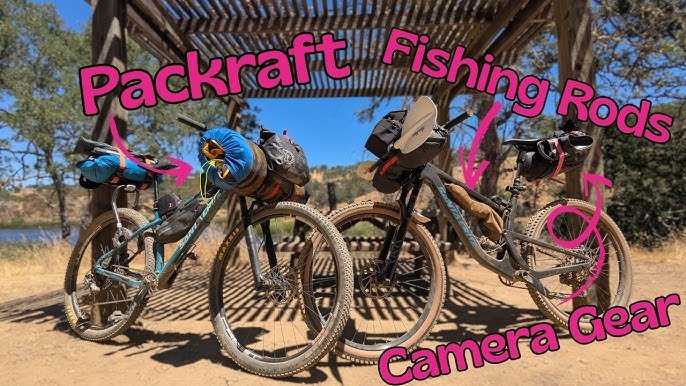
Planning a bikepacking trip and want to bring your fishing gear along? You might be wondering how to pack everything without making your bike heavy or bulky.
Packing fishing gear for bikepacking isn’t as tricky as it sounds. With the right tips, you can carry all your essentials safely and comfortably. Keep reading to discover smart, simple ways to pack your fishing gear so you can enjoy both the ride and the catch.
Choosing Lightweight Gear
Bikepacking trips need smart packing choices. Lightweight fishing gear keeps your bike easy to ride. Carry only what you really need.
Picking the right gear helps you catch fish without extra weight. Focus on tools that are small and strong.
Essential Fishing Tools
Bring only the most important tools. A small fishing knife, line clippers, and a hook remover are enough. Avoid bulky or heavy extras.
Compact Rods And Reels
Choose rods that break down into short pieces. Lightweight materials like carbon fiber work best. Pick reels that are small but durable.
- Telescopic rods save space and weight
- Spinning reels are easy to use and light
- Match rod length to your trip and fishing style
- Test gear before packing to avoid surprises
Minimal Tackle Selection
| Tackle Type | Recommended Quantity | Reason |
| Hooks | 5-10 | Cover different fish sizes |
| Soft baits | 3-5 | Versatile for many fish types |
| Sinkers | 3-4 | Adjust for water depth |
| Swivels | 2-3 | Prevent line twists |
| Floats | 2-3 | Help detect bites |

Credit: www.reddit.com
Selecting The Right Bag
Packing fishing gear for bikepacking trips needs careful planning. The right bag keeps gear safe and easy to reach.
Choosing a bag depends on your bike, gear size, and trip length. This guide helps you pick a good bag.
Types Of Bikepacking Bags
Bikepacking bags come in many styles. Each fits different parts of your bike and gear needs.
Common types include frame bags, handlebar bags, seat packs, and top tube bags. Use a mix for better balance.
- Frame bags:Fit inside the bike frame, good for heavy items.
- Handlebar bags:Mount on handlebars, easy to access small gear.
- Seat packs:Attach under the seat, hold clothes or tools.
- Top tube bags:Sit on the top tube, perfect for snacks or small tools.
Waterproof And Durable Options
Fishing gear must stay dry. Choose bags made from waterproof materials or with rain covers.
Durable fabrics resist tears and scratches. Look for reinforced seams and strong zippers for long trips.
- Waterproof fabrics like PVC or coated nylon
- Sealed or taped seams to stop water entry
- Heavy-duty zippers or roll-top closures
- Reinforced corners and attachment points
Organizing With Compartments
Good bags have compartments to keep gear sorted. This helps find items quickly on the trail.
Look for bags with several pockets or dividers. Use small bags inside to separate hooks, lines, and lures.
- Main compartment for rods or bigger gear
- Smaller pockets for tackle boxes and tools
- Mesh or clear pockets to see contents fast
- Easy-open zippers for quick access
Packing Techniques For Efficiency
Packing fishing gear for bikepacking trips needs careful planning. Efficient packing saves space and keeps gear safe.
Good packing helps balance your bike and makes riding easier. It also protects your equipment from damage.
Balancing Weight Distribution
Keep your bike stable by spreading weight evenly. Place heavier items low and close to the bike’s center.
This balance improves control and reduces fatigue on long rides. Avoid putting too much weight on one side.
- Pack heavy gear like tackle boxes near the bottom
- Distribute weight evenly between both sides of the bike
- Keep items close to the frame to lower the center of gravity
- Use frame bags and panniers to balance load
Protecting Fragile Items
Fragile gear like reels and electronics need extra care. Wrap them in soft cloth or bubble wrap before packing.
Place fragile items inside hard cases or padded bags. Keep them away from sharp or heavy objects.
- Use padded compartments or small boxes
- Wrap fragile items in clothes or foam
- Place fragile gear in the middle of your bags
- Secure items to avoid movement during the ride
Maximizing Space
Use small bags and organizers to keep gear tidy. Roll soft items to save space and reduce wrinkles.
Fill gaps with small tools or accessories. Use every inch of your bike bags wisely to carry more.
- Roll clothes and soft gear tightly
- Use packing cubes or small dry bags
- Fill empty spaces with lures or fishing line
- Keep frequently used items accessible

Credit: www.youtube.com
Securing Gear On The Bike
Packing fishing gear for bikepacking trips needs smart gear placement. Securing your items well keeps them safe and balanced.
Good packing stops gear from moving or falling off during rides. It also helps keep your bike steady on rough trails.
Using Frame Bags And Panniers
Frame bags fit inside your bike frame, using space efficiently. They keep gear close to the bike’s center for better balance.
Panniers hang on the sides of your bike rack. They hold larger or heavier items and free up space on the frame.
- Choose waterproof bags to protect gear from rain.
- Pack heavy items low and centered in panniers.
- Use smaller frame bags for tools and snacks.
- Secure all bags with straps or clips to stop movement.
Attaching Rod Holders
Rod holders keep fishing rods safe and easy to carry on your bike. They attach to the frame or handlebars securely.
Make sure the rod holder holds the rod tightly. It should stop the rod from swinging or hitting the bike.
- Use holders designed for bikepacking or DIY with strong straps.
- Attach rods so they do not block your pedals or wheels.
- Check rod holders often during your trip for tightness.
Strapping Techniques
Straps keep loose gear stable on your bike. Use them to hold items on racks, frames, or handlebars.
Use strong straps like Velcro, bungee cords, or ratchet straps. Make sure they are tight but not too tight to damage gear.
- Wrap straps around gear and bike parts securely.
- Place soft padding under straps to protect your gear.
- Double-check straps before every ride.
- Keep spare straps in case one breaks.
Safety And Accessibility
Packing fishing gear for bikepacking trips needs careful planning. Safety and easy access to your equipment are very important.
Organizing your gear well helps you stay prepared and avoid problems during your trip.
Quick Access To Essential Gear
Keep your most-used fishing tools where you can reach them fast. This saves time and keeps you safe while riding.
- Use handlebar bags for small tackle boxes and pliers.
- Store your fishing line and hooks in side frame bags.
- Keep your fishing license and first aid kit in a top tube bag.
- Place your fishing rod in a secure rod holder or strapped along the bike frame.
Protecting Against Weather
Fishing gear can get damaged by rain, sun, or dirt. Use waterproof bags and covers to protect your equipment.
| Gear Type | Protection Method |
| Rod and Reel | Waterproof rod tubes or plastic sleeves |
| Tackle Boxes | Sealed waterproof bags or hard cases |
| Clothing | Dry bags or waterproof stuff sacks |
| Electronics | Waterproof pouches or cases |
Preventing Gear Loss
Lost gear can ruin your trip. Secure all items tightly and check your gear often.
- Use strong clips and straps to fasten gear to your bike.
- Label your equipment with your name and contact information.
- Keep small items in zippered bags to stop them from falling out.
- Check all attachments before and during your ride.

Credit: www.reddit.com
Maintenance Tips On The Trail
Keeping your fishing gear in good shape is important during bikepacking trips. Proper care helps your gear last longer and work well.
Simple maintenance tasks on the trail can prevent bigger problems. Take time to care for your gear after each use.
Cleaning And Drying Gear
Clean your fishing gear to remove dirt, sand, and fish slime. Use fresh water to rinse rods, reels, and lines.
Dry your gear well to stop rust and mold. Air dry in the shade if possible. Avoid packing wet gear inside bags.
- Rinse all gear with fresh water
- Use a soft cloth to wipe off dirt
- Hang rods and lines to dry fully
- Keep gear away from direct sunlight
Fixing Common Issues
Small problems can stop your fishing quickly. Fix issues like tangled lines or stuck reels right away.
Carry a basic repair kit with pliers, extra line, and small tools. This kit helps fix most common gear problems.
- Untangle knots carefully to avoid line damage
- Lubricate reels with light oil if they stick
- Replace broken hooks or leaders immediately
- Tighten loose screws and parts
Storing Gear Overnight
Store your fishing gear safely to protect it from weather and animals. Use waterproof bags or containers.
Keep gear organized and off the ground. This helps prevent damage and makes packing easier the next day.
- Use dry bags to keep gear dry
- Store sharp tools in protective cases
- Place gear inside your bike bags or tent
- Elevate gear if the ground is wet
Frequently Asked Questions
How Do I Organize Fishing Gear For Bikepacking?
Start by categorizing gear by size and use. Use waterproof bags to protect rods, reels, and tackle. Pack heavier items low and close to the bike frame for balance. Prioritize compact and lightweight tools to save space.
What Fishing Gear Is Essential For Bikepacking?
Essential gear includes a lightweight rod, compact reel, assorted lures, and a tackle box. Don’t forget a fishing line, hooks, pliers, and a small knife. Choose gear that is durable and easy to carry on long rides.
How Can I Protect Fishing Gear From Weather?
Use waterproof or water-resistant bags and cases to shield gear. Wrap sensitive items in plastic or dry bags. Store gear away from direct rain and moisture. Always check weather forecasts and plan packing accordingly.
Where Should I Store Fishing Rods On My Bike?
Attach rods horizontally on the frame or in a rod tube mounted on the bike. Ensure rods are secure but accessible. Avoid placing rods where they may get damaged or interfere with bike handling.
Conclusion
Packing fishing gear for bikepacking trips takes careful planning. Keep your load light and organized. Choose gear that fits your space and meets your needs. Protect your rods and tackle from damage. Balance weight for easier riding and better control.
With these tips, your trip can be fun and stress-free. Ready to enjoy fishing on your next bike adventure? Just pack smart, ride safe, and fish well.



