
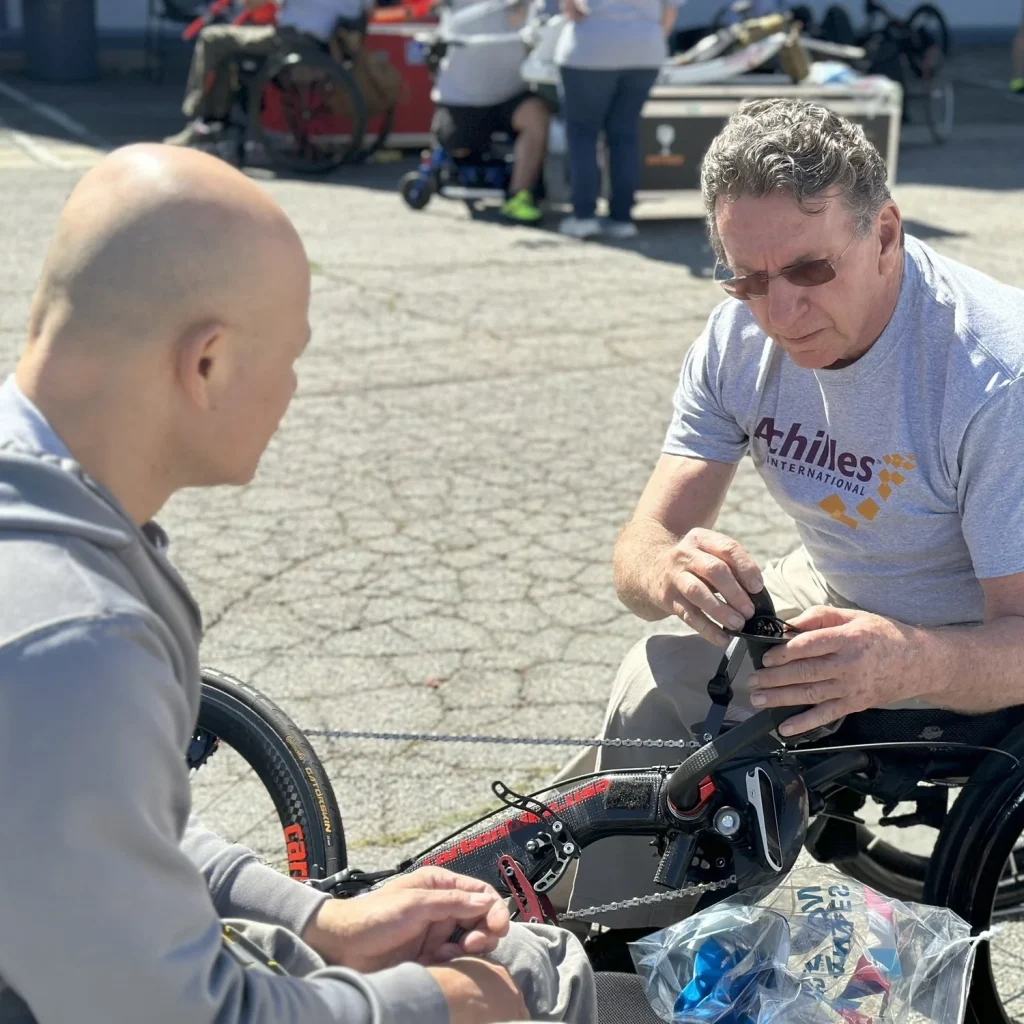
Are you ready to take your adaptive cycle on your next trip but unsure how to pack it safely and efficiently? Packing your adaptive cycle the right way can save you time, prevent damage, and make your travel experience smoother.
Whether you’re heading for a weekend getaway or a long vacation, knowing the best packing techniques will give you peace of mind. In this guide, you’ll discover simple, practical steps to protect your cycle and make your travel hassle-free. Keep reading to learn how to pack your adaptive cycle like a pro!
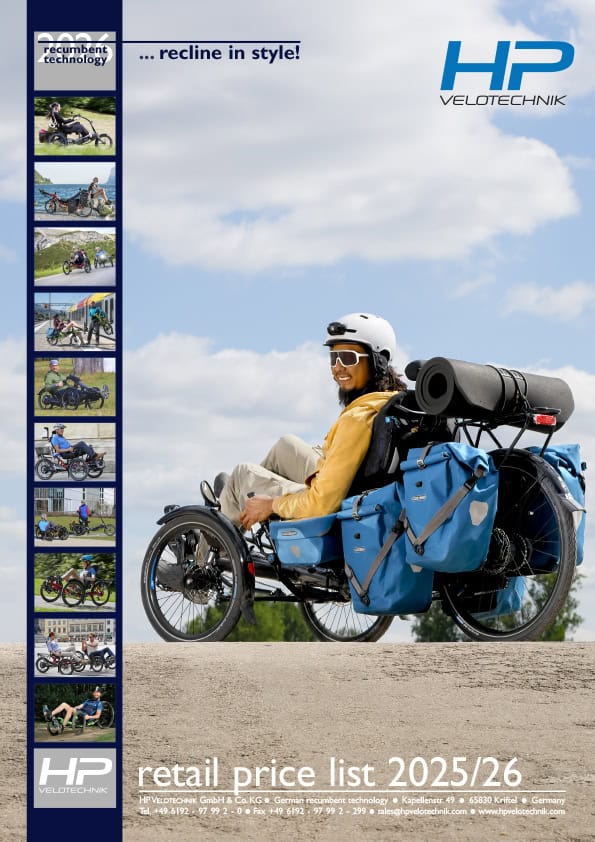
Credit: www.hpvelotechnik.com
Choosing The Right Adaptive Cycle
Packing an adaptive cycle for travel starts with choosing the right one. The right cycle fits your needs and travel plans.
Different adaptive cycles offer various features. Knowing these helps you pick the best cycle to pack and travel with.
Types Of Adaptive Cycles
Adaptive cycles come in many styles. Each type suits different physical abilities and riding preferences.
- Tricycles: Three wheels provide extra balance and stability.
- Handcycles: Powered by hand cranks, good for those with limited leg use.
- Tandem adaptive cycles: Allow a partner to assist in pedaling.
- Recumbent adaptive cycles: Sit-back style for comfort and support.
Features To Consider
Look for features that make packing and travel easier. These features also improve your riding comfort.
- Foldability: Cycles that fold save space in bags or cars.
- Weight: Lighter cycles are easier to carry and load.
- Adjustability: Adjustable seats and controls fit your body better.
- Durability: Strong frames resist damage during travel.
- Easy assembly: Quick setup helps at your travel destination.

Credit: bikepacking.com
Essential Packing Gear
Packing an adaptive cycle for travel needs careful planning. You need the right gear to protect and fix your cycle.
This guide covers must-have items to keep your cycle safe and ready to ride.
Protective Cases And Covers
Protective cases keep your adaptive cycle safe from damage. Choose a case that fits your cycle’s size and shape.
Covers protect your cycle from dust and scratches during travel. Use padded covers for extra safety.
- Hard shell cases guard against impacts
- Soft padded covers prevent scratches
- Waterproof covers protect from rain
- Lockable cases add security
Tools And Spare Parts
Carry basic tools to fix your adaptive cycle on the road. Small repairs keep your cycle working well.
Spare parts help replace broken or lost items quickly. Pack parts that wear out fast or break easily.
- Multi-tool with Allen keys and screwdrivers
- Patch kit for tires
- Spare inner tubes
- Extra brake pads
- Chain lubricant
- Small pump
Disassembly Techniques
Packing adaptive cycles for travel needs careful disassembly. This helps protect the bike and saves space.
Follow simple steps to remove parts safely. Use the right tools and keep parts organized.
Removing Wheels And Handlebars
Start with the wheels by releasing the quick-release levers or unscrewing the axle nuts. Gently lift the wheels out of the frame.
- Open quick-release levers or unscrew axle nuts
- Pull the wheel away from the bike frame
- Use a wrench if needed for stuck nuts
- Carefully place wheels in protective bags or covers
- Loosen the handlebar clamp bolts
- Turn the handlebars sideways or remove them completely
Keep bolts and small parts in labeled bags to avoid loss.
Detaching Pedals And Accessories
Use a pedal wrench to loosen pedals. Turn the left pedal clockwise and the right pedal counterclockwise to remove them.
| Accessory | Removal Tips |
| Water Bottle Holder | Unscrew mounting bolts carefully |
| Lights | Disconnect wires and remove mounts |
| Mirrors | Unscrew from handlebar ends gently |
| Bike Computer | Remove from mounts and unplug sensors |
Store pedals and accessories safely to avoid damage during travel.

Credit: ferlafamilybikes.com
Packing Strategies
Packing adaptive cycles for travel takes planning. You must protect parts and use space well.
Good packing keeps your cycle safe and makes travel easier. Use smart strategies to pack right.
Securing Fragile Components
Adaptive cycles have parts that break easily. You should wrap these parts carefully before packing.
Use bubble wrap or foam to cover fragile items. Keep them separate from heavy parts to avoid damage.
- Wrap mirrors, lights, and control panels individually
- Use padded bags or small boxes for delicate items
- Secure loose parts with tape or straps
- Place fragile items in the center of your packing case
Optimizing Space
Space is limited when you travel with adaptive cycles. Use every inch wisely to fit all parts.
Disassemble your cycle if possible. Stack parts neatly and fill empty gaps with soft items.
- Remove wheels and pedals to save space
- Place smaller parts inside the frame or bags
- Use packing cubes or bags to organize accessories
- Keep heavy items at the bottom for balance
Transport Tips
Packing adaptive cycles for travel needs care and planning. Proper transport helps avoid damage and delays.
Follow these tips to make your travel smoother when moving your adaptive cycle.
Handling With Airlines
Airlines have rules about carrying adaptive cycles. Check their policies before you travel to avoid surprises.
- Contact the airline ahead to declare your adaptive cycle.
- Use a hard case or padded bag to protect the cycle.
- Remove or secure any loose parts to prevent damage.
- Label your case with your contact information and “Fragile” stickers.
- Arrive early at the airport to allow extra time for check-in.
- Request assistance if you need help loading or unloading.
Using Ground Transportation
When using taxis, buses, or trains, keep your adaptive cycle safe and easy to carry.
| Transport Type | Packing Advice | Safety Tip |
|---|---|---|
| Taxi or Ride-share | Fold or disassemble if possible. Use a carrying bag. | Secure inside the vehicle to prevent movement. |
| Bus | Check if bicycles are allowed. Use a compact bag. | Keep the cycle close to you and avoid blocking aisles. |
| Train | Use a hard case or padded bag. Confirm bike rules on the train. | Store in designated bike areas or under your seat. |
Reassembly And Maintenance
Packing an adaptive cycle for travel is only half the task. Reassembly and maintenance keep it ready to ride.
Careful handling after travel protects your cycle’s parts and safety features. Follow simple tips for smooth reassembly.
Quick Reassembly Tips
Start by laying out all parts in a clean, flat area. This helps you find each piece quickly.
- Check the manual for your cycle model to follow the correct order.
- Use the right tools to avoid damaging screws or bolts.
- Tighten parts firmly but do not overtighten to avoid stripping threads.
- Reconnect cables and brakes carefully to ensure they work properly.
- Test moving parts like pedals and wheels before riding.
Post-travel Inspection
After reassembly, inspect the cycle to catch any damage or wear from the trip.
| Inspection Area | What to Check | Action Required |
| Frame | Cracks or dents | Repair or replace if damaged |
| Wheels | Alignment and air pressure | True wheels and inflate tires |
| Brakes | Pad wear and cable tension | Adjust or replace pads, tighten cables |
| Chain and Gears | Rust, lubrication, and shifting | Clean, lubricate, and adjust gears |
| Seat and Handlebars | Secure fitting and comfort | Tighten clamps and adjust position |
Frequently Asked Questions
How Do I Disassemble Adaptive Cycles For Travel?
Disassemble handlebars, pedals, and wheels carefully. Use proper tools to avoid damage. Keep small parts in labeled bags. Follow the manufacturer’s guide for safe disassembly. This makes packing compact and protects your adaptive cycle during travel.
What Materials Protect Adaptive Cycles During Travel?
Use padded bike bags, foam, and bubble wrap for protection. Cover sharp edges and delicate parts thoroughly. Secure loose components to prevent movement. Proper materials reduce damage risk and keep your adaptive cycle safe during transit.
Can I Carry Adaptive Cycles On Airplanes?
Yes, most airlines allow adaptive cycles as checked luggage. Check airline policies beforehand for size and weight limits. Use a durable travel case for protection. Inform the airline if your cycle requires special handling.
How To Pack Adaptive Cycles In Car Trunks?
Fold or disassemble parts to fit your trunk. Use blankets or foam padding to avoid scratches. Secure the cycle with straps to prevent shifting. Proper packing ensures safe transport and prevents damage during your trip.
Conclusion
Packing adaptive cycles for travel takes some care and planning. Start by cleaning and checking your cycle. Use soft materials to protect delicate parts. Disassemble larger sections to save space and avoid damage. Label each piece to make reassembly easier.
Secure small parts in bags or boxes. Choose a sturdy case or bag for transport. Taking these steps helps your cycle arrive safely and ready to use. Traveling with an adaptive cycle can be smooth and stress-free. Enjoy your trip and ride with confidence.



