
Imagine this: You’re all set for an exciting cycling adventure in a distant land, your road bike promising to be your trusty companion on this journey. But wait—how do you ensure that your prized possession arrives safely at your destination?
Packing a road bike for air travel might seem daunting, but it doesn’t have to be. You might be wondering about the best way to protect your bike from damage and avoid extra fees from airlines. Fear not, because this guide is here to help you breeze through the process with confidence.
From choosing the right materials to understanding the airline’s policies, we’ll walk you through each step. You’ll learn how to expertly disassemble and pack your bike, ensuring it stays in perfect condition throughout the flight. Don’t let the fear of damage hold you back from exploring new terrains. By the end of this article, you’ll be equipped with all the tips and tricks you need to pack your road bike like a pro, giving you peace of mind and leaving you free to focus on the thrill of the ride ahead. So, are you ready to dive in and discover how to make your bike travel-ready?
Preparing Your Bike For Packing
Packing a road bike for air travel involves careful disassembly and protection. Remove pedals, wheels, and secure the frame. Use bubble wrap and a bike box for added safety during transit.
Cleaning The Bike
First, wipe down the bike with a clean cloth. Remove dirt and grime from the frame. Pay attention to the chain and gears. These parts collect a lot of dirt. Use a soft brush for hard-to-reach areas. Make sure the bike is dry before packing. A clean bike prevents damage and keeps the case clean.
Inspecting For Damage
Check every part of your bike for damage. Look closely at the frame for cracks. Examine the tires for any punctures. Spin the wheels to ensure they are straight. Test the brakes and gears to ensure they work. Fix any problems before packing. Packing a damaged bike can worsen issues during travel.

Credit: m.youtube.com
Choosing The Right Bike Case
Hard cases offer strong protection for your bike. They have a solid shell. This shell can resist impacts during travel. They are heavier than soft cases. Soft cases are light and flexible. They are easier to carry. But they offer less protection. Choose based on your travel needs.
The size of the case matters. Your bike must fit inside comfortably. Measure your bike before buying a case. Check the airline’s size rules too. A case that’s too big might cost more to travel. Make sure all parts fit well.
Disassembling The Bike
Disassembling the bike is crucial for packing it for air travel. Remove the pedals, handlebars, and wheels. Carefully wrap each part to prevent damage during transit.
Removing Wheels
Remove the wheels by loosening the quick-release levers. Wheels should slide off easily. Keep the levers safe in a bag. Remember, tires should have less air for travel. This helps prevent popping.Detaching Handlebars
Loosen the bolts on the handlebars. Carefully remove them from the bike. Keep the bolts in a secure place. Wrap the handlebars in bubble wrap. This protects them from scratches.Taking Off Pedals
Use a pedal wrench to unscrew the pedals. Pedals can be tricky, so be patient. Turn one pedal counter-clockwise, the other clockwise. Store them in a small bag. This keeps them safe and easy to find. `Protecting Fragile Parts
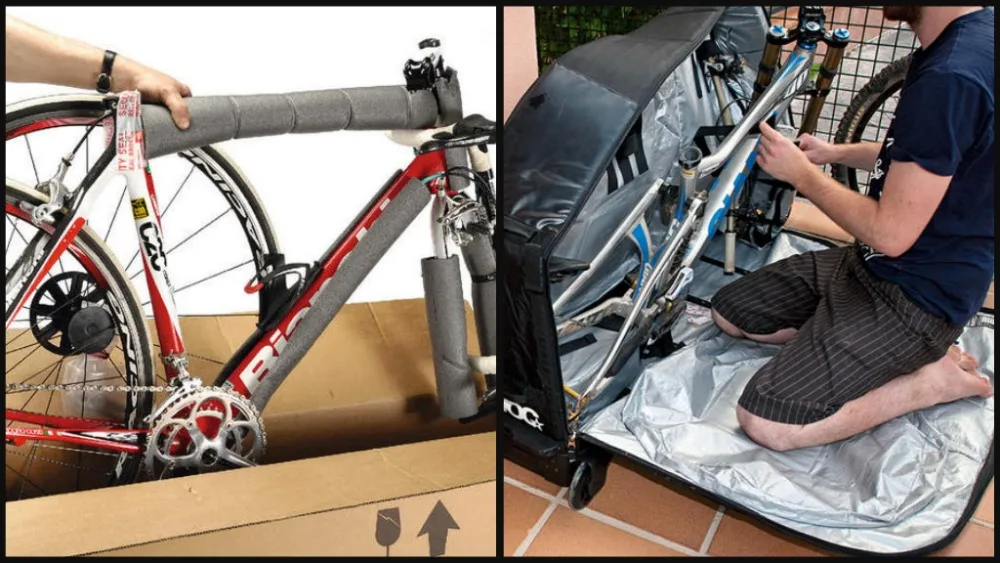
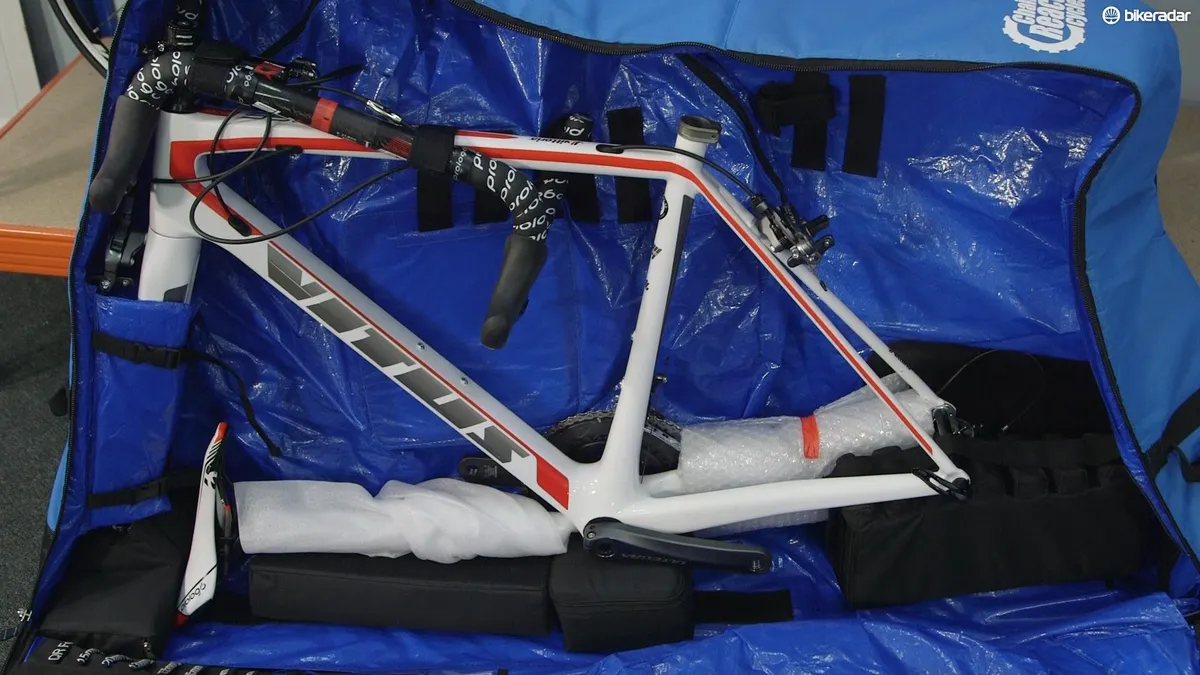
Start by removing the bike wheels. This helps in protecting the frame. Use a bike travel bag or box for safety. Place the frame in the center of the bag. Add foam padding around the frame. Secure the frame using straps provided in the bag. Ensure the frame is tightly held. This prevents movement during travel.
Remove pedals and handlebars. Wrap them in bubble wrap for extra protection. Place them safely in the bag’s side pockets. Use soft cloths to wrap the gear shifters. Protect the chain with a small towel. This prevents scratches on other parts. Double-check all parts are secure. No loose items should be in the bag. Ensure everything is snug and safe.
Packing The Bike Securely
Packing a road bike securely for air travel involves careful disassembly and protection. Use bubble wrap for delicate parts and secure the frame in a sturdy bike box. Label the box with your contact details for added security.
Organizing The Bike Parts
Take off the wheels first. Remove pedals and handlebars. Wrap each part in protective padding. Use bubble wrap or foam. Place small parts in zip-lock bags. Label each bag clearly. Keep screws and bolts together. Use tape to secure loose items. This helps keep parts safe.
Ensuring Stability
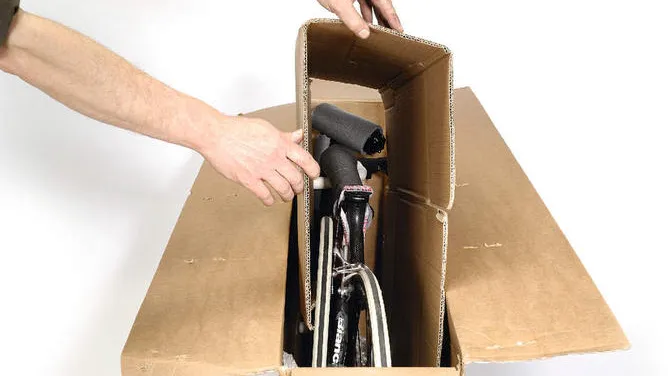
Place the frame in the center of the box. Surround it with padding. Add wheels on each side. Make sure everything fits snugly. Use extra padding to fill gaps. This stops parts from moving. Check the box is sturdy. Tape the box firmly closed. Shake the box lightly. Nothing should rattle inside.
Credit: www.bikeradar.com
Additional Packing Tips
Ensure your bike is clean before packing. Protect the frame with foam or bubble wrap. Secure loose parts like pedals and handlebars.
Labeling The Case
Always put a labelon your bike case. Write your nameand phone numberclearly. Use a bright stickerto make your case stand out. This helps if your case gets lost. Airportsare big, and many bags look the same. Adding a unique label can save time. You will not worry about mix-ups.
Including Essential Tools
Pack a small bag with essential tools. Include a multi-toolfor quick fixes. Bring a tire pumpand spare tubes. These tools help in case of emergencies. Keep them in an easy-to-reach spot. Make sure they follow airline rules. This way, you are always prepared for any surprises.
Navigating Airline Regulations
Preparing your road bike for air travel involves careful packing to meet airline regulations. Remove pedals, deflate tires, and use a bike box for protection. Secure loose parts to prevent damage during transit.
Understanding Baggage Policies
Airlines have different baggage policiesfor bikes. Some airlines charge extra fees. Others include bikes as part of your baggage allowance. Always check with your airline before packing. Knowing the rules helps avoid surprises.
Checking Weight Limits
Each airline has a weight limitfor luggage. Road bikes must be packed carefully to meet these limits. Use a lightweight bike bag to reduce weight. Weigh your packed bike before heading to the airport. This ensures you meet the airline’s requirements.
Credit: www.bikeradar.com
Unpacking And Reassembling
Prepare your road bike for air travel by carefully disassembling key components. Use a sturdy bike box to protect parts. Pack securely to prevent damage during transit.
Inspecting For Damage
Carefully check the bike parts for any visible damage. Look at the frame, wheels, and handlebars. Ensure there are no scratches or dents. Inspect the chain and gears for any bending or wear. Make sure the tires are not flat or punctured. Report any damage immediately to the airline.
Reattaching Components
Start with the handlebars and attach them securely. Check that they are aligned correctly. Fix the wheels back onto the bike frame. Tighten the bolts properly. Adjust the seat to the desired height. Ensure it is firmly attached. Recheck all connections to make sure they are tight. Test the brakes and gears for proper function.
Frequently Asked Questions
How To Take Your Road Bike On A Plane?
Pack your road bike in a hard-shell bike case. Remove pedals and handlebars for better fit. Check airline regulations for oversized luggage fees. Ensure proper padding to protect against damage during transit. Arrive early at the airport for smooth check-in.
How Much Does It Cost To Bring A Bicycle On A Plane?
Airlines charge $30-$150 for bringing a bicycle on a plane. Fees vary by airline and destination. Always check specific airline policies before booking. Proper packaging, like a bike box, is usually required.
Do You Need To Deflate Bike Tyres On A Plane?
Deflating bike tires slightly is recommended when flying. Changes in air pressure can cause tires to burst. Ensure they are not fully deflated to maintain shape and avoid damage. Always check with the airline for specific guidelines.
Can I Travel With My Bicycle On A Plane If It’s Not In A Bag?
Most airlines require bicycles to be packed in a bag or box for transport. Check specific airline policies.
Conclusion
Packing your road bike for air travel can seem daunting. But with careful planning, it’s manageable. Gather the right tools and materials first. Secure all parts tightly. Protect fragile components with padding. Use a strong bike box or bag. Double-check everything before sealing it up.
This ensures your bike arrives safely. Practice makes perfect, so don’t rush. Follow these steps, and you’ll travel with peace of mind. Enjoy your ride wherever you land. Safe travels and happy cycling!



