
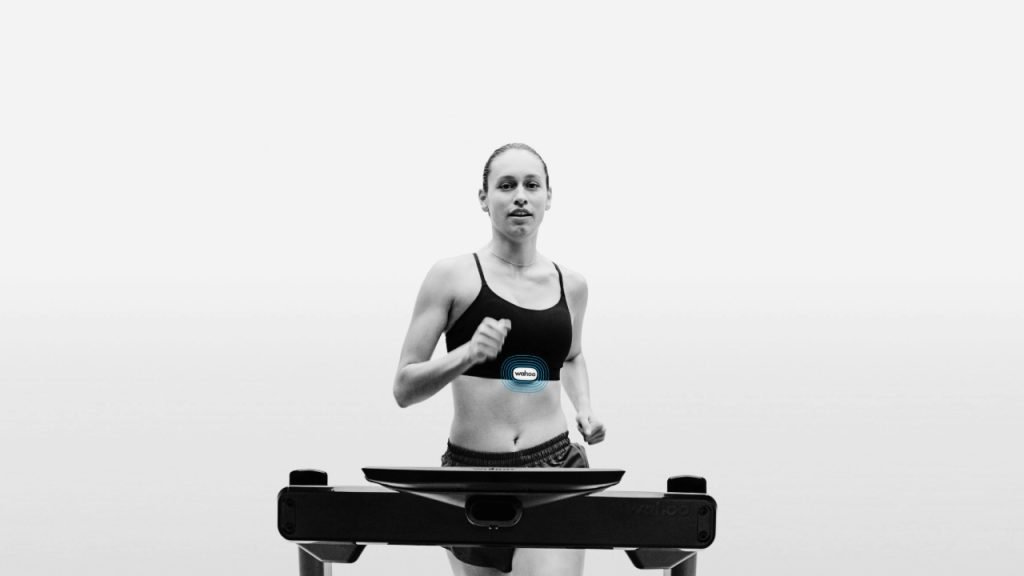
Are you ready to take your track training to the next level? Monitoring your heart rate can be the secret weapon that helps you train smarter, avoid injury, and boost your performance.
But how do you keep track of this vital number without getting overwhelmed? You’ll discover simple and effective ways to monitor your heart rate during track workouts. By understanding your body better, you’ll know exactly when to push harder and when to recover.
Keep reading, and unlock the key to training like a pro.
Credit: swolverine.com
Benefits Of Heart Rate Monitoring
Heart rate monitoringhelps athletes train smarter, not harder. It shows how hard the heart works during exercise. This helps enhance training efficiencyby keeping workouts in the right zone. Training too hard or too easy can slow progress.
Monitoring heart rate also plays a key role in preventing overtraining. Overtraining can cause tiredness, injuries, and illness. Watching heart rate helps spot signs of strain early. Rest can then be taken before problems start.
Tracking progress over timeis easier with heart rate data. Athletes can see if their fitness is improving by comparing heart rates at the same effort level. Lower heart rate at the same pace means better fitness.
Credit: www.cooperaerobics.com
Choosing The Right Heart Rate Monitor
Choosing a heart rate monitor depends on comfort, accuracy, and ease of use during track training. A reliable device helps track effort and improve performance effectively. Look for features like real-time data and durability for best results.
Wearable Devices Vs Chest Straps
Wearable devicesare easy to use and comfortable. They often come as wristbands or smartwatches. These monitors work well for casual training and daily use.
Chest strapsprovide more accurate readings. They sit close to the heart and catch signals better. Athletes who need precise dataprefer chest straps during intense workouts.
Accuracy And Features To Consider
- Accuracyis key for good training results.
- Look for monitors with real-time tracking.
- Some devices offer data syncingwith apps and phones.
- Consider battery lifeand comfort during exercise.
Budget-friendly Options
| Type | Price Range | Best For |
|---|---|---|
| Wearable Devices | $30 – $100 | Casual runners and daily users |
| Chest Straps | $40 – $120 | Serious athletes and precise data needs |
Heart Rate Zones For Track Training
Resting heart rate is the number of beats per minute when you are calm. Maximum heart rate is the highest your heart can beat during exercise. Knowing these helps set training zones.
| Zone | Heart Rate % of Max | Benefits |
|---|---|---|
| Fat Burn | 50%-70% | Helps burn fat and improve basic endurance |
| Endurance | 70%-80% | Builds aerobic fitness and stamina |
| Anaerobic | 80%-90% | Increases speed and power |
| Sprint | 90%-100% | Improves maximum effort and short bursts |
Training in these zones guides your effort. Fat burn and endurance zones last longer and feel easier. Anaerobic and sprint zones are short and intense. Track workouts mix these for best results.
Setting Up Your Heart Rate Monitor
Place the heart rate monitor snugly against your skin. It should sit just below your chest muscles. The strap must be tight enough to stay in place but not too tight to cause discomfort. Moistening the sensors helps improve signal quality. Avoid placing the monitor over thick clothing.
Calibrate the device by following the manufacturer’s instructions. Calibration ensures accurate readings. Some devices need you to enter age, weight, and fitness level. Regular calibration keeps the data reliable.
Connect the monitor to your phone or watch using Bluetooth. Most apps guide you through pairing steps. Check for updates to keep the software current. Test the connection before starting your training session.
Integrating Heart Rate Data Into Workouts
Monitoring heart rateduring warm-up and cool-down helps prepare and recover the body. Tracking heart rate keeps it in a safe and effective range. This prevents injury and helps muscles relax after training.
Interval training uses different heart rate targets. It boosts strength and stamina. Alternating between high and low heart rates trains the heart well. Knowing your target zones guides effort during each interval.
Adjusting intensity based on heart rate feedback keeps workouts balanced and safe. Lower heart rate means you can increase speed or effort. A high heart rate signals to slow down and rest. This helps avoid burnout and improves overall fitness.
Interpreting Heart Rate Data
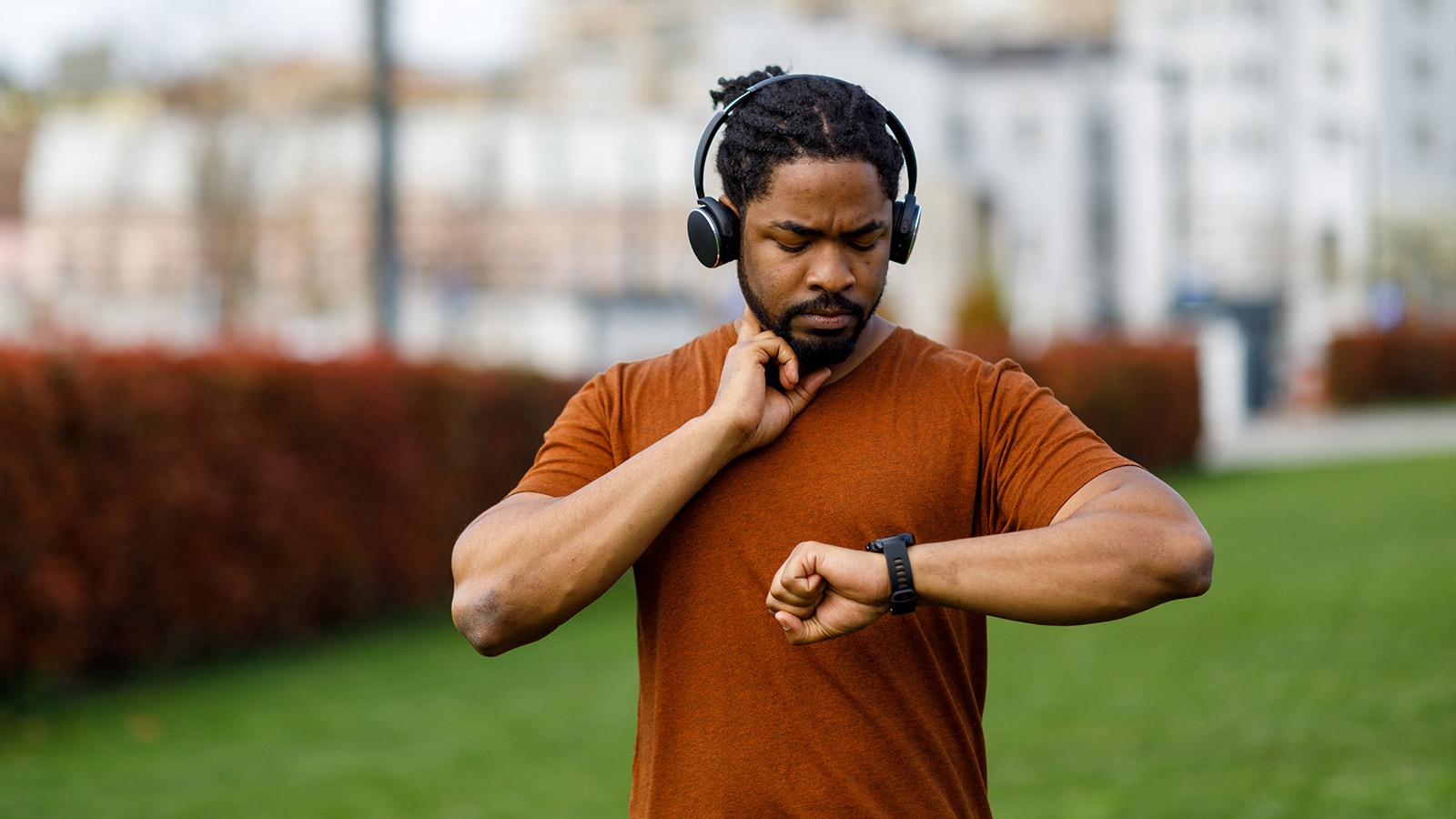
Tracking heart rate during training helps understand effort and recovery levels. Reading data shows when to push harder or rest. This guides better performance and prevents injury.
Identifying Signs Of Fatigue
Heart rate can show if you’re too tired. A very high heart rate means you’re pushing too hard. Feeling dizzy or very tired also shows fatigue. Always listen to your body. If you feel unwell, take a break. Rest helps your heart recover.
Recognizing Improvements In Fitness
Improvement shows when your heart rate drops during rest. A lower resting heart rate means your heart is stronger. You can exercise longer without getting tired. Celebrate small wins. Every improvement counts.
When To Seek Medical Advice
Watch for unusual heart rates. Too fast or too slow can be a problem. If you feel chest pain, see a doctor. Always be safe with your heart. Medical advice helps prevent bigger issues. Stay healthy and train smart.
Common Challenges And Solutions
Tracking heart rate during training can be tricky due to device errors or signal loss. Using reliable monitors and checking them regularly helps solve these issues. Understanding your heart rate zones improves training safety and effectiveness.
Dealing With Inaccurate Readings
Inaccurate readings can confuse runners. Check your device position first. Make sure it’s snug on your wrist. Avoid wearing it too loose or too tight. Clean the sensor area regularly. Sweat and dirt can affect the sensor. Stay still briefly when checking your heart rate. Movement can cause errors. If issues persist, consult your device manual.
Managing Device Comfort During Runs
Comfort is key during runs. Choose a soft strap for your device. Adjust it to fit well on your wrist. Avoid wearing it too tight to prevent skin irritation. Test different positions on your arm. Find a spot that feels comfortable. Always remove the device post-run to let your skin breathe.
Maintaining Consistent Usage
Consistency helps track progress. Wear the device for every run. Sync data regularly with your app. Review your stats weekly. Set reminders if needed. Keep your device charged. A dead battery means lost data. Log your workouts in a journal too. This helps track trends over time.
Advanced Tips For Experienced Athletes
Heart rate variability (HRV)shows how your heart adapts to stress and recovery. Tracking HRV helps to know when to train hard or rest. A low HRV may mean tiredness or stress. A high HRV usually means good recovery and readiness. Use HRV data to adjust workouts and avoid injury.
Combining GPS and heart rategives a clearer picture of training. GPS tracks speed, distance, and route. Heart rate shows effort level. Together, they help find if you push too hard or not enough. This helps in pacing during runs and making smart changes.
Plan periodized trainingby mixing easy, hard, and rest days. Use heart rate zones to set training intensity. This approach helps improve fitness without overtraining. Track progress by comparing heart rate data over weeks. Adjust plans based on how your body reacts.

Credit: escapecollective.com
Frequently Asked Questions
How Can I Measure Heart Rate During Track Training?
You can measure heart rate using wearable devices like chest straps or wrist-based monitors. These tools provide real-time data to optimize training intensity and recovery during your track sessions.
Why Is Monitoring Heart Rate Important In Running?
Monitoring heart rate helps you train within safe limits. It improves endurance, prevents overtraining, and tracks progress by showing how your heart responds to different intensities.
What Is The Ideal Heart Rate Zone For Track Training?
The ideal heart rate zone varies by fitness level but generally ranges between 60% and 85% of your maximum heart rate. Training within this zone maximizes cardiovascular benefits and performance.
How Often Should I Check My Heart Rate While Running?
Check your heart rate at regular intervals, such as every 5 to 10 minutes during training. Consistent monitoring ensures you stay within your target zones and avoid fatigue or injury.
Conclusion
Tracking your heart rate helps improve your running performance. It shows how hard your body works during training. You can adjust your pace to avoid fatigue or injury. Simple tools like heart rate monitors make this easy. Regularly checking your heart rate builds better endurance over time.
Stay consistent and listen to your body’s signals. This way, your training becomes safer and more effective. Keep your focus on progress, not just speed. Monitoring heart rate guides you to reach your fitness goals smartly.



