
This guide shows you how to measure bike stem length, angle, and steerer tube diameter with simple tools. Whether you’re upgrading or replacing, proper measurement ensures a safe, comfortable ride and better bike handling.
Key Takeaways
- Stem length affects handling: A longer stem increases reach and stability, while a shorter one improves responsiveness and control.
- Angle impacts riding posture: A higher angle raises handlebars for comfort; a lower angle leans you forward for speed.
- Steerer tube diameter must match: Most modern bikes use 1 1/8″ (28.6mm), but older models may use 1″ or 1.25″.
- Use a ruler or caliper: Measure stem length from center of steerer tube bolt to center of handlebar clamp.
- Check compatibility before buying: Ensure new stem matches your bike’s steerer tube, handlebar diameter, and intended use.
- Take photos before removing: Helps you remember how parts were assembled and aligned.
- When in doubt, consult a pro: A bike shop can help verify measurements and recommend the best stem for your needs.
Why Measuring Your Bike Stem Matters
Your bike stem is the crucial link between the handlebars and the steerer tube of your fork. It plays a major role in how your bike feels—whether it’s responsive, stable, comfortable, or twitchy. Getting the right stem length and angle can improve your control, reduce fatigue, and make riding more enjoyable. Whether you’re upgrading for performance or replacing a damaged part, knowing how to measure bike stem correctly is essential.
Many riders overlook the stem when making adjustments, focusing instead on saddle height or tire pressure. But even small changes in stem length or angle can dramatically affect your riding position. For example, a stem that’s too long can stretch you out uncomfortably, while one that’s too short may make the bike feel unstable at high speeds. By learning to measure your stem accurately, you take control of your bike’s fit and performance.
Tools You’ll Need
Measuring your bike stem doesn’t require fancy equipment. Here’s what you’ll need:
Visual guide about How to Measure Bike Stem
Image source: sp-ao.shortpixel.ai
- A flexible tape measure or ruler (preferably metal for accuracy)
- A digital caliper (optional but helpful for precise measurements)
- A marker or piece of tape (to mark reference points)
- A smartphone or camera (to take reference photos)
- Allen keys (to remove the stem if needed)
Most of these tools are likely already in your garage or toolbox. If you don’t have a caliper, a standard ruler will work fine for most measurements.
Step 1: Identify Your Stem Type
Before measuring, it’s important to know what kind of stem you have. There are two main types: threadless and threaded.
Visual guide about How to Measure Bike Stem
Image source: mrmamil.com
Threadless Stems
Most modern bikes—road, mountain, and hybrid—use threadless stems. These clamp directly onto the steerer tube above the headset. They’re lightweight, easy to adjust, and allow for quick handlebar height changes. You’ll recognize them by the single bolt (or two bolts on some models) that secures the stem to the steerer tube.
Threaded Stems
Older bikes, especially vintage road bikes or city bikes, may have threaded stems. These screw into the steerer tube and are adjusted by turning a bolt on top of the stem. They’re less common today but still found on classic models. Measuring a threaded stem is slightly different, so identifying your type is the first step.
Step 2: Measure Stem Length
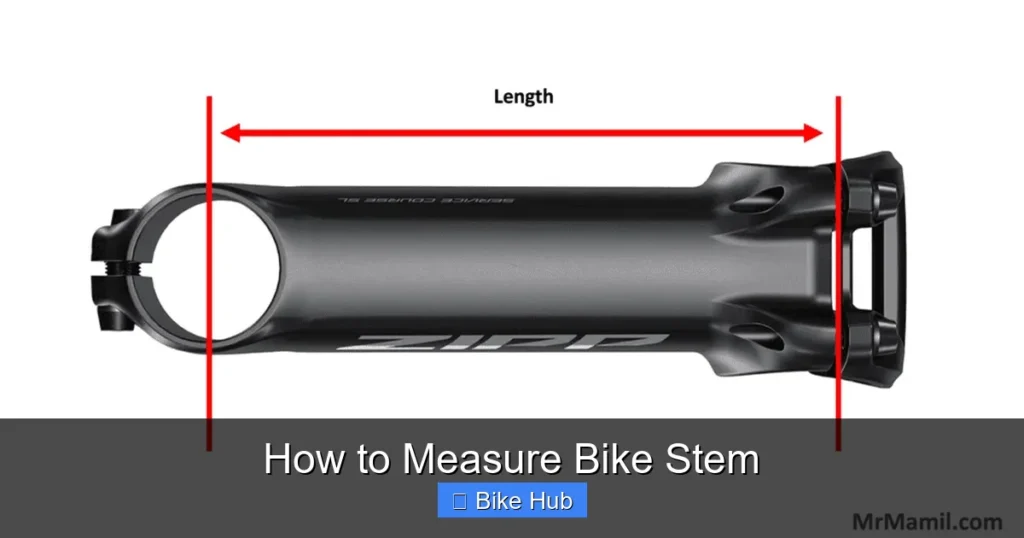
Stem length is the distance from the center of the steerer tube clamp bolt to the center of the handlebar clamp. This measurement determines how far your handlebars extend from the front wheel.
How to Measure
- Locate the center of the bolt that clamps the stem to the steerer tube. This is usually on the front or side of the stem.
- Find the center of the handlebar clamp—the part that wraps around your handlebars.
- Use a ruler or tape measure to measure the straight-line distance between these two points.
- Record the measurement in millimeters (mm). Most stems range from 60mm to 130mm.
For example, if the distance is 90mm, you have a 90mm stem. This is a common length for road bikes, offering a balanced reach.
Pro Tip
If your stem has a slight rise or drop, measure along the centerline of the stem body, not along the curve. This ensures accuracy.
Step 3: Measure Stem Angle
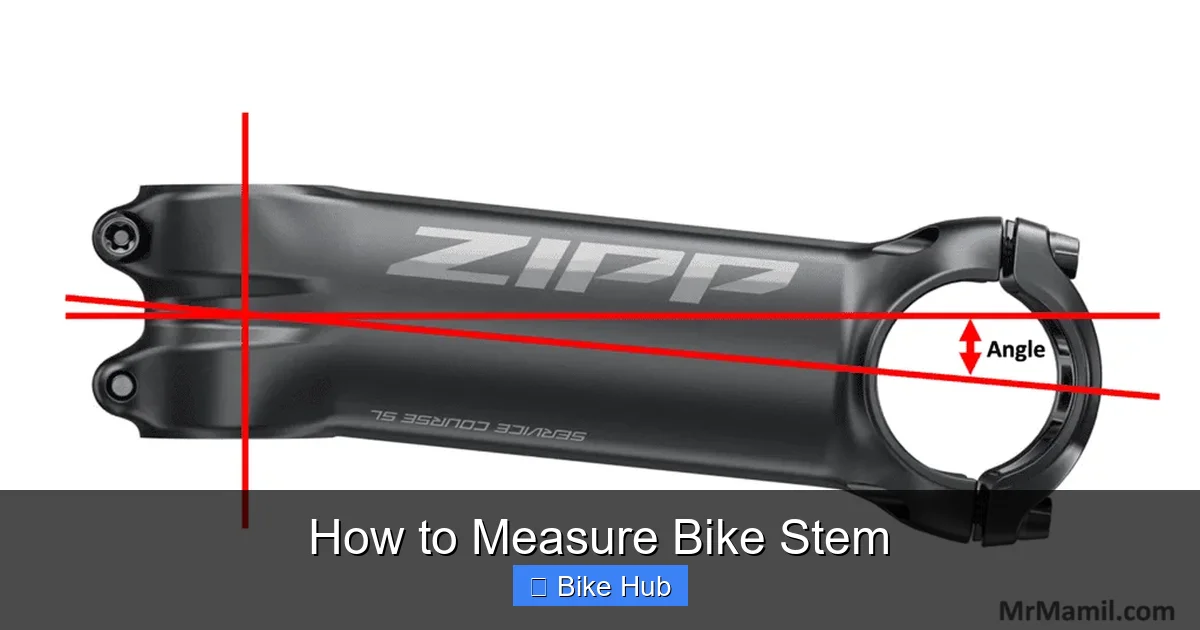
The angle of your stem affects your riding posture. A positive angle raises the handlebars; a negative angle lowers them. Most stems are labeled with their angle, but you can measure it yourself if needed.
How to Measure
- Use a protractor or angle finder tool. Place it against the stem body and the horizontal plane of the ground.
- Read the angle where the stem rises or drops from horizontal.
- Common angles include +6°, +10°, +17°, and -6°. Some stems are reversible, offering two angles in one.
For instance, a +10° stem raises the bars slightly, ideal for comfort on long rides. A -6° stem drops the bars for a more aerodynamic position.
Alternative Method
If you don’t have an angle finder, compare your stem to a known reference. Many online retailers list stem angles in product descriptions. You can also take a side photo and use photo editing tools to estimate the angle.
Step 4: Measure Steerer Tube Diameter
The steerer tube is the part of the fork that inserts into the bike’s head tube. Your stem must match its diameter to fit properly.
Common Sizes
- 1 inch (25.4mm): Found on older or vintage bikes.
- 1 1/8 inch (28.6mm): Standard on most modern road, mountain, and hybrid bikes.
- 1.25 inch (31.8mm): Less common, used on some downhill or fat bikes.
To measure, use a caliper or ruler across the outside of the steerer tube (above the headset). Most riders can identify 1 1/8″ by eye, but measuring ensures accuracy.
Why It Matters
Using a stem with the wrong steerer tube diameter can damage your fork or cause unsafe handling. Always double-check this measurement before buying a new stem.
Step 5: Measure Handlebar Clamp Diameter
Your stem must also match the diameter of your handlebars. Most stems are designed for specific clamp sizes.
Common Handlebar Diameters
- 25.4mm: Older mountain bikes and some city bikes.
- 31.8mm: Standard on modern mountain, road, and gravel bikes.
- 35mm: Used on some high-end mountain bikes for added stiffness.
Measure the center section of your handlebars where the stem clamps. Use a caliper for precision. If your handlebars are labeled (e.g., “31.8”), that’s your clamp diameter.
Tip
Some stems come with shim kits to fit multiple diameters. Check the product details if you’re unsure.
Troubleshooting Common Issues
Even with careful measurement, problems can arise. Here’s how to handle common issues:
Stem Won’t Fit the Steerer Tube
If your new stem doesn’t slide onto the steerer tube, double-check the diameter. A 1 1/8″ stem won’t fit a 1″ tube. You may need a shim or a different stem.
Handlebars Feel Too High or Low
This is often due to stem angle. Try a stem with a higher or lower rise. Alternatively, adjust spacers under the stem (on threadless systems) to fine-tune height.
Bike Feels Unstable or Twitchy
A stem that’s too short can make steering feel nervous. Consider a slightly longer stem for more stability, especially on road or touring bikes.
Stem Slips or Creaks
This usually means the bolts aren’t tight enough or the surfaces aren’t clean. Remove the stem, clean the steerer tube and clamp, and tighten bolts to the manufacturer’s torque specification.
When to Replace Your Stem
You might need a new stem if:
- Your current stem is damaged or cracked
- You’re changing your riding style (e.g., from racing to touring)
- You want a more comfortable or aerodynamic position
- You’re upgrading to a different handlebar type
Replacing a stem is a simple upgrade that can make a big difference. Just remember to measure carefully and choose a compatible model.
Final Tips for a Perfect Fit
- Take photos before disassembling your stem. This helps you remember how everything fits together.
- Write down all measurements before shopping. Keep them in your phone or bike journal.
- Consider your riding goals. A shorter stem improves maneuverability for mountain biking; a longer one suits road racing.
- If you’re unsure, visit a local bike shop. They can measure your stem and recommend the best replacement.
Conclusion
Knowing how to measure bike stem length, angle, and clamp sizes empowers you to make informed upgrades and adjustments. With just a few tools and a little patience, you can fine-tune your bike’s fit for better comfort, control, and performance. Whether you’re a weekend rider or a daily commuter, the right stem makes every ride more enjoyable. Take the time to measure correctly, and your bike will thank you with smoother, safer rides.



