
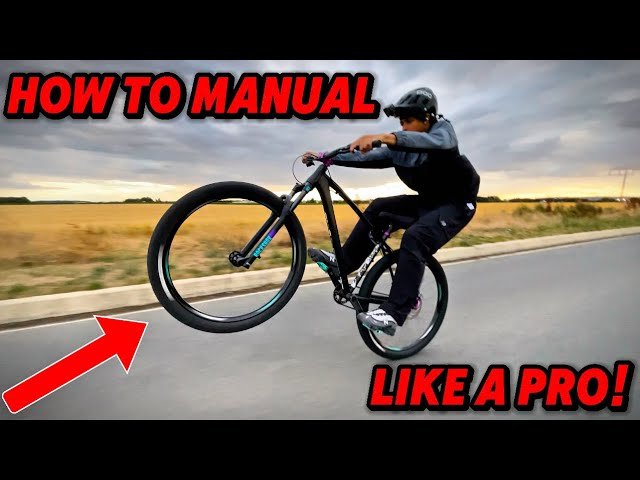
If you want to take your dirt jumping skills to the next level, learning how to manual your bike is a game-changer. Imagine gliding over rough terrain with control and style, making your jumps smoother and your landings cleaner.
You might think manuals are hard to master, but with the right steps, you’ll be pulling them off in no time. This guide will break down exactly how you can manual your dirt jump bike, so you stay balanced, confident, and ready to impress.
Ready to boost your ride and turn heads at the dirt track? Keep reading, because this is where your riding gets seriously better.

Credit: www.youtube.com
Choosing The Right Dirt Jump Bike
Picking the right dirt jump bike helps you ride better and safer. You should think about the bike’s parts and size before buying.
Good choices make it easier to learn manual tricks and jump smoothly on dirt tracks.
Frame And Suspension Types
Dirt jump bikes usually have strong frames made from aluminum or steel. These materials handle big jumps and rough landings well.
Most dirt jump bikes use hardtail frames. This means they have no rear suspension. This keeps the bike light and easy to control.
- Aluminum frames are light and stiff for better control.
- Steel frames are heavier but very durable.
- Hardtail frames give quick response on jumps.
- Full suspension is rare because it adds weight and complexity.
Wheel Size And Tires
The wheel size affects how the bike feels on dirt. Most dirt jump bikes have 24 or 26-inch wheels.
Tires should be wide with good tread for grip on dirt and loose surfaces. Slick tires are not good for dirt jumps.
- 24-inch wheels are lighter and easier to spin.
- 26-inch wheels roll over obstacles better.
- Choose tires with knobs for traction.
- Width between 2.3 and 2.5 inches is common.
Brakes And Gearing
Strong brakes help you stop quickly after landing jumps. Most dirt jump bikes use disc brakes for reliable stopping power.
Gearing on dirt jump bikes is simple. Many have only one gear to reduce weight and maintenance.
- Hydraulic disc brakes offer good control in all conditions.
- Mechanical disc brakes are easier to fix but less powerful.
- Single-speed gearing is common and easy to use.
- Some bikes have a few gears for varied terrain.
Essential Safety Gear
Riding a dirt jump bike can be thrilling and fun. Wearing the right safety gear helps protect your body from injuries. It also gives you confidence to try new jumps.
Focus on three main areas for safety: helmet and pads, gloves and shoes, and protective clothing. Each part plays an important role in keeping you safe.
Helmet And Pads
Always wear a helmet that fits well and meets safety standards. Pads for knees, elbows, and shins protect your joints from scrapes and impacts. They help reduce pain and serious injury.
- Choose a full-face helmet for better face protection
- Use thick knee and elbow pads with hard shells
- Wear shin guards if your jumps are large or technical
- Check gear regularly for damage and replace when needed
Gloves And Shoes
Gloves improve your grip and protect your hands from blisters and cuts. Shoes should have stiff soles and good ankle support. They help control the bike and protect your feet.
| Gear | Purpose |
| Gloves | Grip control, hand protection |
| Stiff-soled Shoes | Better pedal grip, foot safety |
| Ankle Support | Prevents twists and sprains |
Protective Clothing
Wear long sleeves and pants made from tough materials. They protect your skin from cuts, scrapes, and sunburn. Choose clothes that allow free movement and breathe well.
- Long-sleeved jersey or shirt made of synthetic fabric
- Durable pants or shorts with padding
- Clothing that fits well but is not too tight
- Bright colors for better visibility
Basic Manual Technique
Manualing a dirt jump bike helps you ride smoothly over jumps. It means lifting the front wheel without pedaling.
This technique improves control and balance while riding. Practice the basics to get comfortable with manuals.
Body Position And Balance
Keep your body low and centered over the bike. Bend your knees and elbows slightly to stay flexible.
Look forward, not down. This helps keep your balance during the manual.
Weight Distribution
Shift your weight back to lift the front wheel. Use your hips to move weight over the rear wheel.
Avoid leaning too far back or forward. Find a balance point where the front wheel stays up without tipping over.
- Lean back slightly from your hips
- Keep your weight centered over the rear wheel
- Adjust weight with small movements to stay balanced
Using Your Arms And Legs
Pull up on the handlebars with your arms to raise the front wheel. Keep your arms firm but not locked.
Use your legs to absorb bumps and keep the bike steady. Push down slightly with your legs to control the bike’s movement.
- Pull handlebars up with controlled force
- Bend elbows to help absorb shocks
- Use legs to keep balance and control
Practicing On Flat Ground
Learning to manual a dirt jump bike takes time and practice. Flat ground is the best place to start. It helps you focus on balance without worrying about speed or obstacles.
Practicing on flat ground builds your confidence. It also improves your control over the bike before trying jumps or ramps.
Starting The Manual
To begin a manual, shift your weight back while pedaling slowly. Keep your arms straight and pull the handlebars up gently. This lifts the front wheel off the ground.
Look forward, not down. Find a comfortable speed before lifting the front wheel. Practice this motion several times to get used to it.
Maintaining The Balance
Once the front wheel is up, keep your body low and centered. Use your rear brake lightly to control your balance. Small movements help you stay steady.
- Keep your eyes focused ahead
- Use your legs to absorb movement
- Adjust pressure on the rear brake gently
- Practice holding the manual for longer distances
Landing Smoothly
When you finish the manual, lower the front wheel gently. Bend your knees to absorb the landing. This keeps the bike stable and prevents falls.
Practice landing smoothly many times. It helps you stay safe and ready for jumps later on.
Common Mistakes To Avoid
Manualing a dirt jump bike takes practice and good habits. Avoiding common mistakes helps you ride smoother and safer.
Some errors can cause loss of control or missed jumps. Learn what to watch for and how to fix these mistakes.
Leaning Too Far Back
Leaning too far back shifts your weight off the bike’s center. This makes it harder to balance and control the jump.
Keep your body centered over the bike. Bend your knees and elbows to stay flexible and ready to react.
Looking Down Instead Of Ahead
Looking down causes you to lose focus on the landing and the path ahead. It can make you land off balance or miss your line.
- Keep your eyes forward, scanning the trail
- Focus on where you want to land
- Trust your body to handle the jump
Overusing The Brakes
Using brakes too much during a jump can cause the bike to slow suddenly or tip forward. This leads to crashes or bad landings.
| Brake Mistake | What Happens | How to Fix |
| Grabbing front brake | Bike flips forward | Use rear brake gently |
| Using brakes mid-air | Loss of control | Release brakes when jumping |
| Riding with brakes always on | Slower speed and poor jump | Maintain steady speed before jump |

Credit: www.youtube.com
Progressing To Small Jumps
Learning to manual on a dirt jump bike helps you keep speed and control. It makes your ride smoother over small jumps.
Practicing manuals before jumps builds balance and confidence. This guide shows how to carry a manual over small jumps.
Approach And Takeoff
Ride toward the jump at a steady speed. Keep your body relaxed and ready to shift weight.
Before the takeoff, pull the front wheel up. Use your arms and body to lift the bike smoothly.
- Look ahead, not down at the jump
- Keep your pedals level
- Shift weight back slightly to raise the front wheel
- Use a firm but gentle pull on the handlebars
Carrying The Manual Over The Jump
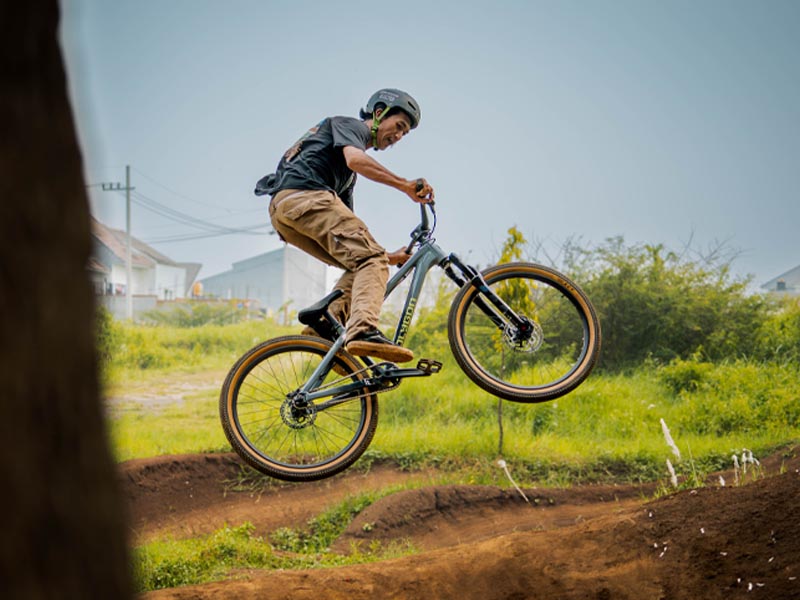
Hold the manual as you fly over the jump. Keep your balance by controlling the rear brake and body position.
Keep your eyes on the landing spot. Use small adjustments to keep the bike steady in the air.
- Keep your arms and legs slightly bent
- Apply light pressure on the rear brake to control the front wheel height
- Stay centered over the bike
- Focus on smooth movements, not sudden shifts
Landing And Recovery
Prepare to land by lowering the front wheel gently. Absorb impact with your arms and legs.
Once you land, shift your weight forward to regain full contact with the ground. Pedal away smoothly.
- Keep your eyes on the trail ahead
- Use your legs as shock absorbers
- Release the rear brake after landing
- Maintain a steady pedaling rhythm
Improving Control And Confidence
Learning to manual a dirt jump bike takes practice and patience. It helps you ride smoother and feel more in control. This guide shares drills to build your skills step by step.
Try the drills often to improve balance and speed control. Adding manuals to your rides will boost your confidence on the bike.
Balance Drills
Good balance is key to holding a manual. Start by practicing on flat ground. Use these drills to find your center of gravity and keep steady.
- Ride slowly in a straight line while lifting the front wheel slightly.
- Try to hold the manual for a few seconds before putting the front wheel down.
- Practice shifting your weight back and forth to stay balanced.
- Use cones or markers to create a short manual course.
Speed Variation
Controlling your speed helps maintain the manual longer. Ride at different speeds to learn how it affects your balance. Slow speeds demand more control.
| Speed | Effect on Manual |
| Slow | Harder to balance, need precise control |
| Medium | Better control, easier to hold manual |
| Fast | More momentum, but harder to adjust balance |
Incorporating Manuals Into Rides
Use manuals during your regular rides to build confidence. Add them before jumps or over small obstacles. This helps you stay balanced and ready.
- Look for flat sections where you can practice manuals comfortably.
- Try manuals after corners to improve bike control.
- Use manuals to link features on the trail smoothly.
- Practice stopping manuals safely to avoid crashes.
Credit: www.polygonbikes.com
Troubleshooting Challenges
Manualing a dirt jump bike can be tough at first. Riders often face problems like front wheel dips and rear wheel drops.
Fixing these issues improves your control and helps you ride better. Small bike adjustments also make a big difference.
Fixing Front Wheel Dips
Front wheel dips happen when the front wheel drops too low during a manual. This can cause you to lose balance.
To fix this, shift your weight slightly back and keep your arms relaxed. Pull the handlebars up smoothly.
- Lean back more to lift the front wheel
- Keep your arms loose and avoid stiff movements
- Practice pulling the bars up gently
Avoiding Rear Wheel Drops
Rear wheel drops happen when the back wheel falls too low during a manual. This causes you to lose speed and control.
Stop leaning too far back and keep your front wheel higher. Use your legs to balance the bike better.
- Shift your weight forward slightly
- Keep the front wheel up by pulling the bars
- Use your legs to keep the bike level
Adjusting Bike Setup
Bike setup affects how easy it is to manual. Adjust your seat, handlebars, and tire pressure for better control.
Lower the seat to avoid hitting it when manualing. Set handlebars at a comfortable height. Check tire pressure for good grip.
- Lower seat height for more clearance
- Raise or lower handlebars for comfort
- Keep tire pressure medium for traction
- Ensure brakes work well without sticking
Frequently Asked Questions
What Is Manualing On A Dirt Jump Bike?
Manualing means lifting the front wheel while riding without pedaling. It helps maintain balance and control over jumps and obstacles.
How Do I Start Learning To Manual?
Begin by shifting your weight back and pulling the handlebars up gently. Practice balancing on the rear wheel while rolling slowly.
Why Is Manualing Important For Dirt Jump Bikes?
Manualing improves bike control, balance, and jump distance. It allows smoother landings and helps execute tricks more effectively.
What Common Mistakes Should I Avoid When Manualing?
Avoid leaning too far back or pulling the handlebars too hard. Keep your eyes forward and maintain a steady speed for balance.
Conclusion
Manualing a dirt jump bike takes practice and patience. Start slow and focus on balance first. Keep your body relaxed and eyes ahead. Small lifts build confidence and control. Practice on smooth, flat ground before trying jumps. Stay safe by wearing proper gear every time.
Enjoy the ride and have fun learning. Each session brings better skills and more control. Keep trying, and you will improve steadily. Dirt jumping becomes easier with time and effort.



