
Picture this: You step out of a café after a relaxing afternoon, only to find your bike missing. That sinking feeling is all too familiar for many cyclists.
But what if you could prevent this from happening to you? Making your bike theft-proof might seem like a daunting task, but it’s simpler than you think. Imagine having peace of mind every time you park your bike, knowing you’ve taken the right steps to keep it safe.
You’ll discover practical and easy-to-implement strategies that will make your bike a fortress against theft. Let’s dive into the secrets of securing your ride so you can enjoy your cycling adventures without worry.
Choosing The Right Lock
Selecting a strong lock is essential for bike security. Opt for U-locks or chain locks made of hardened steel. These options provide better resistance against theft attempts.
Types Of Locks
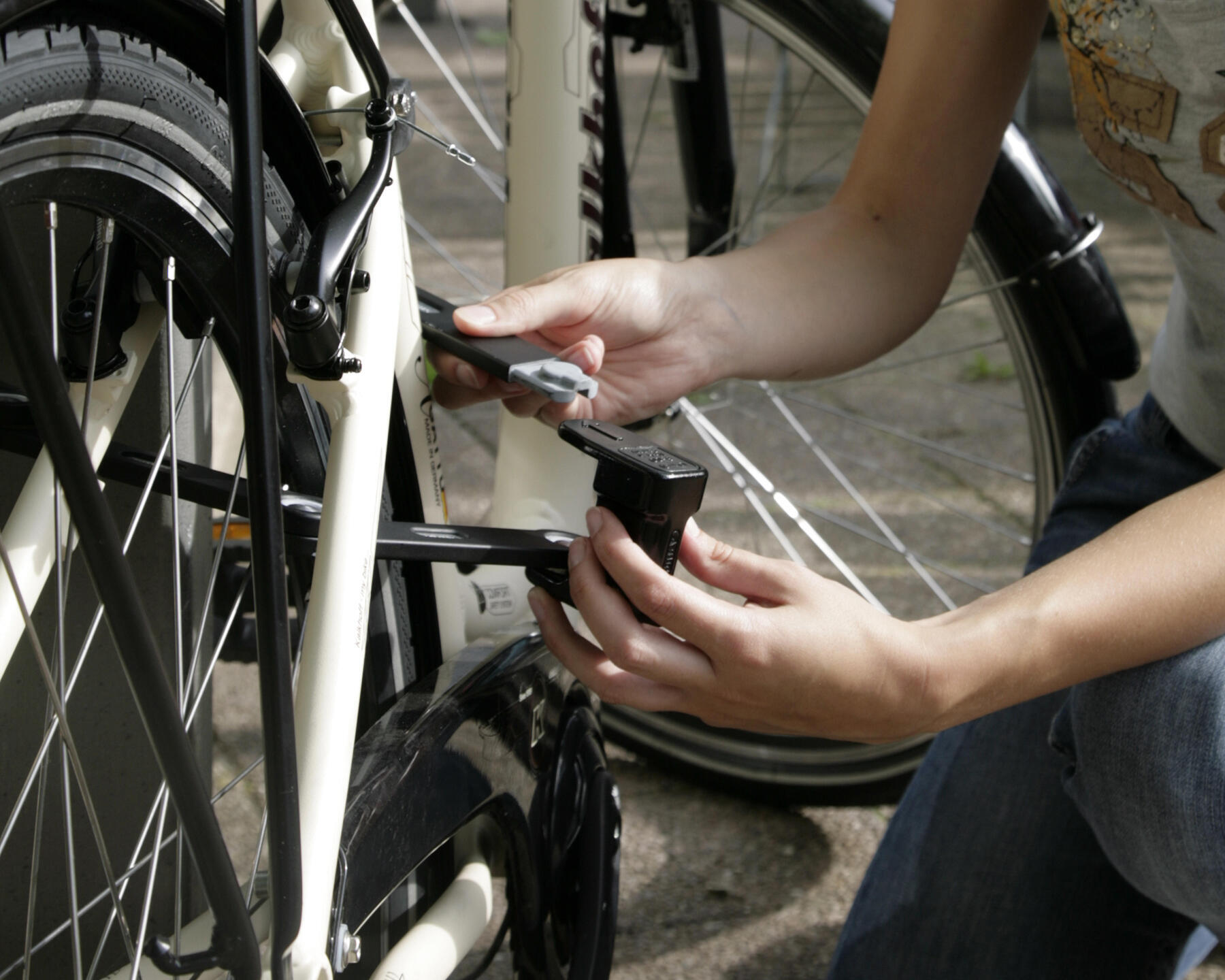
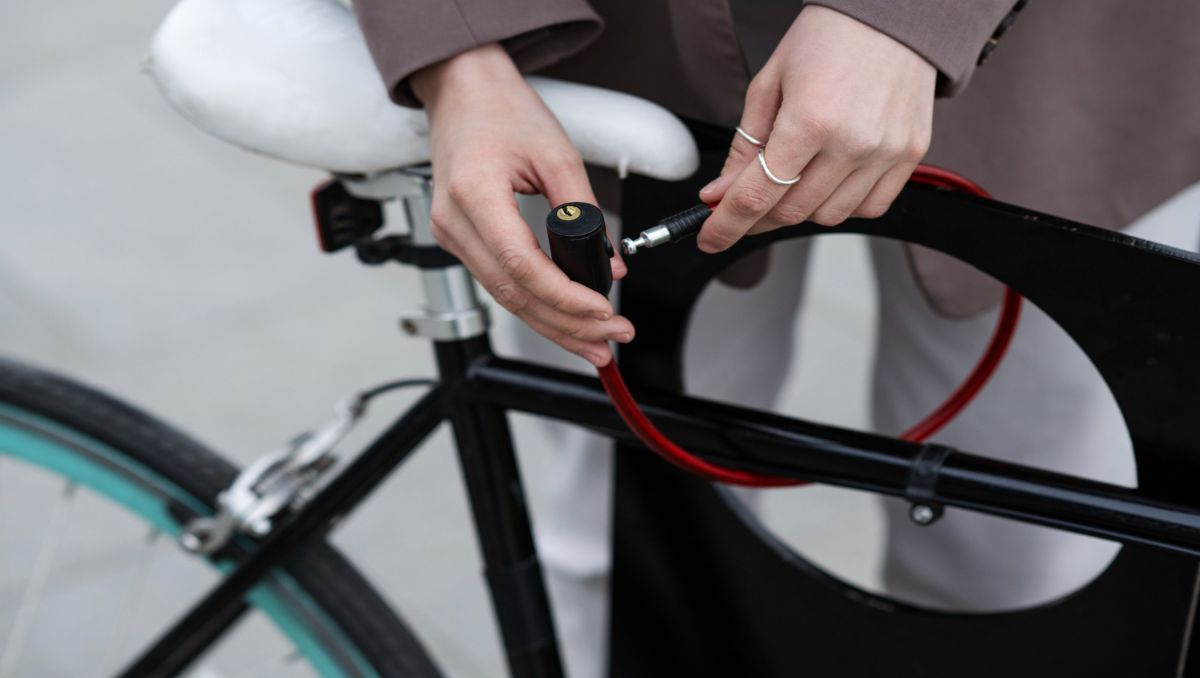
Various locks can protect your bike. U-locksare strong and hard to cut. Chain locksoffer flexibility in tight spaces. Folding locksare compact and easy to carry. Cable locksare light but less secure. Choose a lock type that fits your needs.
Lock Quality And Material
The lock’s quality is crucial for safety. Hardened steelis tough and durable. Avoid locks made of weak materials. Check for a lock with a secure locking mechanism. A good lock should resist picking and cutting. Invest in a high-quality lockto keep your bike safe.
Locking Techniques
Securing your bike properly can deter theft. Always lock both the frame and wheels to a fixed object. Choose a high-quality lock and avoid leaving your bike in isolated areas.
Securing The Frame
Always lock your bike frame first. The frame is the main part. Use a strong U-lockor chain. Place it around the frame and a fixed object. This keeps your bike safe. Make sure the lock is tight. A loose lock is easy to break. Check it twice.
Locking Both Wheels
Secure both wheels to prevent theft. Use a second lock if you can. A cable lock works well for this. Loop it through both wheels. Then, attach it to the frame lock. Thieves look for easy targets. Two locks make it hard for them.
Utilizing Fixed Objects
Find a sturdy objectto lock your bike. Poles and bike racks are good. Avoid trees or thin posts. Thieves can cut them down. Make sure the object is solid. Your lock should be high and tight. This makes stealing difficult.
Parking Strategies
Secure your bike with a sturdy lock and choose a well-lit, busy area for parking. Consider registering your bike with local authorities. Use additional locks on wheels to deter thieves.
Selecting Safe Locations
Choose places with good lighting and lots of people. Busy areas are safer because thieves avoid them. Always check for security camerasnearby. Cameras can scare away bike thieves.
Avoiding Isolated Areas
Isolated places are risky. Thieves love quiet spots. Park your bike near stores or offices. These places have people and noise. It’s hard for thieves to steal there. Keep your bike in sight whenever you can.
Using Public Bike Racks
Use public bike racks when possible. Racks hold bikes firmly. They are often near busy spots. Lock your bike with a strong lock. A good lock is tough to break. Double-check the lock before leaving.
Credit: advice.decathlon.ca
Upgrading Security Features
Securing your bike requires strong locks and smart parking choices. Invest in a high-quality chain or U-lock. Consider parking in well-lit areas with surveillance cameras.
Wheel Skewers
Wheel skewers keep your bike wheels safe. Regular skewers are easy to remove. Secure skewers need special tools to open. Thieves can’t steal your wheels fast. Choose skewers with a locking system. This makes it hard for thieves. Always check that your skewers are tight.
Seat Post Locks
Seat post locks protect your bike seat. Thieves like to steal seats. A strong seat post lock stops them. Some locks need a key. Others have a code. Both types are good. Make sure the lock fits your bike. A loose lock won’t work well. Check your lock often for damage. Keep your bike and seat safe always.
Using Technology
GPS tracking devices can help keep your bike safe. They show your bike’s location on a map. If your bike gets stolen, you can find it fast. These devices are small and easy to hide. Thieves won’t know they are there. Some devices send alerts to your phone. You will know if your bike moves without you. This helps stop theft before it happens.
Smart locks are better than regular locks. They use codes or your phone to open. This makes them hard to break. Some smart locks have alarms. The alarm rings if someone tries to steal your bike. This scares thieves away. Smart locks can also send alerts to your phone. You will know if someone is trying to take your bike. Choose a smart lock with strong materials. It will keep your bike safer.

Credit: reallygoodebikes.com
Insurance And Registration
Ensuring your bike is insured and registered can deter theft effectively. Insurance protects against financial loss, while registration aids in recovery. Both steps make it harder for thieves to sell or hide stolen bikes.
Bike Insurance Policies
Bike insurance can save money if theft happens. Choose a policy that covers theft and damage. Some policies offer roadside assistance. Understand all the terms and conditions. Keep your policy number handy. Update your policy regularly. Compare different policies for the best deal.
Registering Your Bike
Registering your bike is important for protection. It helps track your bike if stolen. Keep registration papers safe. Update your registration if you move. Check your local rules for registration. Some places require a fee. Registration proves ownership. It makes selling your bike easier.
Community And Awareness
Safeguard your bike with sturdy locks and secure parking spots. Connect with local cyclists to share tips and watchful eyes. Awareness in the community helps prevent theft, keeping everyone informed and vigilant.
Neighborhood Watch Programs
Neighborhood watch programshelp keep bikes safe. They involve people in the area. Volunteers look out for each other’s bikes. They report suspicious activities. This creates a safer environment. Everyone watches out for each other. It builds trust and safety. Join a program to protect your bike.
Engaging With Local Cyclist Groups
Local cyclist groups are great for bike safety. Members share tips and advice. They organize events and rides. Being part of a group helps you stay informed. You learn about safe places to park your bike. Cyclist groups offer support. They promote bike security awareness. Engage with them to keep your bike safe.
Credit: reallygoodebikes.com
Frequently Asked Questions
How To Make Your Bike Really Hard To Steal?
Use a high-quality U-lock and secure both wheels and frame to a sturdy object. Choose well-lit, busy areas for parking. Remove accessories and consider using a secondary lock. Register your bike and document its details for identification.
How To Make A Bike Unappealing To Thieves?
Use a sturdy lock to secure both wheels and frame. Remove accessories and quick-release parts. Park in well-lit, busy areas. Choose a bike with a unique appearance or add custom markings. Register your bike with local authorities.
How To Keep People From Stealing Bikes?
Use sturdy locks, secure bikes in well-lit areas, and register them online. Install GPS trackers for real-time location. Educate cyclists about theft prevention. Encourage community watch programs to deter thieves.
How To Not Get A Bicycle Stolen?
Secure your bike with a strong U-lock or chain lock. Park in well-lit, busy areas. Register your bike with local authorities. Use a lock that secures both the frame and wheels. Regularly check for loose parts and maintain your bike to avoid theft.
Conclusion
Keeping your bike safe requires thoughtful planning. Start with a strong lock. Choose a well-lit parking spot. Avoid leaving your bike unattended for long. Consider adding a GPS tracker. Regularly check security features for wear and tear. Stay alert to potential risks.
Implement these strategies for peace of mind. Your bike deserves the best protection. It’s an investment worth guarding. With these steps, enjoy worry-free rides. Remember, prevention is key to avoiding theft. Keep your bike secure and explore with confidence. Stay informed, stay prepared, and keep pedaling safely!



