
Do you want to enjoy biking around your neighborhood without worrying about safety? Whether you’re riding for fun, exercise, or running errands, feeling secure on your bike is key.
But how can you make sure your rides are safe for you and others? You’ll discover simple and effective ways to protect yourself and your community while biking. Keep reading to learn practical tips that can transform your neighborhood into a safer place for every cyclist.
Choosing The Right Gear
Wearing the right gear helps keep you safe while biking in neighborhoods. It makes you visible and protects you from injuries.
Choosing good equipment is important for every ride. This guide covers key gear to use for safe biking.
Helmet Essentials
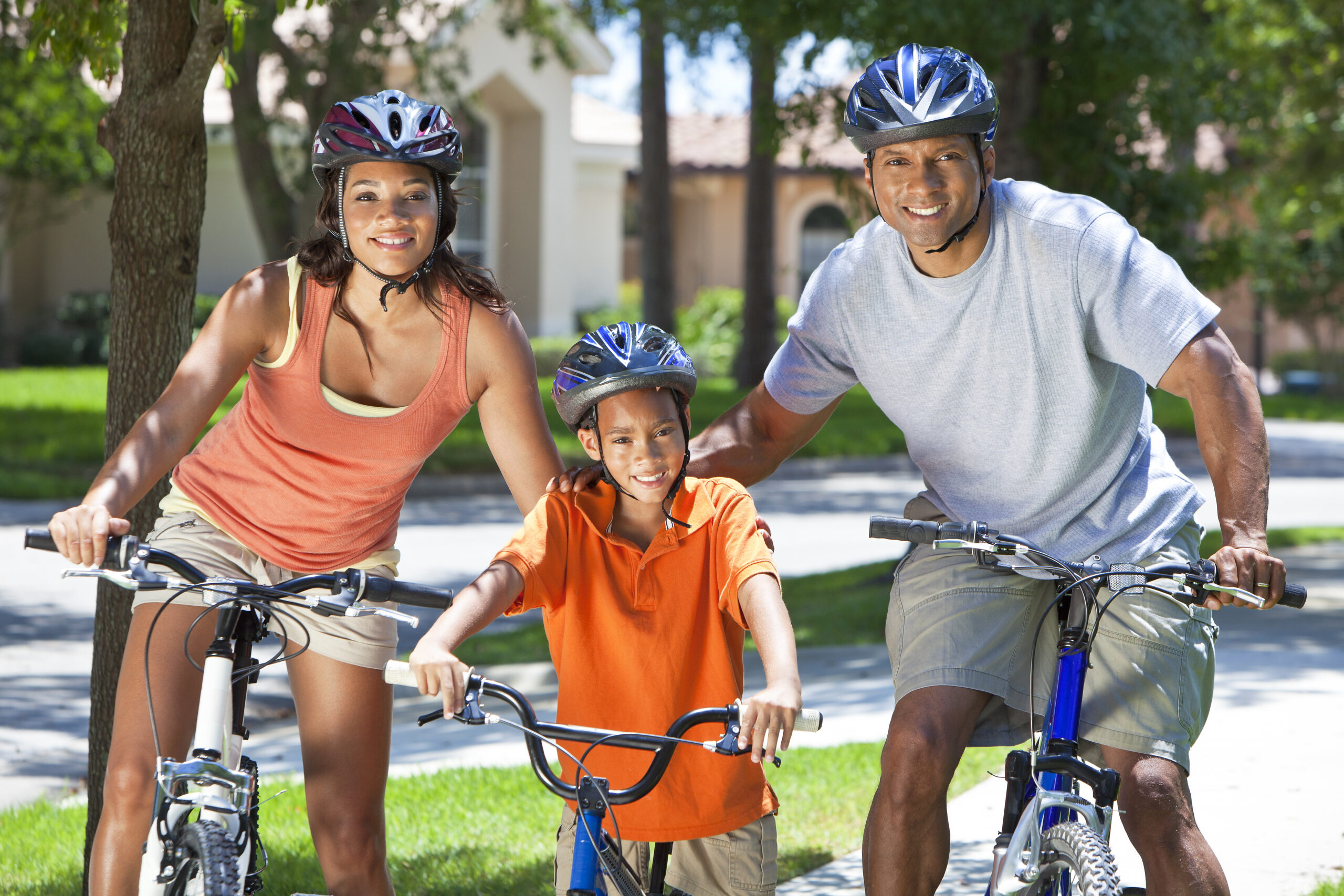
A helmet protects your head if you fall or crash. Always wear a helmet that fits well and meets safety standards.
Check that the helmet sits level on your head and the straps are snug but comfortable. Replace helmets after any hard impact.
Reflective Clothing
Reflective clothing helps drivers see you, especially in low light or at night. Choose bright colors with reflective strips.
Wear reflective vests, jackets, or bands on your arms and legs. This gear makes you more visible from all angles.
- Bright colors like yellow or orange stand out
- Reflective strips catch headlights from cars
- Wear reflective gear even in daylight for safety
Bike Lights And Signals
Bike lights help others see you and show your riding direction. Use front white lights and rear red lights when riding.
Use hand signals to show turns and stops. This tells drivers and pedestrians what you plan to do.
- Front light: White and bright for night riding
- Rear light: Red and flashing to alert drivers
- Use hand signals to show left, right, and stopping
Credit: www.poehealth.org
Planning Safe Routes
Planning safe routes helps make biking in neighborhoods safer. It reduces accidents and makes rides more fun.
Choosing the right streets and paths can protect riders from cars and other dangers.
Identifying Bike-friendly Streets
Bike-friendly streets have low traffic and smooth surfaces. They often have slow speed limits and good lighting.
Look for streets with wide shoulders or marked bike lanes. These make riding safer and more comfortable.
- Choose streets with speed limits under 30 mph
- Look for flat roads with few hills
- Prefer streets with bike lane markings or sharrows
- Avoid streets with many stop signs or traffic lights
Avoiding High-traffic Areas
High-traffic streets have many cars and fast speeds. These increase the risk of crashes for bikers.
Plan routes that use quiet streets or side roads. This keeps bikers away from busy intersections and highways.
- Check traffic patterns during different times of day
- Use maps to find roads with less vehicle flow
- Avoid streets near schools during drop-off and pick-up times
- Stay clear of highways and major thoroughfares
Using Bike Lanes And Paths
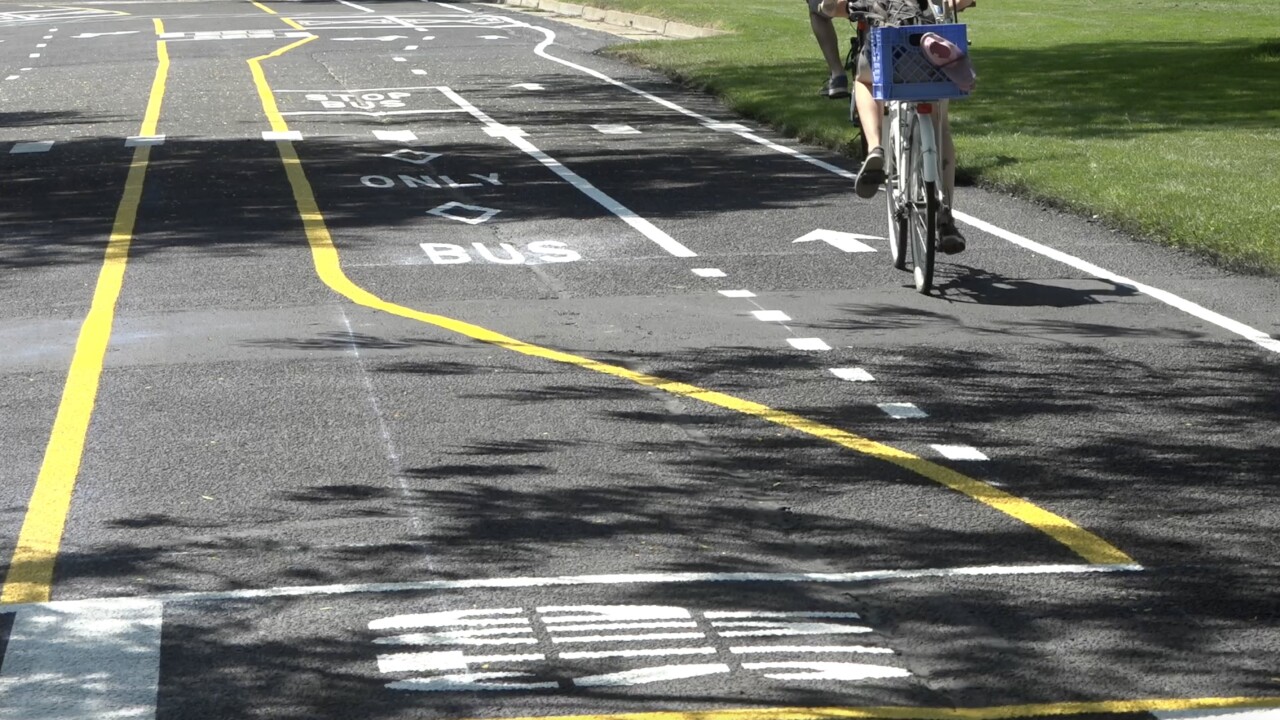
Bike lanes and paths separate bikes from cars. They help riders stay safe by giving them their own space.
Choose routes that include marked bike lanes or shared-use paths. These reduce the chance of accidents.
- Use protected bike lanes when available
- Follow shared-use paths for parks and greenways
- Stay in the bike lane and avoid riding on sidewalks
- Watch for signs and signals made for cyclists
Riding Techniques For Safety
Biking in neighborhoods can be fun and healthy. It is important to ride safely to avoid accidents.
Using good riding techniques helps protect you and others on the road. Learn ways to stay safe while biking.
Maintaining Control And Balance
Keep your bike steady by sitting upright and holding the handlebars firmly. This helps you react quickly.
Practice riding slowly to improve your balance. Avoid sudden turns or stops that can cause falls.
Using Hand Signals
Hand signals tell others what you plan to do. This keeps you visible and predictable to drivers and pedestrians.
Use your left arm to show turns and stops. Always signal before changing direction or stopping.
- Left arm straight out: Left turn
- Left arm bent up at elbow: Right turn
- Left arm bent down at elbow: Stop or slow down
Obeying Traffic Rules
Follow the same rules as cars. Stop at stop signs and traffic lights to stay safe.
Ride in the same direction as traffic. Use bike lanes if they are available to keep clear of cars.
Neighborhood Awareness
Biking in neighborhoods requires paying close attention to your surroundings. Being aware helps you avoid accidents and keeps everyone safe.
Look out for people, cars, and obstacles. This awareness makes biking safer for you and others in the area.
Watching For Pedestrians
Pedestrians can appear suddenly on sidewalks or crosswalks. Always watch for them, especially near schools and parks.
Slow down when you see people walking. Give them enough space to cross safely and avoid surprises.
Handling Driveways And Intersections
Driveways and intersections are spots where cars and bikes meet often. Stop and look carefully before crossing or entering.
Make eye contact with drivers if possible. This helps you know if they see you and plan to stop.
- Slow down near driveways
- Stop at intersections
- Look both ways before crossing
- Make eye contact with drivers
Dealing With Parked Cars
Parked cars can hide dangers like opening doors or people stepping out. Ride far enough away to avoid these risks.
Watch for car doors opening suddenly. If you see brake lights or people inside, be ready to stop or change your path.
- Keep a safe distance from parked cars
- Watch for signs of movement inside cars
- Be ready to brake quickly
- Signal clearly if you need to move around cars
Regular Bike Maintenance
Keeping your bike in good shape helps you ride safely in your neighborhood. Regular maintenance prevents accidents and problems.
Simple checks and care can make your bike last longer and work better every time you ride.
Checking Tires And Brakes
Check your tires for enough air before every ride. Properly inflated tires help you control the bike well.
Look at your brakes to make sure they stop the bike quickly. Worn pads or loose cables can cause accidents.
- Press the brakes and test stopping power
- Look for cracks or worn areas on tires
- Fill tires with air to the recommended pressure
- Replace brake pads if they are thin or damaged
Lubricating The Chain
A clean and oiled chain helps your bike run smoothly. It also stops the chain from rusting or breaking.
Use bike chain oil and apply it carefully. Wipe off extra oil to keep dirt away.
- Clean the chain with a dry cloth first
- Apply a drop of oil on each chain link
- Spin the pedals to spread the oil evenly
- Wipe off extra oil to prevent dirt build-up
Ensuring Proper Seat And Handlebar Position
Adjust your seat and handlebars to fit your body. This helps you ride comfortably and control the bike better.
Check the seat height and handlebar angle before every ride. Make small changes until you feel safe and steady.
- Set seat height so your leg is almost straight at pedal bottom
- Keep handlebars at a comfortable height and angle
- Make sure all bolts are tight and secure
- Test your position with a short ride before longer trips
Educating Young Riders
Teaching children how to bike safely is important for their well-being. It helps them enjoy biking without risks.
Parents and teachers play a key role in guiding young riders. They can build good habits early on.
Teaching Basic Safety Skills
Start by showing kids how to wear helmets properly. Helmets protect their heads in case of falls.
Explain how to use hand signals before turning. This helps others know their moves on the road.
- Wear a helmet every time
- Check brakes and tires before riding
- Use hand signals for turns and stops
- Look both ways before crossing streets
- Ride on the right side of the road
Supervised Practice Sessions
Practice riding in safe areas like parks or empty parking lots. Supervise children closely during these times.
Help them learn how to control speed and balance. Watch for signs of tiredness or frustration.
- Choose quiet, flat places for practice
- Stay close and guide their riding
- Encourage slow and steady riding
- Stop for breaks when needed
Encouraging Safe Habits
Make safety rules clear and simple to remember. Praise children when they follow these rules.
Remind them to always check for cars. Teach respect for pedestrians and other riders.
- Always wear a helmet
- Stop at stop signs and lights
- Ride with an adult until confident
- Stay visible by wearing bright clothes
- Never ride too fast or recklessly
Community Involvement
Making biking safe in neighborhoods needs everyone to work together. Communities play a big role in keeping cyclists safe.
By joining local efforts, people can help improve safety for all bikers. Here are ways to get involved.
Supporting Local Bike Safety Programs
Local bike safety programs teach riders how to bike safely. They also inform drivers about sharing the road.
You can help by volunteering or spreading the word about these programs. Your support helps keep everyone safer.
Advocating For Better Infrastructure
Safe bike lanes and clear signs protect cyclists. Communities can ask local leaders to build better bike paths.
Speaking up for safer streets makes neighborhoods friendlier for bikers and walkers.
- Request new bike lanes
- Push for better street lighting
- Ask for clearer road markings
- Support traffic calming measures
Organizing Group Rides
Group rides bring cyclists together and increase visibility on the road. They create a safer biking environment.
Organize rides with clear routes and safety rules. This helps riders feel confident and drivers notice more bikes.
- Plan safe, easy routes
- Set riding rules for all participants
- Invite new riders to join
- Use rides to raise safety awareness

Credit: bicyclecoalition.org
Credit: www.kivitv.com
Frequently Asked Questions
How Can Neighborhoods Improve Biking Safety?
Neighborhoods can improve biking safety by adding bike lanes, clear signage, and traffic calming measures. Community education programs also raise awareness. Regular maintenance of roads and proper lighting enhances visibility and reduces accidents, making biking safer for all residents.
What Are Essential Safety Gear For Neighborhood Biking?
Essential safety gear includes a well-fitted helmet, reflective clothing, and front and rear bike lights. Gloves and knee pads offer extra protection. These items increase visibility and reduce injury risks, ensuring safer rides in residential areas.
How Does Traffic Calming Help Biking Safety?
Traffic calming reduces vehicle speeds with speed bumps, narrowed roads, and signage. Slower traffic lowers accident risks and makes streets safer for cyclists. It encourages drivers to be more cautious around biking areas, promoting a safer neighborhood environment.
Why Is Community Awareness Important For Biking Safety?
Community awareness educates residents on sharing roads responsibly. It fosters respect between drivers and cyclists, reducing conflicts. Awareness campaigns encourage safe biking habits and support infrastructure improvements, creating a safer biking culture in neighborhoods.
Conclusion
Making biking safe enhances community well-being. Simple changes can save lives. Prioritize well-marked bike lanes and proper lighting. Encourage biking education for all ages. Neighbors should drive carefully and respect bike lanes. Communities thrive with safer streets. Biking reduces pollution and promotes health.
Start small with local initiatives. Engage with local councils for broader impact. Safety isn’t just a priority; it’s a necessity. Encourage everyone to join the movement. Together, we can create safer neighborhoods. Happy and safe biking leads to healthier communities.
Your voice can make a difference. Advocate for safety today.



