
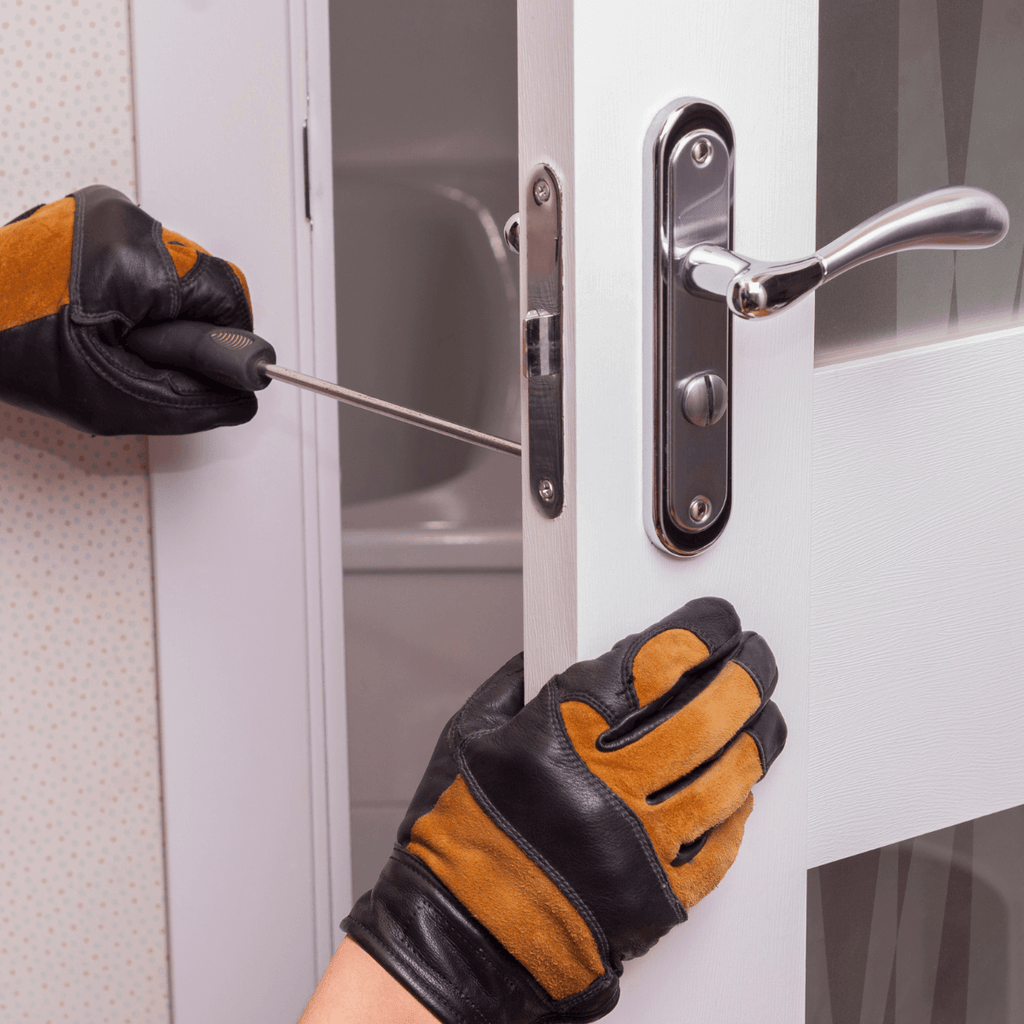
Imagine the frustration of dealing with a stubborn lock that just won’t turn. You’ve been there, right?
Whether it’s your front door or the lock on your garden shed, maintaining lock lubrication can save you from those irritating moments. You might not think about it often, but your locks play a crucial role in keeping your home secure.
So, how do you ensure they work smoothly every time you need them? By giving them the attention they deserve and learning the art of lock lubrication. You’ll discover simple, effective techniques that can make a world of difference. We’ll guide you through the best practices to keep your locks functioning flawlessly. Plus, you’ll find out how regular maintenance can prevent costly repairs and keep your peace of mind intact. Keep reading, because the secret to hassle-free lock operation is just ahead, and it might be simpler than you think!
Importance Of Lock Lubrication
Locks need regular care to work well. Lubrication keeps them smooth. It prevents rust and wear. Rust can make locks hard to turn. Wear damages the parts inside. Lubrication helps reduce friction. Friction can break parts over time.
Using the right lubricant is important. Graphite powder works well for locks. It doesn’t attract dust. Oil-based lubricants can attract dirt. Dirt makes locks sticky. Sticky locks are hard to open. Regular lubrication saves time and money. It helps avoid costly repairs.
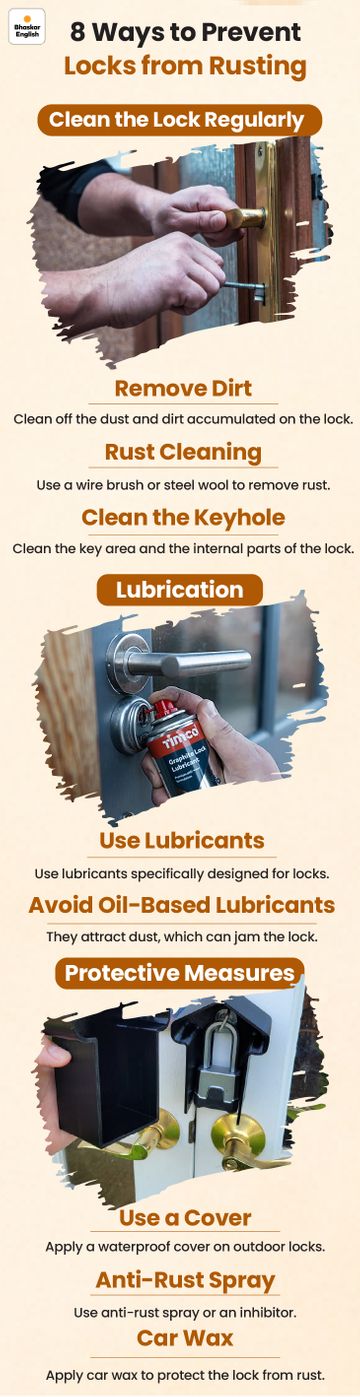
Credit: www.bhaskarenglish.in
Common Types Of Lock Lubricants
Graphite lubricants are dry powders. They work well in locks. They do not attract dust. This keeps the lock clean. It is easy to apply. Just spray it into the lock. It is safe for most locks. Graphite is also long-lasting. People use it in many places.
Silicone-based lubricants are liquid. They are slippery and smooth. They protect locks from rust. These lubricants do not leave a mess. They are good for metal surfaces. You can use them on door locks. They work well in cold weather too. They are also water-resistant.
Teflon-based lubricants are strong. They provide a thin coating. This coating reduces friction. Teflon is very durable. It helps locks last longer. These lubricants are easy to use. They work well in different conditions. They also prevent wear and tear.
Signs Your Lock Needs Lubrication
The key should turn smoothly in the lock. If you feel resistanceor the key gets stuck, your lock might need lubrication. This can prevent damageto the key or lock.
Locks should operate quietly. If you hear grindingor squeaking noises, it means the lock is dry. Lubrication can help reduce these soundsand ensure smooth operation.
Check for rustor dirt on the lock. These can affect the lock’s function. Lubrication helps clean and protect the lock from corrosion.

Credit: desloc.com
Steps For Lubricating A Lock
First, gather all the tools you need. You’ll need a small brush and a clean cloth. Also, get a spray lubricant made for locks. Ensure you have a screwdriver if needed.
Use the small brush to clean the lock. Remove all dirt and dust from the keyhole. Wipe the lock with the clean cloth. Make sure the lock is dry.
Shake the lubricant can well. Spray the lubricant into the keyhole. Ensure the lubricant covers all parts inside. Wipe off any extra lubricant on the lock.
Insert the key into the lock. Turn the key several times. Check if the lock works smoothly. If not, add more lubricant. Test again until it works fine.
Mistakes To Avoid
Avoid using excessive lubricant; it attracts dirt and causes jams. Regularly clean locks before applying lubrication for smooth operation. Choose the right lubricant, like graphite or silicone, to prevent damage and ensure longevity.
Using Oil-based Products
Oil-based products can attract dust and dirt. This can cause the lock to jam. Use graphite powder instead. Graphite is clean and smooth. It keeps locks moving easily. Avoid messy oils that stick.
Over-lubricating The Lock
Too much lubricant can hurt the lock. Excess lubricant attracts dirt. Dirt can block the lock. Use a small amount of lubricant. Just a little bit is best. Less lubricant keeps the lock clean.
Ignoring Regular Maintenance
Locks need regular care. Regular maintenance keeps them working well. Check locks often. Look for rust or wear. Fix problems before they grow. Care for your locks. They will last longer.
Frequency Of Lubrication
Locks need regular care to work properly. How often they need oil depends on weather, usage, and lock type. In dry places, locks might need oil often. Wet areas may need oil less often. Busy locks need more oil than others. It is important to check locks regularly. This helps keep them smooth and easy to use.
Factors Affecting Lubrication Needs
Several factors affect how much oil a lock needs. Weatheris a big factor. Dry air can make locks stiff. Wet air can cause rust. How often you use the lock matters too. Locks that are used often need more oil. Different lock types may need different care. Checking these factors helps decide how often to oil locks.
Recommended Lubrication Schedule
- Check locks every six months.
- Oil locks that feel stiff.
- Use oil suitable for lock types.
- Avoid too much oil to prevent dirt.
Expert Tips For Long-lasting Locks
Inspect locks every few months. Look for rust or dirt. These can cause problems. Clean any dirt you find. Use a soft cloth. Keep the lock parts clean. This helps them move easily. Check keys for damage too. Bent keys can harm locks.
Weather affects locks. Rain can cause rust. Dust can block the lock. Use covers for outdoor locks. Protect them from water. In dry places, dust often. Keep locks clean and dry. This keeps them working well.
Call a locksmith if you notice issues. They can help fix problems. Regular check-ups are good. Experts know how to keep locks safe. They use special tools and methods. This keeps your locks in top shape.

Credit: locksaver.net
Frequently Asked Questions
What’s The Best Way To Lubricate A Lock?
Use a graphite powder or a silicone-based spray to lubricate a lock. Avoid using oils or grease, as they attract dirt and can cause jamming. Apply the lubricant directly into the keyhole and insert the key to distribute it evenly.
Regular lubrication ensures smooth operation and longevity.
How Often Should I Lubricate My Door Locks?
Lubricate door locks every six months to ensure smooth operation and prevent wear. Use graphite powder or silicone-based spray. Avoid oil-based lubricants, as they can attract dirt and debris. Regular maintenance extends the lifespan of locks and enhances security. Check lock performance and adjust lubrication frequency if necessary.
Will Wd-40 Lubricate A Lock?
WD-40 can temporarily lubricate a lock, but it’s not ideal for long-term use. It attracts dust and dirt, which can cause jams. Use a graphite lubricant for better results. Regular maintenance with the right lubricant ensures smooth lock operation and longevity.
Is Silicone Spray Or Wd-40 Better For Locks?
Silicone spray is better for locks as it lubricates without attracting dust. WD-40 is a cleaner, not a lubricant. Use silicone spray to ensure smooth lock operation and long-term maintenance.
Conclusion
Proper lock lubrication keeps locks working smoothly. It prevents rust and wear. Regular checks are essential. Use the right lubricant. Avoid water-based products. These can damage locks. Apply lubricant carefully. Less is more. Clean locks before lubricating. Dirt can block the mechanism.
Always test the lock after lubrication. It should move easily. Address issues early. Don’t wait for locks to jam. With these steps, locks stay reliable. Keep them in good condition. Your locks will last longer. Protect your home and belongings.
Simple maintenance can make a big difference.



