
Imagine hitting the open road with your bike securely mounted and ready for adventure, only to find that your bike rack isn’t quite up to the task. You’ve invested in a quality bike rack, but maintaining it is crucial to ensure safety and durability.
This guide is designed just for you. We’ll dive into simple yet effective ways to keep your bike rack in top shape. Whether you’re a weekend warrior or a daily commuter, maintaining your bike rack can save you time, money, and hassle.
Ready to keep your gear safe and your mind at ease? Let’s explore how you can maintain your bike rack like a pro, ensuring every journey is smooth and worry-free.
Choosing The Right Bike Rack
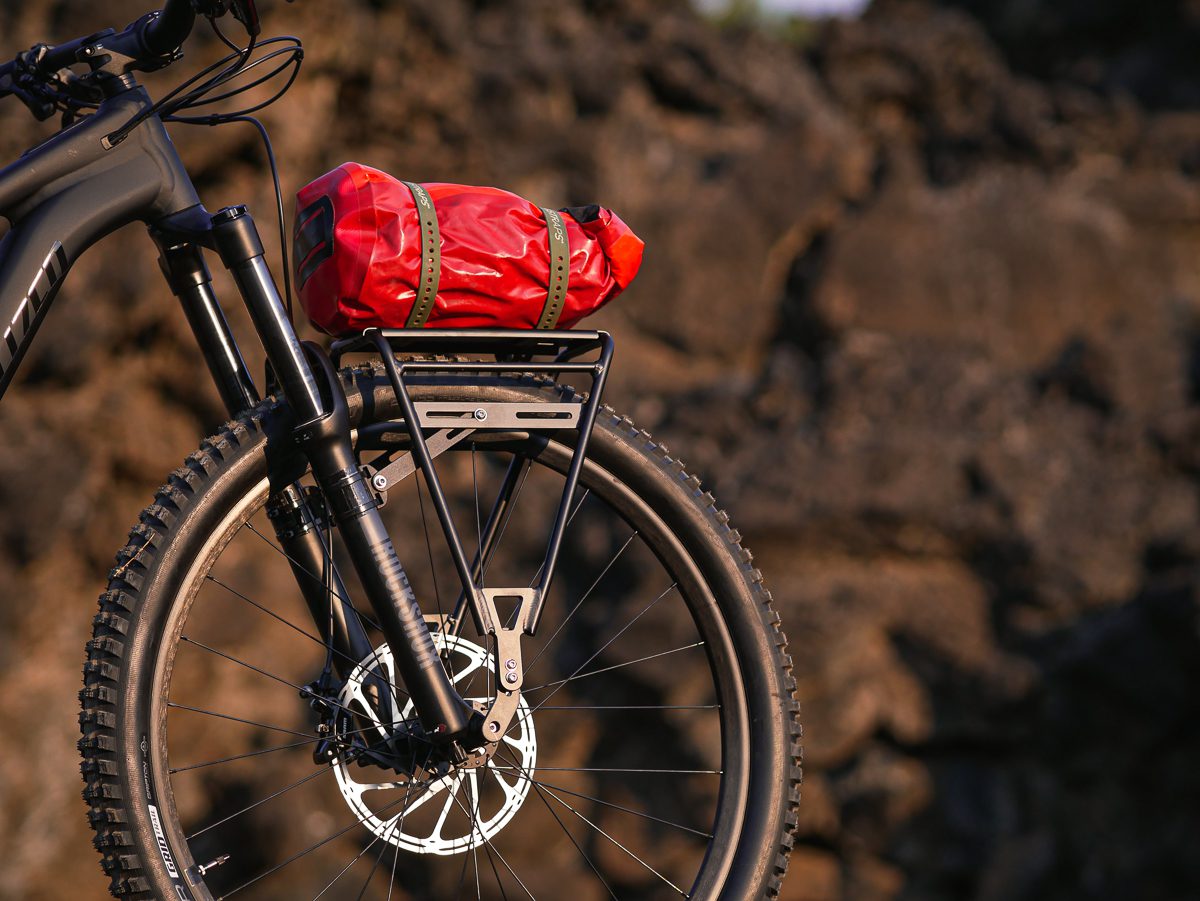
Bike racks come in various styles. Hitch racks attach to the back. Roof racks hold bikes on top of the car. Trunk racks strap onto the rear. Each type has its benefits. Hitch racks are easy to load. Roof racks keep your car’s back free. Trunk racks are often affordable.
Materials affect the rack’s durability. Steel racks are strong and long-lasting. Aluminum racks are lightweight and resist rust. Plastic racks are lightweight but less sturdy. Choose a material based on your needs. Consider climate and usage frequency.
Check if the rack fits your car. Measure the hitch size for hitch racks. Ensure roof racks fit your car’s roof type. Trunk racks must match the car’s rear shape. Compatibility ensures safety and ease of use. Always read the manufacturer’s guidelines.
Credit: cycletraveloverload.com
Installation Best Practices
Gather the necessary toolsbefore starting. You will need a wrench, screwdriver, and pliers. Use a tape measurefor precision. Keep the tools within reach.
Ensure the bike rack is levelwith the ground. Align it with the rear of the vehicle. Check if the rack is centered. Adjust if needed. Use the tape measure for accuracy.
Tighten all bolts and screws securely. Make sure each part is firmly attached. Double-check all connections. Avoid loose fittings for safety. Test the rack by gently shaking it. It should remain stable.
Routine Maintenance
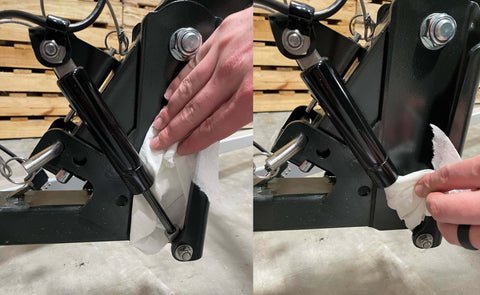
Keep the bike rack free from dirt and grime. Use a damp cloth and mild soap for cleaning. Dry it well to prevent rust. Lubricate moving parts with a light oil. This helps them work smoothly and last longer. Avoid using too much oil, as it can attract dirt.
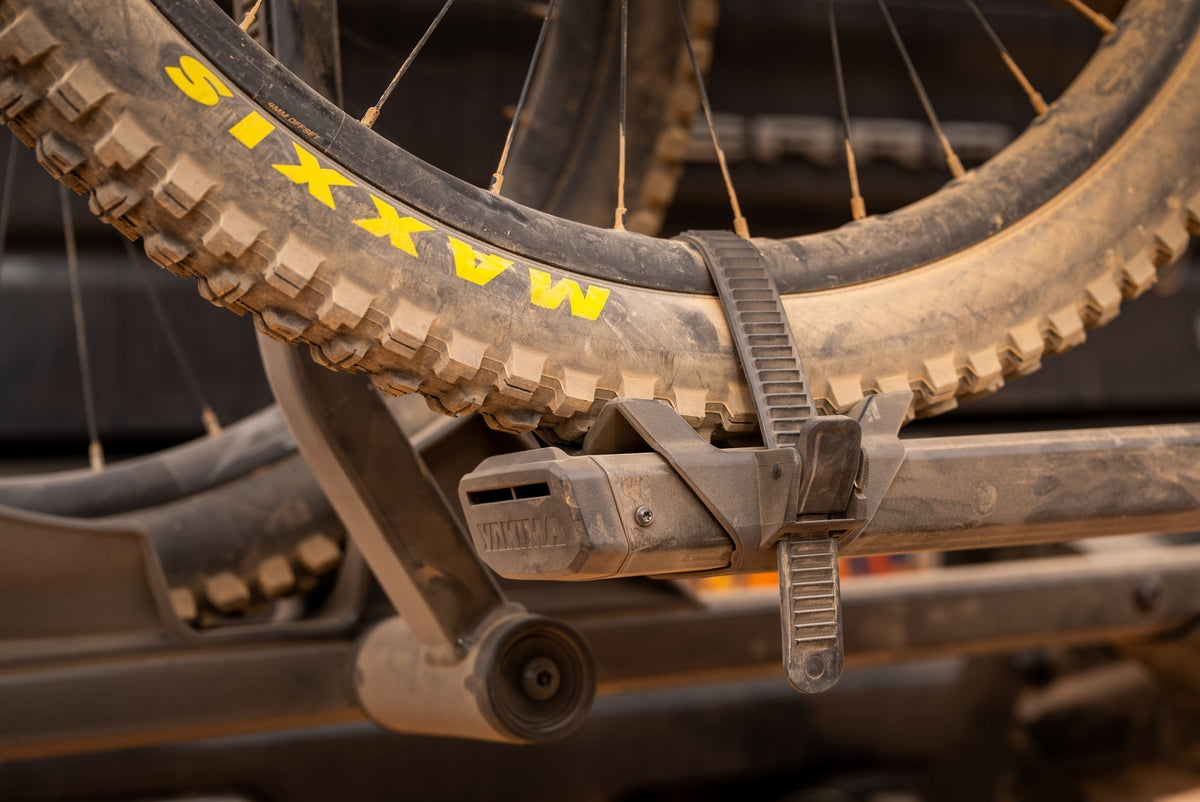
Check your bike rack often for damage. Look for cracks or bends. Ensure all parts are in good shape. Inspect straps and buckles for wear and tear. Replace any broken parts quickly. This keeps your bike safe during travel.
Ensure all nuts and bolts are tightened. Use a wrench to check them. Loose fasteners can cause the rack to wobble. This might damage your bike or car. Tighten them gently, avoiding over-tightening.

Credit: yakima.com
Weather Protection Strategies
Keep your bike rack dry. Use a waterproof cover. This prevents rust. Wipe the rack after rain. Remove any water drops. Check for rust spots often. Apply a rust protector spray. It keeps the metal safe.
Sunlight can fade your bike rack. Use a UV-resistant cover. It blocks harmful sun rays. Park in shaded areas. Avoid direct sunlight. Check for sun damage monthly. Repair any cracks or fading paint.
- Store the rack indoors during winter.
- Use a thick cover to protect from snow.
- Check for ice buildup regularly.
- Apply lubricant to moving parts.
- Remove the rack if not in use.
Troubleshooting Common Issues
Regularly check bolts and screws to ensure the bike rack is securely attached. Clean the rack to prevent rust and damage. Inspect for any cracks or wear, replacing parts as needed for safety.
Addressing Noise And Vibrations
Check for loose bolts and tighten them securely. Loose bolts can cause noise. Make sure the bike is properly mounted on the rack. Misalignment can lead to vibrations. Use rubber padding between contact points. This helps reduce noise. If noise persists, inspect the rack for any damage. Fix or replace damaged parts as needed.
Repairing Damaged Parts
Inspect the rack for any visible cracks or bends. Bent parts can weaken the rack’s structure. Replace broken parts with new ones. This ensures safety and functionality. Use compatible parts for the best fit. For minor scratches, use touch-up paint. This prevents further damage and keeps the rack looking new.
Preventing Rust
Keep the rack dry to prevent rust. Water can cause rust over time. Apply a protective spray or wax coating. This creates a barrier against moisture. Regularly inspect the rack for any signs of rust. Remove rust with a wire brush and apply rust-resistant paint. Store the bike rack in a dry place when not in use.
Safety Tips
Make sure the bike rack is tightly attached. Check all bolts and straps. A loose rack can cause accidents. Always double-check after installation. Secure the bike firmly on the rack. Use extra straps if needed. This prevents wobbling while driving.
Do not overload the bike rack. Follow the weight limit strictly. Too many bikes can damage the rack. A heavy load may affect driving balance. Always count the number of bikes. Read the rack manual for guidance.
Ensure the rack does not block rear lights. Check mirrors for clear view. A blocked view can lead to accidents. Make sure the rack does not cover license plates. Adjust if necessary for full visibility. Safety is more important than convenience.
Expert Recommendations
Thuleand Yakimaare known for strong bike racks. These brands use tough materials. Allen Sportsoffers affordable options. They last long too. Sarismakes lightweight racks. Easy to carry and use. Choose brands that offer warranties. This ensures lasting quality.
- Locking systemskeep bikes secure.
- Strapshold bikes steady.
- Wheel holdersprevent damage.
- Bike coversprotect from weather.
- Paddingstops scratches.
Experts suggest checking fit and balance. Install racks on clean surfaces. Tighten all bolts and screws well. Follow the manual closely. Use tools like wrenches for safety. Check alignment regularly. Hire professionals for complex installations. They ensure proper setup.
Credit: yakima.com
Frequently Asked Questions
What Is The Life Expectancy Of A Bike Rack?
Bike racks generally last 5 to 10 years. Maintenance and material quality affect longevity. Regular checks extend lifespan.
How To Keep A Bike Rack From Rusting?
Apply a rust-resistant spray to the bike rack regularly. Keep the rack clean and dry. Use covers or store indoors during harsh weather. Inspect for rust spots and treat them promptly. Choose racks made from rust-resistant materials like stainless steel or aluminum.
How Do You Lubricate A Thule Bike Rack?
Clean the Thule bike rack thoroughly. Apply a silicone-based lubricant to all moving parts. Focus on hinges, locks, and joints. Wipe off any excess lubricant to prevent dirt buildup. Regular lubrication ensures smooth operation and extends the rack’s lifespan. Always follow the manufacturer’s guidelines for best results.
How To Store A Bike Rack When Not In Use?
Store the bike rack in a dry, cool place to prevent rust. Use wall hooks or shelves for space-saving. Cover it with a tarp or cloth to avoid dust. Ensure it’s easily accessible for future use. Regularly check and clean it to maintain its condition.
Conclusion
Keeping your bike rack in top shape is essential. Regular checks and cleaning ensure safety. Tighten loose bolts often. Lubricate moving parts for smooth operation. Protect it from rust and damage. Store in a dry place when not in use.
A well-maintained rack secures your bike effectively. This prevents unexpected falls or damage. Your bike deserves the best care. Investing time in maintenance pays off. Enjoy stress-free rides and peace of mind. With these tips, extend your rack’s lifespan. Keep biking adventures fun and hassle-free!



