
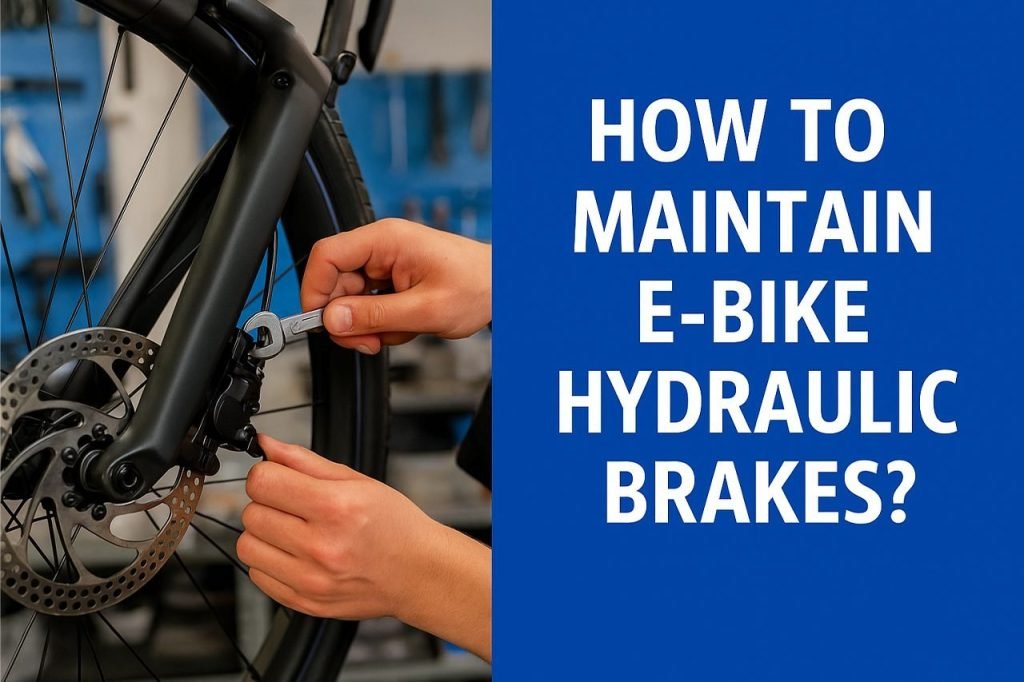
Imagine cruising down a hill on your bike, wind in your hair, only to realize your brakes aren’t working as they should. Scary, right?
That’s why maintaining your bike brakes is crucial for your safety and peace of mind. You might think it’s a complex task reserved for the pros, but it’s simpler than you imagine. With a few easy steps, you can ensure your brakes are always in top shape, giving you the confidence to ride freely.
This guide will provide you with practical tips that you can apply right away. Discover how to keep your bike brakes responsive and reliable, so you never have to worry while enjoying your ride. Keep reading, and you’ll find out how easy it is to take control of your bike’s safety.
Understanding Brake Systems
Regularly inspect brake pads for wear and replace if needed. Keep cables and levers clean and lubricated. Adjust tension for optimal performance, ensuring smooth braking and safe rides.
Types Of Bike Brakes
Bikes have different types of brakes. Rim brakes are common and easy to fix. They use pads to stop the wheel. Disc brakes are strong and work well in rain. They have a disc near the wheel’s hub. Drum brakes are inside the wheel. They need less care but are heavy.
Components Of Brake Systems
Brake systems have important parts. Brake levers help control the brakes. Cables link levers to brakes. Brake pads press against the wheel to slow down. Rotors are discs in disc brakes. They help stop the bike. Calipers hold the brake pads and push them to the wheel. Springs in brakes help move parts back in place.
Signs Of Brake Wear
Squeaky brakes or reduced stopping power indicate brake wear on bikes. Regular checks for pad thickness and cable tension help maintain performance. Pay attention to unusual noises and increased braking distance for safety.
Common Indicators
Brake pads are thin and may look worn out. Squeaking sounds when brakes are applied. Vibrations felt during braking. Brake lever feels loose or soft.
Impact On Performance
Worn brakes reduce stopping power. Longer braking distances can occur. Safety is compromised, especially in emergencies. Bike may feel unstable during stops.
Regular Inspection Routine
Regular inspection of bike brakes ensures safety and efficiency. Check for wear on brake pads and clean any dirt. Adjust cables for optimal tension to maintain smooth braking performance.
Visual Checks
Look at the brake pads closely. Are they worn out? Check for cracks or dirt. Make sure the pads are not too thin. Inspect the brake cables. Are they loose or frayed? Tighten them if needed. Ensure the brake levers are not sticking. Clean them to remove dust.
Testing Brake Functionality
Press the brake lever firmly. Does the bike stop quickly? Listen for any strange noises. Make sure the wheels are not spinning freely. Test the brakes on a flat surface. Ensure they are not squeaky. Adjust the brakes if they feel weak. Check if the bike stops smoothly.
Credit: www.decathlon.co.uk
Cleaning Brake Components
Regular cleaning keeps bike brakes functioning well. Dust and grime can affect performance, so ensure components stay clean. Use a soft brush and mild detergent to gently remove dirt from brake pads and rotors.
Removing Dirt And Debris
Keep brake parts clean for safe rides. Use a soft brush to remove dirt. Gently wipe away any debris. Pay attention to the brake pads and rotors. Clean them thoroughly. Dirt can affect braking performance. Make sure all parts are clean and shiny.
Using Appropriate Cleaning Agents
Choose the right cleaner for brakes. Avoid using water or soap. They can damage brake parts. Use a special brake cleaner instead. Spray it on a clean cloth. Wipe the brake components carefully. Ensure no cleaner is left on parts. Proper cleaning keeps brakes working well.
Brake Pad Maintenance
Bikes need good brake pads to stop safely. It’s vital to check the pad thicknessregularly. Look at the pads closely. Are they thin? If the pads look less than 3mm thick, they need attention. Thin pads can make brakes fail. This is dangerous. Always check both sides of the wheel. Sometimes, one side wears faster.
Worn pads must be changed quickly. First, remove the wheel from the bike. Then, take out the old pads. Use a wrench if needed. Next, place the new pads in the same spot. Ensure they fit snugly. Tighten any screws or bolts. Finally, test the brakes. They should feel firm and strong. If not, adjust them again.

Credit: www.londoncyclist.co.uk
Adjusting Brake Tension
Gather all the tools before starting. You will need a wrenchand a screwdriver. A bike standcan make things easier. A ragis useful for cleanup. Keep all tools within reach.
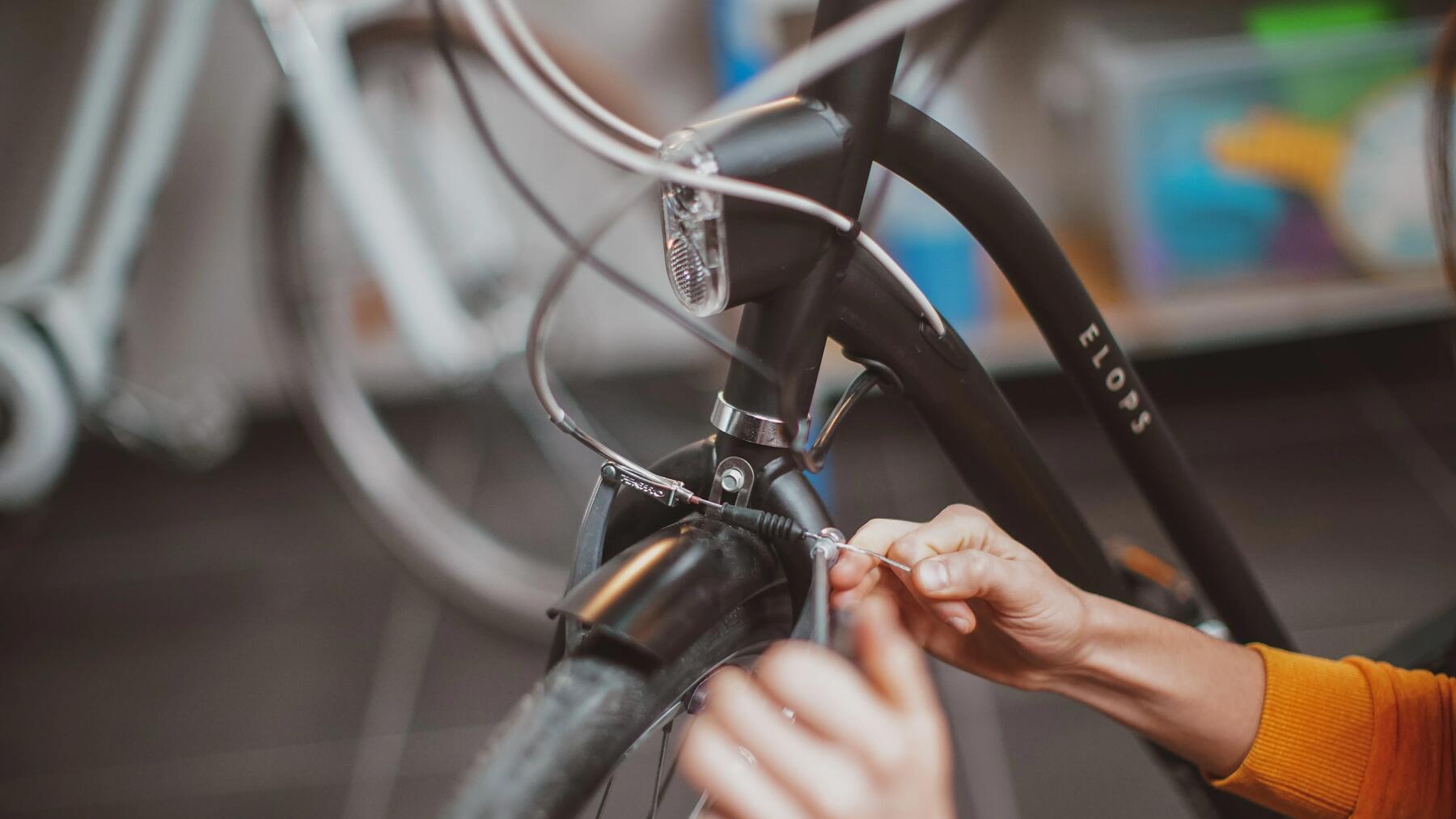
Start by loosening the brake cable. Use the wrench to do this. Pull the cable tight with your hand. Tighten the cable with the wrench again. Make sure the wheel spins freely. Squeeze the brake lever. Check if the brakes stop the wheel. If not, adjust the tension again. Use the screwdriver to adjust brake pads. Ensure they touch the rim evenly. Spin the wheel to test it again. Make sure everything is tight before riding.
Lubricating Brake Cables
Lubricating brake cables ensures smooth operation and reduces wear. Regular maintenance prevents rust and enhances bike safety. Keep cables clean and lubricated for better performance.
Choosing The Right Lubricant
Selecting a lubricantfor bike brakes is crucial. Use oil designed for bike cables. Avoid thick grease; it attracts dirt. Light oil keeps cables smooth. Check labels for compatibility. Some oils work better in cold weather.
Application Techniques
Apply lubricant sparingly. Too much oil can cause mess. Use a clean cloth to wipe excess. Ensure the cable moves freely. Repeat process if needed. Use a straw applicator for precision. It helps to reach tight spots. Avoid spraying directly on brakes.
Troubleshooting Common Issues
Maintaining bike brakes involves regular checks and adjustments to ensure optimal performance. Clean brake pads and rims frequently to avoid dirt buildup. Adjust cable tension to maintain firm braking and replace worn pads promptly for safety.
Squeaking Brakes
Brakes that squeak can be annoying. Dirt can cause this noise. Clean the brake pads with a cloth. Check for rust on the brake discs. Use a spray to remove rust. Ensure the brake pads are not worn out. Replace them if needed. Adjust brake alignment to stop the noise.
Uneven Brake Pressure
Uneven brake pressure makes riding unsafe. Check brake cables for tightness. Loose cables cause uneven pressure. Tighten them carefully. Inspect the brake pads’ position. They should align evenly on the wheel rim. Adjust them if needed. Ensure both sides of brakes apply equal force.
Expert Tips For Longevity
Check your bike brakes regularly. Clean them using a soft cloth. This removes dust and dirt. Dirt can make brakes less effective. Lubricate the brake cables every month. This keeps them working smoothly. Use a bike stand when checking brakes. This helps you see clearly. Make sure brake pads are not worn out. Worn pads can damage wheels. Replace them if they look thin.
Visit a bike shop twice a year. Professionals know how to check brakes well. They can spot issues you might miss. They also have special tools. These tools help in fixing brakes better. Ask them to show you basic checks. You can learn simple things to do at home. Keeping brakes in good shape keeps you safe. It also makes your bike last longer.

Credit: off.road.cc
Frequently Asked Questions
How To Maintain Brakes On A Bike?
Regularly check brake pads for wear and replace them if needed. Clean brake components with a damp cloth. Adjust brake cables for optimal tension. Ensure brake levers are responsive and tight. Lubricate pivot points to prevent rust. Test brakes frequently for safety.
Should You Use Wd-40 On Bike Brakes?
Avoid using WD-40 on bike brakes. It reduces brake effectiveness and contaminates brake pads. Use a proper brake cleaner for maintenance.
Do You Lubricate Bike Brakes?
Do not lubricate bike brakes. Lubrication can reduce friction, affecting braking performance and safety. Ensure brake components stay clean and dry.
How To Make Bike Brakes Last Longer?
Regularly clean and inspect brake pads for wear. Adjust brake tension for optimal performance. Lubricate cables to ensure smooth function. Avoid sudden, hard stops to minimize friction. Store bike in a dry place to prevent rust.
Conclusion
Regular brake checks keep your bike safe and smooth. Clean your brakes often to avoid dust buildup. Replace worn pads for better stopping power. Adjust brake cables to ensure they are tight. Lubricate moving parts for smooth operation. Watch for signs of brake wear or damage.
Listen for unusual noises while braking. Quick maintenance saves time and money. A well-maintained bike means safer rides. Enjoy cycling with peace of mind. Share tips with fellow bikers. Encourage regular bike care for everyone. Safe biking starts with proper brake maintenance.
Keep riding confidently and securely.



