
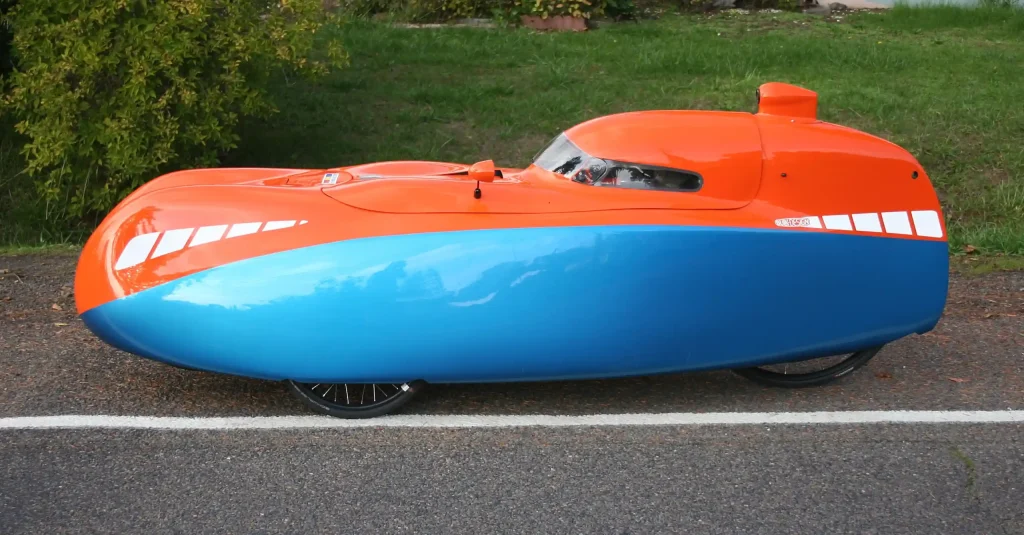
You’ve invested in a velomobile because you value speed, comfort, and eco-friendly travel. But to keep your ride smooth and reliable, regular maintenance is key.
If you want to avoid unexpected breakdowns and enjoy every trip without worry, knowing how to care for your velomobile is essential. This guide will walk you through simple, effective steps to keep your velomobile in top shape. Ready to protect your investment and ride with confidence?
Let’s dive in.
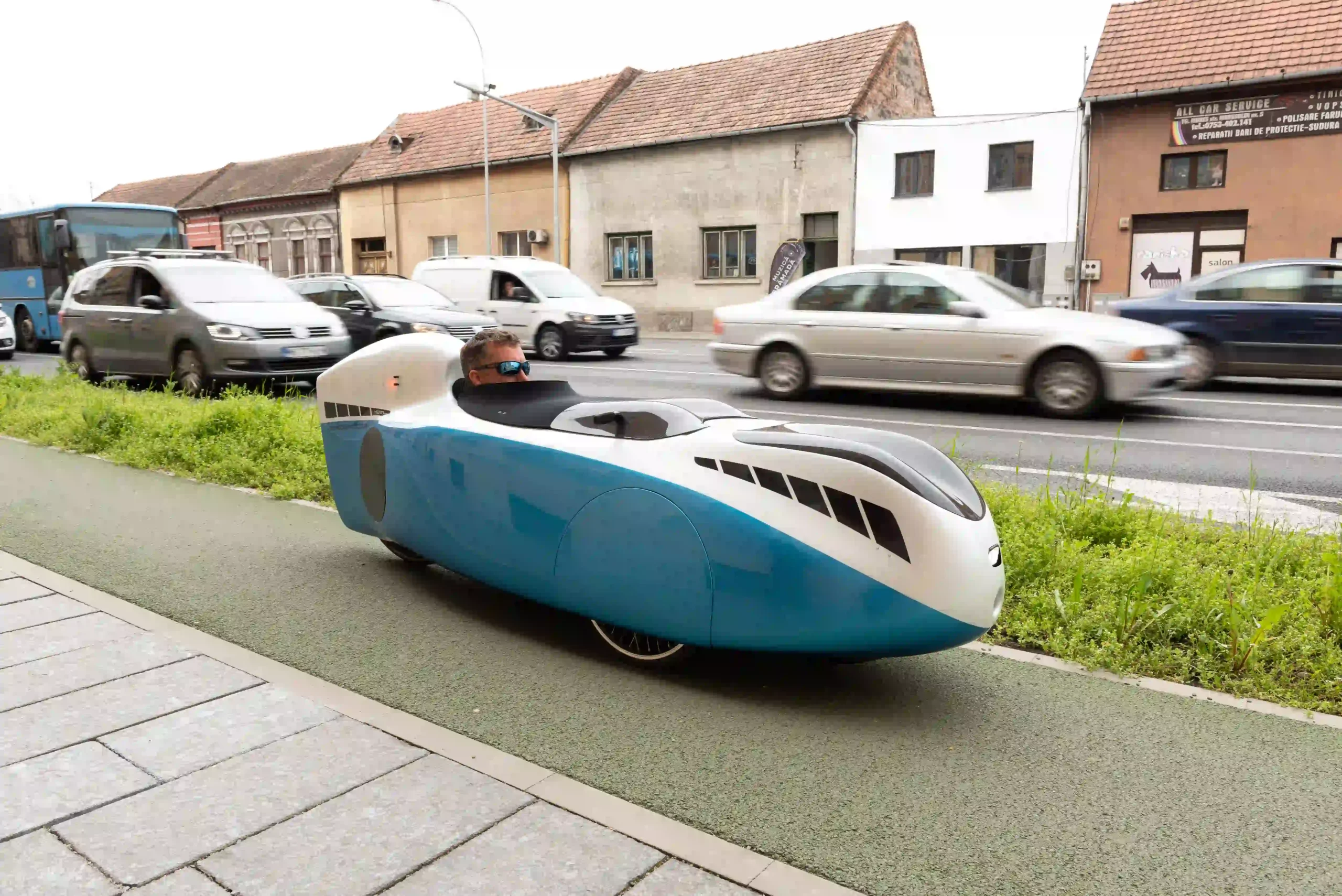
Credit: www.velomobileworld.com
Regular Cleaning
Keeping your velomobile clean helps it last longer and look great.
Regular cleaning removes dirt, dust, and grime from all parts.
Choosing The Right Cleaning Materials
Use soft cloths and mild cleaners to avoid damage. Avoid harsh chemicals that can harm paint or plastic.
- Microfiber cloths for wiping
- Mild soap or bike-specific cleaner
- Soft brushes for hard-to-reach areas
- Clean water for rinsing
Cleaning The Exterior Shell
Wash the shell gently to keep the paint and plastics safe. Use a soft cloth with soap and water.
| Cleaning Step | Details |
| Rinse | Use clean water to remove loose dirt |
| Wash | Apply mild soap with a soft cloth |
| Scrub | Gently use a soft brush on tough spots |
| Rinse Again | Remove soap with clean water |
| Dry | Use a dry cloth to avoid water spots |
Maintaining The Interior
Keep the inside free of dust and moisture to stay comfortable and safe.
- Vacuum seats and floor mats regularly
- Wipe surfaces with a damp cloth
- Air out the interior to prevent odors
- Check and clean vents and small spaces
Inspecting Mechanical Components
Maintaining your velomobile’s mechanical parts helps it run smoothly. Regular checks prevent bigger problems later.
Focus on key parts like the chain, gears, brakes, cables, and bolts. These parts wear out with use.
Checking The Chain And Gears
Look at the chain for rust or stiff links. A clean chain works better and lasts longer.
Check the gears for smooth shifting. Worn gears can slip or cause noise when pedaling.
- Clean the chain with a brush and degreaser.
- Lubricate the chain after cleaning.
- Inspect gear teeth for wear or damage.
- Adjust gear cables to improve shifting.
Inspecting Brakes And Cables
Brakes must stop your velomobile safely. Check brake pads for wear and replace if thin.
Look at brake cables for frays or rust. Smooth cables make brakes work well.
- Test brake pressure by squeezing the lever.
- Replace brake pads if less than 3mm thick.
- Lubricate cables to prevent sticking.
- Tighten or adjust cables for proper brake response.
Tightening Bolts And Fasteners
Loose bolts cause parts to move or fall off. Check all bolts regularly to keep parts secure.
Use the right tool and tighten bolts just enough. Over-tightening can damage parts.
- Inspect bolts on the frame, wheels, and seat.
- Use a torque wrench if possible to avoid over-tightening.
- Check fasteners on the handlebars and pedals.
- Retighten bolts after rough rides or vibrations.
Tire Care
Taking care of your velomobile’s tires keeps you safe and improves riding comfort. Good tire care helps avoid flats and extends tire life.
Check your tires often and follow simple steps to maintain them. This guide covers key points to keep your tires in top shape.
Monitoring Tire Pressure
Keep your tires inflated to the correct pressure. Proper pressure improves performance and prevents damage.
- Use a reliable pressure gauge to check tires.
- Check pressure before every ride.
- Inflate tires to the manufacturer’s recommended PSI.
- Do not overinflate; this can cause a harsh ride.
- Underinflation increases the risk of punctures.
Identifying Wear And Damage
Inspect tires regularly for signs of wear and damage. Early detection helps prevent accidents.
| Type of Wear | Signs to Look For | Action Needed |
| Tread Wear | Shallow or smooth tread | Replace tire |
| Sidewall Damage | Cracks, cuts, or bubbles | Replace tire immediately |
| Punctures | Visible holes or embedded objects | Repair or replace tire |
| Uneven Wear | One side worn more than the other | Check alignment and replace if needed |
Proper Tire Replacement
Replace tires when they are worn out or damaged beyond repair. Using the right tire ensures safety and performance.
- Choose tires that fit your velomobile’s wheels.
- Match tire type to your usual riding conditions.
- Check the tire label for size and pressure ratings.
- Replace both tires at the same time if possible.
- Install tires carefully to avoid damage to the rim or tire.
Credit: medium.com
Lubrication Practices
Maintaining a velomobile needs regular lubrication. Lubrication helps parts move smoothly. It reduces wear and tear.
Good lubrication keeps your velomobile working longer. Learn how to choose and use lubricants properly.
Selecting The Best Lubricants
Choose lubricants made for bicycles or light vehicles. They protect metal parts from rust and friction. Some work better in wet conditions, others in dry.
Look for these types:
- Wet lubricants for rainy weather
- Dry lubricants for dusty or dry areas
- Grease for heavy parts like bearings
Lubricating Moving Parts
Apply lubricant on chains, gears, and bearings. These parts move a lot and face friction. Clean parts before lubricating to remove dirt.
Use a small amount of lubricant. Spread it evenly to cover all surfaces. Wipe off any extra to avoid dirt buildup.
- Chain: apply lubricant on each link
- Gears: cover teeth lightly
- Bearings: use grease as needed
Avoiding Over-lubrication
Too much lubricant attracts dirt and dust. This can cause parts to wear faster. Use only the amount needed to cover surfaces.
After lubricating, remove any excess with a clean cloth. Check your velomobile regularly to keep lubrication balanced.
Electrical System Maintenance
Maintaining the electrical system of your velomobile is key to safe and smooth rides. Regular checks help avoid breakdowns and extend part life.
Focus on battery care, lights, wiring, and moisture protection to keep everything working well.
Battery Care Tips
Check your battery often to keep it healthy. Charge it fully after every ride to avoid damage. Avoid letting the battery drain completely.
Store the battery in a cool, dry place when not in use. Clean the battery terminals to stop corrosion and ensure good contact.
- Charge battery after each use
- Keep battery dry and cool
- Clean terminals regularly
- Do not let battery fully drain
Checking Lights And Wiring
Test all lights before every ride. Replace any burnt-out bulbs or damaged LEDs quickly. Check wiring for cracks or loose connections.
Secure wires so they do not rub or get pinched. Use electrical tape to cover small wire damages. Loose or exposed wires may cause shorts.
- Test headlights, taillights, and indicators
- Replace bulbs or LEDs if needed
- Inspect wiring for damage
- Secure loose wires with tape or ties
Protecting Against Moisture
Moisture can harm your velomobile’s electrical parts. Keep all connectors and battery compartments sealed. Use waterproof covers if needed.
After riding in wet weather, dry the electrical parts carefully. Check for any signs of rust or water inside the system and fix them fast.
- Seal connectors and battery areas
- Use waterproof covers in rain
- Dry electrical parts after wet rides
- Check for rust or water damage
Storage Recommendations
Proper storage helps keep your velomobile safe and in good shape. It prevents damage and extends its life.
Follow simple tips to store your velomobile well during short or long breaks.
Choosing A Suitable Storage Spot
Pick a place that is dry and sheltered from rain and wind. Avoid spots with direct sunlight to stop fading and heat damage.
Choose a flat surface to keep your velomobile stable and avoid pressure on tires or frame.
- Indoors is best, such as a garage or shed
- Keep away from damp or wet areas
- Avoid places with extreme temperature changes
- Ensure good ventilation to prevent mold
Covering And Protecting The Velomobile
Use a breathable cover to protect your velomobile from dust and dirt. Avoid plastic covers that trap moisture.
Clean the velomobile before covering it. Remove mud and debris to prevent scratches and corrosion.
- Use covers made from fabric that allows air flow
- Remove or secure loose parts before covering
- Keep the cover clean to avoid dirt buildup
Seasonal Storage Tips
Before storing for a season, check tire pressure and inflate to the correct level. This stops flat spots on tires.
Lubricate moving parts like chains and bearings to avoid rust. Remove the battery if stored for a long time.
- Inflate tires properly
- Lubricate chain and gears
- Remove or disconnect the battery
- Store in a cool, dry place
Routine Performance Checks
Keeping your velomobile in good shape helps it run well for a long time. Routine checks catch issues early and keep your ride safe.
Regular inspections focus on smooth operation, sound, and planned upkeep. This guide covers important steps to follow.
Test Riding For Smooth Operation
Take your velomobile for a short ride to check its handling and control. Feel how it responds to steering, braking, and pedaling.
- Notice if steering feels tight or loose
- Check if brakes stop smoothly and evenly
- Feel for resistance or slipping while pedaling
- Watch for vibrations or shaking during riding
Listening For Unusual Noises
Sounds can tell you a lot about your velomobile’s condition. Listen carefully during rides to spot problems early.
| Noise Type | Possible Cause |
| Squeaking | Dry or worn brake pads |
| Grinding | Damaged bearings or gears |
| Clicking | Loose chain or derailleur issues |
| Rattling | Loose body panels or parts |
Tracking Maintenance Schedule
Keep a log of all maintenance tasks and dates. This helps ensure timely checks and repairs.
| Date | Task | Notes |
|---|---|---|
| 2024-05-01 | Brake pad check and adjustment | Pads replaced, brakes tested |
| 2024-05-15 | Chain lubrication | Lubricated all moving parts |
| 2024-06-01 | Tire pressure check | Adjusted to recommended PSI |

Credit: newatlas.com
Frequently Asked Questions
How Often Should I Clean My Velomobile?
Clean your velomobile after every few rides or weekly. Regular cleaning removes dirt and debris. It prevents wear and keeps the velomobile looking new. Use mild soap and water, avoiding harsh chemicals that can damage surfaces.
What Maintenance Does A Velomobile Require Regularly?
Regular maintenance includes checking tire pressure, lubricating the chain, and inspecting brakes. Keep the body clean and check for cracks or damage. Regularly inspect electrical components if applicable. Proper maintenance ensures safety and prolongs your velomobile’s lifespan.
How Do I Check Tire Pressure On A Velomobile?
Use a reliable pressure gauge to check tire pressure before rides. Refer to manufacturer guidelines for recommended PSI. Proper tire pressure improves performance, safety, and comfort. Underinflated tires can cause damage and inefficient riding.
Can I Store My Velomobile Outdoors Safely?
Storing outdoors is possible but not ideal. Use a weatherproof cover to protect from rain and sun damage. Ideally, store your velomobile in a garage or sheltered area to prevent rust and wear. Proper storage extends its durability.
Conclusion
Keeping your velomobile in top shape is simple with regular care. Clean it often to avoid dirt buildup. Check tires for pressure and wear. Lubricate moving parts for smooth rides. Inspect brakes regularly for safety. Tighten loose bolts to prevent issues.
Store it properly to protect from weather damage. A little attention goes a long way. Your velomobile will last longer and perform better. Enjoy smooth, fun rides every time. Remember, maintenance is key to a great velomobile experience. Happy riding!



