
You love the thrill of hitting dirt jumps, but is your bike ready to handle every twist and turn? Keeping your dirt jump bike in top shape is key to staying safe and performing your best.
If you want smooth rides and fewer breakdowns, you need to know how to maintain your bike properly. This guide will show you simple, effective steps you can take to keep your bike running like new. Stick with me, and you’ll save time, avoid costly repairs, and enjoy every jump to the fullest.
Ready to take your bike care to the next level? Let’s dive in.
Credit: www.bikemag.com
Essential Dirt Jump Bike Parts
Maintaining your dirt jump bike is key for a safe and smooth ride. Focus on the main parts that take the most impact. Clean and check them often to keep your bike ready for the next jump.
This guide covers the frame and fork, wheels and tires, brakes and cables, drivetrain components, and suspension setup.
Frame And Fork
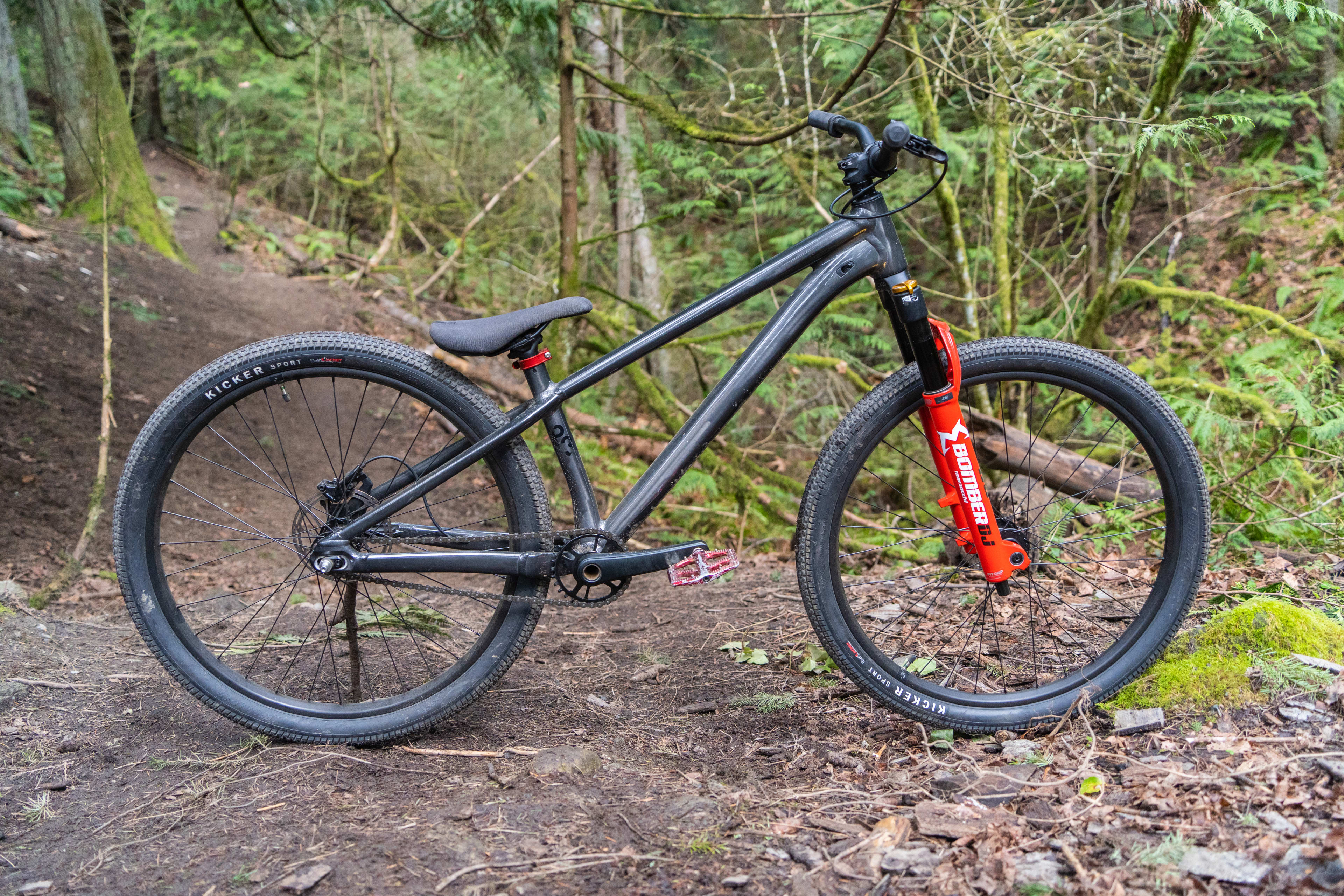
Inspect the frame for cracks or dents after every ride. Dirt jump frames must stay strong to handle hard landings. Clean the fork seals and check for smooth movement. Replace seals if you see oil leaks or dirt buildup.
Wheels And Tires
Check the wheels for loose spokes or bent rims. Tighten spokes to keep wheels true and round. Tires need enough tread for grip and the right pressure for control. Replace worn tires to avoid slipping.
- Look for cracks in rims
- Spin wheels to check for wobbles
- Keep tire pressure between 30-40 PSI
- Replace tires with bald or torn tread
Brakes And Cables
Brakes must stop your bike fast. Check brake pads for wear and replace if thin. Inspect cables for rust or frays. Lubricate moving parts to keep brakes smooth and responsive.
| Part | Check | Action |
| Brake Pads | Less than 2 mm thick | Replace immediately |
| Brake Cables | Rust or fraying | Replace |
| Brake Levers | Sticky or loose | Lubricate or tighten |
Drivetrain Components
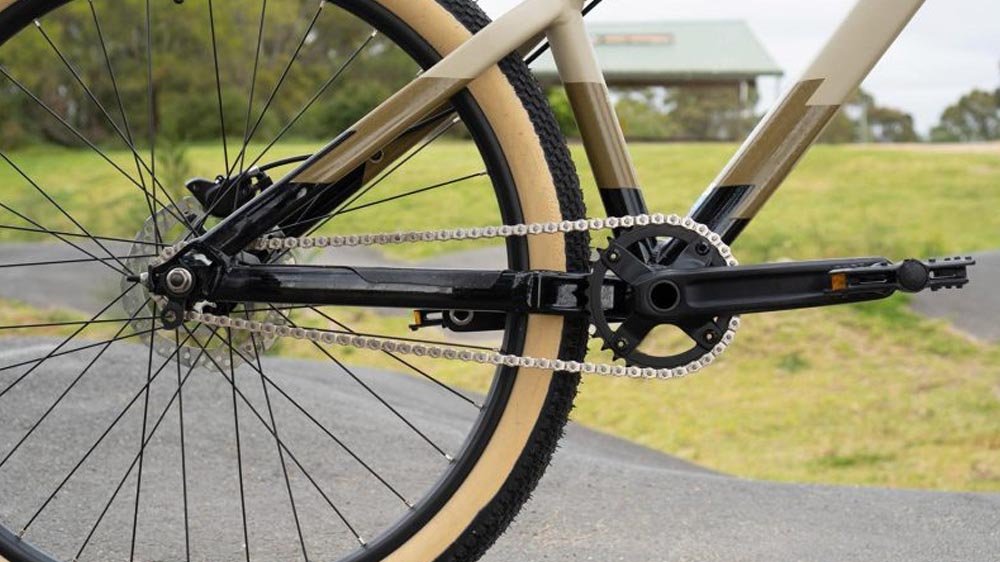
Keep the chain clean and oiled to prevent rust and wear. Check the chainring and sprocket teeth for damage or bending. Tighten bolts and replace worn parts to keep the drivetrain smooth and quiet.
Suspension Setup
Adjust suspension to your weight and riding style. Check for leaks in shocks and clean the seals regularly. Proper suspension helps absorb jumps and reduces bike damage.
- Set correct air pressure or spring tension
- Inspect seals for dirt and damage
- Service suspension yearly or after heavy use
Routine Cleaning Tips
Keeping your dirt jump bike clean helps it work well and last longer. Dirt and grime can cause damage if left unchecked.
Regular cleaning also makes riding safer and more fun. You do not need special skills to keep your bike clean.
Choosing The Right Cleaning Tools
Pick tools that are gentle but effective on your bike. Hard brushes can scratch the paint and parts.
Use soft brushes, cloths, and bike-specific cleaning products. Avoid household cleaners that may harm the bike.
- Soft-bristle brushes for dirt and mud
- Microfiber cloths for wiping parts
- Mild bike cleaner or soap solution
- Bucket with clean water
- Chain cleaner and lubricant
Step-by-step Cleaning Process
Start by rinsing the bike with water to remove loose dirt. Avoid high pressure to protect bearings and seals.
Use a brush and cleaner to scrub the frame, wheels, and parts. Clean the chain and gears carefully with a chain tool.
- Rinse bike with gentle water spray
- Apply bike cleaner on frame and parts
- Scrub frame, wheels, and tires with soft brush
- Use chain cleaner and brush on drivetrain
- Rinse off all soap and dirt
- Dry bike with microfiber cloth
- Lubricate chain and moving parts
Avoiding Common Cleaning Mistakes
Do not use strong chemicals or household cleaners. These can damage bike paint and parts.
Avoid using high-pressure water near bearings and suspension. It can force water inside and cause rust.
- Do not clean bike immediately after riding hot
- Avoid soaking bearings with water
- Do not use abrasive brushes or steel wool
- Dry bike thoroughly to prevent rust
- Apply lubricant only to clean, dry chain
Lubrication And Protection
Keeping your dirt jump bike in good shape needs regular care. Lubrication and protection help your bike run smoothly and last longer.
Proper maintenance stops parts from wearing out fast. It also keeps rust and dirt away from key areas.
Selecting Proper Lubricants
Choose lubricants made for bike parts. Some work better in wet weather, others in dry conditions. Pick one that fits where you ride.
Use light oils for fast parts and thicker greases for slow, heavy parts. Avoid using too much lubricant; it can attract dirt.
- Wet lubricants for rainy or muddy rides
- Dry lubricants for dusty or dry trails
- Grease for bearings and suspension parts
- Use oil for chains and small moving parts
Chain And Drivetrain Care
Clean the chain often to remove dirt and grime. A clean chain lasts longer and shifts gears smoothly.
Apply lubricant after cleaning. Wipe off extra oil to stop dirt from sticking. Check the drivetrain for wear and replace parts if needed.
- Use a brush and degreaser to clean the chain
- Lubricate chain links evenly
- Wipe off excess lubricant with a clean cloth
- Inspect gears and chainrings regularly
Protecting Against Rust And Corrosion
Rust can damage your bike’s metal parts. Keep your bike dry and clean after rides, especially if you ride in wet places.
Use protective sprays that stop rust. Store the bike indoors or cover it if you keep it outside. Regular checks help catch rust early.
- Dry bike thoroughly after wet rides
- Apply rust-preventive spray on metal parts
- Store bike in a dry, covered place
- Check bolts and parts for rust signs
Inspecting And Tightening
Maintaining a dirt jump bike keeps it safe and fun to ride. Checking parts often helps avoid damage.
Tightening loose parts prevents accidents and extends bike life. Focus on bolts, frame, and wheels.
Checking Bolts And Fasteners
Look over all bolts and fasteners on your bike. Make sure none are loose or missing.
Use a wrench to tighten any loose bolts. Avoid over-tightening to prevent damage.
- Check handlebars, stem, and seat post bolts
- Inspect brake and gear cable anchors
- Tighten bolts on pedals and crank arms
- Look at bolts on wheels and frame joints
Assessing Frame And Components For Damage
Examine the frame for cracks, dents, or bends. Damage can cause accidents if not fixed.
Check components like the fork, handlebars, and brakes. Replace or repair parts that look worn or broken.
- Look closely at welds and joints
- Test suspension for smooth movement
- Check brake pads for wear
- Inspect tires for cuts or worn tread
Ensuring Proper Wheel Alignment
Spin the wheels to see if they wobble. Misaligned wheels reduce control and speed.
Adjust the spokes or take the bike to a shop if wheels are not straight. Proper alignment improves riding safety.
- Check for side-to-side wheel movement
- Look for gaps between tire and brake pads
- Make sure wheels spin freely without rubbing
- Verify axle nuts or quick release are tight
Brake Maintenance
Keeping your dirt jump bike’s brakes in good shape is very important. Good brakes help you stop safely and control your bike better.
Regular brake care stops problems before they start. It also makes your rides smoother and safer.
Adjusting Brake Pads
Brake pads wear down and may need adjustment to work well. Check if the pads touch the rim or rotor evenly.
Use the brake lever to see how the pads move. Move the pads closer or farther from the rim or rotor to fix rubbing or weak brakes.
- Loosen the pad bolts slightly
- Align pads so they hit the rim or rotor flat
- Tighten bolts while holding the pads in place
- Test the brake lever for good feel and power
Replacing Worn Brake Components
Brake pads and other parts wear out over time. Replace them to keep braking safe and strong.
Look for thin or cracked pads, damaged rotors, and worn cables. Changing these parts keeps your brakes working well.
- Remove old brake pads or cables carefully
- Choose parts that fit your bike model
- Install new parts following manufacturer instructions
- Check brake function after replacement
Bleeding Hydraulic Brakes
Hydraulic brakes use fluid to work. Air bubbles can get inside and make brakes soft or weak.
Bleeding removes air and old fluid. This keeps brakes strong and responsive.
- Gather a brake bleed kit and fluid
- Attach the kit to the brake caliper and lever
- Open valves to let old fluid and air escape
- Add new fluid and close valves
- Test brake feel and repeat if needed

Credit: www.youtube.com
Suspension Tuning
Proper suspension tuning helps your dirt jump bike perform better. It makes the ride smoother and safer.
Adjusting suspension parts can improve control and comfort on jumps and landings.
Setting Sag And Rebound
Sag is how much the suspension compresses under your weight. Set sag to keep the bike stable.
Rebound controls how fast the suspension returns after a bump. Proper rebound stops bouncing.
- Wear riding gear and sit on the bike to measure sag
- Adjust air pressure or spring preload to get 20-30% sag
- Turn rebound knob to slow or speed up suspension return
- Test ride and fine-tune for smooth landing and control
Regular Suspension Service Intervals
Suspension parts need regular cleaning and oil changes. This keeps them working well.
Follow the manufacturer’s recommended service schedule to avoid damage and wear.
- Clean suspension after every ride to remove dirt
- Change fork and shock oil every 50 hours of riding
- Inspect seals and bushings for cracks or leaks
- Replace worn parts to keep suspension smooth
Troubleshooting Suspension Issues
If your suspension feels too hard or too soft, check sag and air pressure first.
Listen for unusual noises or feel for rough movement to spot problems early.
- Hard suspension may need less air or softer spring
- Soft suspension might need more air or firmer spring
- Oil leaks require seal replacement
- Sticky or slow rebound needs cleaning or damper service
Tire Care And Pressure
Keeping your dirt jump bike tires in good shape helps you ride better and safer.
Proper tire care means checking pressure, looking for damage, and fixing flats fast.
Choosing The Right Tire Pressure
Tire pressure affects your bike’s grip and control. Too high pressure makes the ride harsh. Too low can cause flats.
- Check the sidewall of your tire for pressure limits.
- Start with the pressure the manufacturer recommends.
- Lower pressure slightly for better traction on rough dirt.
- Increase pressure for smooth tracks to reduce rolling resistance.
- Use a reliable gauge to measure pressure before every ride.
Inspecting For Wear And Damage
Look over your tires often to catch cuts, tears, or worn tread early.
| Type of Damage | What to Check | Action Needed |
| Cracks | Sidewalls and tread area | Replace tire if deep cracks appear |
| Worn Tread | Tread pattern depth | Replace tire when tread is smooth |
| Cuts or Punctures | Tire surface and sidewalls | Patch or replace tire depending on size |
Repairing Flats And Punctures
Fix flats quickly to avoid damage to your rim or tube. Carry a repair kit on rides.
- Remove the wheel from your bike.
- Take out the tube carefully and find the hole.
- Use sandpaper to roughen the area around the hole.
- Apply glue and wait a moment before placing the patch.
- Press the patch firmly and check it holds well.
- Put the tube back and inflate to the correct pressure.
- Check the tire for any other damage before riding.
Storage And Transport
Taking care of your dirt jump bike means storing and moving it safely. Proper storage and transport keep the bike in good shape and ready to ride.
Simple steps help avoid damage and extend your bike’s life. Learn how to store and transport your bike right.
Proper Bike Storage Tips
Store your dirt jump bike in a dry, cool place away from sunlight. Avoid damp areas that can cause rust and damage parts.
- Use a bike stand or wall mount to keep it off the ground.
- Cover the bike with a breathable cloth to protect from dust.
- Keep the tires slightly inflated to avoid flat spots.
- Remove the battery if your bike has electric parts.
- Lubricate the chain before long storage periods.
Safe Transport Methods
Transport your dirt jump bike carefully to avoid damage to the frame and components. Use the right equipment and secure the bike well.
| Transport Method | Key Tips |
| Bike Rack on Car | Use padding and straps to prevent movement. |
| Inside Vehicle | Remove wheels if needed and secure the bike firmly. |
| Bike Bag or Case | Choose a padded case and lock zippers when possible. |
Seasonal Maintenance Adjustments
Adjust your bike care routine as seasons change. Different weather affects your bike’s parts in different ways.
- Clean your bike regularly to remove mud and salt during wet seasons.
- Check and replace worn brake pads before winter rides.
- Lubricate moving parts more often in cold weather to prevent rust.
- Inspect tires for cracks or dry rot after long storage.
- Store your bike indoors during harsh weather to avoid damage.

Credit: alpkit.com
Frequently Asked Questions
How Often Should I Clean My Dirt Jump Bike?
Clean your dirt jump bike after every ride. Dirt and mud can damage components and reduce performance. Regular cleaning prevents rust and keeps your bike in top condition.
What Essential Tools Do I Need For Maintenance?
Basic tools include a bike pump, Allen wrenches, chain lubricant, tire levers, and a cleaning brush. These tools help you perform most routine maintenance tasks efficiently and keep your bike ready for jumps.
How Do I Check Tire Pressure For Dirt Jumping?
Check tire pressure before every ride. Use a reliable pressure gauge and inflate tires to the recommended PSI. Proper pressure ensures better control and reduces the risk of flats during jumps.
When Should I Replace The Bike Chain?
Replace your chain if it shows signs of rust, stretching, or skipping gears. Regular lubrication extends chain life, but heavy use in dirt jumping demands more frequent replacement.
Conclusion
Maintaining your dirt jump bike keeps it safe and fun to ride. Clean the bike often to stop dirt from causing damage. Check the tires and brakes for good working order. Tighten loose bolts to avoid accidents. Grease moving parts to make the ride smooth.
Small checks save big repair costs later. Keep your bike ready for every jump and trick. Enjoy every ride with a bike that works well. Simple care makes a big difference in performance and safety.



