
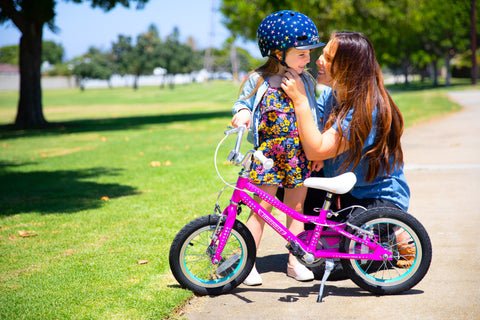
You want your child’s bike to stay safe, smooth, and fun to ride. But how do you keep it in top shape without spending hours or a fortune?
Maintaining your child’s bike might seem tricky, but with a few simple steps, you can make sure it runs perfectly every time. In this guide, you’ll discover easy tips that anyone can follow—no special tools or skills needed. Ready to keep your child’s bike ready for every adventure?
Let’s dive in and make bike care simple and stress-free.
Choosing The Right Bike
Picking the right bike for a child is important for safety and fun. The bike should fit well and match the child’s needs.
This guide covers how to choose the right size and fit. It also explains the types of bikes made for kids.
Size And Fit
Choosing the correct size helps children ride safely and comfortably. A bike that is too big or small can cause accidents.
- Measure the child’s height and inseam length.
- Check the bike’s wheel size; common sizes are 12”, 16”, 20”, and 24”.
- The child should sit on the seat with feet touching the ground.
- Handlebars should be easy to reach without stretching.
- Test the brakes and ensure the child can use them easily.
Types Of Kids’ Bikes
Different bikes suit different ages and skills. It helps to know which type fits your child.
| Type | Age Range | Features |
| Balance Bike | 2 to 4 years | No pedals, helps learn balance |
| Training Wheels Bike | 3 to 6 years | Pedals with extra wheels for support |
| Standard Bike | 6+ years | Two wheels, no extra support |
| Mountain Bike | 8+ years | Sturdy frame, thicker tires |

Credit: www.micro-scooters.co.uk
Regular Cleaning
Keeping a child’s bike clean helps it last longer and work well. Dirt and grime can cause parts to wear out faster. Regular cleaning also makes the bike safer to ride.
Cleaning a bike is simple and can be done with a few basic tools. It takes only a little time and effort to keep the bike looking and running great.
Tools Needed
- Bucket of warm water
- Mild soap or bike cleaner
- Soft cloth or sponge
- Old toothbrush
- Rag or towel for drying
- Chain lubricant
- Brush for scrubbing tires
Step-by-step Cleaning Process
- Rinse the bike with water to remove loose dirt.
- Mix soap with warm water in the bucket.
- Use the cloth or sponge to wash the frame and handlebars.
- Scrub the tires with the brush to clear mud and debris.
- Use the old toothbrush to clean the chain and gears carefully.
- Rinse the bike again with clean water to remove soap.
- Dry the bike with a towel to prevent rust.
- Apply chain lubricant to the chain for smooth riding.
Checking Tire Pressure
Keeping a child’s bike tires at the right pressure helps the bike ride smoothly. It also makes the bike safer to use.
Regular checks of the tire pressure prevent flats and improve the bike’s performance. It is an easy step anyone can do.
How To Measure Pressure
Use a bike tire pressure gauge to check pressure. Remove the valve cap from the tire first.
Press the gauge on the valve stem firmly. The gauge will show the pressure in PSI or bar units.
- Check the pressure when tires are cold for best results.
- Read the gauge number carefully to know the current pressure.
- Replace the valve cap after measuring the pressure.
Recommended Pressure Levels
Child bike tire pressure depends on tire size and weight. Proper pressure helps with balance and control.
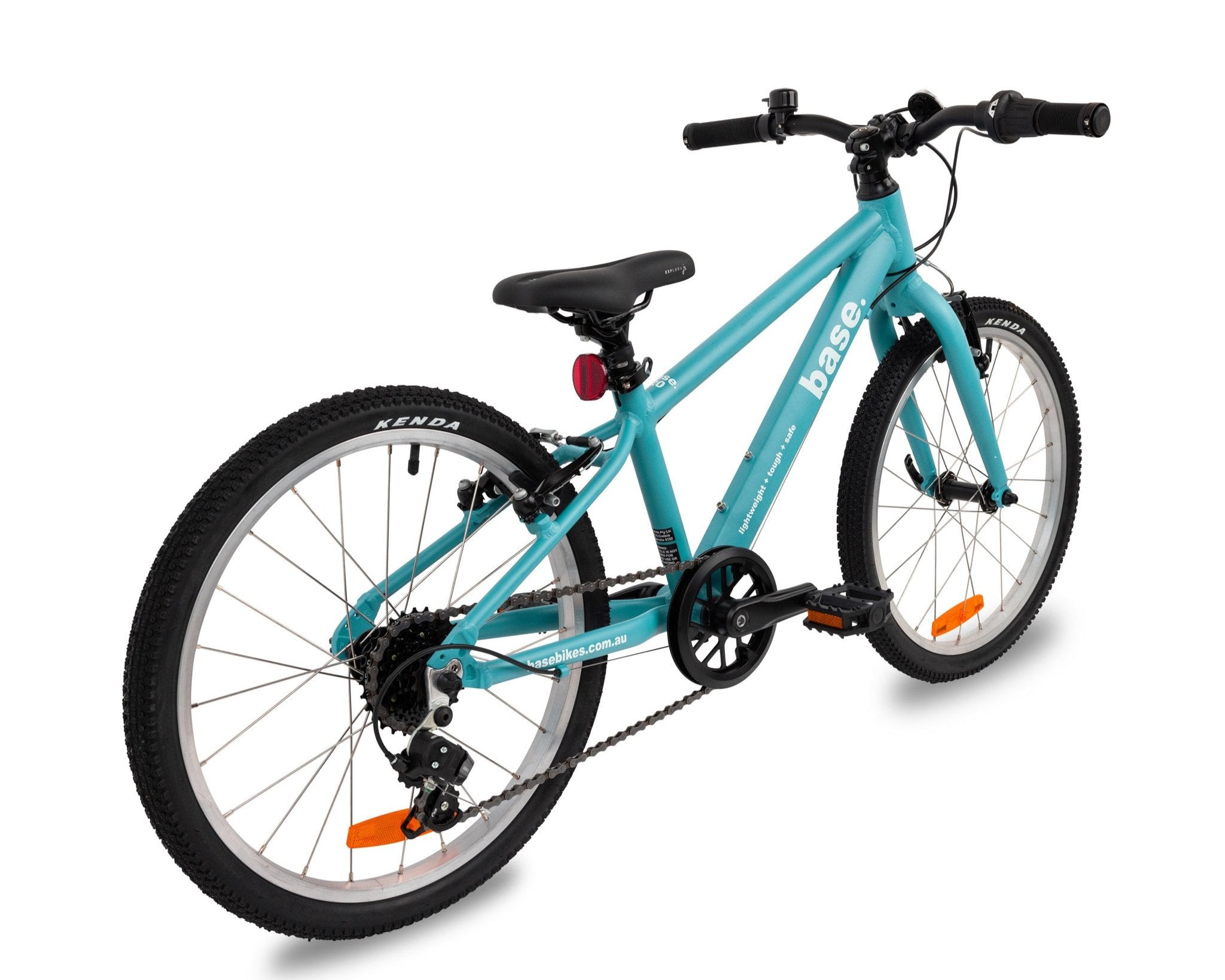
| Tire Size | Recommended PSI |
|---|---|
| 12 inches | 20 – 25 PSI |
| 16 inches | 25 – 30 PSI |
| 20 inches | 30 – 35 PSI |
Always follow the tire sidewall for exact pressure limits. Do not overinflate or underinflate tires.
Credit: basebikes.com.au
Lubricating Moving Parts
Keeping a child’s bike running smoothly needs regular care. Lubricating the moving parts helps the bike work better and last longer.
It also stops parts from wearing out quickly. This guide explains which parts to lubricate and the best lubricants to use.
Which Parts To Lubricate
Focus on parts that move and rub together. These parts need lubrication to reduce friction and prevent rust.
- Chain: The chain moves the pedals to the wheels.
- Derailleur and gears: Help change the bike’s speed.
- Brake levers and cables: Allow smooth braking.
- Pedal bearings: Let the pedals spin easily.
- Wheel hubs: Hold the wheels and let them turn.
Best Lubricants To Use
Choose lubricants made for bikes. They protect parts and keep them moving well.
- Dry lubricants: Good for dusty places. They keep dirt away.
- Wet lubricants: Work well in wet or rainy weather.
- All-purpose bike oil: Easy to use for many parts.
- Grease: Best for bearings and parts that need thick protection.
Clean parts before adding lubricant. Use only a small amount to avoid dirt build-up.
Inspecting Brakes
Checking a child’s bike brakes is very important for safety. Good brakes help stop the bike quickly and avoid accidents.
Regular inspection keeps brakes working well. It also helps find problems early before they get worse.
Types Of Brakes
Children’s bikes can have different types of brakes. Each type works in a special way to stop the bike.
- Rim Brakes:These brakes press pads against the wheel rim.
- Disc Brakes:These use a disc near the wheel hub to stop the bike.
- Coaster Brakes:These brakes work by pedaling backward to stop.
- Drum Brakes:These brakes use a drum inside the wheel to slow down.
Knowing the brake type helps check and fix them correctly.
Signs Of Wear And Tear
Brakes show wear after use. Look for signs that brakes need repair or replacement.
- Brake pads look thin or cracked.
- Brakes feel weak or need extra force to stop.
- Noise like squeaking or grinding when braking.
- Brake cables are frayed or rusty.
- Wheels do not stop quickly or smoothly.
Fix worn parts right away. Good brakes keep children safe while riding.
Adjusting The Seat And Handlebars
Keeping your child’s bike seat and handlebars at the right height helps them ride safely. It also makes riding more comfortable and fun.
This guide explains how to set the seat and handlebars properly. Follow the tips for safety and comfort.
Proper Height Settings
Adjust the seat so your child can touch the ground with their feet. This helps them balance and stop easily.
- Have your child sit on the seat with their feet flat on the ground.
- Raise or lower the seat until the feet can rest comfortably.
- Make sure the seat is tight and does not move during riding.
- Check that the seat is level for better balance.
Ensuring Comfort And Safety
Set the handlebars so your child can hold them without stretching or bending too much. Good handlebar height helps control and prevents pain.
| Handlebar Height | Effect |
| Too Low | Causes back strain and hard steering |
| Too High | Reduces control and causes arm fatigue |
| Correct Height | Allows relaxed arms and easy steering |
Check the handlebar width too. It should match your child’s shoulder width for better balance.
- Always tighten seat clamps and handlebar bolts.
- Test the bike after adjustments in a safe area.
- Recheck height settings regularly as your child grows.
Storing The Bike Safely
Keeping a child’s bike safe during storage helps it last longer. Proper storage stops damage and keeps the bike ready to ride.
This guide explains the best ways to store a child’s bike indoors and outdoors. It also covers how to protect it from weather damage.
Indoor Vs Outdoor Storage
Indoor storage is the safest place for a child’s bike. It protects the bike from dirt, theft, and weather. Outdoor storage is easier but needs extra care.
- Indoor storage keeps the bike dry and safe.
- Use hooks or racks to save space indoors.
- Outdoor storage must be in a secure, shaded area.
- Cover the bike with a waterproof cover if outside.
- Lock the bike to a sturdy object outdoors.
Protecting From Weather Damage
Weather can harm a child’s bike if not stored properly. Rain, sun, and cold cause rust and wear on parts. Use these tips to protect the bike.
| Weather Type | Protection Method |
| Rain | Use a waterproof cover or store indoors |
| Sun | Keep bike in shade or indoors to prevent fading |
| Cold | Store indoors to avoid freezing parts |
| Wind | Secure bike to stop it from falling |
Credit: blog.wheelsbikes.com
Scheduling Routine Maintenance
Keeping a child’s bike in good shape needs regular care. Scheduling routine maintenance helps the bike stay safe and fun to ride.
Setting a regular time to check the bike stops small problems from getting worse. This also makes the bike last longer.
Monthly Checklists
Check the bike every month to find any issues early. Look at parts that wear out fast or need cleaning.
- Check tire pressure and pump air if needed
- Look at brakes for wear and proper stopping
- Make sure the chain is clean and lubricated
- Tighten loose bolts and screws
- Inspect the seat and handlebars for stability
- Clean the bike frame to prevent rust
When To Visit A Professional
Some bike problems need a bike expert. Visit a professional if you cannot fix the issue yourself.
Here are signs that it is time to get professional help:
- Brakes do not work well after adjustment
- Chain keeps slipping or falling off
- Wheels are wobbly or hard to turn
- Gears do not shift smoothly
- Strange noises from the bike during rides
- Frame or parts are damaged
Frequently Asked Questions
How Often Should I Check My Child’s Bike?
Check your child’s bike weekly to ensure safety. Inspect tires, brakes, and chain for wear or damage. Regular checks prevent accidents and keep the bike running smoothly.
What Is The Best Way To Clean A Child’s Bike?
Use mild soap and water with a soft cloth to clean the bike. Avoid harsh chemicals that damage paint or parts. Dry the bike thoroughly to prevent rust.
How Do I Maintain The Bike Chain Properly?
Lubricate the chain monthly with bike-specific oil. Clean dirt and debris before applying lubricant. This keeps the chain smooth and extends its life.
When Should I Replace Bike Tires For Children?
Replace tires when tread is worn or cracks appear. Check for punctures or frequent air loss. Proper tires improve safety and riding comfort.
Conclusion
Maintaining a child’s bike ensures their safety and fun rides. Regular checks keep the bike in top shape. Tighten loose parts like bolts and screws. Clean the chain to prevent rust and ensure smooth pedaling. Inflate the tires properly for a comfortable ride.
Adjust the brakes for quick stopping power. Teach your child to care for their bike too. It builds responsibility. Remember, a well-maintained bike lasts longer and offers more adventures. Keep these simple tips in mind. Your child will enjoy cycling safely and happily.
Riding a well-cared bike creates lasting memories.



