
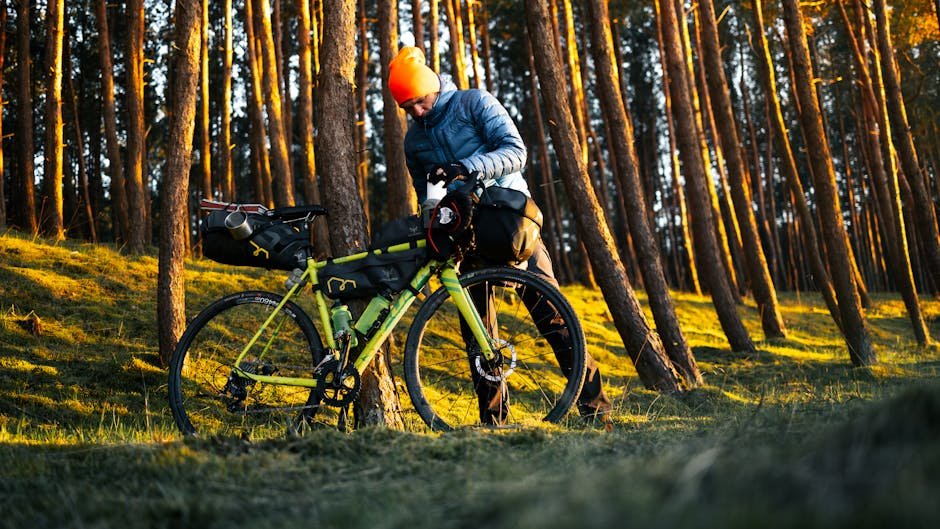
You’ve packed your gear, mapped your route, and hit the open road on your bikepacking adventure. But what happens when your bike starts acting up miles away from a bike shop?
Knowing how to maintain your bikepacking bike on the road isn’t just useful—it’s essential. This guide will give you simple, practical tips to keep your bike running smoothly, so you stay safe and enjoy every mile. Keep reading, and you’ll learn how to handle common problems quickly and confidently, turning potential setbacks into just another part of your journey.
Pre-trip Bike Check
Before heading out on a bikepacking trip, check your bike carefully. This helps avoid breakdowns and keeps you safe on the road.
Focus on key parts like tires, chain, brakes, and bolts. A quick check can save you time and trouble later.
Inspect Tires And Tubes
Look over your tires for cuts, cracks, or worn tread. Check the tubes for leaks or damage. Make sure tires are properly inflated to the recommended pressure.
- Check tire sidewalls for cracks or dry rot
- Look for embedded objects like glass or thorns
- Press tires to ensure firm inflation
- Carry a spare tube and patch kit
Lubricate The Chain
A clean and lubricated chain helps your bike run smoothly. Remove dirt and old oil before applying fresh lubricant.
Use bike-specific chain lube and apply it evenly. Wipe off extra oil to avoid attracting dirt.
Check Brake Functionality
| Brake Part | Check | Action Needed |
| Brake Pads | Wear and alignment | Replace if thin or misaligned |
| Brake Levers | Feel and travel distance | Adjust if loose or too far |
| Brake Cables | Fraying or rust | Replace if damaged |
Test brakes by squeezing levers firmly. Ensure the bike stops quickly and smoothly.
Tighten Bolts And Screws
Check bolts and screws on your bike frame, racks, and accessories. Loose parts can cause damage or accidents.
Use a torque wrench if possible. Follow this list to check key bolts:
- Stem and handlebar bolts
- Seatpost clamp bolts
- Rack and pannier mounting bolts
- Crank arms and pedals
Essential Tools To Carry
Carrying the right tools helps you fix bike issues on the road. This keeps your trip safe and smooth.
Focus on tools that are lightweight and cover common repairs. These tools save time and effort.
Multi-tool Kit
A multi-tool kit combines many tools in one compact device. It includes Allen wrenches, screwdrivers, and sometimes a chain breaker.
- Allen wrenches for bolts
- Flathead and Phillips screwdrivers
- Chain breaker tool
- Tire levers
Spare Tubes And Patch Kit
Flat tires are common on long rides. Carrying spare tubes and a patch kit helps you fix punctures fast.
| Item | Purpose |
| Spare Tube | Replace punctured tube quickly |
| Patch Kit | Fix small punctures without tube swap |
| Tire Levers | Remove tire from rim |
Pump Or Co2 Inflator
Air is needed to inflate tires after repairs. Pumps and CO2 inflators serve this purpose.
- Hand pump: reliable and reusable
- CO2 inflator: fast inflation with cartridges
- Choose based on weight and ease
Chain Link And Lubricant
A broken chain can stop your ride. Carry a spare chain link to fix breaks fast. Lubricant keeps the chain running smoothly.
- Quick link for chain repair
- Bike chain lubricant to reduce wear
- Apply lubricant after cleaning the chain
On-the-road Tire Repairs
Bikepacking trips often take you far from help. Tire problems can stop your ride. Knowing how to fix tires on the road keeps you moving.
Carrying the right tools and parts helps you handle flats and damage. Quick repairs save time and energy during your journey.
Fixing Flats Quickly
Fixing a flat fast means less waiting and less cold. First, remove the wheel from the bike. Then, take out the tube carefully.
Find the hole by listening for air or by feeling with your hand. Use water if you have it to spot bubbles. Patch or replace the tube once the hole is found.
- Remove wheel and tire quickly
- Find the hole by sound or touch
- Use patch kit or spare tube
- Reinstall tire and inflate carefully
Dealing With Punctures
Punctures can be caused by sharp objects on the road. Check the tire inside and out for thorns or glass. Remove anything stuck before fixing the tube.
Use a patch kit if you do not have a spare tube. Roughen the tube surface, apply glue, then place the patch. Press firmly and wait before inflating.
- Inspect tire for sharp objects
- Remove debris from tire and tube
- Prepare tube surface before patching
- Apply patch and wait to dry
Replacing A Tire
Tires can get damaged beyond repair. Carry a spare tire if you can. To replace, remove the damaged tire from the rim first.
Fit the new tire on the rim, making sure it sits evenly. Put the tube inside and inflate slowly. Check for any pinches before riding.
- Remove the damaged tire from the rim
- Place new tire evenly on rim
- Insert tube inside the tire
- Inflate slowly and check for pinches

Credit: www.reddit.com
Chain And Drivetrain Care
Keeping your bike chain and drivetrain clean helps your bike run smoothly. Dirt and grime can cause wear and damage parts quickly.
Regular care on the road keeps your bike reliable for long trips and tough trails.
Cleaning The Chain
Use a rag and a brush to remove dirt from the chain. Apply a bike-specific degreaser to break down old grease and grime. Rinse with water and dry the chain completely before lubricating.
- Shift to the smallest chainring and sprocket
- Apply degreaser and scrub with a brush
- Rinse with water and dry with a clean cloth
- Lubricate the chain after cleaning
Adjusting The Derailleur
A well-adjusted derailleur shifts gears smoothly. Check the limit screws and cable tension to prevent chain drops or skipping gears. Use the barrel adjuster to fine-tune shifting.
| Adjustment Part | Purpose | How to Adjust |
|---|---|---|
| High Limit Screw | Stops chain from going past smallest sprocket | Turn screw until derailleur aligns with smallest sprocket |
| Low Limit Screw | Stops chain from going past largest sprocket | Turn screw until derailleur aligns with largest sprocket |
| Barrel Adjuster | Tunes cable tension for smooth shifting | Turn clockwise or counterclockwise to adjust cable tightness |
Managing Chain Wear
Check your chain for wear to avoid damage to other parts. Use a chain checker tool or measure with a ruler. Replace the chain if it stretches beyond limits.
- Clean the chain regularly
- Inspect for stiff or damaged links
- Measure chain stretch every 500 miles
- Replace chain before it causes cassette wear
Brake Maintenance
Keeping your bike’s brakes in good shape is very important for safety. Proper brake care helps you stop smoothly on any road.
Regular checks and quick fixes prevent bigger problems. Let’s look at how to maintain your bike’s brakes during a trip.
Adjusting Brake Pads
Brake pads wear down and need adjusting to stay effective. Pads should touch the rim or disc fully when you pull the brake lever.
Use a screwdriver or Allen key to move the pads closer or farther from the rim or rotor. Make sure they do not rub when brakes are off.
- Check pad alignment with the rim or disc
- Loosen bolts to move pads up or down
- Tighten bolts once pads are in the right place
- Test brakes to confirm proper contact
Replacing Brake Cables
Brake cables can stretch or fray over time. Replacing them keeps your brakes responsive and safe.
First, remove the old cable by loosening the bolt on the brake arm. Then, thread a new cable through the lever and brake mechanism.
- Release cable tension by loosening the brake arm bolt
- Pull the old cable out from the lever and brake
- Insert a new cable carefully through the lever
- Secure the cable in the brake arm and tighten the bolt
- Adjust cable tension for strong brake response
Checking Brake Fluid Levels
Hydraulic brakes use brake fluid to work well. Low fluid can cause weak braking or brake failure.
Check the brake fluid reservoir regularly. Add the correct fluid type if levels are low. Use a clean cloth to avoid dirt.
- Locate the brake fluid reservoir on the brake lever
- Open the reservoir cover carefully
- Check fluid level against the marked line
- Add brake fluid if below the minimum level
- Close the cover tightly to avoid leaks
Suspension And Frame Checks
Bikepacking bikes face tough conditions on the road. Regular checks help keep your bike safe and smooth.
Focus on suspension and frame to avoid failures and improve ride quality.
Inspecting Suspension Components
Look over your suspension parts for damage or dirt. Clean parts work better and last longer.
Check for leaks in shocks and fork seals. Listen for strange noises when you compress the suspension.
- Clean suspension parts with a soft cloth
- Check for scratches or dents on the fork stanchions
- Look for oil leaks near shock seals
- Test suspension movement for smoothness
- Listen for clicking or grinding sounds
Checking Frame Integrity
Inspect your bike frame for cracks or dents. These can cause serious issues on long rides.
Pay attention to welds and joints where stress is high. Small damage can get worse over time.
- Look closely at weld seams for cracks
- Check frame tubes for dents or bends
- Feel for any unusual flex in the frame
- Examine paint for chips revealing metal underneath
Tightening Suspension Bolts
Loose bolts can cause suspension failure or unsafe riding. Check all bolts regularly.
Use the right tools and torque settings. Over-tightening can also damage parts.
- Use a torque wrench for correct tightness
- Check bolts on shocks, forks, and linkages
- Retighten bolts after rough rides
- Follow manufacturer torque specs
Handling Unexpected Breakdowns
Bikepacking trips can take you far from help. Unexpected breakdowns can stop your ride. Knowing simple fixes keeps you moving.
Carry tools and parts for quick repairs. This guide covers frame damage, broken spokes, and gear shifting issues.
Temporary Fixes For Frame Damage
Small cracks or dents in your bike frame can worsen if not handled fast. Temporary fixes protect the frame until you reach a repair shop.
- Use strong tape to cover cracks and prevent dirt entry.
- Wrap the damaged area with a piece of rubber from an old tube for extra support.
- Tighten any loose bolts near the damage to avoid more stress.
- Ride gently and avoid rough terrain to reduce pressure on the frame.
Dealing With Broken Spokes
A broken spoke can make your wheel unstable. Fixing it quickly can prevent bigger damage and keep your bike rideable.
| Problem | Temporary Fix | Notes |
| Single broken spoke | Tighten nearby spokes to balance tension | Use spoke wrench if available |
| Multiple broken spokes | Use zip ties to secure loose spokes | Ride carefully to avoid wheel wobble |
| Missing spoke nipple | Wrap spoke end with tape to prevent cuts | Replace nipple at next service |
Emergency Gear Shifting Solutions
Gear shifting problems can slow you down. Some quick fixes let you keep riding until proper repairs are possible.
- If the derailleur is stuck, try pushing the chain onto a smaller gear by hand.
- Use zip ties to hold a bent derailleur in place temporarily.
- Shift to a single gear if the shifter or cable breaks.
- Lubricate the chain if it skips or sticks during shifting.
- Carry a small multi-tool with Allen keys and a chain tool for adjustments.

Credit: bikepacking.com
Daily Cleaning And Upkeep
Keeping your bike clean every day helps it work better and last longer. A quick daily check stops small problems from growing.
Simple cleaning and care make your bikepacking trips smoother. It also keeps your bike safe in all conditions.
Wiping Down The Bike
Use a soft cloth to wipe your bike frame and parts. Remove dust, sweat, and mud after each ride.
Focus on areas that touch your hands and body. Clean surfaces prevent rust and keep your bike looking good.
Removing Dirt From Moving Parts
Check the chain, gears, and brakes for dirt every day. Dirt can cause these parts to wear out fast.
Use a small brush or cloth to clean these parts gently. Avoid using too much water to protect the bearings.
- Brush the chain to remove mud and sand
- Clean gear teeth to keep shifting smooth
- Wipe brake pads to maintain stopping power
Storing The Bike Safely Overnight
Find a dry, sheltered place to keep your bike safe. Avoid leaving it in wet or dusty spots overnight.
Use a bike cover if you have one. Secure the bike to prevent it from falling or being damaged.
- Cover the bike to protect from rain and dust
- Store away from direct sunlight to avoid damage
- Lock the bike to keep it secure

Credit: bikepacking.com
Frequently Asked Questions
How Often Should I Check My Bikepacking Bike On The Road?
Check your bikepacking bike daily during long trips. Inspect tires, brakes, chain, and gears for wear or damage. Early detection prevents breakdowns and ensures safe rides.
What Essential Tools Should I Carry For Bike Maintenance?
Carry a multi-tool, tire levers, patch kit, pump, spare tubes, and chain lubricant. These tools cover most roadside repairs and keep your bike functioning smoothly.
How Do I Clean My Bikepacking Bike While Traveling?
Use a damp cloth to wipe dirt and grime daily. Avoid harsh chemicals. Clean the chain and gears regularly to maintain smooth shifting and prevent rust.
How Can I Prevent Flat Tires On Long Bikepacking Trips?
Keep tires properly inflated and inspect for debris or cuts. Use puncture-resistant tires or liners. Carry a patch kit and spare tubes for quick repairs on the road.
Conclusion
Maintaining your bikepacking bike on the road is crucial. It ensures a smooth journey. Regular checks prevent unexpected issues. Keep tools handy for quick fixes. Clean your bike often to avoid wear. Lubricate the chain for better performance. Check tire pressure regularly.
Always inspect brakes for safety. Keep spare parts in your pack. Practice these habits. A well-maintained bike means more fun rides. Enjoy your bikepacking adventures with confidence. Safe travels and happy riding!



