
Do you want to ride smoother and extend the life of your mountain bike? Lubricating your bike chain is crucial for a seamless ride and keeping your gear in top condition.
It might seem like a small task, but it makes a significant difference in performance and maintenance. Imagine gliding effortlessly over trails, every pedal stroke feeling efficient and powerful. By properly lubricating your chain, you can achieve this while also preventing annoying squeaks and the dreaded rust.
Curious about how to do it right? Let’s dive into the simple steps that will transform your biking experience. You’ll wonder how you ever rode without this essential knowledge.
Credit: www.facebook.com
Choosing The Right Lubricant
Wet lubricants are great for rainy days. They stick well and protect. But they can attract dirt. Dry lubricants are better for dry days. They don’t collect dust. Each type has pros and cons. Choose based on the weather.
Some lubricants are kind to nature. They break down easily and don’t harm plants. Look for the label “biodegradable.” These options are safe for the planet. They still work great on bike chains.
Winter needs thick lubricants. This helps the chain resist ice and cold. In summer, use lighter lubricants. They keep the chain smooth and clean. Changing lubricants each season helps your bike last longer.
Preparation Steps
Gather necessary tools like a clean rag and suitable bike lubricant. Ensure the bike is stable for easy access.
Cleaning The Chain
Use a clean rag to wipe the chain. Remove all dirt and grime. A brush can help scrub tough spots. Ensure the chain is dry before moving on. This prevents rust and damage. Clean chains work better and last longer.
Inspecting For Wear
Look closely at the chain links. Check if any are stretched or broken. Worn chains can harm bike performance. If the chain looks bad, consider replacing it. A healthy chain keeps the bike running smoothly.
Gathering Tools And Materials
- Lubricant:Choose a bike-specific lubricant.
- Rag:A clean cloth to apply lubricant.
- Brush:For cleaning dirt off the chain.
- Chain checker:To inspect chain wear.
Ensure all tools are ready before starting. This makes the process quick and easy.
Applying Lubricant
Ensure the bike is stable before applying lubricant. Clean the chain with a dry cloth to remove dirt. Apply lubricant evenly while rotating the pedals, then wipe away excess with a clean cloth.
Proper Technique
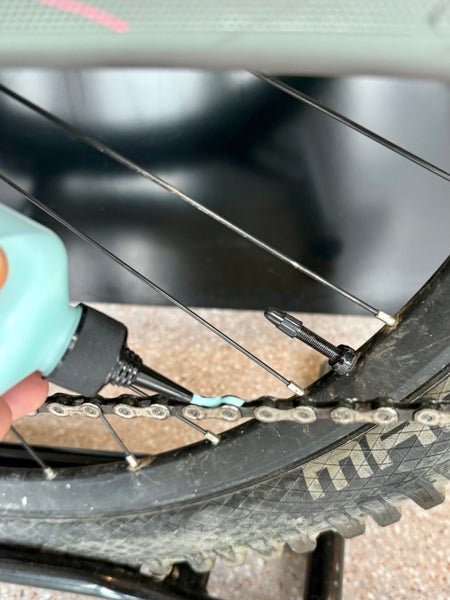
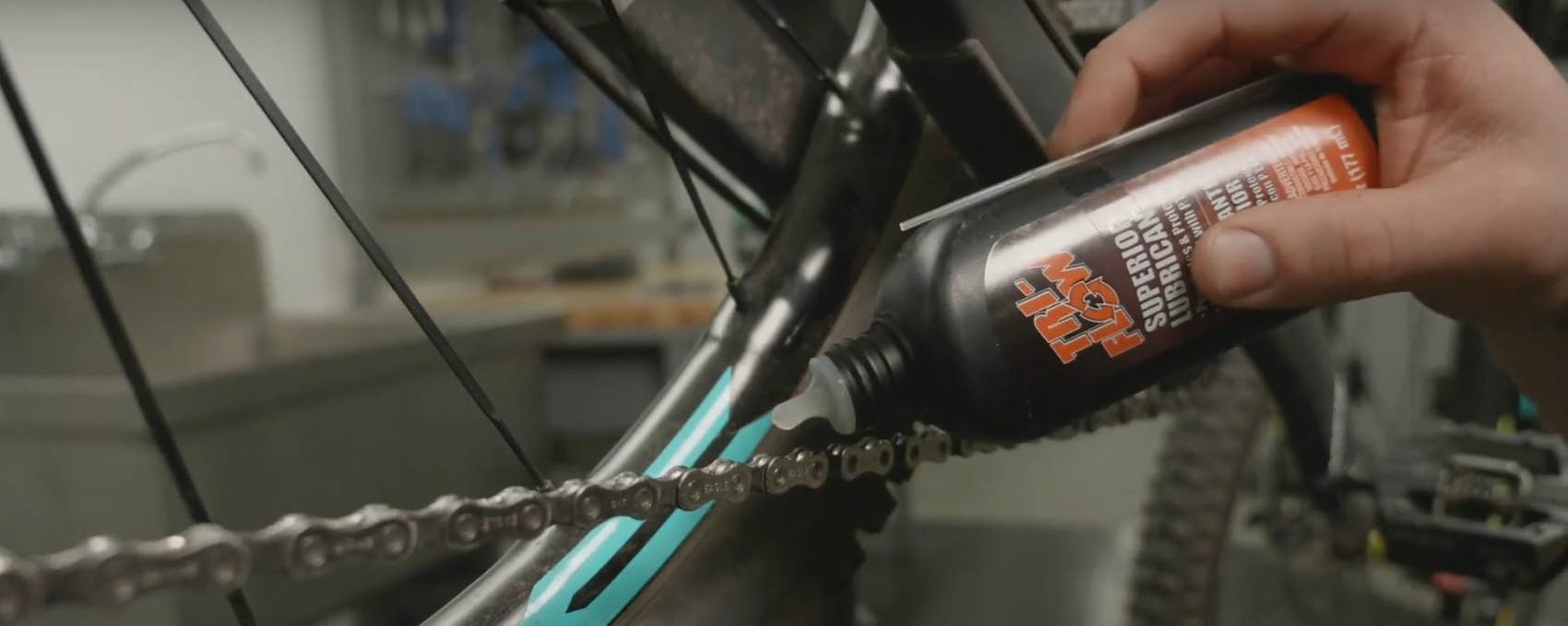
Clean your bike chain first. Dirt can hurt the chain. Hold the bottle of lubricant above the chain. Spin the pedals backward. This moves the chain. Squeeze the bottle gently. Allow drops to fall on each link. Focus on the inner side of the chain. This is where it needs lubrication most.
Avoiding Over-application
Too much lubricant attracts dirt. Use only a few drops. Excess lubricant can make the chain sticky. Wipe off extra lubricant with a clean cloth. This keeps the chain running smoothly. Be gentle when wiping.
Ensuring Even Coverage
Make sure each link gets some lubricant. Do not skip any links. Spin the pedals backward a few times. This helps spread the lubricant evenly. Check the chain for dry spots. Add more if needed but not too much.

Credit: localfreshies.com
Post-lubrication Maintenance
Regular checks ensure your mountain bike chain stays in top condition after lubrication. Clean excess oil and inspect links for wear. Consistent maintenance keeps rides smooth and gear shifts efficient.
Wiping Excess Lubricant
After lubricating, it’s important to wipe off extra oil. Use a clean cloth. This keeps the chain clean and prevents dirt buildup. A clean chain works better and lasts longer. Wipe gently to avoid removing too much oil.
Checking Chain Tension
Chain tension affects bike performance. Check if the chain is too tight or loose. A properly tensioned chain helps smooth rides. Adjust it carefully using tools if needed. Ensuring proper tension reduces wear and tear.
Regular Lubrication Schedule
Set a regular schedule for lubrication. Lubricating often keeps the chain in good shape. It protects against rust and wear. A well-lubricated chain means a longer lifespan for your bike. Regular care ensures a smooth ride.
Common Mistakes To Avoid
Cleaning the chain before applying lubricant is essential to prevent dirt buildup. Use the right type of lubricant for your bike. Avoid over-lubricating as it attracts dust and grime, affecting performance.
Using Incorrect Lubricant
Using the wrong lubricant can harm your bike chain. Avoid using thick oils that attract dirt. Water-based lubricants can wash away quickly. Choose a special bike chain lubricant for the best results. This keeps the chain smooth and long-lasting.Neglecting Chain Cleaning
A dirty chain wears out faster. Always clean the chain before applying lubricant. Dirt and grime can reduce the chain’s lifespan. Use a brush or rag to remove dirt. This ensures the lubricant works better.Ignoring Environmental Factors
Weather affects how the lubricant works. In wet conditions, choose a wet lube. It sticks better and protects the chain. In dry weather, use a dry lube. This prevents dust from sticking. Picking the right lube for the weather helps keep the chain in top shape. `
Credit: www.youtube.com
Expert Recommendations
Gather all necessary tools before starting. A good chain lubricantis essential. Use a clean cloth to remove dirt. A small brush can help with stubborn grime. Have a chain cleaner for a deeper clean. A bike stand will make the task easier. Keep these tools handy for regular maintenance.
Apply lubricant to a dry chain. Ensure even coverage on each link. Remove excess oil with a cloth. This prevents dirt buildup. Regular lubrication extends chain life. Lubricate after riding in wet conditions. This practice keeps the chain smooth.
Use different lubricants for various terrains. Wet lube works best in rainy areas. It stays on the chain longer. Dry lube is ideal for dusty roads. It attracts less dirt. Adjust frequency of lubrication based on terrain. This ensures optimal bike performance.
Frequently Asked Questions
Is Wd-40 Good For Mountain Bike Chains?
WD-40 is not ideal for mountain bike chains. It can remove essential lubricants. Use a bike-specific chain lube for optimal performance. Proper lubrication prevents rust and ensures smooth riding. Regular maintenance with the right products extends your bike chain’s lifespan and enhances your biking experience.
What Is The Best Thing To Lubricate A Bike Chain?
Use a high-quality bike chain lubricant for optimal performance. Choose between wet and dry lubricants based on riding conditions. Wet lubricants are ideal for rainy weather, while dry lubricants work best in dusty environments. Regular lubrication prevents rust, reduces friction, and extends chain lifespan.
Always clean the chain before applying lubricant.
What Is The Biggest Mistake On Chain Lube?
Using too much lube is the biggest mistake. Excess lube attracts dirt, causing chain wear and poor performance. Apply a small amount to avoid this issue. Regular maintenance ensures efficient bike operation and prolongs chain life. Clean chains before lubrication for optimal performance.
How Often Should You Lube A Mountain Bike Chain?
Lube your mountain bike chain every 100-150 miles or after riding in wet or muddy conditions. Regular lubrication prevents rust and reduces wear. Check for dirt and apply lubricant as needed. Maintaining a clean chain enhances performance and prolongs its lifespan.
Always wipe off excess lubricant after application.
Conclusion
Keeping your mountain bike chain lubricated is essential for smooth rides. Regular maintenance ensures better performance and extends the chain’s life. Use the right type of lubricant for your bike. Clean the chain thoroughly before applying lubricant. Apply evenly for optimal results.
Remember to wipe off any excess to prevent dirt buildup. Proper lubrication also reduces wear and tear. Consistency in this task will save you from costly repairs. Enjoy quieter, more efficient biking experiences. Happy cycling on those adventurous trails!



