
You’re about to leave your bike outside overnight and the thought makes you uneasy. You’ve invested in this trusty ride, and the last thing you want is to find it missing or damaged come morning.
The good news? You can drastically reduce the risk of theft or vandalism with a few strategic moves. Imagine waking up knowing your bike is safe and sound, just where you left it. How do you make that happen? In this guide, you’ll learn practical and effective ways to lock your bike for overnight storage.
By the end, you’ll have the confidence to leave your bike behind, knowing it’s protected. Stay with us, and discover the peace of mind that comes with a well-secured bike.

Credit: www.reliance-foundry.com
Choosing The Right Lock
Bike locks come in many types. U-locksare strong and hard to break. Chain locksare flexible and can wrap around big objects. Cable locksare light and easy to carry. Each type has its own advantagesand disadvantages.
A strong lock keeps your bike safe. Choose locks made of steelfor strength. A thick lockis hard to cut. Make sure the lock is tough and lasts long. Check if the lock can resist cutting tools.
Locks stay outside in rain and sun. Choose locks with weather-resistantfeatures. Some locks have covers to keep them dry. Locks that resist rust last longer. Look for locks that work well in any weather.
Selecting A Secure Location
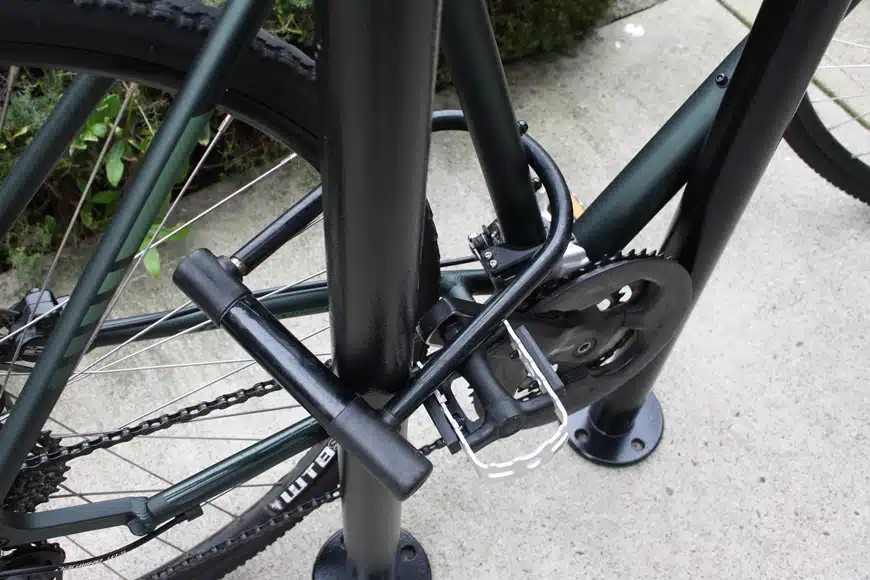
Find a well-lit area with high foot traffic for overnight bike storage. Choose sturdy structures like bike racks or poles, ensuring they can’t be easily tampered with. Secure your bike using a strong lock, preferably a U-lock, through the frame and wheel.
Choosing between public and private spaces is important. Public spaces are often busy. This can be good for safety. Private spaces might be less busy. But they can feel safer because they are less open. Always consider the pros and cons of each. A busy public area may have more eyes watching. A private space may have fewer people around. Good visibility and lighting are key to safety. A well-lit area helps you see clearly. It also helps others see your bike. Thieves don’t like light. They prefer dark spots. Make sure your bike is easy to see. It should be in a spot where people pass by often. Light makes it harder for thieves to hide. Always avoid high-risk areas. These are places where theft happens a lot. Busy places are usually safer. Thieves don’t like being watched. If a place feels unsafe, it probably is. Trust your feelings. Choose a spot where you feel good leaving your bike. `Proper Locking Techniques
Secure your bike by using a sturdy U-lock through the frame and a wheel. Choose a well-lit area, visible to passersby, for added security. Consider removing accessories to deter theft.
Securing The Frame And Wheels
Always lock your bike’s frame to a strong object. This keeps it safe. Use a sturdy lock. U-locks are strong and reliable. Lock both wheels if possible. Cable locks help secure wheels. Thieves target easy parts. Protect your bike’s parts.
Using Multiple Locks
Use more than one lock for better security. Thieves avoid bikes with multiple locks. Combine a U-lock with a cable lock. Each lock adds extra safety. Different locks protect different parts. It makes stealing harder.
Locking To Fixed Objects
Find a strong and fixed object to lock your bike. Trees and poles are good options. Ensure the object cannot be moved or broken. Thieves can’t easily take your bike. Parking meters and bike racks are reliable. Choose well-lit places for safety.

Credit: www.reliance-foundry.com
Additional Security Measures
Using sturdy locks and chains can deter theft overnight. Secure your bike to immovable objects like bike racks or poles. Consider a location with surveillance or good lighting for added security.
Alarm Systems
Alarm systemsmake loud sounds when someone touches your bike. Thieves get scared and run away. Choose an alarm that fits your bike well. Some alarms come with remote controls. These help you turn them on and off easily. Always check the battery. A dead battery makes the alarm useless.
Gps Tracking Devices
GPS tracking deviceshelp find your bike if stolen. They send signals to your phone. You can track the bike’s location. Some devices are small and easy to hide. Hide them under the seat or in the frame. Make sure the device is always charged. A dead device won’t help you.
Security Cameras And Surveillance
Security cameraswatch over your bike. They take videos if someone comes near. Place cameras where they can see the bike clearly. Bright lights help cameras see better at night. Tell friends or neighbors to check the cameras. They can help if something happens.
Maintaining Your Lock
Select a sturdy lock to secure your bike’s frame and wheels. Find a well-lit area for overnight storage. Use a fixed object that can’t be moved.
Regular Inspections
Check your bike lock often. Look for scratches or cracks. Make sure the key fits well. Test the lock for any looseness. If you find problems, fix them quickly.
Cleaning And Lubrication
Clean your lock with a soft cloth. Remove dust and dirt. Use lubricant on moving parts. This helps the lock work smoothly. Avoid using too much oil. Wipe off any extra lubricant.
Replacing Worn Or Damaged Parts
Replace old or damaged lock parts. Buy new parts if needed. Check the chain and padlock regularly. Keep your lock in good shape. A well-maintained lock keeps your bike safe.
Insurance And Registration
Bike insurance protects you from unexpected costs. It covers damages to your bike. Insurance can help if your bike is stolen. You may get money to buy a new bike. Insurance gives peace of mind. You can ride without worry.
Registering your bike is simple. Fill out a form with bike details. Include your name and address. You may need to pay a fee. Once registered, your bike is easier to track. Registration helps prove ownership.
If your bike is stolen, report it fast. Go to the police station. Give them bike details. Tell them where it was stolen. A theft report can help find your bike. It also helps with insurance claims.
Common Mistakes To Avoid
Cheap locks are easy to break. Thieves love them because they save time. Investing in a strong lock keeps your bike safe. Always choose a sturdy lock for overnight storage.
Lock placement matters a lot. Always lock your bike to a fixed object. Ensure the lock goes through the frame and a wheel. Avoid locking only the wheels. Thieves can quickly remove them.
Wheels are easy targets for thieves. Secure both wheels with locks. Use cable locks for extra safety. This makes stealing wheels much harder. Keeping your wheels safe keeps your bike intact.

Credit: www.reliance-foundry.com
Frequently Asked Questions
Can I Leave My Bike Locked Overnight?
Leaving your bike locked overnight can be risky. Use a strong lock and secure it in a well-lit, populated area. Consider additional security measures like wheel locks or alarms. Check local crime rates and avoid high-theft areas for better safety.
Always prioritize securing your bike properly to prevent theft.
How To Store A Bike Outside Without Getting Stolen?
Secure your bike with a sturdy lock and attach it to a fixed object. Use a weatherproof cover to protect it. Consider installing a security camera or motion sensor lights for extra protection. Regularly check the bike’s condition and location to ensure its safety.
Is It Better To Hang A Bike By Wheel Or Frame?
Hanging a bike by the frame is better. It reduces stress on the wheels and maintains balance. Ensure the hooks are padded to prevent scratches. This method is ideal for long-term storage and keeps the bike secure. Proper frame support prevents potential damage to the bike’s components.
Can You Leave Your Bike Overnight?
Yes, you can leave your bike overnight, but ensure it’s securely locked in a safe location. Use a sturdy lock and choose well-lit areas with surveillance. Consider removing accessories to deter theft. Always check local regulations regarding overnight bike parking.
Conclusion
Keeping your bike safe overnight isn’t hard with the right steps. Secure locks and smart placement make a big difference. Think about using multiple locks for added security. Check your surroundings before you leave your bike. Busy areas often deter theft.
Covering your bike can also help. It hides it from potential thieves. Always remember, a little caution goes a long way. Protect your bike like you value it. Simple actions mean less worry. Sleep well knowing your bike is safe.
Happy riding!



