
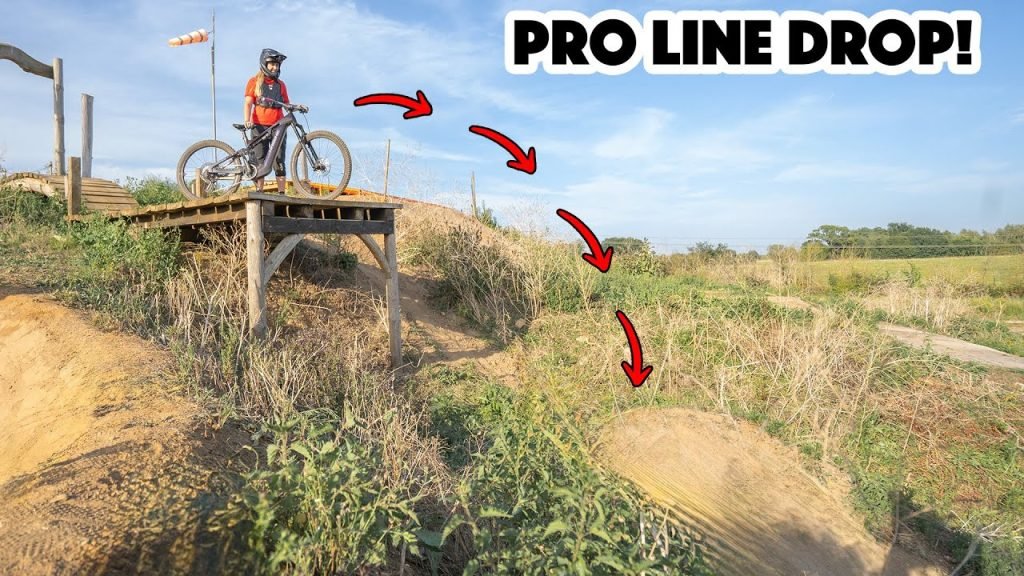
Landing safely on a dirt jump bike is one of the most important skills you need to master. Whether you’re just starting out or trying to improve, knowing how to control your bike and your body in the air can make all the difference.
You want to avoid crashes, protect yourself from injury, and feel confident every time you hit the jump. You’ll discover simple, effective tips that will help you stick your landings smoothly and ride with more control. Ready to take your dirt jumping to the next level?
Keep reading—you don’t want to miss these game-changing techniques.
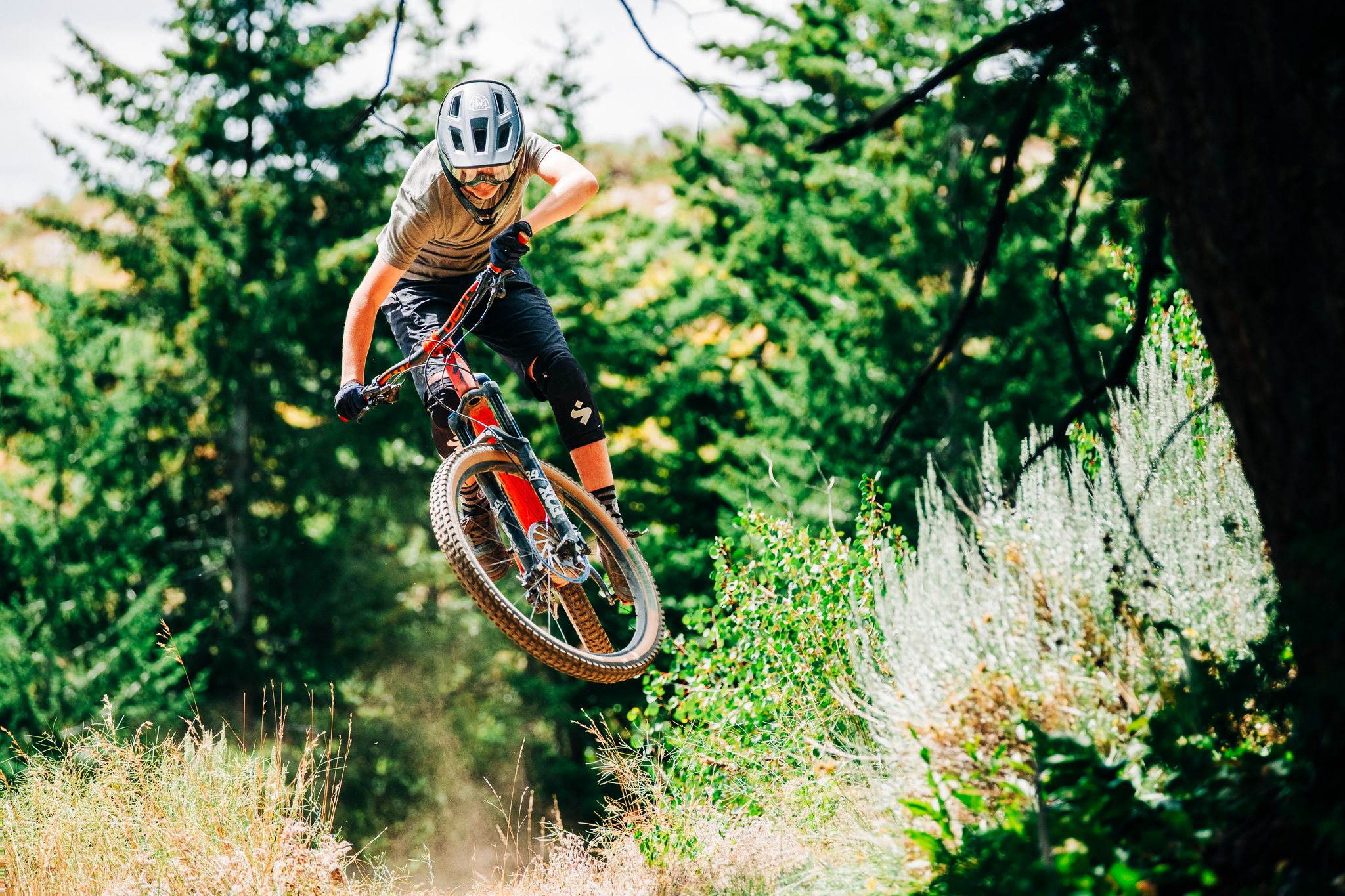
Credit: www.singletracks.com
Preparing Your Bike And Gear
Landing safely on a dirt jump bike needs good preparation. Your bike and gear must be ready for the ride. This keeps you safe and helps you control the bike better.
Take time to check your equipment before every jump. This guide covers key points about your bike and gear to get you ready.
Choosing The Right Dirt Jump Bike
Pick a bike built for dirt jumping. It should be strong and light. A smaller frame helps with control in the air. Look for a bike with good suspension and strong brakes.
- Choose a hardtail frame for better control
- Look for wide handlebars to improve balance
- Select tires with good grip for dirt surfaces
- Check that the brakes respond quickly
- Make sure the bike fits your height and weight
Essential Protective Gear
Wear gear that protects your body from falls. A helmet is the most important item. Add pads to protect your knees, elbows, and hands. Always use gloves for better grip.
| Gear | Purpose |
| Helmet | Protects your head |
| Knee Pads | Shields knees from impact |
| Elbow Pads | Protects elbows from scrapes |
| Gloves | Improves grip and protects hands |
| Body Armor | Guards chest and back |
Bike Maintenance Checklist
Check your bike before every ride. This keeps it working well and safe. Tighten bolts and check brakes. Look for any damage or wear on parts.
- Inspect tires for cuts and proper air pressure
- Check brake pads for wear and adjust if needed
- Test suspension for smooth movement
- Ensure the chain is clean and lubricated
- Tighten all bolts and screws
- Verify that handlebars and seat are secure
Mastering The Approach
Landing safely on a dirt jump bike starts before the jump. The approach sets the tone for a smooth and controlled landing. Focus on how you read the jump, control your speed, and position your body for takeoff.
Each part of the approach helps you keep balance and prepare for the landing. Practice these techniques to improve your riding and stay safe.
Reading The Jump
Before you reach the jump, look closely at its shape and size. Check the takeoff ramp, the gap, and the landing area. Notice any bumps, loose dirt, or obstacles that could affect your ride.
- Scan the jump from a distance to plan your line.
- Watch how the ramp curves and where the landing starts.
- Identify smooth areas and rough spots on the dirt.
- Adjust your path to avoid hazards or uneven ground.
Speed Control Techniques
Speed matters a lot for a safe landing. Too fast or too slow can cause trouble. Use these methods to control your speed before takeoff.
| Technique | Description | When to Use |
|---|---|---|
| Feathering Brakes | Lightly squeeze brakes to reduce speed without stopping. | Approaching the jump with good momentum. |
| Pedal Resistance | Apply backward pressure on pedals to slow down. | On steep or short approaches. |
| Body Drag | Use your feet or legs to gently touch the ground. | When you need quick speed adjustments. |
Body Position For Takeoff
Your body must stay balanced and ready to absorb impact. This position helps you stay steady in the air and land safely.
- Keep your knees bent and loose.
- Lean slightly forward with your chest over the handlebars.
- Hold the handlebars firmly but not tight.
- Look ahead, not down at the front wheel.
- Shift your weight smoothly to match the jump’s curve.
Landing Techniques
Landing safely on a dirt jump bike helps you ride longer and avoid injuries. Good landing skills improve your control and confidence.
This guide covers key techniques for landing well. Focus on spotting the landing zone, absorbing impact, and balancing properly.
Spotting The Landing Zone
Look at the landing zone early while you are in the air. This helps you prepare your body and bike for a smooth touchdown.
- Keep your eyes on the landing spot throughout the jump
- Adjust your body to align with the landing angle
- Watch for any obstacles or uneven ground
- Plan your wheel placement to avoid slipping
Absorbing Impact With Suspension
Your bike’s suspension helps reduce the shock when you land. Use your arms and legs to work with the suspension and soften the impact.
| Body Part | Function on Landing |
| Arms | Absorb impact by bending elbows |
| Legs | Act like shock absorbers by bending knees |
| Bike Suspension | Compresses to reduce force on rider |
Balancing On Landing
Keep your weight centered over the bike to stay balanced. This helps you stay stable and avoid falls after landing.
- Keep your pedals level to distribute weight evenly
- Look ahead, not down, to maintain balance
- Use your core muscles to keep your body steady
- Adjust your body position if the bike tilts

Credit: www.youtube.com
Common Mistakes To Avoid
Landing safely on a dirt jump bike needs skill and focus. Many riders make simple mistakes that cause crashes or injuries. Knowing what to avoid helps you ride better and stay safe.
Below are common errors riders make when landing. Watch out for these to improve your technique and confidence on the jump.
Overcommitting The Jump
Riders often push too hard on a jump. They try to jump farther or higher than they can control. This causes loss of balance in the air and a rough landing.
- Do not lean too far forward or backward while jumping.
- Keep your speed matched to the size of the jump.
- Practice smaller jumps before trying big ones.
- Focus on controlling your bike, not just the distance.
Poor Body Alignment
Landing with the wrong body position is dangerous. If your body is not aligned well, you can lose control or hurt yourself. Keep your body steady and centered over the bike.
| Body Part | Correct Position | Common Mistake |
| Head | Look forward | Looking down |
| Arms | Slightly bent, relaxed | Fully locked or too stiff |
| Back | Straight with slight lean forward | Hunched or leaning too far back |
| Legs | Absorbing impact with knees bent | Legs straight or locked |
Ignoring Weather And Terrain
Weather and ground conditions affect your landing. Ignoring them can cause slips or crashes. Always check the weather and surface before you jump.
Key points to remember:
- Wet or muddy dirt makes the landing slippery.
- Strong winds can push you off balance.
- Loose gravel or rocks can cause loss of traction.
- Adjust your speed and body position based on conditions.
Training Drills For Safe Landings
Learning to land safely on a dirt jump bike takes practice. Training drills help you build skills step by step. These drills improve balance, control, and confidence for better landings.
Try different exercises to prepare your body and mind. Focus on technique and stay relaxed. This guide shows key drills for safe landings on dirt jumps.
Progressive Jump Practice
Start small and increase jump size gradually. This helps your body adjust to the impact. Practice landing with knees bent and arms ready to absorb shock.
- Begin with small hops on flat ground
- Move to low dirt jumps with slow speed
- Focus on smooth takeoff and controlled landing
- Increase jump height step by step
- Keep your eyes on the landing zone
Balance And Control Exercises
Good balance helps prevent falls and hard landings. Use these exercises to strengthen your control over the bike.
| Exercise | Purpose | How to Do It |
| Track Stands | Balance | Hold bike still on flat ground with pedals level |
| Slow Riding | Control | Ride slowly in a straight line without putting feet down |
| Manuals | Weight Shift | Lift front wheel and balance on rear wheel |
| Wheelies | Coordination | Lift front wheel while pedaling forward |
Simulated Landing Scenarios
Practice landings off the bike to build muscle memory. Simulate different landing types to prepare for real jumps.
Simulation Ideas:
- Jump off a low curb and land softly with bent knees
- Use a foam pad to practice rolling after a landing
- Have a spotter throw a soft ball to catch during landing
- Wear ankle supports to feel stability during impact

Credit: www.midwestern.nsw.gov.au
Frequently Asked Questions
How Do I Position My Body For A Safe Dirt Jump Landing?
Keep your body relaxed and centered over the bike. Bend your knees and elbows to absorb impact. Look ahead, not down, to maintain balance. This stance helps you control the landing smoothly and reduce injury risk.
What Speed Is Ideal For Landing A Dirt Jump Safely?
Maintain a moderate speed that matches the jump size. Too fast or too slow can cause loss of control. Practice to find a comfortable speed that allows smooth takeoff and landing on the dirt jump.
How Should I Use My Brakes When Landing A Dirt Jump?
Avoid sudden braking on landing to prevent skidding or flipping. Use light, controlled braking if needed after you stabilize. Focus on balance and absorbing impact before applying brakes gently.
Why Is Bike Maintenance Important For Safe Dirt Jump Landings?
Well-maintained bikes ensure proper shock absorption and control. Check tires, suspension, and brakes regularly. A reliable bike reduces risks and enhances your ability to land safely on dirt jumps.
Conclusion
Landing safely on a dirt jump bike takes practice and patience. Start with small jumps to build confidence. Always wear protective gear for safety. Focus on timing as you approach the landing. Keep your knees bent to absorb impact. This helps maintain balance and control.
Check your bike for any issues before riding. A well-maintained bike ensures better performance. Remember, practice makes perfect. Be patient with your progress. Over time, you’ll improve your skills and enjoy the ride. Stay safe and have fun on your biking adventures!



