

Are you confused about whether to choose a women’s bike or a unisex bike? You’re not alone.
Picking the right bike can make all the difference in comfort, performance, and how much you enjoy your ride. But how do you know which one fits you best? This guide will help you spot the key differences quickly and easily.
By the end, you’ll feel confident making the choice that suits your body and riding style perfectly. Keep reading to discover what you need to know before your next bike purchase.
Design Differences
Women’s and unisex bikes look similar but have key design differences. These differences help riders feel comfortable and balanced.
Design changes focus on frame shape, handlebar styles, and saddle shapes. These parts change to fit body types better.
Frame Geometry
Women’s bike frames usually have smaller sizes and different angles. This makes it easier to reach the handlebars and pedals.
Unisex bike frames are made to fit many body types. They tend to have a more neutral shape and size range.
- Women’s frames have shorter top tubes for shorter arms.
- Lower standover height helps women with shorter legs.
- Unisex frames use standard angles for a wider fit.
Handlebar Styles
Women’s bikes often use narrower handlebars. This helps riders with smaller shoulders hold the bars comfortably.
Unisex bikes have wider handlebars that fit a range of shoulder widths. They aim for a balanced grip for all riders.
- Women’s handlebars are narrower and sometimes curved.
- Unisex handlebars are wider and mostly straight.
- Handlebar height may differ to fit riding posture.
Saddle Shapes
Women’s saddles are wider at the back. This supports wider sit bones and adds comfort during rides.
Unisex saddles have a standard width. They aim to fit both men and women without specific adjustments.
- Women’s saddles have softer padding and wider shape.
- Unisex saddles are narrower and firmer.
- Saddle length can vary to fit different leg lengths.
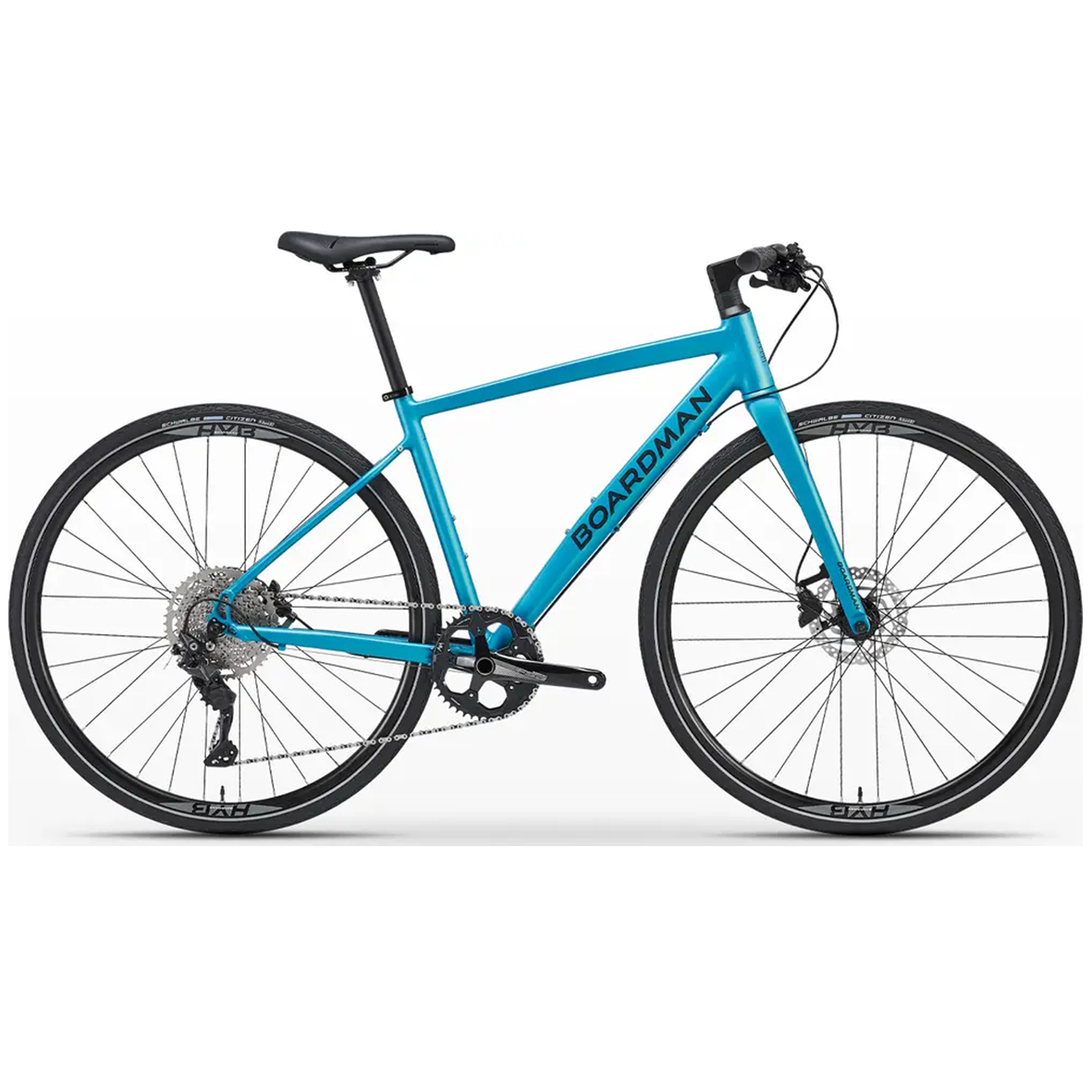
Credit: www.cyclingnews.com
Sizing And Fit
Choosing the right bike depends a lot on sizing and fit. Women and unisex bikes often differ in these aspects. Understanding these differences helps you pick a bike that feels comfortable and safe.
Let’s look at three key areas: frame size variations, reach and standover height, and adjustability options. Each plays a role in how well a bike fits different riders.
Frame Size Variations
Women’s bike frames are usually smaller and shaped differently. This design matches average female body proportions better than unisex frames. Unisex frames tend to be larger and more generic to fit a wider range of riders.
- Women’s frames often have shorter top tubes.
- They may feature narrower handlebars for smaller shoulders.
- Unisex frames come in more sizes but have less shape variation.
Reach And Standover Height
Reach means how far you stretch to the handlebars. Standover height is the space between the ground and the top tube when standing over the bike. Both affect comfort and control.
| Bike Type | Average Reach | Average Standover Height |
|---|---|---|
| Women’s Bikes | Shorter reach for smaller arms | Lower standover for easier mounting |
| Unisex Bikes | Longer reach for average arm length | Higher standover to fit taller riders |
Adjustability Options
Bikes include parts you can change to fit better. Women’s bikes may offer more adjustability for seat height and handlebar position to suit smaller frames.
Common adjustability features:
- Seat posts with wider height range
- Handlebars that can be raised or lowered easily
- Shorter stems for closer reach
Component Choices
Choosing the right bike depends on its components. Women’s bikes and unisex bikes differ mainly in parts that affect comfort and performance. Understanding these parts helps you pick the best fit for your riding style.
This guide covers key components like gear ratios, brake systems, and weight considerations. Each affects how the bike handles and feels on the road or trail.
Gear Ratios
Gear ratios control how easy or hard it is to pedal. Women’s bikes often use gear ratios set for lower power output. This helps with easier pedaling on hills and longer rides.
Unisex bikes usually have gear ratios that suit a wider range of riders. They balance speed and effort for different terrains.
Brake Systems
Brake types vary between women’s and unisex bikes. Women’s bikes may have brakes designed for smaller hands. This gives better control and comfort.
- Women’s bike brakes: easier to reach and squeeze
- Unisex bike brakes: standard size for all riders
- Both may use disc brakes or rim brakes depending on the model
Choosing the right brake system improves safety and confidence while riding.
Weight Considerations
Weight affects how fast and easy a bike rides. Women’s bikes often use lighter frames and components. This suits riders with less upper body strength.
| Bike Type | Frame Weight | Component Weight |
| Women’s Bike | Lightweight | Light and smaller |
| Unisex Bike | Standard weight | Standard size and weight |
Comfort Factors
Choosing the right bike affects comfort during your rides. Women’s bikes and unisex bikes differ in design. These differences focus on comfort based on rider needs.
This guide looks at three comfort factors: suspension and shock absorption, grip and control, and riding posture. Understanding these helps you pick the best bike type.
Suspension And Shock Absorption
Women’s bikes often have softer suspension settings. This suits lighter body weight and provides a smoother ride on rough roads. Unisex bikes may have firmer suspension to support a wider weight range.
Shock absorption in women’s bikes focuses on comfort for longer rides. Unisex bikes balance comfort with durability for different terrains and riders.
Grip And Control
Grip size and handlebar shape differ between women’s and unisex bikes. Women’s bikes often have narrower grips and smaller handlebars. This fits smaller hands better and improves control.
- Women’s bike grips are softer for comfort
- Unisex bike grips are larger for stronger hold
- Handlebar width matches shoulder width for each bike type
- Brake levers on women’s bikes require less force to reach
Riding Posture
| Bike Type | Frame Geometry | Rider Posture |
| Women’s Bike | Shorter top tube, lower standover height | More upright, relaxed position |
| Unisex Bike | Standard frame geometry | Neutral posture, slightly forward lean |
Women’s bikes promote a more upright posture for comfort and balance. Unisex bikes aim for a neutral posture that suits many riders. Both designs reduce strain on wrists and back during rides.
Style And Aesthetics
Choosing between a women’s bike and a unisex bike often comes down to style and look. These differences help riders pick a bike that suits their personality and taste.
Understanding the style elements can make it easier to decide which bike fits your needs and preferences.
Color Palettes
Women’s bikes usually offer soft and pastel colors. These include light pinks, purples, and mint greens. Unisex bikes focus on neutral colors like black, gray, and blue.
- Women’s bikes: soft pink, lavender, mint, cream
- Unisex bikes: black, navy, gray, metallic shades
- Women’s bikes: often brighter and lighter shades
- Unisex bikes: darker, more muted tones
Graphics And Branding
Graphics on women’s bikes tend to be more decorative. They may include floral patterns or elegant lines. Unisex bikes usually have simple branding with bold or minimal logos.
| Feature | Women’s Bikes | Unisex Bikes |
|---|---|---|
| Graphics Style | Floral, swirls, elegant details | Minimal, bold logos |
| Branding | Soft fonts, artistic logos | Strong fonts, simple logos |
| Design Focus | Aesthetics and charm | Function and neutrality |
Customization Options
Women’s bikes often come with customization options that focus on style. These include colored handlebar grips and patterned seats. Unisex bikes offer basic custom parts, mostly for comfort.
- Women’s bikes: seat covers with patterns
- Women’s bikes: colorful handlebar grips and accessories
- Unisex bikes: neutral accessories, focus on function
- Unisex bikes: adjustable seats and handlebars for fit
Credit: totalwomenscycling.com
Performance And Usage
Choosing between a women’s bike and a unisex bike depends on performance needs and how you plan to use it.
Both types have unique features that affect riding comfort and efficiency.
Types Of Terrain
Women’s bikes often have geometry designed for lighter riders and varied terrain. Unisex bikes aim for versatility on many surfaces.
- Women’s bikes suit smooth roads, light trails, and city streets.
- Unisex bikes handle rough trails, hills, and mixed surfaces well.
- Suspension and tire size vary to match terrain type.
Intended Riding Purpose
Women’s bikes focus on comfort for casual rides and shorter trips. Unisex models often target performance and longer rides.
| Bike Type | Main Use | Comfort Features |
| Women’s Bike | Commuting, leisure | Smaller frames, softer seats |
| Unisex Bike | Fitness, sport, touring | Standard frames, adjustable parts |
Durability And Maintenance
Both bike types require regular care, but unisex bikes often use tougher parts for higher stress.
Key maintenance tips:
- Check tire pressure before every ride
- Lubricate the chain monthly
- Inspect brakes and gears regularly
- Store the bike indoors to avoid rust
Price And Availability
Choosing between a women’s bike and a unisex bike often depends on price and availability. These two factors help buyers decide which bike suits their budget and needs.
Both types of bikes have differences in cost and where you can find them. Understanding these differences makes shopping easier.
Cost Differences
Women’s bikes sometimes cost more because they include special features. These features fit women’s body shapes better.
Unisex bikes usually have standard parts. This can make them less expensive than women’s models.
- Women’s bikes may have smaller frames and softer seats
- Unisex bikes focus on universal sizes and shapes
- Extra design details can raise the price of women’s bikes
Market Availability
Unisex bikes are easier to find in many stores. They suit a wide range of riders, so shops keep more of them in stock.
Women’s bikes can be less common. Stores may have fewer options or sizes, depending on demand.
- Unisex bikes appear in most bike shops and online stores
- Women’s bikes may require shopping at specialty stores
- Season and location affect bike availability
Brand Options
Many bike brands offer unisex models. These brands focus on designs that fit many riders well.
Some brands specialize in women’s bikes. They design frames and parts just for women’s comfort.
- Popular brands have both women’s and unisex lines
- Specialty brands may only sell women’s bikes
- Brand choice can affect price and features
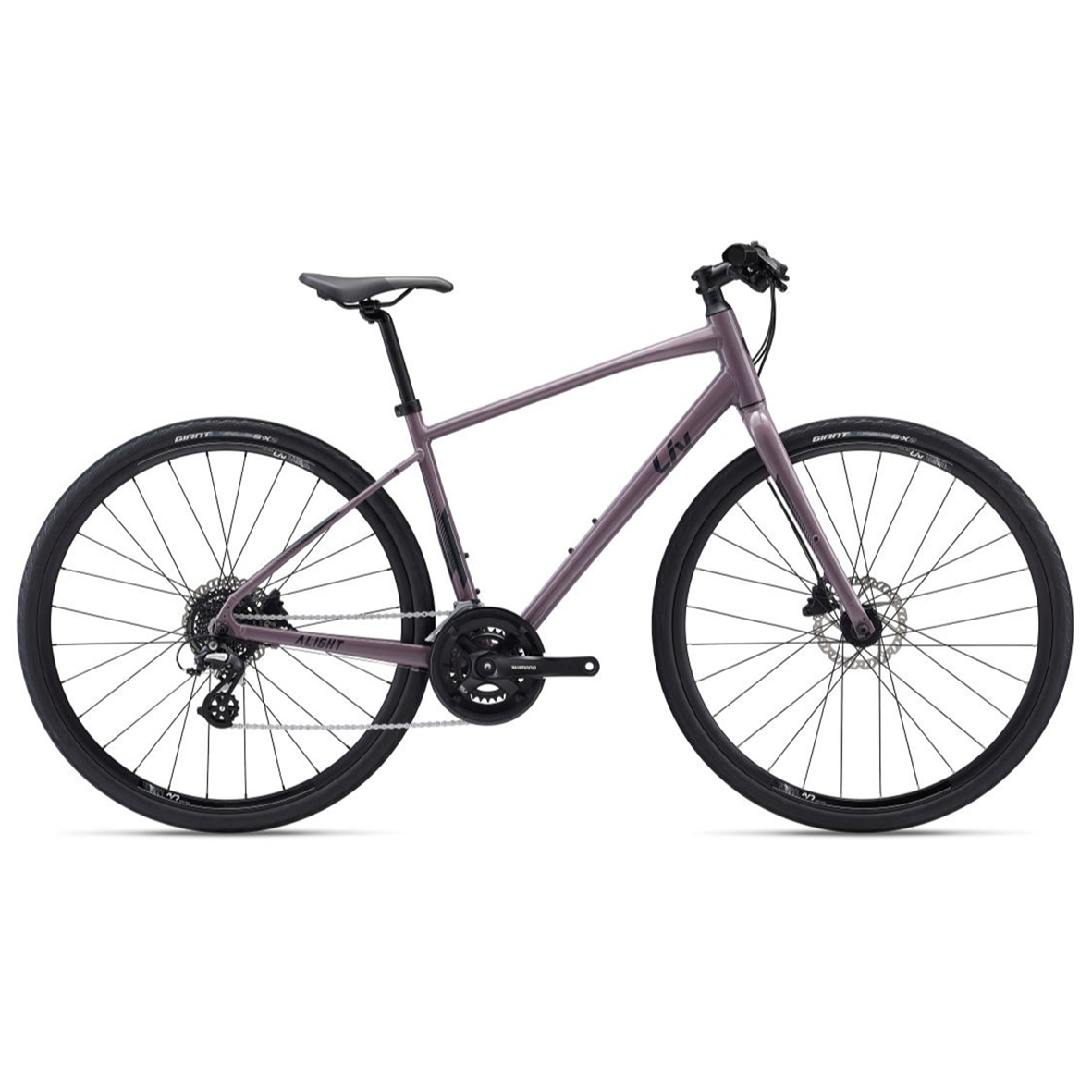
Credit: www.cyclingnews.com
Choosing The Right Bike
Choosing a bike that fits your needs is important for comfort and safety. Women and unisex bikes have key differences. Knowing these helps you pick the right one.
Both types have unique designs. Understanding your body and riding style guides your choice. This makes riding more enjoyable.
Assessing Personal Needs
Think about how often and where you will ride. Women’s bikes usually have shorter frames and narrower handlebars. Unisex bikes have a more general fit.
Consider your height and arm length. Women’s bikes often fit smaller body sizes better. Check if you want a bike for casual rides or long trips.
- Body size and shape
- Riding frequency and distance
- Preferred riding style and terrain
Test Riding Tips
Try riding both women and unisex bikes. Check how each bike feels on different paths. Notice if you feel comfortable or strained.
Pay attention to seat height and handlebar reach. Make sure you can easily stop and start. Test the bike in turns and on hills if possible.
- Ride for at least 10 minutes
- Check how your knees bend
- Feel if the handlebars are easy to reach
- Test brakes and gear changes
Consulting Experts
Ask bike shop staff for advice. They know about different bike types and fits. Explain your needs and body measurements clearly.
Experts can help you adjust the seat and handlebars. They suggest the best bike size and style for you. Their help can save you time and money.
- Bring your height and inseam measurements
- Describe your riding habits
- Ask about warranty and service options
Frequently Asked Questions
What Are Key Differences Between Women And Unisex Bikes?
Women’s bikes have narrower frames, shorter top tubes, and adjusted geometry for comfort. Unisex bikes feature neutral designs to fit a wider range of riders without gender-specific modifications.
How Does Bike Fit Differ For Women Versus Unisex Models?
Women’s bikes focus on shorter reach and lower standover height for better fit. Unisex bikes use a standard fit that suits most body types but may lack tailored comfort for women.
Are Women’s Bikes Better For Female Riders Than Unisex Bikes?
Women’s bikes often provide enhanced comfort and ergonomics for female anatomy. However, unisex bikes offer versatility and can fit many riders well if properly sized.
What Frame Geometry Distinguishes Women’s Bikes From Unisex Bikes?
Women’s bike frames are designed with a sloping top tube and altered angles. Unisex frames maintain traditional geometry suitable for a broad range of cyclists.
Conclusion
Choosing the right bike matters. Women’s bikes offer specific features. Unisex bikes provide a versatile option. Knowing differences helps in making informed decisions. Comfort and fit are crucial for enjoyable rides. Consider your height, weight, and riding style. Test rides can help identify the best fit.
Both bike types have unique benefits. Analyze your needs and preferences. This ensures a satisfying biking experience. A well-chosen bike enhances your enjoyment and performance. Happy cycling!



