

If you own an adaptive bicycle, you know how important it is to protect your investment. But how do you make sure your unique bike is properly insured?
Finding the right coverage can feel confusing and overwhelming. This guide will help you understand exactly what you need to look for, so you can keep your adaptive bicycle safe without any hassle. Read on to discover simple steps that will give you peace of mind every time you ride.
Types Of Adaptive Bicycles
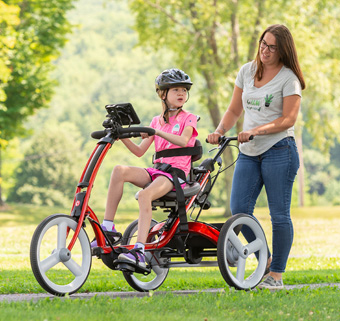
Adaptive bicycles help people with different needs enjoy riding. They come in many designs. Each type supports specific physical abilities.
Choosing the right type is important for safety and comfort. Here are common kinds of adaptive bicycles.
Tricycles And Tandems
Tricycles have three wheels for extra balance. They are good for riders who need more support. Tandems are two-seat bikes. They allow a rider to cycle with a partner.
Both types help people who can’t use a regular bike alone. Tricycles offer stability. Tandems offer teamwork and shared control.
- Tricycles: three wheels, stable, good for balance issues
- Tandems: two riders, shared pedaling, good for guided riding
Handcycles And Recumbents
Handcycles use hands to pedal. They are designed for riders with limited leg use. Recumbents let riders sit back with legs forward. They reduce strain on the back and neck.
Both provide good control and comfort. Handcycles often have three wheels for stability. Recumbents can be two or three-wheeled.
- Handcycles: hand-powered, good for limited leg movement
- Recumbents: reclined seat, less back strain
Custom And Modified Bikes
Custom bikes are made to fit individual needs. Modified bikes change parts of a regular bike. These changes help with balance, control, or comfort.
Examples include adding special pedals, seats, or handles. These bikes help riders who need unique support or adjustments.
- Custom: built from scratch for specific needs
- Modified: changed from regular bikes with special parts
Credit: www.rifton.com
Insurance Options For Adaptive Bikes
Adaptive bicycles need proper insurance to protect your investment. Different policies cover these bikes in various ways.
Understanding your insurance options helps you choose the best coverage for your adaptive bike.
Homeowners And Renters Insurance
Many homeowners and renters insurance policies cover bicycles, including adaptive bikes. Coverage often applies if the bike is stolen or damaged.
- Check if your policy includes bicycles
- Verify the coverage limit for bikes
- Look for coverage on theft, damage, and liability
- Consider adding a rider for higher value bikes
Specialized Bicycle Insurance
Specialized bicycle insurance offers more detailed coverage. It protects against theft, damage, and accidents specific to your bike.
| Coverage Type | Details |
| Theft Protection | Covers stolen bike replacement |
| Damage Coverage | Repairs from crashes or accidents |
| Liability | Medical and property damage claims |
| Replacement Cost | New bike value, not depreciated |
Medical Equipment Coverage
Adaptive bikes may qualify as medical equipment under some insurance plans. This can help with repair or replacement costs.
Check if your insurance or health plan offers medical equipment coverage. Key points to ask:
- Is the adaptive bike listed as covered equipment?
- What types of damage or loss are covered?
- Are repairs included under the policy?
- Does the policy cover replacement if the bike is unusable?
Factors Affecting Insurance Coverage
Insuring an adaptive bicycle depends on many factors. These factors help insurance companies decide the coverage and cost.
Understanding these factors can help you get the right insurance protection for your bike.
Bike Value And Replacement Cost
The value of your adaptive bicycle affects how much insurance you need. Expensive bikes need higher coverage.
Replacement cost means the price to buy a new bike like yours if it is lost or damaged.
- Provide receipts or appraisals to prove value
- Note any special parts or custom work
- Keep records updated for accurate coverage
Usage And Storage Conditions
How often and where you use your adaptive bike affects insurance coverage. Frequent use may increase risk.
Storage conditions matter too. Secure and covered storage lowers chances of theft or damage.
- Daily use in busy areas can raise premiums
- Storing bike indoors can reduce risk
- Using safety locks helps with insurance claims
Safety Features And Modifications
Safety features on your adaptive bicycle affect your insurance rate. More safety means lower risk.
Modifications can change insurance needs. Some custom parts may need extra coverage.
- Helmets and lights improve safety
- Brakes and reflectors are important
- Report modifications to your insurer
Credit: www.rifton.com
Steps To Get Insured
Insuring an adaptive bicycle protects your investment and gives peace of mind. The process involves a few clear steps. You should prepare your bike’s details first. Then, compare insurance plans from different providers. Finally, understand how to file claims if needed.
Here is a simple guide to help you get started with insuring your adaptive bicycle.
Documenting Your Bike
Start by recording important details about your adaptive bicycle. This includes the make, model, and any special features. Take clear photos from different angles. Keep receipts and any repair records. This proof helps in case of loss or damage.
- Write down the bike’s brand and model
- Note any custom parts or adaptations
- Take photos showing all views and unique features
- Keep purchase receipts and maintenance records
Comparing Insurance Providers
Look at several insurance companies that offer bike coverage. Check their policy limits, premiums, and coverage options. Some providers cover theft, damage, and liability. Others may include roadside assistance or replacement cost. Compare these factors carefully before choosing.
| Provider | Coverage Types | Premium Cost | Claim Process |
| Provider A | Theft, Damage | Low | Online claim form |
| Provider B | Theft, Damage, Liability | Medium | Phone and app support |
| Provider C | Theft only | Low | In-person claim |
Filing Claims And Appraisals
If your bike is lost or damaged, you need to file a claim. Start by contacting your insurer quickly. Provide all documents and photos you gathered. An appraiser may inspect your bike to determine its value. Keep records of all communication and repairs.
- Report the incident to your insurance provider
- Submit photos, receipts, and documentation
- Schedule an appraisal if required
- Follow up to track your claim status
Tips To Lower Insurance Costs
Insuring adaptive bicycles can be affordable with the right steps. You can save money by choosing smart coverage and protecting your bike well.
Here are tips to help you lower your insurance costs and get the best value for your protection.
Choosing Proper Coverage Limits
Select coverage limits that match your needs. Avoid paying for more than you need, but ensure you have enough protection if your bike is damaged or stolen.
- Check the value of your adaptive bicycle before buying insurance.
- Decide if you want coverage for theft, damage, or both.
- Ask about deductibles and how they affect your premium.
- Review your policy yearly to update coverage as needed.
Bundling Policies
Bundling your bike insurance with other policies can lower your costs. Many companies offer discounts if you buy multiple coverages.
| Policy Type | Possible Discount |
| Home and Bicycle | 10%-15% |
| Auto and Bicycle | 5%-10% |
| Multiple Bikes | 10% |
Maintaining Security Measures
Use strong locks and store your bike safely to avoid theft. Insurance companies may lower rates if you take good security steps.
- Always lock your bike with a U-lock or heavy-duty chain.
- Keep your bike in a secure garage or locked area.
- Register your bike with local or national bike registries.
- Install GPS trackers if available for your bike model.
Common Challenges And Solutions
Insuring adaptive bicycles can be tricky. These bikes have special parts for people with disabilities.
Insurance companies may not know how to handle these unique bikes. Understanding challenges helps find solutions.
Handling Custom Parts
Adaptive bicycles often have custom parts made for specific needs. These parts can be costly and rare.
Insurance policies may not cover these custom parts by default. You must tell the insurer about all special parts.
- Get a detailed list of custom parts from the bike maker
- Provide photos and receipts to the insurance company
- Ask if extra coverage is available for custom parts
Addressing Accessibility Needs
People using adaptive bikes often need easy access to repairs and support. Insurance should consider these needs.
Look for policies that include roadside assistance or repair services. This helps if the bike breaks down on the road.
- Check if your insurer covers emergency repairs
- Ask about mobile repair services near you
- Choose plans that support quick claim processing
Navigating Policy Exclusions
Some insurance policies exclude coverage for adaptive bicycles or their special parts. This can cause problems.
Read the policy terms carefully. Look for any exclusions related to modifications or disability equipment.
- Request a clear explanation of any exclusions
- Seek policies that allow coverage for adapted equipment
- Consider adding riders to cover excluded parts

Credit: www.rifton.com
Frequently Asked Questions
What Types Of Insurance Cover Adaptive Bicycles?
Adaptive bicycles are covered under homeowners, renters, or specialized bike insurance policies. These policies protect against theft, damage, and liability.
How To Determine The Value Of An Adaptive Bicycle?
Get a professional appraisal or use the purchase price. Include costs of custom parts and modifications for accurate valuation.
Can I Insure An Adaptive Bicycle Against Theft?
Yes, most bike insurance policies include theft coverage. Ensure you register the bike and provide proof of ownership for claims.
Are Adaptive Bicycles Covered Under Standard Bike Insurance?
Some standard policies cover adaptive bikes, but verify with your insurer. Specialized coverage may be needed for custom equipment and modifications.
Conclusion
Insuring adaptive bicycles protects your valuable investment. Choose a policy that covers damage and theft. Compare different insurance options before deciding. Read the terms carefully to avoid surprises later. Regularly update your insurance as your needs change. This keeps you prepared for any unexpected events.
Protecting your bike means more freedom and peace of mind. Start the process early to enjoy worry-free rides.



