
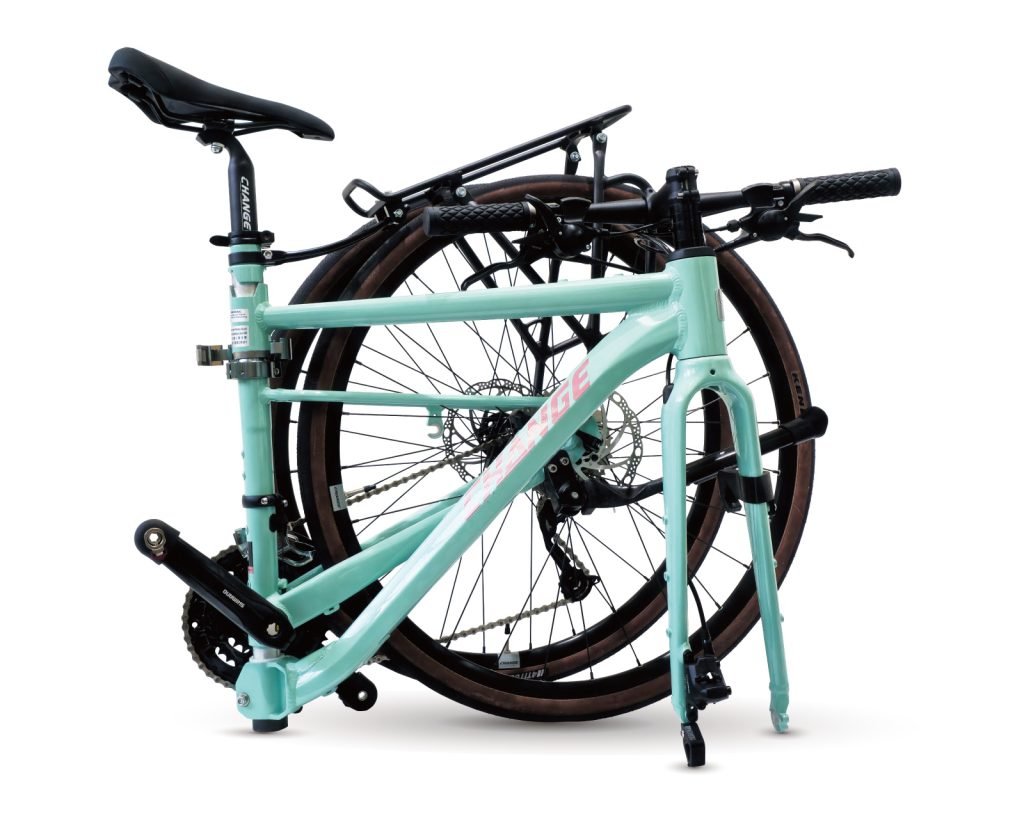
Imagine cruising through town on your folding bike, enjoying the flexibility and portability it offers. But what if you could enhance your biking experience even further?
Adding a rack to your folding bike opens up a world of possibilities, letting you carry more while maintaining your bike’s compact charm. Whether you’re commuting to work, heading out for a leisurely ride, or planning a small adventure, a rack can be your best companion.
Intrigued? You’re about to discover just how straightforward it is to install a rack on your folding bike. This guide will walk you through the process, ensuring you can carry your essentials without compromising on style or convenience. Ready to transform your ride? Let’s dive into the details and unlock your bike’s full potential!

Credit: www.changebike.com
Choosing The Right Rack
There are different racks for folding bikes. Some are rear-mounted, while others are front-mounted. Rear racks are common. They carry more weight. Front racks are lighter. They are good for smaller items. Some racks are detachable. Others are fixed. Choose based on your needs.
Folding bikes need special racks. These bikes fold in unique ways. Check if the rack fitswhen the bike is folded. Ensure the rack is lightweight. It should not make folding hard. The rack should be easy to remove. This makes storing the bike simpler. Always check the weight limitof the rack. Make sure it suits your needs.

Credit: www.youtube.com
Gathering Necessary Tools
Gather essential tools like a wrench, screwdriver, and measuring tape to install a rack on your folding bike efficiently. These tools ensure a secure fit, enhancing bike functionality for carrying items.
Essential Tools List
- Screwdriver:Helps to tighten screws.
- Wrench:Needed for bolts.
- Allen Keys:Adjusts the rack’s parts.
- Measuring Tape:Ensures accurate fitting.
- Lubricant:Smoothens moving parts.
Safety Equipment
- Gloves:Protect hands from injuries.
- Safety Goggles:Shields eyes from debris.
- Helmet:Essential for head safety.
Preparing The Bike
Preparing the Bike Start by choosing a suitable rack compatible with your folding bike’s frame. Secure the rack to the bike using sturdy bolts and brackets. Make sure everything is tight and stable for safe riding.
Cleaning And Inspecting
Clean the bike frame thoroughly. Use a soft cloth and mild soap. Remove any dirt and dust. Inspect the frame for any damage. Check for cracks and dents. Ensure the bike is in good condition. Tighten loose bolts and screws. Look at the tires and check air pressure. Examine the brakes for wear and tear. A clean and inspected bike is ready for installation.
Positioning For Installation
Find the correct position for the rack. Make sure it fits securely. Align the rack with the bike frame. Use a measuring tape if needed. Check the holes for screws. Ensure they match the rack’s brackets. Adjust the position for balance. Double-check the alignment. Ensure the rack does not block any moving parts. Proper positioning prevents future issues.
Attaching The Rack
Place the rack over the back wheel of the bike. Make sure it fits correctly with the bike’s frame. The sides of the rack should be even. Adjust the rack until it looks straight. Check both sides to ensure proper alignment. This helps in keeping the rack stable when riding.
Use bolts to attach the rack to the bike. Align the holes on the rack with the bike’s frame. Insert bolts into the holes. Tighten them with a wrench. Ensure they are tight but not too tight. Check all bolts are secure. This prevents the rack from moving while biking.
Adjusting For Stability
Look at the rack closely. Make sure it is straight. Use a ruler if needed. A straight rack helps in balance. Tilted racks can be dangerous. They may cause accidents. Always check before riding.
Fasten the screws tightly. Loose screws can fall off. Check all the screws are in place. Give the rack a gentle shake. It should not move. A secure rack keeps your things safe. Double-check all connections. Safety is very important.
Testing The Rack
Ensure the rack is compatible with your folding bike model. Attach the rack securely using the provided bolts and brackets. Check stability by gently shaking the bike to confirm the rack is firmly installed.
Load Capacity Check
Make sure the rack holds enough weight. Check the rack’s maximum loadcapacity. Try placing different items on the rack. Start with light items first. Gradually increase the weight. Ensure the bike stays stable. The rack should not bend or wobble. A secure rackensures safe rides.
Ride Test
Take your bike for a short ride. Ensure the rack is tightly fixed. Listen for any strange noises. Make sure nothing shakes or moves. If the bike feels heavy, adjust the load. A good ride test helps find problems early. Always check if the bike is easy to control. Safe rides need a properly installed rack.
Maintenance Tips
Ensure the bike is stable. Attach the rack’s brackets to the frame using the supplied screws. Tighten securely to prevent movement.
Regular Inspections
Regular checks keep your folding bike safe. Look for loose screws and bolts. Tighten them with a wrench if needed. Check the rack for scratches or rust. Clean it with a soft cloth. Use oil to stop rust from growing. Make sure the rack is not wobbling. A tight rack is safe. Inspect the bike tires for wear. Pump them if they look flat. Inspect brakes to ensure they work well. A safe ride is a happy ride.
Troubleshooting Common Issues
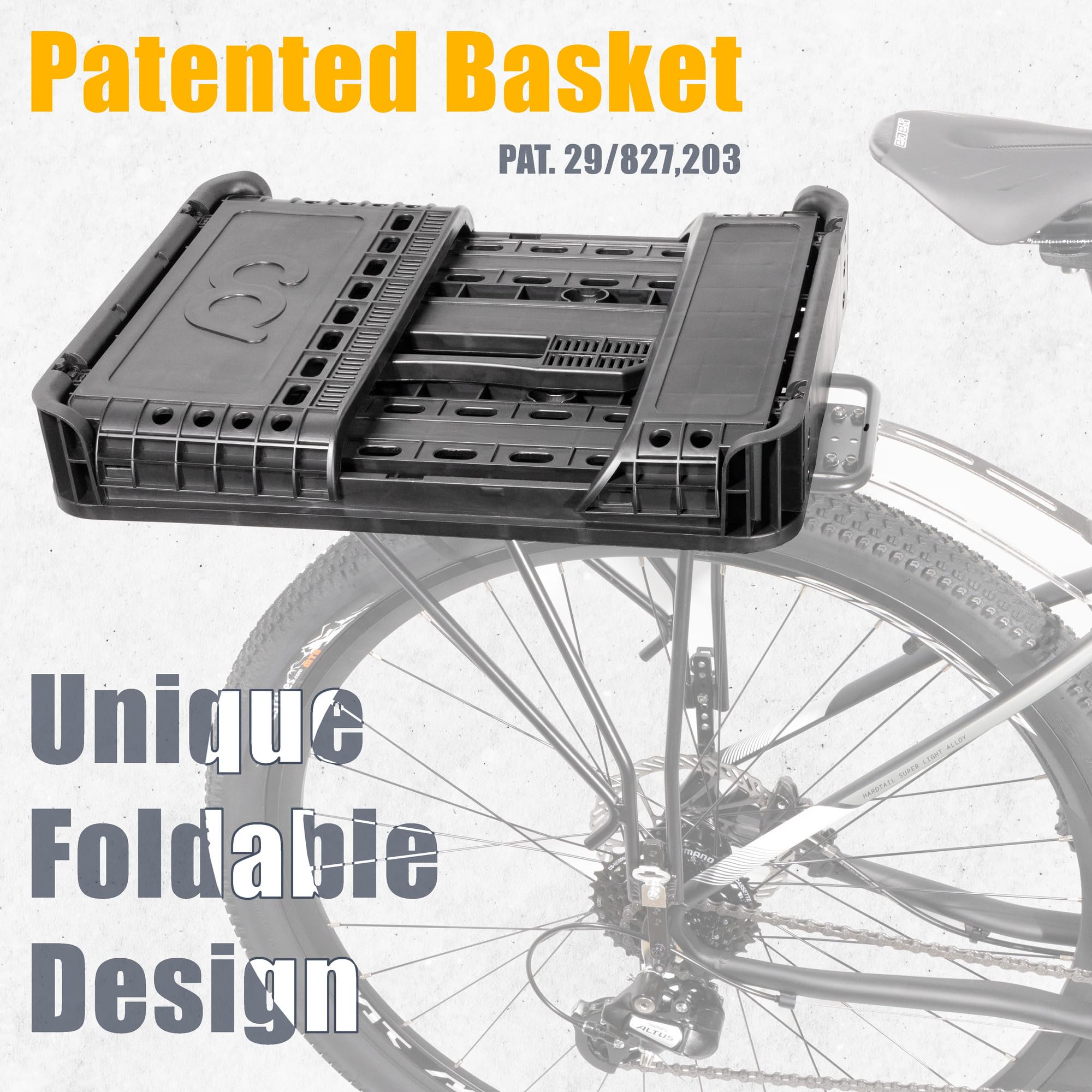
Sometimes, a rack might not fit well. This can happen if the rack is too big. Check the bike’s size and rack size. Make sure the screws are the right type. Wrong screws can cause problems. If the rack shakes, use a stronger bolt. This stops it from moving. If rust appears, clean it fast. Use a rust remover spray. Keep your bike inside when it rains. This keeps it dry and safe.
Credit: www.amazon.ca
Frequently Asked Questions
Can You Install A Bike Rack Without A Hitch?
Yes, you can install a bike rack without a hitch. Use trunk-mounted or roof-mounted bike racks instead. These options provide easy installation and secure bike transportation. Ensure compatibility with your vehicle model for optimal fit and safety. Always follow the manufacturer’s instructions for proper installation and use.
Can You Add A Bike Rack To Any Bike?
Not all bikes can have a rack added. Check for mounting eyelets on the frame. Consider compatibility with your bike’s design and type. Some racks require specific frame features. Consult your bike’s manual or a professional for guidance.
Are Hitch Bike Racks Illegal?
Hitch bike racks are generally legal but must comply with local regulations. Ensure they do not obstruct vehicle license plates or lights. Always check specific state or country laws to avoid fines. Proper installation and use are crucial for safety and legality while transporting bikes.
Can You Fit A Bike Rack On A Mini?
Yes, you can fit a bike rack on a Mini. Choose racks compatible with Mini models for optimal fit. Roof, trunk, or hitch-mounted options are available. Always check the manufacturer’s guidelines to ensure proper installation and vehicle safety.
Conclusion
Installing a rack on your folding bike is simple. Follow the steps carefully. Ensure you have the right tools. Choose a rack compatible with your bike. Secure it tightly to prevent wobbling. Check stability before riding. A well-installed rack enhances convenience.
It allows carrying essentials easily. Remember to regularly check the screws. Ensure everything remains secure over time. This simple addition can improve your biking experience. Enjoy riding with added utility. Safe travels with your folding bike!



