
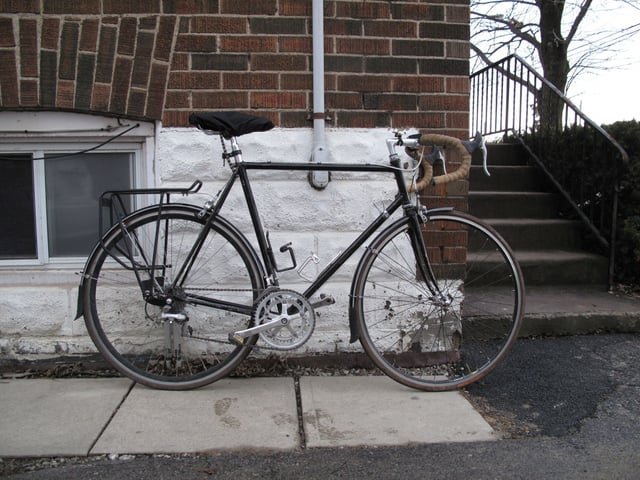
Picture this: you’re cruising down the road on your bike, the wind in your hair, the world rushing by. But then, the skies open up, and you’re drenched.
Water splashes up from your tires, and suddenly, your ride isn’t so enjoyable. You need fenders, but your bike doesn’t have eyelets for easy installation. What do you do? You’ve come to the right place. Installing fenders on bikes without eyelets might seem tricky, but with the right guidance, it’s entirely doable.
Imagine riding comfortably, rain or shine, without the worry of mud splattering your clothes or water soaking your back. We’re here to show you how to achieve that seamless experience. You’ll discover simple, effective techniques that will have you equipped and ready to tackle any weather. By the end of this article, you’ll be confident in transforming your bike into a reliable companion for all seasons. Dive in, and let’s make your rides more enjoyable, no matter the forecast.
Tools And Materials Needed
Gathering the right tools is key. You need a hex wrenchset. A screwdriveris also essential. Find a pair of pliersfor gripping. Don’t forget a tape measure. These tools will make installation easy.
Choose the best materials for your bike. Plastic fendersare lightweight. Metal fendersoffer durability. Consider the weather conditions. Flexible fendersare great for rough roads. Pick a style that fits your bike. This choice affects performance and look.
Choosing The Right Fenders
Installing fenders on bikes without eyelets requires creativity. Use zip ties or P-clamps for secure attachment. Ensure the fenders align properly to prevent tire rub.
Types Of Fenders
Fenderscome in many styles. Some are made of metal. Others are plastic. Some fenders are long. Others are short. Some can be easily adjusted. Others need tools to adjust. Choose fenders that fit your bike. Check their material. Ensure they are strong and light.
Compatibility Check
Make sure your fendersmatch your bike. Check the size of your tires. Look at the width of the fenders. Ensure they fit well. Examine the bike frame. See if there are no eyelets. Use clips to attach fenders. Make sure they are secure.
Preparing Your Bike
Start by wiping the bike frame with a damp cloth. Remove dust and grime for a better fit. Use a mild soap solution for stubborn dirt. Dry the frame thoroughly with a clean towel. This prevents rust and ensures a smooth surface. Check all areas, especially around the wheel mounts. A clean frame is essential for proper installation of fenders.
Ensure there’s enough space for the fenders. Check the gap between the tires and the frame. Measure the clearance using a ruler. Fenders need adequate room to fit without rubbing. Tight spaces can cause damage to the fenders. Adjust the position of the brakes if necessary. This helps in getting more clearance. A proper check avoids future issues.

Credit: www.reddit.com
Alternative Mounting Options
Zip ties offer a simple solution. They are cheap and easy to find. Wrap them around the frame and the fender. Make sure they are tight. Clamps are another option. Choose adjustable clamps for a secure fit. They hold fenders firmly. Both methods work well for bikes without eyelets. Always check if they hold the fenders properly. Adjust if needed.
P-Clips are handy for mounting fenders. They wrap around the bike frame. They have holes for screws. Brackets can be attached to P-Clips. This gives extra support. Ensure the P-Clips fit the frame size. They must be tight. Use a screwdriver to secure them. Brackets need to be strong. They should hold the fenders steady. Keep checking for any loose parts.
Installation Process
Installing fenders on bikes without eyelets can be simple. Use zip ties or clamps to secure fenders. Make sure they align properly and don’t touch the tires. Adjust as needed for a snug fit.
Positioning The Fenders
Place the fenders above the wheels. Ensure they are straight and centered. Measure the clearance with the tire. Adjust to avoid rubbing. Check both sides for equal space.
Securing The Front Fender
Use zip ties to attach the front fender. Loop ties through holes in the fender. Fasten ties to the fork. Tighten securely but don’t overdo it. Ensure the fender doesn’t move.
Securing The Rear Fender
Attach the rear fender using clamps. Fix it onto the seat stays. Adjust its position for best fit. Ensure clearance with the tire. Tighten clamps to hold firmly.

Credit: sim-works.com
Adjusting For Fit And Function
Installing fenders without eyelets requires creativity. Utilize rubber straps or zip ties for secure attachment. Ensure proper alignment for optimal protection and smooth riding experience.
Aligning The Fenders
Place the fenders near the bike tires. Ensure they cover the tires evenly. Center them to avoid rubbing. Use zip ties to attach. Check for any gaps. Adjust them to close gaps. Tighten the zip ties firmly. This keeps fenders in place. Ensure they do not touch the tires. Double-check the alignment. Make sure everything looks balanced.
Testing For Stability
Shake the fenders gently. This checks if they are stable. Listen for any rattling sounds. If they rattle, tighten the zip ties more. Spin the wheels slowly. Watch if the fenders move. They should stay still. Test the bike by riding a short distance. Make sure the fenders stay in place. If secure, they are ready for use. Always check before a ride.
Maintenance Tips
Installing fenders on bikes without eyelets can be simple with a few tricks. Use zip ties or P-clamps for secure attachment. Ensure fenders are aligned properly to prevent rubbing against tires.
Regular Inspections
Check your bike fenders often. Make sure they are tight and secure. Loose fenders can fall off. Look for any cracks or bends. Replace damaged fenders quickly. This keeps your bike safe.
Cleaning And Care
Clean your bike fenders after each ride. Use a soft cloth and water. Dry them well to prevent rust. Store your bike in a dry place. This helps fenders last longer. Protect them from harsh weather.

Credit: velo-orange.com
Frequently Asked Questions
Can You Add Fenders To Any Bike?
Yes, you can add fenders to most bikes. Ensure compatibility with your bike’s frame and tire size. Some bikes may need specific fender types or additional mounting hardware for proper installation. Always check with the manufacturer or a bike specialist for the best fit and installation advice.
How To Mount Bicycle Fenders?
Start by attaching the fender to the bike’s fork. Secure it using the provided bolts or clips. Align the fender with the wheel’s curvature. Tighten all screws to ensure stability. Adjust the fender’s position to avoid tire contact. Repeat for the rear fender if needed.
Do Clip-on Fenders Work?
Yes, clip-on fenders effectively prevent mud and water splashes while biking. They are easy to install and remove. Lightweight and portable, they suit different weather conditions and bike types. Ideal for casual riders seeking quick protection, they provide convenience without permanent bike modifications.
How To Make Diy Bike Fenders?
Cut plastic bottles lengthwise to create DIY bike fenders. Attach them to your bike frame using zip ties. Adjust the position for optimal coverage. Ensure fenders are secure before riding. This simple method protects against mud and water splashes effectively.
Conclusion
Installing fenders on bikes without eyelets can be simple. With the right tools, it’s a straightforward process. Choose fenders that fit your bike well. Attach them securely using clamps or zip ties. This protects your bike from mud and water.
Clean the fenders regularly to maintain their condition. A well-installed fender ensures a smoother ride. Enjoy a cleaner and more comfortable biking experience. Remember, every step counts towards a successful installation. Keep your bike ready for all weather. Happy cycling!



