
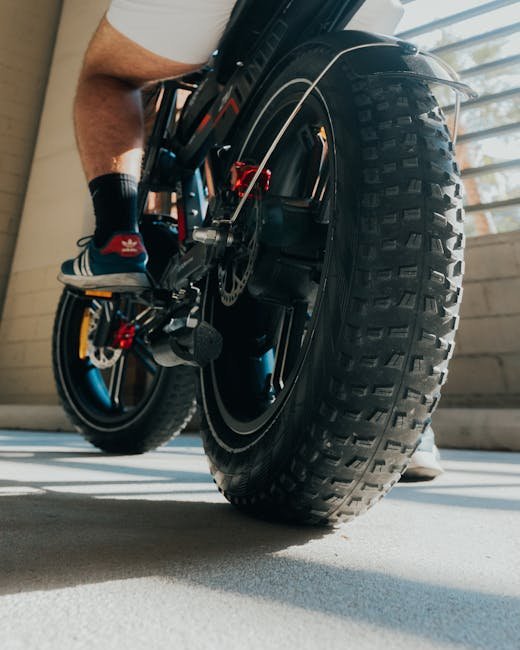
Imagine you’re gearing up for an adventure on your fat bike, ready to conquer rugged trails or glide effortlessly over sandy beaches. But there’s one crucial task standing between you and the perfect ride: inflating your fat bike tires.
You might be wondering, “How do I get this right? ” Don’t worry; you’re not alone. Many riders face this challenge, and mastering it can mean the difference between a smooth, enjoyable journey and a frustrating one. We’ll guide you step by step through the process of inflating fat bike tires, ensuring you’re equipped with all the knowledge you need to hit the trails confidently.
Keep reading to discover the secrets of optimal tire pressure and unlock the full potential of your fat bike adventures!
Choosing The Right Equipment
Choosing the right equipment is crucial for inflating fat bike tires. Use a pump compatible with high-volume, low-pressure tires. Ensure the pump has a gauge to monitor air pressure accurately.
Types Of Pumps
Fat bike tires need special pumps. Use a pump with a large barrel. This helps inflate tires quickly. Floor pumps are good. They have strong handles. Hand pumps are small and portable. Choose wisely.
Pressure Gauges
Pressure gauges are important for fat bike tires. They help check the air pressure. Use a gauge with large numbers. Digital gauges are easy to read. Analog gauges have needles. Always check the pressure.
Valve Compatibility
Fat bike tires have different valves. Know your valve type. Schrader and Presta are common. Ensure your pump fits the valve. Some pumps have adapters. This makes them versatile. Always check valve compatibility.
Understanding Tire Pressure
Fat bike tires need special care. They require a lower PSIthan regular bikes. The recommended rangeis usually between 8 to 15 PSI. It depends on the rider’s weight and riding style. Always check the manufacturer’s guidelinesfor specific numbers. Proper PSI ensures safety and a smooth ride.
Tire pressure varies with the terrain. Sandy surfacesneed lower PSI for better grip. On rocky paths, higher PSI helps prevent flats. Adjusting PSI improves control and comfort. Choose the right pressure for your riding environment.
Weather affects tire pressure. Cold weather reduces PSI. Hot weather increases PSI. Always check pressure before riding. Adjust according to the day’s temperature. This ensures safety and tire longevity.
Preparing The Tire
Preparing the Tire Ensure the valve is accessible and clear of debris. Use a pump suitable for fat bike tires. Inflate slowly, checking pressure frequently to avoid over-inflation.
Checking For Damage
Inspect the tire for cuts or cracks. Look carefully for any visible punctures. Feel the tire to check for soft spots. Soft spots might mean hidden damage. Replace the tire if it is badly damaged.
Cleaning The Valve Stem
Wipe the valve stem with a clean cloth. Remove any dirt or mud around it. Ensure the valve cap is free from grime. A clean valve ensures easy air filling. Dirt can block air flow and cause problems.
Positioning The Tire
Place the bike in a stable position. Make sure the tire is easily accessible. You might need help holding the bike. Check that the tire is not wobbling. A stable tire is easier to inflate properly.
Inflating The Tire
Properly inflating fat bike tires ensures a smooth and safe ride. Use a reliable pump designed for high-volume tires. Check the manufacturer’s recommended pressure and adjust accordingly for different terrains.
Using A Manual Pump
A manual pump is handy for inflating fat bike tires. First, check the tire’s recommended pressure. This information is usually on the tire’s sidewall. Attach the pump securely to the valve. Pump the handle up and down. Watch the pressure gauge closely. Stop once the desired pressure is reached. Manual pumps are slow but effective. They give you control over the inflation process.
Using An Electric Pump
Electric pumps make inflating tires easy and quick. Plug in the pump and set the desired pressure. Attach the pump nozzle to the tire valve. Turn on the pump and let it do the work. Electric pumps often have automatic shut-off features. They stop when the correct pressure is reached. This helps prevent over-inflation. Electric pumps are perfect for those who want a fast solution.
Avoiding Over-inflation
Over-inflation can damage your bike tires. Always use a pressure gauge when inflating. Check the recommended pressure on the tire sidewall. Never exceed this limit. Over-inflated tires can burst or wear out quickly. Keep an eye on the gauge as you pump. Stop immediately once the right pressure is reached. Proper inflation ensures a safe and smooth ride.
Checking For Leaks
Fill a bowl with water and add some soap. Mix it well to make bubbles. Rub the soap water on the tire. Look closely at the tire. Watch for bubbles forming. Bubbles mean air is leaking. Mark the spot with a pen or chalk.
Inflate the tire and listen carefully. Try to hear any hissing sounds. A hiss means air is escaping. You might need to move your ear close to the tire. Be careful, don’t hurt yourself. Mark the area with a pen if you find a leak.
Check the valve for tightness. Use your fingers to twist it securely. If it’s loose, air can escape. Make sure it fits snugly. Sometimes, valves need a little twist to stop leaks. Double-check the valve after inflating the tire.
Maintaining Tire Pressure
Check the tire pressure weekly. Use a pressure gauge for accuracy. Fat bike tires need lower pressure than regular bikes. Low pressure helps in rough terrains. Avoid over-inflating the tires. It can cause damage.
Store the bike in a cool place. Heat can increase tire pressure. Use a bike stand to keep it upright. Avoid resting the bike on its tires for long. It can lead to flat spots.
- Cold weather lowers tire pressure.
- Warm weather increases tire pressure.
- Adjust pressure according to season.
- Check tires before each ride.
Troubleshooting Common Issues
Inflating fat bike tires often requires a pump with a high-volume capacity. Check the valve type and ensure a proper seal before pumping. Adjust the pressure to match terrain needs for optimal performance.
Dealing With A Stuck Valve
Valves can sometimes get stuck. First, check for dust or dirt. Clean the valve gently with a soft cloth. Use a small tool to press the valve. It should move smoothly. If it’s still stuck, apply a drop of oil. This helps it loosen. Always turn the valve slowly. Avoid using too much force. This prevents damage.
Handling Punctures
Punctures are common in bike tires. First, find the hole in the tire. Fill a bowl with water. Dip the tire in water. Look for bubbles. Bubbles show the puncture spot. Dry the tire well. Use a patch kit to fix the hole. Follow the instructions on the kit. Make sure the patch sticks well. Inflate the tire to check for leaks.
Addressing Uneven Wear
Uneven wear makes riding uncomfortable. Check the tire for bumps or dents. Rotate the tire if wear is on one side. This helps even out wear. Keep the pressure right to avoid this issue. Regularly inspect tires for damage. Replace them when they wear out. Proper care makes tires last longer.
Frequently Asked Questions
How Do You Inflate Fat Bike Tires?
Use a pump compatible with Schrader or Presta valves. Check recommended PSI on the tire sidewall. Attach the pump securely to the valve. Inflate gradually, ensuring even pressure. Check PSI with a gauge. Avoid over-inflating to prevent tire damage. Detach the pump once desired pressure is reached.
What Psi Should My Fat Bike Tires Be At?
Fat bike tire pressure typically ranges from 5 to 15 psi. Lower psi offers better traction on snow and sand. Higher psi is suitable for firmer surfaces. Always check manufacturer recommendations for specific guidelines. Adjust according to terrain and personal preference for optimal performance.
How Do You Inflate A Tire With A Presta Valve?
Open the Presta valve by unscrewing its top. Attach the pump securely to the valve. Inflate the tire to desired pressure. Remove the pump and screw the valve top back on. Ensure the valve is tightly closed to prevent air leakage.
Is It Hard To Pedal A Fat Tire Bike?
Pedaling a fat tire bike can be slightly harder due to its heavier weight and larger tires. However, it provides better stability and traction, especially on rough terrains. Adjusting tire pressure helps make pedaling easier. With practice, most riders find it manageable and enjoyable.
Conclusion
Inflating fat bike tires is simple with the right tools. Pay attention to tire pressure for a smooth ride. Check tire pressure regularly to avoid damage. Use a pump designed for fat tires. Always carry a portable pump during rides.
Riding with proper tire pressure enhances safety. It also improves bike performance. Enjoy your biking adventures with optimal tire inflation. Remember, well-inflated tires make for a better biking experience. Happy riding and safe travels!



