
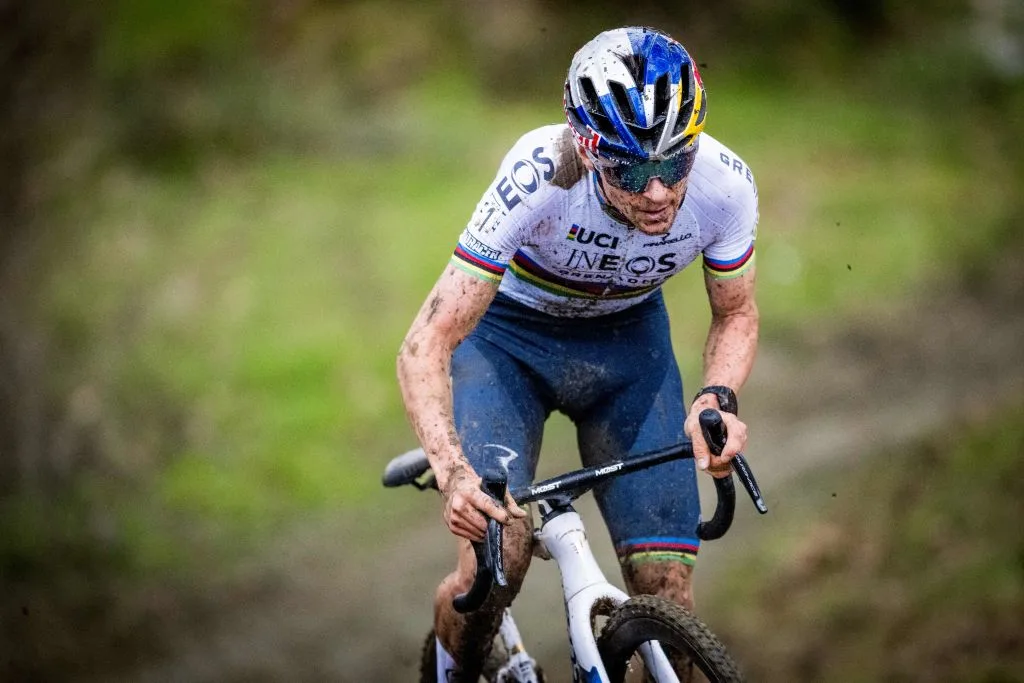
Are you ready to take your cyclocross riding to the next level? Speed isn’t just about raw power—it’s about technique, bike setup, and smart training.
Imagine cutting through muddy trails and rough terrain with ease, leaving others behind. You’ll discover simple, effective ways to boost your speed on a cyclocross bike. Whether you’re a beginner or looking to shave seconds off your race time, these tips will help you ride faster and smarter.
Keep reading, because faster rides are just around the corner.

Credit: www.bikeradar.com
Optimizing Bike Setup
Choosing the right tires greatly affects speed and control on rough paths. Tires with knobby treadoffer better grip but can slow you down on smooth roads. Tires with less tread roll faster but may slip on mud.
Adjusting tire pressure changes how the bike handles. Lower pressure improves tractionon soft ground but can cause more rolling resistance. Higher pressure makes the bike faster on hard surfaces but reduces comfort.
Fine-tuning suspension helps absorb bumps and keeps the bike stable. Proper suspension settings allow for better control and less energy loss during rides.
| Weight Reduction Strategies | Benefits |
|---|---|
| Use lightweight frame materials | Faster acceleration and easier climbs |
| Choose lighter wheels and tires | Improved handling and speed |
| Remove unnecessary accessories | Less weight to carry on trails |
Credit: www.bikeradar.com
Enhancing Riding Technique
Cornering wellhelps keep speed on tricky turns. Slow down before the corner, then lean your bike, not your body. Look where you want to go, not at the ground. Keep your outside pedal down for balance and push hard out of the turn.
Pedal smoothlyto save energy and keep speed steady. Use a circular motion, not just pushing down. Stay relaxed and keep your pedals spinning evenly. This helps avoid sudden speed loss and keeps you moving forward.
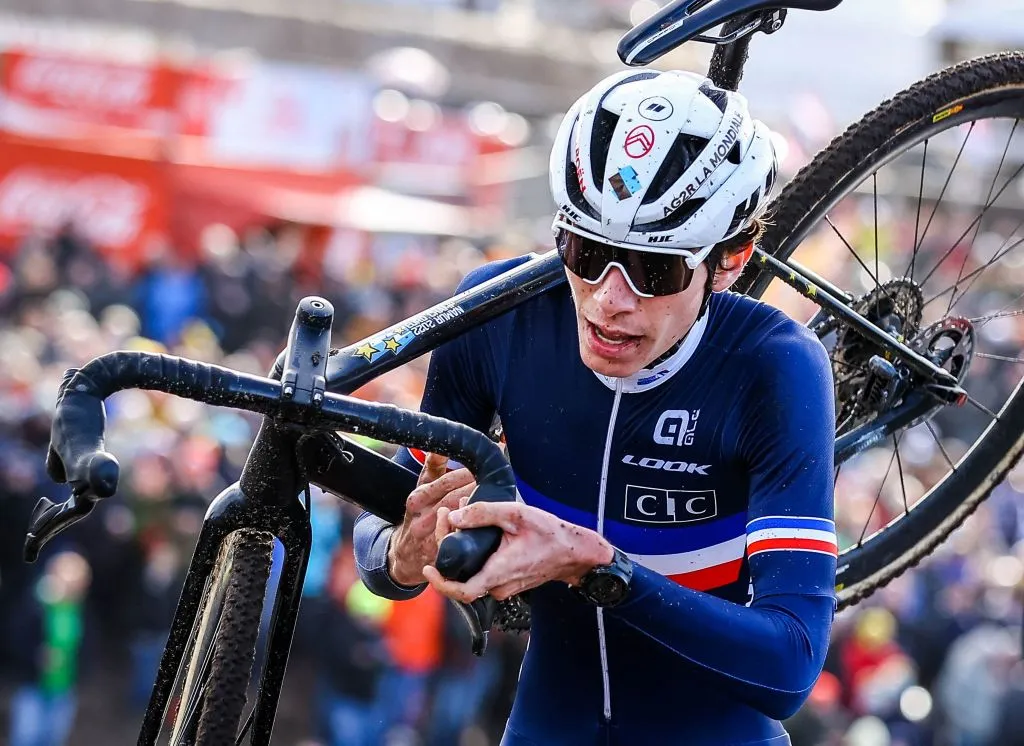
Smooth mounts and dismounts are key for fast racing. Practice getting on and off your bike quickly without stopping. Keep your movements fluid and controlled to save time. This makes transitions faster and less tiring.
Navigating obstaclesfast means choosing the right line. Look for the easiest path over or around. Stay balanced and keep your weight centered. Use your brakes gently to avoid losing momentum. Quick reactions help clear obstacles without slowing down.
Improving Physical Conditioning
Building endurancemeans riding longer at a steady pace. This helps your body use energy better. Start with shorter rides and add time slowly. Endurance helps you keep speed without getting tired fast.
Increasing power outputinvolves pedaling harder and faster. Use hills or resistance to build muscle strength. Stronger legs push the pedals more easily, making you faster on rough tracks.
Incorporating interval trainingmixes fast bursts with slow recovery. For example, sprint for 30 seconds, then ride slowly for 1 minute. Repeat several times. This trains your heart and muscles to work better under stress.
| Recovery Tips | Nutrition Tips |
|---|---|
| Rest at least one day per week | Eat carbs before and after rides |
| Stretch muscles after every ride | Drink water to stay hydrated |
| Sleep 7-9 hours for muscle repair | Include protein to help muscle growth |
Gear And Equipment Upgrades
Choosing lightweight componentshelps reduce the bike’s total weight. This makes climbing and accelerating easier. Look for parts made from carbon fiberor aluminum. Lighter wheels and frames improve speed and handling.
Optimizing the drivetrainkeeps power transfer smooth and efficient. Clean and lubricate the chain regularly. Use a narrow-wide chainringto reduce chain drops and improve shifting. A well-tuned drivetrain saves energy and boosts speed.
Using clipless pedalslets you push and pull the pedals. This adds power throughout each pedal stroke. Clipless pedals also improve control on rough terrain. Practice clipping in and out safely before races.
Benefits of aerodynamic gearinclude less wind resistance. Aero helmets, tight-fitting clothes, and streamlined bike parts help you cut through the air. This can make a big difference on fast sections of the course.
Course Strategy And Planning
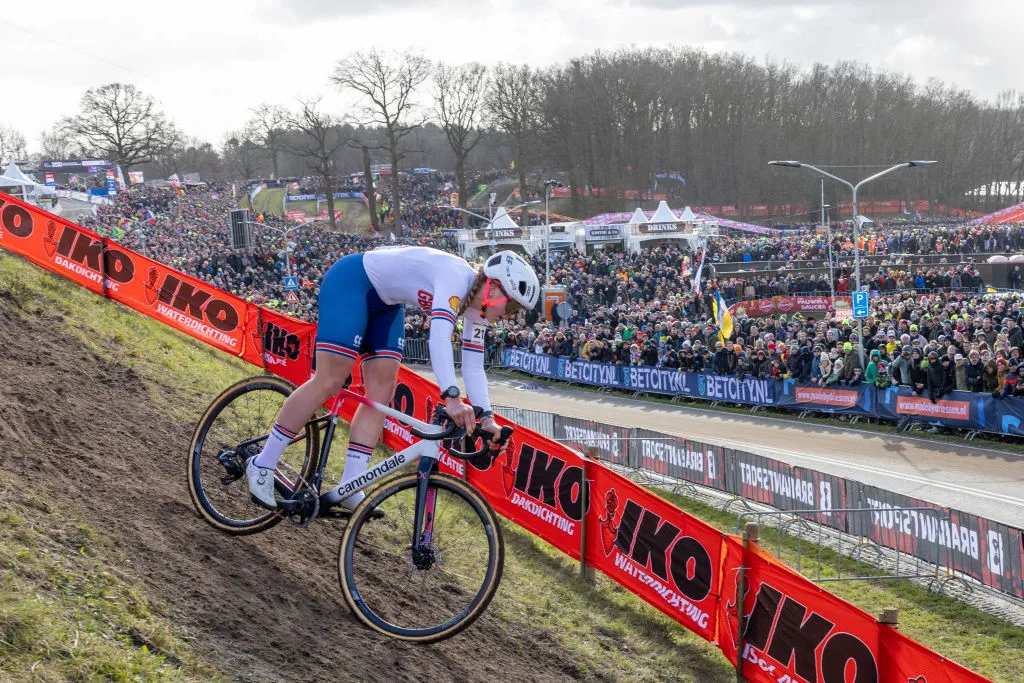
Riding fast means knowing the course well. Walk or ride the track before the race. This helps find tricky parts and sharp turns. Spot the best paths to save time. Look for smooth, clear lines that let you keep speed. Avoid areas with loose gravel or deep mud.
Weather changes the track a lot. Wet ground can be slippery. Dry soil may be dusty or loose. Change your path to stay safe and quick. Sometimes a slower but safer line wins.
Keep a steady pace. Start strong but don’t get tired too soon. Save energy for tough parts and the final push. Find a rhythm that feels easy but fast.
Credit: www.bikeradar.com
Frequently Asked Questions
How Can Tire Pressure Affect Cyclocross Bike Speed?
Proper tire pressure reduces rolling resistance and improves traction. Adjust pressure based on terrain for better control and speed. Lower pressure works well on mud; higher pressure suits hard surfaces. Regularly check and maintain optimal pressure for consistent performance.
What Role Does Bike Weight Play In Speed?
Lighter bikes accelerate faster and require less effort uphill. Reducing bike weight improves overall handling and responsiveness. Consider lightweight frames and components for speed gains. Balance weight reduction with durability for reliable cyclocross riding.
How Does Rider Position Influence Cyclocross Speed?
An aerodynamic rider position reduces wind resistance, increasing speed. Proper posture improves power transfer and control. Adjust saddle and handlebar height for comfort and efficiency. Practice maintaining a low, aggressive stance for faster riding.
What Maintenance Tips Improve Cyclocross Bike Speed?
Regularly clean and lubricate the drivetrain for smooth shifting. Check brake alignment and tire condition frequently. Tighten loose bolts and inspect suspension settings. Proper maintenance prevents mechanical issues that slow you down.
Conclusion
Improving speed on a cyclocross bike takes steady effort and smart choices. Focus on tire pressure, body position, and smooth gear changes. Practice riding on different surfaces to build skill and confidence. Keep your bike clean and well-maintained for better performance.
Small changes add up to faster rides and more fun. Keep pushing yourself and enjoy every moment on the trail. Speed will come with time and patience.



