
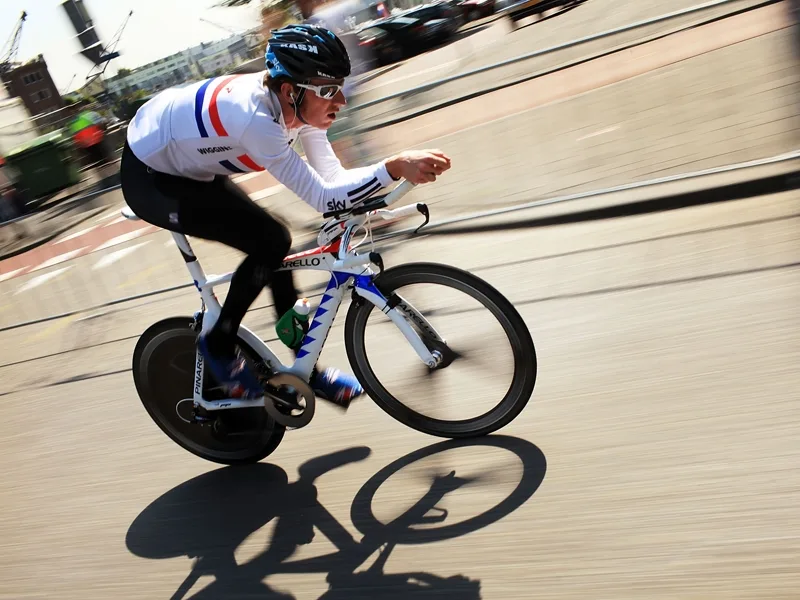
Are you struggling to get the most power and speed from your track bike? Improving your pedaling technique can make a huge difference in how you ride and perform.
When you pedal efficiently, you use less energy, go faster, and feel stronger on the track. You’ll discover simple tips and tricks that you can start using right away to pedal smoother, push harder, and ride smarter. Ready to take your track cycling to the next level?
Let’s dive in and transform your pedaling technique together.
Credit: roadcyclinguk.com
Pedaling Basics For Track Bikes
Foot positioningis key for better pedaling. Place the ball of your foot over the pedal axle. This gives more power and control. Avoid pushing with your toes or heels.
The pedal strokehas four phases:
- Push down:Apply force to move the pedal down.
- Pull back:Use your hamstrings to pull the pedal backward.
- Lift up:Lift the pedal using your hip flexors.
- Push forward:Move the pedal forward to complete the circle.
Cadencemeans how fast you pedal. A smooth, steady rhythm helps keep energy. Aim for 80-100 revolutions per minute on the track.

Credit: www.youtube.com
Common Pedaling Mistakes
Inefficient power transfermeans your legs don’t push the pedals well. This wastes energy and slows you down. Pedaling should feel smooth and steady, not jerky or weak.
Excessive muscle tensionhappens when you tighten your muscles too much. This causes quick fatigue and less control. Relax your legs and pedal with a light but firm touch.
Poor timingmeans your pedal strokes are not even. You push hard in some parts and weak in others. Try to pedal in a circle, applying steady force all the way around.
Drills To Enhance Pedaling
One-legged pedalinghelps build balance and focus on each leg’s power. Pedal with only one leg at a time for short periods. This drill improves muscle controland fixes weak spots.
High cadence spinningtrains your legs to pedal faster. Keep a smooth pedal stroke at a high speed, but with low resistance. This drill boosts leg speedand pedal efficiency.
Resistance trainingadds strength to pedaling muscles. Use higher gear or hill climbs to push hard. This helps build muscle powerand endurance for track cycling.
Bike Setup For Better Pedaling
Saddle heightaffects leg movement and power. A saddle too low limits extension. Too high causes hips to rock. Aim for a height where your leg is nearly straight at the bottom of the pedal stroke.
Saddle positionalso matters. Move it forward or backward to align your knee over the pedal axle. This helps with efficient force and reduces strain.
- Cleat alignmentcontrols foot placement on pedals.
- Place cleats so your feet point forward naturally.
- Misaligned cleats can cause knee pain and reduce power.
Crank length changes pedal circle size. Shorter cranks mean faster cadence but less leverage. Longer cranks offer more power but may limit speed.
Choose crank length that feels comfortable and suits your riding style.
Strength And Flexibility Exercises
Core stabilityhelps keep your body steady on the bike. A strong core supports better balance and control. Simple exercises like planks and bridges build core strength. Try holding a plank for 20 to 30 seconds and repeat 3 times.
Leg muscle conditioningimproves power and endurance. Focus on squats, lunges, and calf raises. These exercises make your legs stronger for longer rides. Start with light weights or just body weight.
Hip mobilityallows smoother pedal strokes. Stretch hips with leg swings and hip circles daily. This helps hips move freely and reduces injury risk. Gentle stretches before and after riding work best.

Credit: roadcyclinguk.com
Mental Focus And Visualization
Concentrationis key while riding track bikes. Focus your mind on the track. Stay aware of every pedal stroke. Avoid distractions like noise or other riders. Find a quiet place to practice. Breathe deeply and stay calm. This helps keep thoughts clear. Use short, simple mantras to stay focused. Repeat phrases like “steady” or “smooth” in your mind. These can help guide your rhythm and pace.
Picture smooth pedal strokesin your mind. Visualize each circle your foot makes. Imagine your legs moving like a clock. This helps you pedal evenly and efficiently. See your body relaxed and balanced. This mental picture guides your movement. It helps create a natural flow. Regular practice makes this visualization easier. Over time, your body will mirror what your mind sees. This improves your cycling technique.
Monitoring Progress And Adjustments
Track your pedaling speed and smoothness regularly to see improvement. Adjust your technique based on what feels efficient and comfortable. Small changes can lead to better control and power on the bike.
Using Power Meters
Power meters help track your pedaling power. They show how much force you use. Riders can see their strength levels. This helps adjust training plans. It ensures you work at the right intensity. Using these tools improves pedaling efficiency. Consistent monitoring can lead to better results.Video Analysis
Video analysis captures your pedaling technique. Watching yourself helps spot mistakes. Coaches can provide feedback on your form. It helps in making necessary changes. Videos allow detailed examination of your performance. This tool aids in refining skills. It ensures smoother and faster cycling.Feedback From Coaches
Coaches offer valuable insights. They watch your pedaling style. Feedback helps identify areas to improve. Expert advice is crucial for progress. Listening to coaches can enhance your technique. They guide you in developing better habits. Regular feedback leads to steady improvement. `Frequently Asked Questions
How Can I Improve Pedaling Efficiency On Track Bikes?
Focus on smooth, circular pedal strokes to reduce energy loss. Engage both upstroke and downstroke muscles. Practice drills like one-legged pedaling to build balance and power. Proper bike fit also enhances efficiency and comfort.
What Is The Best Cadence For Track Bike Pedaling?
Aim for a cadence of 90 to 110 revolutions per minute (RPM). This range optimizes power output and reduces muscle fatigue. Adjust cadence based on track conditions and personal fitness levels for best results.
How Does Bike Fit Affect Pedaling Technique?
A proper bike fit ensures optimal leg extension and hip angle. It prevents injury and enhances power transfer. Adjust saddle height, fore-aft position, and handlebar reach to suit your body and riding style.
Why Is Core Strength Important For Pedaling?
A strong core stabilizes your body during pedaling, improving power transfer. It helps maintain balance and reduces fatigue on long rides. Incorporate core exercises into your training for better pedaling technique.
Conclusion
Improving your pedaling technique takes time and practice. Focus on smooth, even pedal strokes. Keep your body relaxed and maintain a steady rhythm. Small changes lead to better control and speed. Practice regularly to build muscle memory. Track biking becomes easier and more enjoyable with good technique.
Remember, consistency beats quick fixes. Stay patient and keep pedaling strong. Your efforts will pay off on the track.



