

If you’ve ever felt sore or tired after a long day on your bikepacking bicycle, you’re not alone. Comfort isn’t just a luxury—it’s the key to enjoying every mile and making your adventure truly unforgettable.
Imagine riding longer, feeling less fatigue, and arriving at your destination refreshed and ready to explore. You’ll discover simple, effective ways to improve comfort on your bikepacking bike. Whether you’re a beginner or a seasoned rider, these tips will help you enjoy the ride more than ever before.
Keep reading to transform your bikepacking experience from tough to truly enjoyable.

Credit: alpkit.com
Choosing The Right Frame
Comfort is key for bikepacking trips. The right frame helps you ride longer without pain.
Picking the right frame means thinking about materials, shape, and size.
Frame Material Options
Bike frames come in many materials. Each affects comfort and bike weight.
Steel frames offer a smooth ride and absorb bumps well. They are strong but heavier.
Aluminum frames are light and stiff. They may feel rougher on rough roads.
Carbon fiber frames are very light and absorb vibrations well. They cost more.
- Steel: durable and comfortable, but heavier
- Aluminum: light and stiff, less shock absorption
- Carbon fiber: light and smooth ride, higher price
Frame Geometry Considerations
Frame shape changes how you sit and ride. It affects comfort on long trips.
Relaxed geometry means a more upright position. This reduces strain on your back.
Sporty geometry leans you forward. It is faster but can cause discomfort on long rides.
- Relaxed geometry: upright and comfy for long rides
- Sporty geometry: forward position, better for speed
- Choose geometry based on your riding style and trip length
Sizing For Comfort
Correct frame size is vital for comfort. A bad fit causes pain and fatigue.
Measure your height and inseam to find the right frame size. Test ride if possible.
- Too small frames cause cramped riding positions
- Too large frames make handling harder and cause strain
- Proper size supports good posture and reduces soreness
Credit: www.calltoadventure.uk
Optimizing The Saddle
Comfort on a bikepacking bicycle depends a lot on the saddle. The right saddle can reduce pain and improve your ride. Small changes can make a big difference.
Fitting your saddle well helps you ride longer without discomfort. This guide covers how to select, position, and protect your saddle.
Selecting Comfortable Saddles
Choose a saddle that fits your body shape and riding style. Different saddles suit different riders. Try a few before deciding.
Look for saddles with enough padding but not too soft. Too soft padding can cause pressure points over time.
- Consider wider saddles for more sit bone support
- Leather saddles mold to your shape over time
- Synthetic saddles dry quickly and need less care
- Test saddles on short rides before long trips
Proper Saddle Positioning
Set your saddle height so your leg is almost fully extended at the bottom pedal stroke. This reduces knee strain.
Adjust the saddle tilt to level or slightly nose-down. This helps avoid pressure on soft tissues and improves comfort.
- Measure saddle height from the center of the crank to the top of the saddle
- Keep the saddle horizontal or tilt it about 1 degree downward
- Move the saddle forward or backward to find your best reach
- Check your riding posture after changes to avoid new discomfort
Using Saddle Pads And Covers
Saddle pads add extra cushioning and reduce friction during long rides. They help protect your skin from chafing.
Covers protect your saddle from rain and dirt. Some also add a layer of comfort with gel or foam padding.
- Choose padded shorts with a chamois for better comfort
- Use gel or foam saddle covers for extra cushioning
- Waterproof covers keep your saddle dry in wet weather
- Replace worn pads and covers regularly to maintain comfort
Handlebar Setup
Comfort on a bikepacking bicycle depends a lot on the handlebar setup. Adjusting handlebars can reduce pain and improve control during long rides.
Choosing the right type, height, and grips makes your ride smoother and less tiring. This guide covers key points to improve comfort.
Handlebar Types For Comfort
Different handlebars offer various hand positions and support. Choose one that fits your riding style and body shape.
- Flat Bars:Good for control and easy handling on rough trails.
- Riser Bars:Provide a more upright position for less strain on the back.
- Drop Bars:Allow multiple hand positions for long rides and varied terrain.
- Bullhorn Bars:Offer forward-leaning positions and good leverage for climbing.
Adjusting Handlebar Height And Reach
Proper height and reach help avoid wrist, shoulder, and neck pain. Adjust them to fit your body size and riding posture.
| Adjustment | Effect | Tip |
| Raise handlebars | Relieves lower back stress | Use spacers or flip stem |
| Lower handlebars | Improves aerodynamics | Best for faster rides on flat roads |
| Shorten reach | Reduces arm stretch | Choose shorter stem or move bars closer |
| Lengthen reach | Opens chest for better breathing | Use longer stem or move bars forward |
Adding Comfortable Grips And Tape
Good grips and tape absorb shocks and reduce hand fatigue. Choose materials and shapes that feel soft but firm.
- Use padded grips or ergonomic shapes to support your palms.
- Apply cushioned handlebar tape for drop or bullhorn bars.
- Consider gel or foam tape for extra shock absorption.
- Replace grips and tape regularly to keep comfort high.
Tire Choices And Pressure
Choosing the right tires and setting the correct pressure improve your ride comfort. These two factors affect how your bike handles rough roads and long trips.
Understanding tire width, tread patterns, and pressure settings helps you enjoy smoother rides on different terrains.
Choosing The Right Tire Width
Tire width affects comfort and control. Wider tires absorb bumps better. They offer more grip on rough trails but can slow you down on smooth roads.
- Narrow tires (25-35mm) are best for paved roads and light gravel.
- Medium tires (35-45mm) work well on mixed surfaces.
- Wide tires (45mm and up) provide comfort on rough and soft terrain.
Tread Patterns For Different Terrains
Tire tread affects traction and rolling resistance. Smooth tread is faster on pavement but less grippy off-road. Knobby tread grips loose dirt and mud well.
| Tread Type | Best Terrain | Comfort Level |
| Smooth | Pavement, packed gravel | High on smooth surfaces |
| Semi-slick | Mixed surfaces | Balanced comfort and grip |
| Knobby | Loose dirt, mud, rocks | Better grip, less speed |
Adjusting Tire Pressure For Comfort
Proper tire pressure cushions your ride and prevents flats. Lower pressure gives more comfort but may increase risk of pinch flats. Higher pressure reduces rolling resistance but feels harsher.
- Check manufacturer’s recommended pressure range on the tire sidewall.
- Lower pressure for rough or soft surfaces to absorb shocks.
- Higher pressure for smooth roads to improve speed.
- Adjust pressure based on rider weight and load.
Suspension And Vibration Reduction
Bikepacking can be tough on your body because of rough roads and long rides. Reducing vibrations and adding suspension can make your trip more comfortable.
Using the right suspension and vibration reduction tools helps protect your joints and muscles. This keeps you riding longer and feeling better.
Front And Rear Suspension Options
Front suspension forks help absorb bumps from rocks and roots. They reduce shocks that come through the handlebars.
Rear suspension on some bikes can soften impacts on the back wheel. This keeps your seat and frame from jolting hard.
- Front suspension forks improve control on rough terrain
- Rear suspension frames reduce impact on the lower back
- Hardtail bikes have front suspension only, saving weight
- Full suspension bikes have front and rear suspension for extra comfort
Using Suspension Seatposts
Suspension seatposts add a small amount of shock absorption under your saddle. They help reduce vibrations from the road.
These seatposts use springs or elastomers to cushion impacts. They are easy to install and work on most bikes.
- Spring suspension seatposts use metal springs for shock absorption
- Elastomer seatposts use rubber-like materials to soften bumps
- Adjustable seatposts let you change the softness level
- They improve comfort on long rides with less weight than full suspension
Additional Vibration Dampening Accessories
Other accessories can reduce vibrations and improve comfort on your bikepacking bike. These parts work with your suspension system.
Items like handlebar grips, gloves, and tires help absorb shocks and reduce hand and foot fatigue.
- Padded or gel handlebar grips soften hand vibrations
- Thick or wider tires lower road buzz and improve cushioning
- Bikepacking gloves with padding protect your hands from shocks
- Bar tape with extra padding adds comfort on drop bars
- Suspension stems and inserts can add small shock absorption

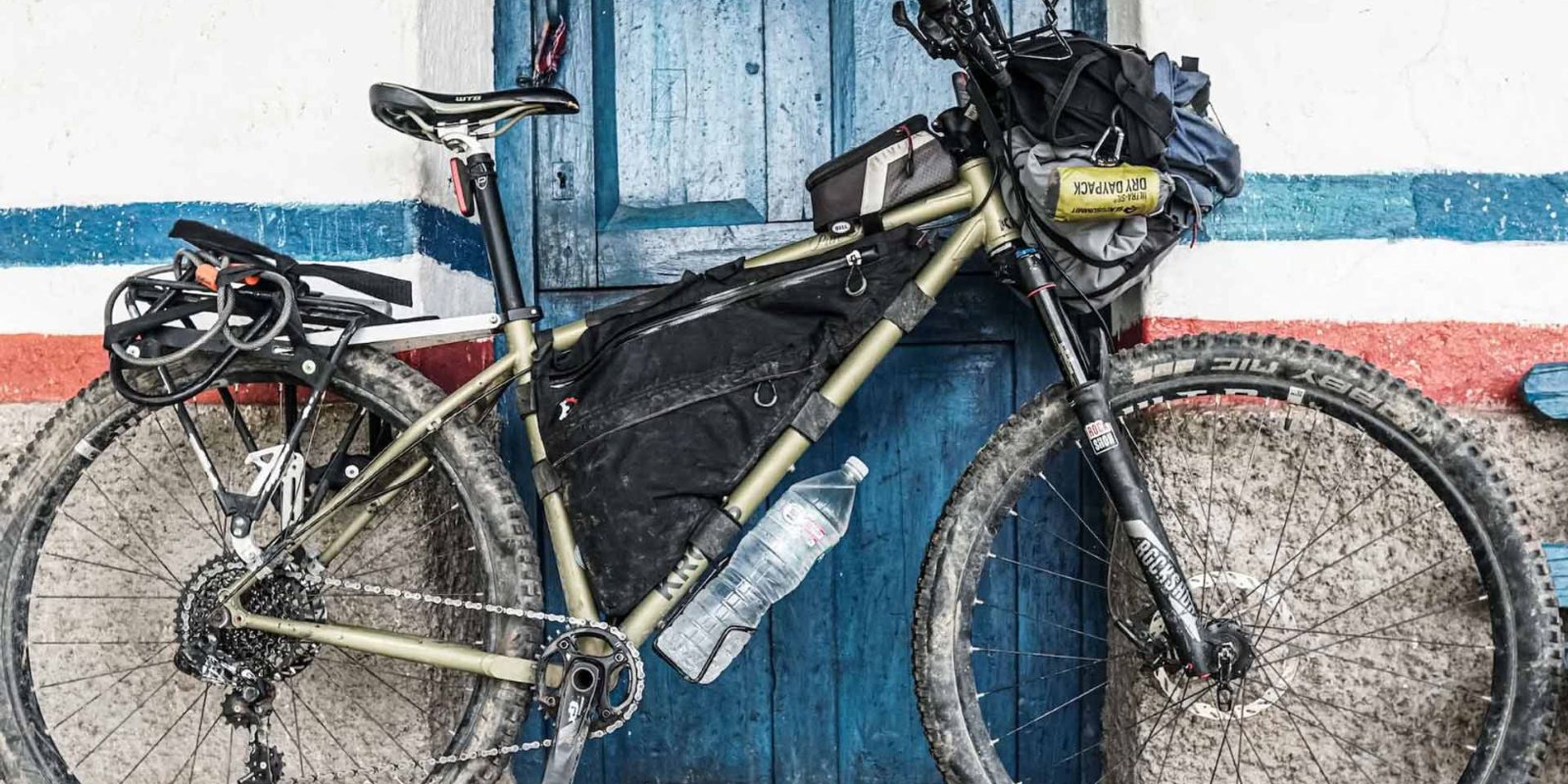
Credit: www.reddit.com
Packing And Load Distribution
Comfort on bikepacking trips depends a lot on how you pack your gear. Proper load distribution helps you ride longer with less strain.
Organizing your items and choosing the right bags affects balance and bike handling. This guide covers key ideas to improve comfort.
Balanced Packing Techniques
Keeping your bike balanced makes riding easier and safer. Spread weight evenly between front and back to avoid tipping.
- Place heavy items low and close to the frame
- Distribute weight equally on both sides of the bike
- Keep frequently used gear within easy reach
- Use compression straps to secure loose items
- Test load balance before long rides
Using Frame Bags And Panniers
Frame bags and panniers add carrying space without hurting stability. Frame bags sit in the triangle, keeping weight centered.
Panniers attach to racks and hold larger loads. Use rear panniers for heavier gear and front panniers for lighter items.
| Bag Type | Best Use | Weight Position |
| Frame Bag | Tools, food, small items | Center, low on bike |
| Rear Pannier | Clothing, camping gear | Back, can carry more weight |
| Front Pannier | Light gear, quick access | Front, balance front load |
Impact Of Load On Comfort
Heavier loads increase pressure on your body and bike parts. Poor load placement can cause pain and affect control.
Tips to reduce discomfort from load:
- Adjust saddle height and handlebar position for comfort
- Take breaks to relieve pressure points
- Use padded bags or covers to reduce vibrations
- Keep the load stable to avoid sudden shifts
Riding Techniques For Comfort
Bikepacking trips can be long and challenging. Comfort helps you ride longer without pain. Using the right techniques reduces strain on your body.
Focus on your riding position, resting often, and pedaling well. These simple habits improve your comfort on the bike.
Adjusting Riding Position
A proper riding position reduces pressure on your hands, back, and neck. Adjust your seat height and handlebar angle to fit your body.
- Set seat height so your leg is slightly bent at the bottom of the pedal stroke.
- Adjust handlebar height to avoid leaning too far forward.
- Keep a relaxed grip on the handlebars to reduce hand numbness.
- Shift your weight slightly forward or backward to balance pressure.
Taking Breaks And Stretching
Stopping regularly helps your muscles rest and your mind stay fresh. Stretching during breaks prevents stiffness and soreness.
| Stretch | Target Area | How to Do It |
| Hamstring Stretch | Back of Thigh | Sit and reach for your toes slowly |
| Quadriceps Stretch | Front of Thigh | Stand and pull one foot toward your buttocks |
| Lower Back Stretch | Lower Back | Bend forward gently while standing |
| Shoulder Roll | Shoulders and Neck | Roll shoulders slowly backward and forward |
Pedaling Cadence And Efficiency
Pedaling at a steady cadence saves energy and reduces fatigue. Try to keep a smooth and consistent pedal stroke.
- Maintain a cadence between 70 and 90 revolutions per minute.
- Use lower gears on hills to avoid straining your knees.
- Focus on circular pedaling to use all leg muscles evenly.
- Relax your upper body to save energy.
Clothing And Gear
Comfort is key for long bikepacking trips. The right clothes and gear help reduce pain and keep you moving.
Choosing items that fit well and suit the weather can improve your ride experience a lot.
Choosing Padded Shorts
Padded shorts protect your skin and reduce saddle soreness. They add cushioning where you need it most.
Look for shorts with good padding thickness and soft fabric. Make sure they fit snug but not tight.
- Choose shorts with high-density pads for long rides
- Pick breathable materials to avoid sweat buildup
- Try different brands to find what fits your shape
Layering For Temperature Control
Layering clothes helps you stay warm or cool. You can add or remove layers as the weather changes.
Start with a moisture-wicking base layer to keep sweat off your skin. Add an insulating layer for warmth.
- Wear a light jacket or windbreaker for wind protection
- Use layers that dry quickly to avoid chills
- Bring extra layers for cold nights or high altitudes
Footwear And Gloves
Good shoes and gloves improve grip and protect your hands and feet. They also add comfort on rough trails.
Choose shoes with stiff soles for better pedaling power. Gloves should fit well and offer padding on the palms.
- Pick shoes that allow good airflow and dry fast
- Use gloves with padded palms to reduce hand fatigue
- Bring waterproof options if rain is expected
Frequently Asked Questions
How Can I Choose The Right Bikepacking Seat?
Choosing the right seat is crucial for comfort. Look for a seat with adequate padding and ergonomic design. Consider your riding style and body type. Test different seats to find the best fit. A high-quality seat can significantly reduce discomfort during long rides.
What Is The Best Handlebar Position For Comfort?
The best handlebar position depends on your body and riding style. Generally, a slightly raised handlebar reduces strain on your back and wrists. Adjust the angle and height to find a comfortable position. Regular adjustments may be necessary as you adapt to different terrains.
How Do I Reduce Bikepacking Saddle Sores?
To reduce saddle sores, wear padded cycling shorts and choose a seat with good cushioning. Maintain proper bike fit and adjust the seat height. Regularly stand and shift your position while riding. Keeping the seat clean and dry can also help prevent sores.
Why Is Tire Pressure Important For Comfort?
Proper tire pressure enhances comfort and reduces the risk of flats. Under-inflated tires can cause sluggish rides, while over-inflated ones result in harsh vibrations. Check the recommended PSI on your tire and adjust accordingly. Regularly monitor tire pressure for optimal performance.
Conclusion
Comfort on bikepacking bicycles matters a lot for long rides. Small changes like adjusting the seat or using padded gloves help. Choosing the right tires and keeping your bike balanced also make a big difference. Don’t forget to take breaks and stretch often.
Enjoying your ride feels better with less pain and strain. Try these tips to make your bikepacking trips more pleasant and fun. Your body will thank you on every journey ahead.



