
When you’re racing through muddy trails, sharp turns, and unpredictable terrain, your brakes can make all the difference between winning and wiping out. Improving your braking in cyclocross conditions isn’t just about stopping faster—it’s about staying in control, riding confidently, and pushing your limits safely.
If you want to master your bike’s stopping power and handle any tricky situation with ease, this guide is for you. Keep reading to discover simple yet powerful tips that will transform how you brake and boost your performance on the course.

Credit: www.bikeradar.com
Choosing The Right Brake Type
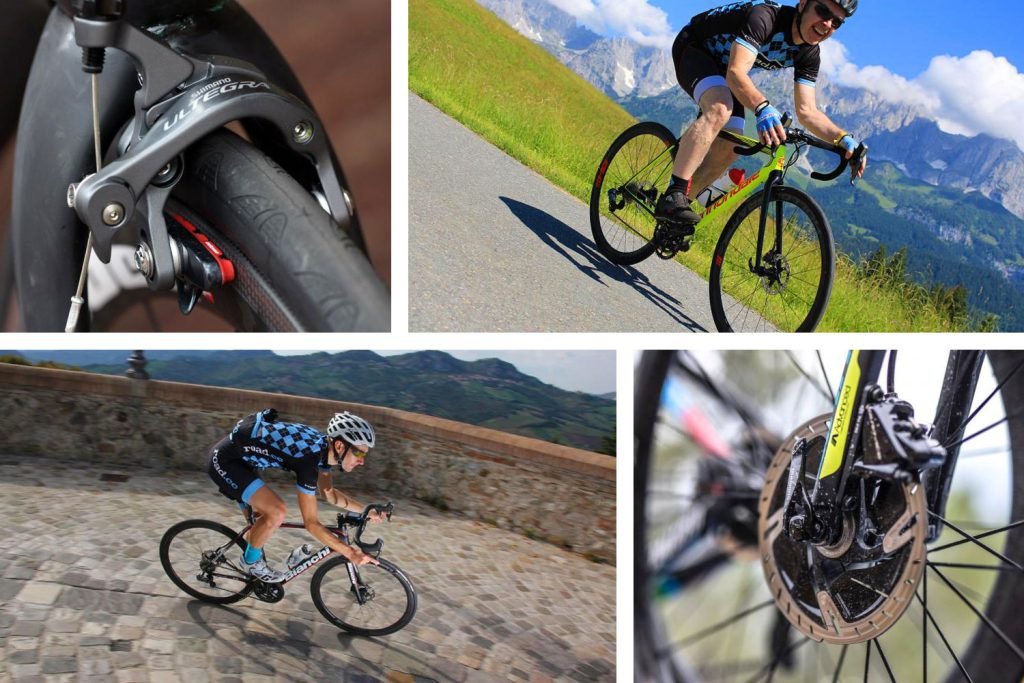
Disc brakesprovide better stopping power in wet and muddy conditions. They work well in cyclocrossbecause they handle dirt and water better than rim brakes. Rim brakes can lose grip when the rims are wet or dirty.
Hydraulic systemsuse fluid to push brake pads. They offer stronger and smoother braking. Mechanical systems use cables, which may feel less smooth but are easier to fix. Hydraulics need less hand effort, making long rides easier.
| Brake Type | Advantages | Disadvantages |
|---|---|---|
| Disc Brakes | Better in mud and rain, stronger stopping | Heavier, more costly |
| Rim Brakes | Lighter, simpler design, cheaper | Less effective when wet or muddy |
| Hydraulic | Smoother, stronger brake feel | Needs special tools, harder to fix |
| Mechanical | Easy to repair, less expensive | Less smooth, more hand effort |
Selecting Optimal Brake Pads
Brake pads come in different materials, each with its own strengths. Sintered padslast long and work well in mud and wet conditions. Organic padsoffer quieter braking and better feel but wear faster. Semi-metallic padsare a mix, giving decent durability and good stopping power.
Choosing the right pad depends on riding style and weather. Muddy cyclocross needs pads that clean themselveseasily and maintain grip in wet dirt.
| Pad Type | Pros | Cons | Best For |
|---|---|---|---|
| Sintered | Long life, good wet grip | Noisy, can wear rotors | Muddy, wet conditions |
| Organic | Quiet, good modulation | Wear quickly, less durable | Dry, less muddy tracks |
| Semi-metallic | Balanced wear and grip | Moderate noise | Mixed conditions |
Brake pads wear out and need regular checks. Look for thinningor glazingon pads. Replace them before performance drops. Worn pads reduce braking power and can damage rotors.
- Inspect pads every few rides during cyclocross season.
- Replace pads if less than 1 mm thick.
- Clean pads and rotors to remove dirt and oil.
Tire Selection And Pressure
Tread patternsplay a big role in mud and dirt conditions. Tires with deep, widely spaced knobsclear mud easily and keep grip strong. Smaller knobs work best on hard-packed dirt for better control. Choosing the right tread helps you stop faster and stay safe.
Tire pressureaffects how well tires hold the ground. Lower pressure increases tractionby letting tires grip rough surfaces better. But too low can cause flats or rim damage. Higher pressure reduces rolling resistancebut lowers grip on slippery mud. Find a balance that suits the trail and your weight.
- Lower pressure for soft, muddy trails.
- Higher pressure for hard, dry dirt.
- Test small changes to see what feels best.
Mastering Brake Techniques
Improving braking in cyclocross demands sharp focus and skill. Practice balance and control for a smoother ride. Adjust tire pressure and brake modulation to adapt to different terrains.
Modulating Brake Force
Use your brakes gently to avoid slipping on mud or loose dirt. Press the brake lever slowly and control the force. This helps keep the bike stable and prevents sudden stops. Practice applying the brakes with different pressure to find the best balance. Remember, the front brake gives most stopping power, but too much can cause you to flip over. Use both brakes together for smooth slowing.
Body Positioning During Braking
Move your weight back when braking to keep the front wheel from sliding out. Keep your elbows bent and your body low. This improves control and balance on rough terrain. Look ahead to pick the best line for braking and avoid obstacles. Keep your fingers on the brake levers to react quickly. Staying relaxed helps you stay steady and react faster.
Maintenance For Reliable Braking
Regular cleaninghelps keep brakes working well in muddy cyclocross rides. Use a soft brush and mild soap to remove dirt and grime from brake pads and rotors.
Check brake pads for wear or damage. Replace them if they look thin or uneven. Inspect rotors for warping or deep scratches that may reduce braking power.
| Check | What to Look For | Action Needed |
|---|---|---|
| Cables | Fraying, rust, or stiffness | Replace or lubricate |
| Hydraulic Fluid | Low level or dirty fluid | Top up or bleed system |
Clean and inspect cables to avoid poor brake response. Hydraulic systems need fluid checks to ensure smooth braking. Proper maintenance keeps brakes reliablein tough conditions.

Credit: www.bikeradar.com
Riding Strategies For Variable Conditions
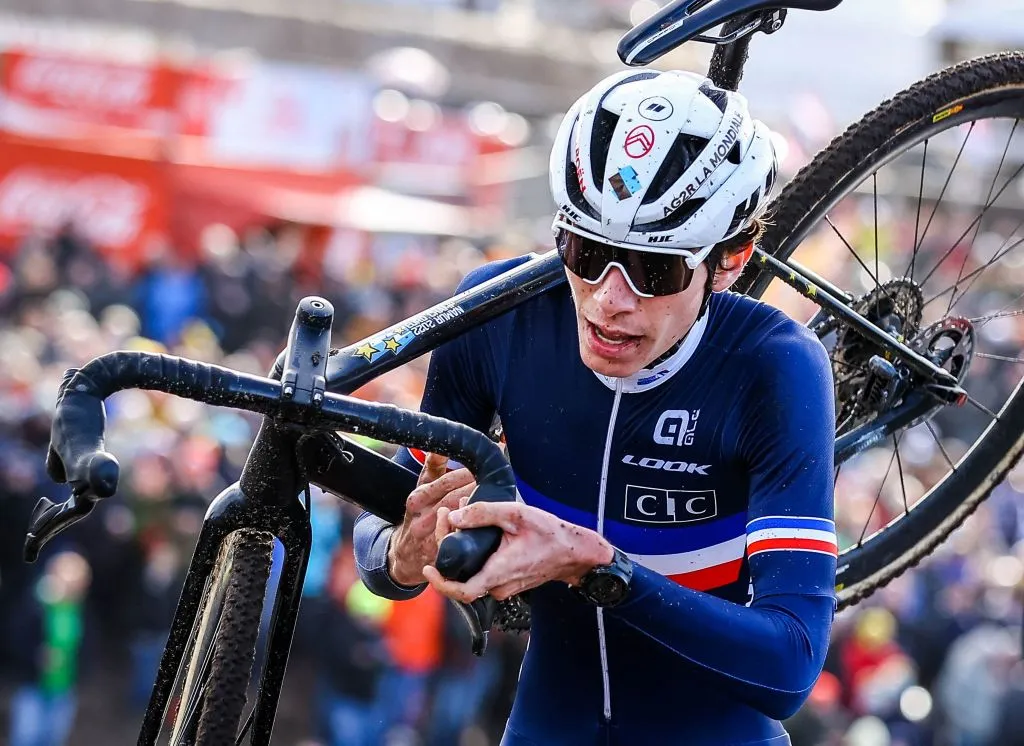
Adjust your body position to keep balance and control on slippery surfaces. Brake gently and evenly to avoid skidding. Practice using both front and rear brakes for smooth stops in mud or wet conditions.
Anticipating Terrain Changes
Understand the ground ahead. Watch for mud, grass, or gravel. Spot changes in terrain early. This helps in preparing to brake in time. Keep eyes on the path always. Adjust speed before reaching tricky spots. Slowing down ahead can prevent slips. Ready your fingers on brake levers as needed. Stay balanced by shifting body weight. This keeps the bike stable on uneven ground.
Using Momentum Wisely
Momentum can be a friend on varied surfaces. Let the bike roll over small obstacles. Braking too much can cause skids. Use speed smartly to pass through sticky mud. Maintain a steady pace on grass and dirt. Control speed with gentle braking when needed. Avoid sudden stops to keep balance. Trust in your biking skills. Confidence helps in managing speed better.
Credit: www.bikeradar.com
Frequently Asked Questions
How Can Tire Choice Improve Cyclocross Braking?
Choosing tires with aggressive tread and softer rubber enhances grip. This improves braking performance in muddy and slippery cyclocross conditions. Wider tires also increase surface contact, aiding control during braking.
What Braking Techniques Work Best In Cyclocross Races?
Modulate brake pressure to avoid wheel lock-up. Use both front and rear brakes evenly for stable deceleration. Practice feathering brakes on loose surfaces to maintain control and prevent skidding.
How Does Bike Maintenance Affect Braking Efficiency?
Regularly clean and lubricate brake components to ensure smooth operation. Check brake pads for wear and replace if thin. Properly adjusted brakes respond faster and provide consistent stopping power.
Should I Adjust Brake Setup For Cyclocross Riding?
Yes, optimize brake lever reach for quick access. Use disc brakes when possible for better wet-weather performance. Adjust cable tension to ensure brakes engage promptly without drag.
Conclusion
Improving braking in cyclocross makes riding safer and more fun. Choose the right brakes and keep them clean. Practice braking on different surfaces to gain control. Adjust your technique to match tricky conditions. Small changes can make big differences. Stay calm and brake smoothly to avoid slipping.
Keep your bike ready for every ride. Safe braking helps you enjoy cyclocross more. Try these tips on your next ride and feel the difference.



