
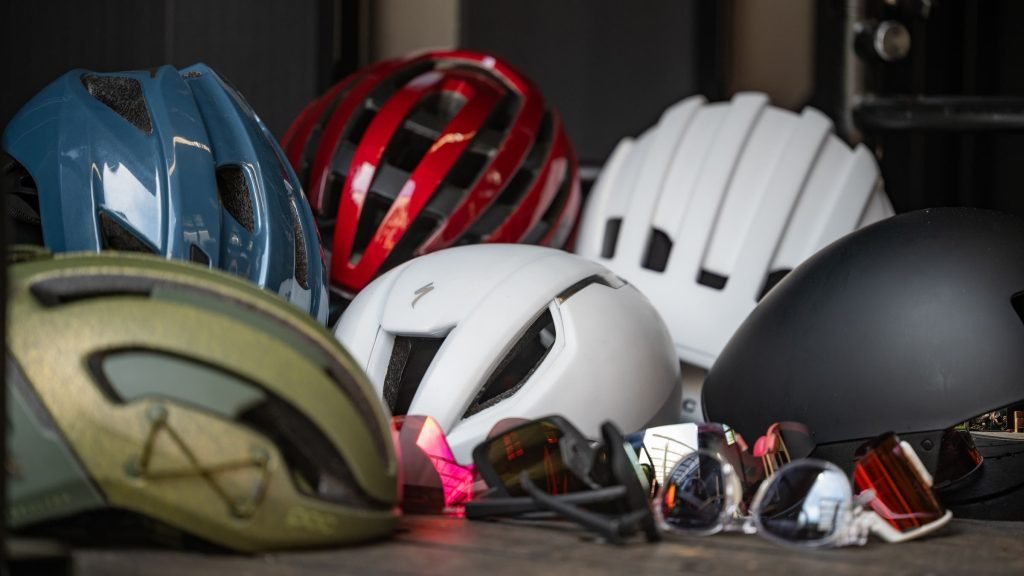
Are you tired of adjusting your bike helmet every few minutes during your rides? Does it feel like a constant battle between safety and comfort?
You’re not alone. Many cyclists experience discomfort with their helmets, which can distract you from the joy and focus of your ride. But what if there was a way to make your helmet feel like a natural extension of yourself, providing safety without sacrificing comfort?
We’ll dive into practical, simple techniques that can transform your riding experience. Imagine a world where your helmet fits perfectly, feels light, and enhances your ride. Stay with us, and let’s unlock the secrets to a more comfortable biking adventure.
Helmet Fit
Choosing the right helmet size is very important. A helmet must sit snugly on your head. It should not move when you shake your head. Measure your head with a tape measure. Check the helmet size chart to find your size. Always try the helmet on before buying. Make sure it feels comfortable. There should be no gaps between your head and the helmet. A well-fitted helmet keeps you safe.
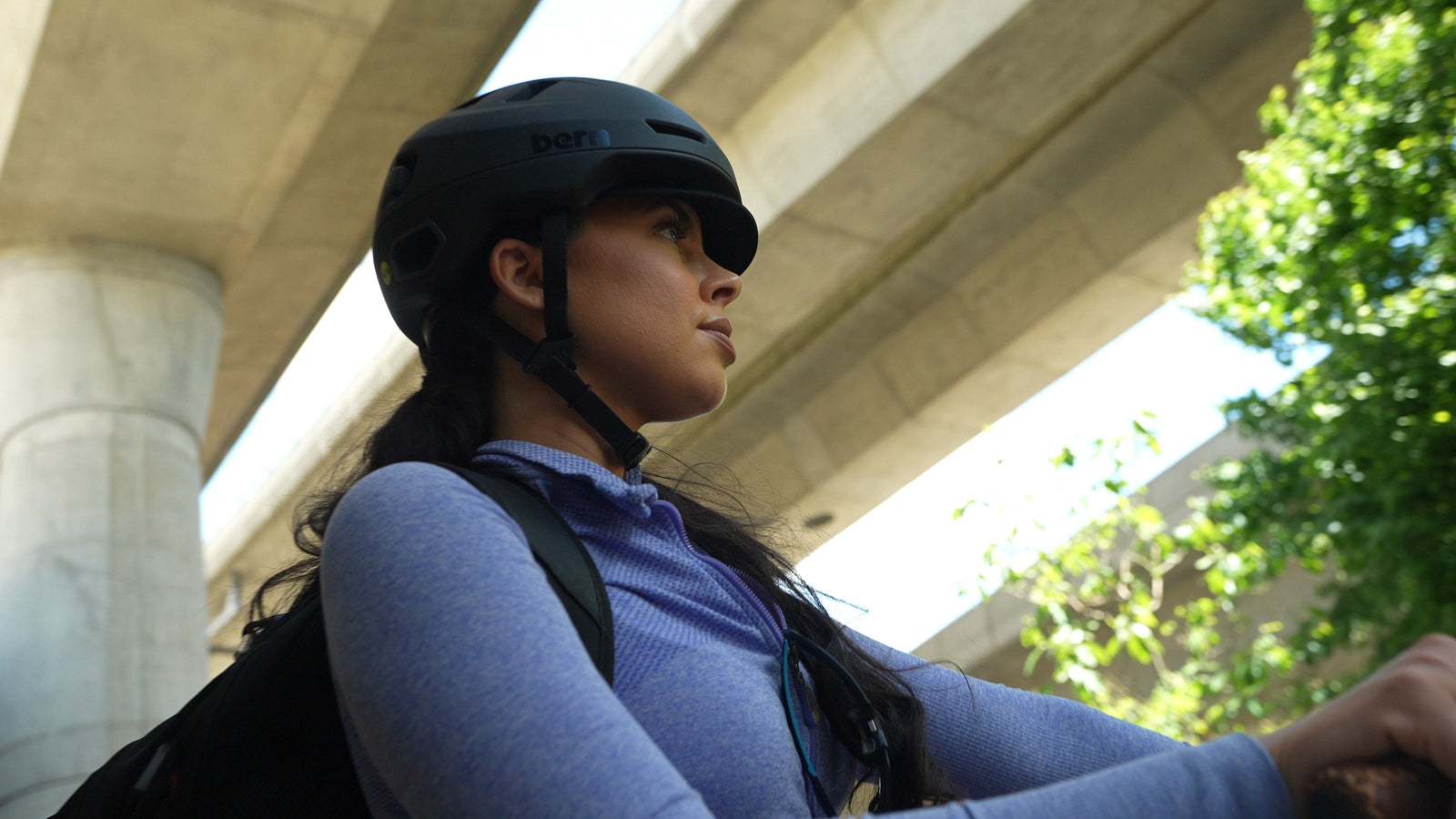
Straps help keep the helmet in place. They should form a “V” under your ears. Adjust the straps until they sit comfortably. The buckle should be tight under your chin. You should fit one finger between the strap and your chin. Check the fit regularly, as straps can loosen over time. Properly adjusted straps ensure the helmet stays secure.
Credit: bernhelmets.com
Padding Options
Enhance bike helmet comfort by exploring various padding options. Choose pads that fit well and provide extra cushion. This simple change can make long rides more enjoyable.
Types Of Padding
Bike helmet padding comes in various types. Some padding is soft and cushy. It feels nice on your head. Other padding is firm and supportive. It keeps your helmet steady. You can choose the type you like best. Both types help make helmets more comfortable.
Customizable Padding
Some helmets have customizable padding. You can adjust it to fit your head. This makes wearing the helmet feel better. Extra padscan be added or removed. This lets you find the perfect fit. Custom padding is great for comfort.
Ventilation Features
Ventilation features enhance bike helmet comfort by allowing airflow to keep your head cool. These features reduce sweat buildup, ensuring a more pleasant ride.
Airflow Design
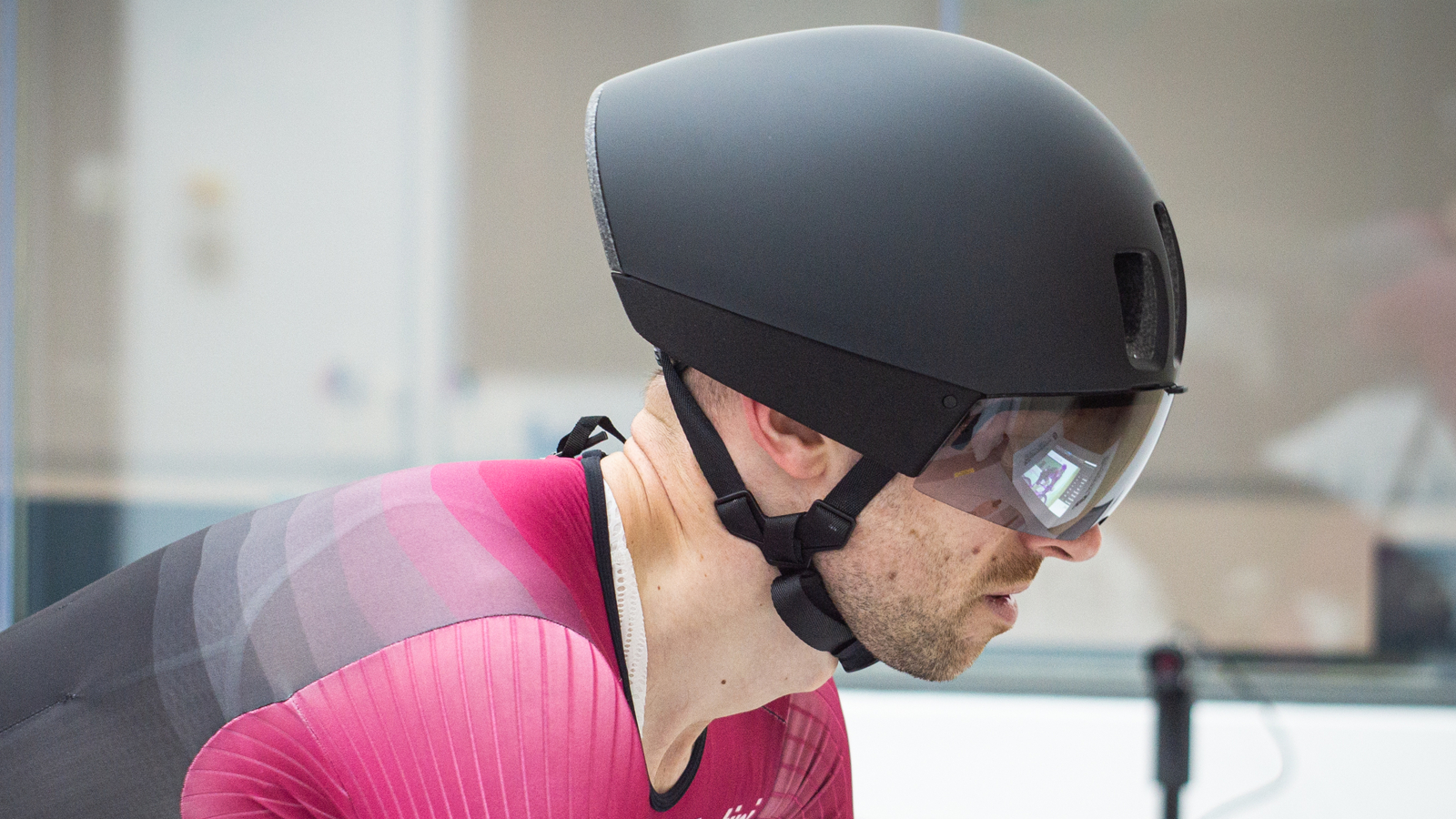
Proper airflow designis key for a comfy bike helmet. It helps keep your head cool. Vents allow air to move through the helmet. This helps reduce sweating and discomfort. The shape of vents is important. They should be placed to direct air efficiently. This will keep you comfortable during your ride.
Cooling Systems
Some helmets have special cooling systems. These systems work with the airflow design. They include pads that wick away sweat. This helps keep the head dry. Some helmets even have fans. These fans boost the airflow. This keeps your head cooler for longer rides. Choosing the right cooling system can make a big difference.
Credit: www.cyclingnews.com
Weight Considerations
Consider lighter helmets to reduce neck strain and improve comfort. Balance weight evenly for better stability.
Lightweight Materials
Bike helmets made with lightweight materialsfeel better on your head. These materials include foam and plastic. Foam is soft and light. Plastic is strong and thin. Together, they make a safe helmet. A lighter helmet means less neck pain. It also helps you ride longer without getting tired.
Impact On Comfort
A helmet that fits well is very important. The right size keeps it snug on your head. It should not move around when you ride. Padded straps add comfort and keep the helmet in place. Vents in the helmet let air flow. This keeps your head cool. A helmet that is both light and comfortable makes biking fun.
Material Choices
Choosing the right fabric can make a helmet comfy. Fabrics that allow air to pass through are best. They help keep your head cool and dry. Breathable materials like mesh and cotton are great choices. These fabrics let sweat evaporate quickly. Staying dry can prevent itchy skin. A cool head means a happy ride. So, choose wisely for a pleasant biking experience.
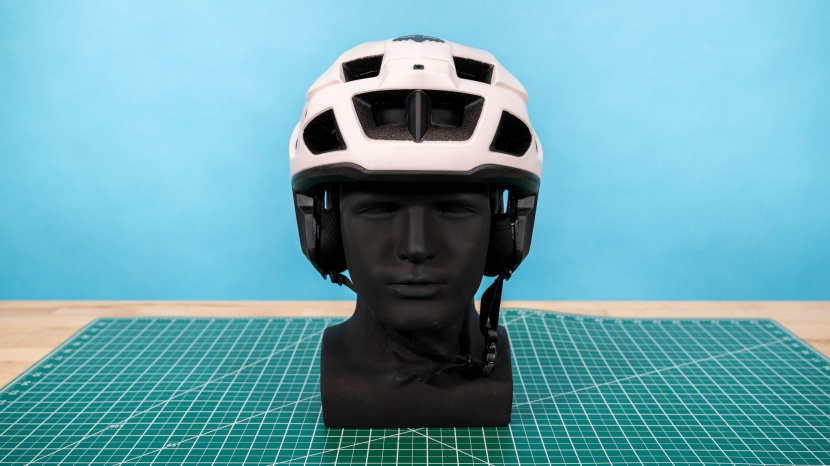
Durability is key for a lasting helmet. Strong materials keep you safe and secure. Hard shells protect from bumps and falls. They should not break easily. Inner padding adds comfort and strength. Foam padding absorbs shocks well. A strong helmet stays useful for a long time. Always check for cracks or damage. A durable helmet is a smart choice.
Credit: www.outdoorgearlab.com
Adjustable Fit Systems
Dial adjustments allow for a snug fit. Simply turn the dial to tighten or loosen. These adjustments help make the helmet feel secure. A well-fitted helmet is more comfortable. Make sure the helmet is not too tight. It should feel firm but not pinch. Dial adjustments are easy to use. They are often found at the back of the helmet.
Fit bands are stretchy straps inside the helmet. They wrap around your head for a secure fit. These bands can expand or contract. This helps the helmet fit different head sizes. Fit bands are soft and comfortable. They prevent the helmet from slipping. Adjusting fit bands is simple. Pull them to tighten or loosen the fit.
Maintenance Tips
Enhance bike helmet comfort by adjusting the straps for a snug fit. Regularly clean the padding to prevent irritation. Consider adding foam inserts for extra cushioning.
Cleaning Procedures
Gently wipe the helmet with a damp cloth. Use mild soap for stubborn dirt. Rinse with clean water. Avoid harsh chemicals. They can damage the helmet. Let it air dry completely. Keep it away from direct sunlight. Sunlight can weaken the helmet materials.
Regular Inspections
Check the straps every month. Ensure they are tight and secure. Look for cracks in the shell. Cracks can affect safety. Inspect the padding for wear. Replace worn padding promptly. Test the buckle for proper function. A faulty buckle can fail in an accident. Inspect the helmet inside and out regularly.
Frequently Asked Questions
How Do You Make A Bike Helmet More Comfortable?
Adjust the straps for a snug fit. Use extra padding for comfort. Ensure proper ventilation to keep cool. Choose a lightweight helmet to reduce pressure. Regularly clean it to avoid irritation.
What Is The 2 2 2 Rule When Fitting A Helmet On Your Head?
The 2 2 2 rule ensures a proper helmet fit: two fingers above eyebrows, two straps under ears, two fingers between chin and strap. This rule guarantees safety and comfort while riding, enhancing your biking experience by ensuring your helmet stays securely in place during movement.
What Is The 5 Year Helmet Rule?
The 5-year helmet rule advises replacing a helmet every five years. This ensures optimal safety and performance. Helmets can degrade over time due to wear, environmental factors, and materials weakening. Regular replacement helps maintain protection standards, keeping riders safe. Always check for visible damage and manufacturer’s guidelines.
How To Break In A Helmet Faster?
Wear the helmet daily for short periods to break it in. Use your hands to gently flex the shell. Apply mild heat using a hairdryer to soften it. Insert a soft cloth inside when storing to maintain shape. Consider using helmet-specific conditioners for faster results.
Conclusion
Improving bike helmet comfort enhances your riding experience. Adjust straps for a snug fit. Choose helmets with padding to reduce pressure. Ventilation matters; keep cool during rides. Regularly check helmet condition. Replace if damaged or worn. Comfort leads to safety.
Enjoy long rides without discomfort. Happy cycling starts with a comfortable helmet. Invest time to find the right fit. Simple adjustments make big differences. Ride with confidence and comfort. Prioritize helmet comfort for enjoyable rides. Safety and comfort go hand in hand.
Feel good, ride better, stay safe.



