
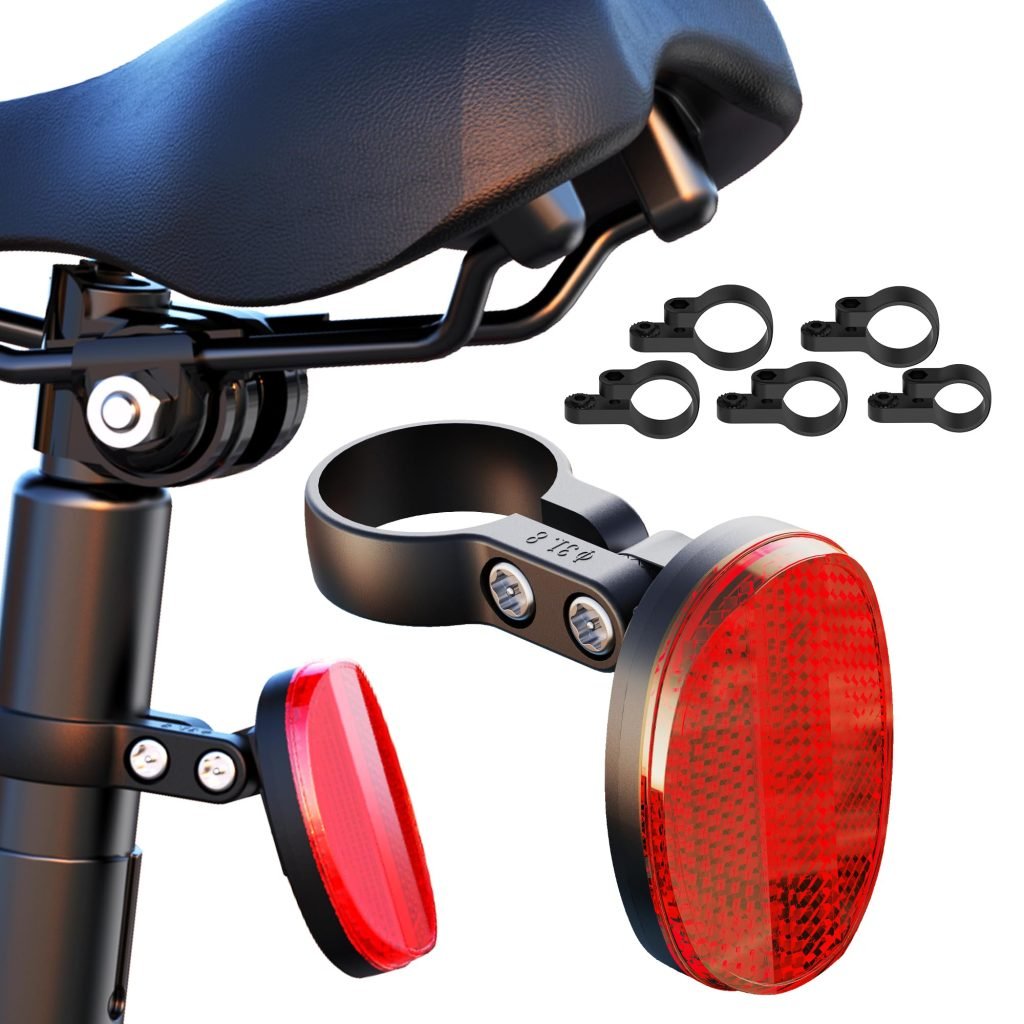
Are you looking to keep your bike safe from theft while maintaining peace of mind? If so, learning how to hide a GPS tracker in your bike can be a game-changer.
Imagine never having to worry about where your bike is or if it’s secure. With a cleverly concealed GPS tracker, you can stay one step ahead of potential thieves and keep your bike exactly where it belongs—under your watchful eye.
This guide will walk you through the most effective strategies for discreetly hiding a GPS tracker on your bike, ensuring that only you know its secret location. Get ready to enhance your bike’s security and enjoy the freedom of worry-free rides. Keep reading to discover how you can turn this small, strategic step into a powerful tool against bike theft.

Credit: www.amazon.com
Choosing The Right Gps Tracker
Small GPS trackers are easy to hide. They fit in many places on a bike. Compact designs blend well with the bike’s parts. This makes them hard to spot. Some trackers look like regular bike parts. Disguised trackers offer extra security. Choose a design that matches your bike. This way, it stays hidden from view.
Battery life is key for GPS trackers. A long-lasting battery is important. It means fewer charges and more tracking time. Some trackers have extra features. These include real-time tracking and alerts. Choose features that suit your needs. Always check the battery life before buying. It ensures the tracker works when you need it.

Credit: theairbolt.com
Ideal Locations For Concealment
Under the seat offers discreet placement for a GPS tracker, keeping it hidden yet effective. The bike frame cavity is another smart choice, providing protection and invisibility.
Under The Seat
Hiding a GPS tracker under the seat is clever. This spot is easy to access but hard to see. The tracker stays safe from rain and dust here. Ensure it is securely fastened. A loose tracker might fall off. Check the fit regularly. This ensures it remains hidden and intact.
Inside The Frame
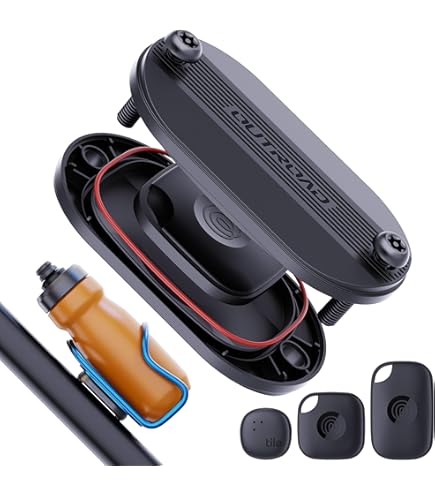
The bike’s frame is an excellent hiding spot. It provides good protection and is hard to spot. Ensure the tracker does not block any important bike parts. Use tape or a small bag to keep it in place. This will keep the tracker dry and safe.
In The Handlebar
Hide the GPS tracker inside the handlebar. This spot is tricky to detect. Remove the handlebar grip and place the tracker inside. Make sure it fits snugly. Replace the grip properly. The tracker will stay hidden and protected from weather.
Installation Techniques
Concealing a GPS tracker in a bike involves strategic placement to ensure effective tracking while staying hidden. Consider placing it within the bike frame or under the seat. Ensure the tracker is secure and doesn’t interfere with bike performance.
Using Adhesives
Adhesives are a smart way to hide a GPS tracker. Choose strong glue for secure attachment. Make sure the surface is clean. This helps the glue stick better. Find hidden spots on your bike. Under the seat or inside the frame works well. Press the tracker firmly. Hold it for a minute to ensure it sticks.
Creating Custom Compartments
Custom compartments provide a clever hiding place. Use small boxes or tubes. They can fit inside bike parts. Ensure the compartment is waterproof. This protects the tracker from rain. Secure the compartment with screws or ties. Make sure it doesn’t rattle or move. Test the compartment before riding your bike.
Credit: www.amazon.com
Ensuring Signal Strength
Ensuring strong signal strength is key when hiding a GPS tracker in a bike. Choose a location on the bike that allows clear access to the sky, like under the seat or near the handlebars. Securely placing the tracker ensures it remains functional and discreet.
Avoiding Metal Blockages
Metal can block GPS signals. Place the tracker away from metal parts. Choose a spot with less metal around. This helps the signal stay strong. Use plastic or rubber covers if needed. They do not block signals. Always check the tracker’s location twice. Make sure metal is not blocking the GPS.
Testing Signal Reception
Check the signal strength regularly. Use a GPS app to test it. Open spaces give better signals. Try different spots on the bike. See which place works best. If the signal is weak, move the tracker. Make sure it is not near metal or electronic devices. Keep testing until the signal is strong.
Maintaining Stealth
Securing a GPS tracker on a bike can ensure peace of mind. Place the tracker inside the bike’s seat tube for discreet hiding. Another option is the handlebar or within the bike’s frame for extra stealth.
Regular Checks And Maintenance
Keep your bike’s GPS tracker hiddenby checking it often. Ensure it’s in good condition and not visible. Look for any loose parts or signs of damage. Fix them right away. Clean the area around the tracker. This prevents dust and dirt from showing its location. Always use a cover or box to hide it better. A hidden tracker is less likely to be found.
Updating Tracker Software
Always update the tracker softwarewhen new versions are available. This keeps it working well. Updates often fix bugs and improve performance. Set a reminder to check for updates every month. If your tracker has an app, use it to check for updates. This will ensure your tracker stays hidden and working smoothly.
Legal And Ethical Considerations
Understanding the legal and ethical considerations of hiding a GPS tracker in a bike is crucial. Ensure you have the owner’s consent to avoid privacy violations and potential legal issues. Respecting privacy and laws helps maintain ethical standards.
Privacy Concerns
Privacy is important when using GPS trackers. Always respect the privacy of others. Never track someone without their permission. Discuss tracking with anyone involved. Make sure they agree. Respect their wishes if they say no. Privacy laws vary in different places. Know the rules before using trackers. Avoid breaking any laws related to privacy.
Compliance With Local Laws
Local laws can affect GPS tracker usage. Some places have strict rules. Learn the laws in your area. Follow them carefully. Use trackers legally and ethically. It is important to know what is allowed. Avoid legal trouble by following the rules. Check with local authorities if unsure. They can provide guidance.
Frequently Asked Questions
Will Aluminum Foil Block A Gps Tracker?
Yes, aluminum foil can block a GPS tracker. It disrupts the signals by creating a shield. This interference prevents the tracker from receiving satellite signals, hindering its tracking ability. However, it is not a foolproof method and effectiveness varies based on conditions.
Where Is The Best Place To Put A Tracker On A Bike?
Place a tracker inside the seat post for security and discretion. Ensure it’s weatherproof and has a strong signal. Installing it under the bike’s saddle can also be effective. These locations offer protection from theft and environmental damage, while maintaining GPS accuracy.
How To Hide Gps Tracking?
Disable GPS on your device through settings. Use GPS blockers or signal jammers. Remove or disable tracking apps. Regularly check installed apps for suspicious ones. Ensure privacy settings are optimized.
Do Bike Thieves Look For Trackers?
Bike thieves are increasingly aware of trackers. They often target bikes without visible security devices first. Using hidden trackers can help deter theft.
Conclusion
Hiding a GPS tracker in your bike ensures safety and peace of mind. Choose a discreet spot for the tracker. Under the seat or inside the handlebar are good options. Secure it firmly to prevent movement. Regularly check its functionality.
This keeps you ready for any situation. Remember to charge the tracker often. This helps maintain its effectiveness. An effectively hidden tracker can deter theft. It also aids in quick recovery if theft occurs. Protect your bike and enjoy more secure rides.
Stay informed and keep your bike safe with these simple steps.



