
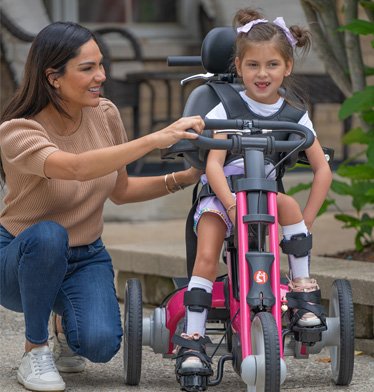
Helping special needs kids learn to ride a bike can be a rewarding and joyful experience for both you and your child. You might wonder where to start or how to make the process easier and more fun.
This guide will give you simple, effective tips to support your child every step of the way. By understanding their unique needs and using the right techniques, you can boost their confidence and create wonderful memories together. Keep reading to discover how you can make bike riding a positive and exciting adventure for your special needs child.

Credit: globalnews.ca
Choosing The Right Bike
Helping special needs kids ride bikes starts with picking the right bike. The correct bike makes learning easier and safer.
Each child has unique needs. Choosing a bike that fits their abilities and size helps build confidence and skills.
Types Of Bikes For Special Needs
There are several types of bikes designed for children with special needs. Each type offers different support and stability.
- Tricycles:Provide three wheels for extra balance and stability.
- Tandem bikes:Allow a caregiver to assist by riding together.
- Recumbent bikes:Have a low seat and back support for comfort.
- Adaptive bikes:Include features like extra handles, foot straps, or wider tires.
Adjusting Bike Size And Fit
Proper bike size and fit are important for safety and enjoyment. A bike that fits well reduces strain and improves control.
| Bike Part | How to Adjust | Why It Matters |
|---|---|---|
| Saddle Height | Adjust so feet touch ground or pedals comfortably | Helps with balance and pedaling |
| Handlebar Height | Set to comfortable reach without strain | Improves steering and posture |
| Seat Depth | Move forward or backward for knee comfort | Prevents knee pain and improves pedaling |
| Foot Straps | Secure feet firmly but gently | Keeps feet in place for better control |
Safety Gear Essentials
Helping special needs kids ride bikes safely starts with the right gear. Safety equipment protects them from injuries.
Choosing the correct safety gear can build confidence and make biking fun and secure.
Helmets And Protective Pads
Helmets are the most important safety item for bike riding. They protect the head from serious injuries.
- Pick a helmet that fits snugly without being too tight.
- Look for helmets with adjustable straps for a secure fit.
- Choose pads for knees and elbows to prevent scrapes and bruises.
- Use wrist guards if the child is prone to falls.
- Replace helmets after any crash or if they show damage.
Visibility And Comfort
Good visibility and comfort keep kids safe and willing to ride longer.
| Gear | Purpose | Tip |
|---|---|---|
| Bright Clothing | Makes kids visible to others | Choose neon or reflective materials |
| Comfortable Shoes | Helps with pedaling and balance | Pick closed-toe shoes with good grip |
| Gloves | Protect hands and improve grip | Use padded gloves for extra comfort |
Building Confidence
Helping special needs kids learn to ride bikes builds their confidence. It teaches balance and independence.
Patience and small steps make the process easier for both kids and parents. Celebrate every success.
Starting With Balance Skills
Focus on balance before pedaling. Kids can use balance bikes or scooters to practice.
- Encourage walking the bike while sitting on the seat
- Practice gliding with feet off the ground for short moments
- Use a flat, safe area with little traffic
- Offer praise for every attempt to balance
Using Training Wheels And Supports
Training wheels add stability as kids learn to pedal and steer. Supports help reduce fear of falling.
| Support Type | Purpose | When to Use |
| Training Wheels | Help balance and pedaling | Early riding stages |
| Handlebar Support | Parent guides steering | For extra control and safety |
| Helmet and Pads | Protect from injuries | Always during practice |

Credit: www.msn.com
Effective Teaching Techniques
Teaching special needs children to ride bikes takes patience and care. Each child learns at their own pace and in their own way.
Using clear steps and positive support helps build their confidence. This guide shares ways to make bike riding fun and safe.
Step-by-step Learning Process
Start by choosing a safe, flat area to practice. Let the child explore the bike without moving it.
Next, teach balance by using a balance bike or removing pedals. Help them push with their feet and glide.
- Hold the bike steady while the child sits
- Encourage short glides to feel balance
- Add pedals once balance improves
- Practice starting and stopping safely
Positive Reinforcement Methods
Use praise and rewards to encourage effort and progress. Celebrate small wins to keep motivation high.
Offer gentle encouragement when the child struggles. Avoid pressure and focus on fun experiences.
- Give verbal praise like “Great job!”
- Use stickers or small treats as rewards
- Allow breaks when needed
- Show excitement for every attempt
Creating A Supportive Environment
Helping special needs kids learn to ride bikes needs patience and care. A supportive environment makes learning easier and fun.
It is important to create a safe, calm place where kids feel comfortable. This helps build their confidence and encourages them to keep trying.
Choosing Safe Practice Locations
Selecting the right place to practice bike riding is very important. The location should be free from traffic and other dangers.
Look for flat, smooth surfaces that are easy to pedal on. Parks, empty parking lots, or quiet sidewalks work well.
- Choose spots with little noise and distractions
- Pick areas with good lighting and open space
- Avoid places with many obstacles or uneven ground
- Make sure the area is easy to reach and familiar to the child
Involving Family And Friends
Family and friends play a big role in supporting special needs kids. Their encouragement helps kids feel safe and motivated.
Invite people who know the child well to join practice sessions. They can help cheer the child on and offer comfort if needed.
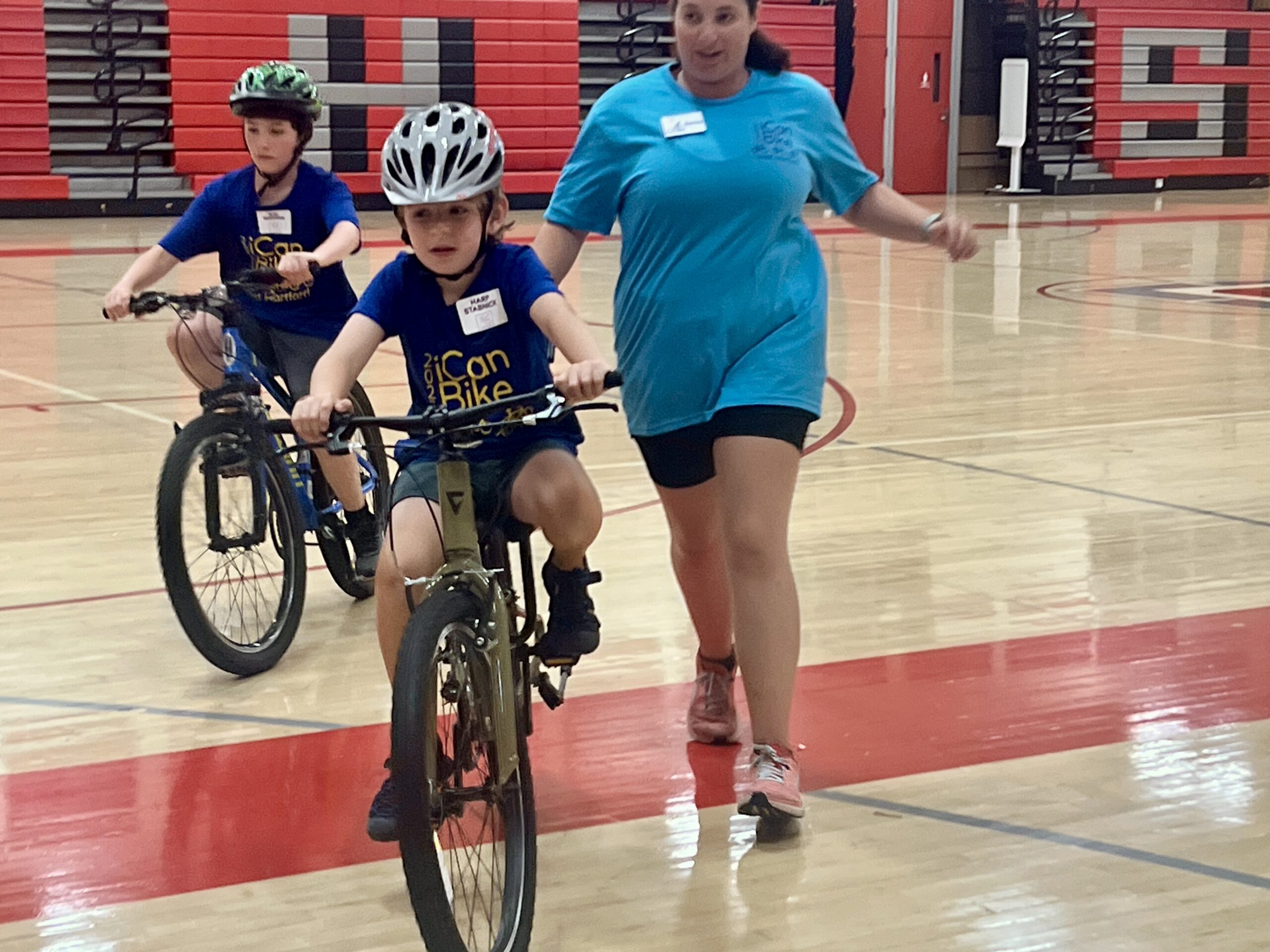
- Have someone steady the bike at first
- Use encouraging words and celebrate small wins
- Let siblings or friends ride nearby for support
- Share roles like spotting, guiding, and cheering
Adapting To Individual Needs
Helping special needs kids ride bikes needs careful adjustment. Each child has unique strengths and challenges. Understanding these helps create the best riding experience.
Adapting to individual needs means choosing the right bike parts and working with experts. This approach makes learning to ride easier and more fun.
Customizing Bikes And Accessories
Choosing the right bike and accessories can help children feel safe and supported. Adjustments can improve balance, comfort, and control.
- Use bikes with training wheels or three wheels for extra stability.
- Add handlebar grips that are easy to hold.
- Install a lower seat to help feet reach the ground.
- Attach baskets or holders for toys or water bottles.
- Consider helmets designed for comfort and proper fit.
Working With Therapists And Specialists
Therapists and specialists offer advice to meet each child’s needs. They can suggest exercises and equipment to improve riding skills.
| Role | How They Help |
| Occupational Therapist | Improves hand strength and coordination |
| Physical Therapist | Works on balance and muscle control |
| Bike Fitting Specialist | Adjusts bike size and accessories |
| Speech Therapist | Supports communication during lessons |
Troubleshooting Common Challenges
Helping special needs kids ride bikes takes patience and care. Many children face unique challenges that can make learning hard.
Understanding these challenges helps you find the right ways to support them. This guide covers common issues and how to handle them.
Overcoming Fear And Frustration
Fear and frustration often stop kids from enjoying bike riding. They may worry about falling or getting hurt. This can make them resist trying.
Stay calm and give lots of encouragement. Celebrate small successes to build their confidence. Let them take breaks if they feel upset.
- Use a balance bike first to reduce fear of falling
- Practice in a safe, quiet area without traffic
- Keep sessions short and fun to avoid frustration
- Encourage deep breaths and positive words
- Be patient and praise effort, not just success
Handling Physical Limitations
Some special needs kids have physical limits that affect riding. These might include muscle weakness, poor balance, or coordination issues.
Adapting the bike and riding method helps them participate. Using special equipment and support makes riding safer and easier.
- Choose bikes with wider seats and extra support
- Use training wheels or stabilizers for balance
- Try adaptive pedals or foot straps
- Consider a tricycle if two wheels are hard
- Work with a therapist to find the best tools
Credit: we-ha.com
Frequently Asked Questions
How Can I Teach Special Needs Kids To Ride Bikes Safely?
Start with a helmet and safety gear. Use balance bikes or training wheels. Practice in a quiet, flat area. Be patient and give clear, simple instructions. Celebrate small successes to build confidence. Always supervise closely during rides for safety.
What Bike Features Suit Special Needs Children Best?
Look for lightweight frames and adjustable seats. Consider bikes with wider tires for stability. Hand brakes may be easier to use than foot brakes. Some bikes offer extra support or harnesses. Custom modifications can improve comfort and control.
How Do I Build Confidence In Special Needs Riders?
Encourage frequent, short practice sessions. Use positive reinforcement and praise progress. Set achievable goals and celebrate milestones. Let the child control the pace and breaks. Building trust and patience is essential for success.
What Are Common Challenges Special Needs Kids Face Biking?
Balance and coordination can be difficult. Sensory sensitivities may cause discomfort. Understanding instructions may require repetition. Physical strength might limit pedaling. Emotional fears like anxiety or frustration can arise. Address challenges with tailored support and patience.
Conclusion
Helping special needs kids ride bikes is rewarding and fun. With patience and practice, they can enjoy this activity too. Start with the right equipment and a safe environment. Encourage small steps and celebrate each achievement. Support and guidance make a big difference.
Riding a bike boosts confidence and independence. It’s a wonderful way to bond and make memories. Remember, every child learns at their own pace. Keep the experience positive and enjoyable. Your efforts can bring smiles and joy. Riding a bike opens new adventures for them.
Enjoy the journey together!



