
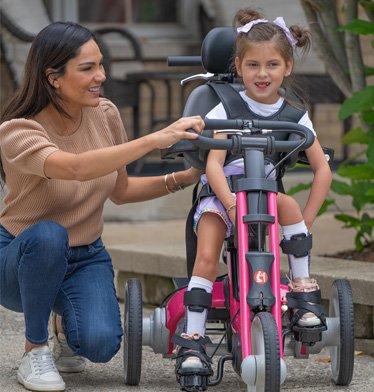
Does your child struggle to keep their balance while riding a bike or scooter? You’re not alone, and there are simple ways you can help them gain confidence and improve their balance.
Imagine seeing your child smiling and riding smoothly without fear or frustration. You’ll discover easy, effective tips that make a real difference. Keep reading to learn how you can support your child every step of the way and turn those wobbly moments into joyful rides.
Identifying Balance Challenges
Balance problems can make it hard for a child to ride a bike or scooter. These challenges may affect their confidence and safety.
Knowing the signs of balance issues helps parents provide the right support early.
Common Signs In Children
Children with balance problems often show certain behaviors while moving. These signs can help you notice if your child needs extra help.
- Frequent stumbling or falling when walking or running
- Difficulty standing on one foot for a few seconds
- Slow to learn to ride a bike or use a scooter
- Clumsiness during play or sports
- Tilted head or body when sitting or standing
- Difficulty coordinating movements
When To Seek Professional Help
If your child shows strong balance problems, a doctor or therapist can help. Early help improves their skills and safety.
Look for these signs that need professional advice:
- Balance problems that get worse over time
- Falls that cause injuries
- Difficulty sitting or standing without support
- Delays in walking or other motor skills
- Unusual walking patterns or posture
Choosing The Right Bike
Helping a child with balance issues ride a bike starts with choosing the right bike. The right bike makes learning easier and safer.
Two main types of beginner bikes are balance bikes and bikes with training wheels. Each has different benefits for balance development.
Balance Bikes Vs Training Wheels
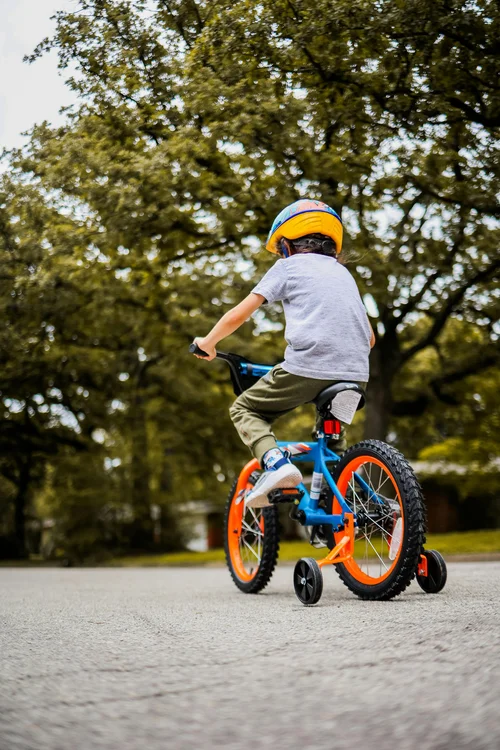
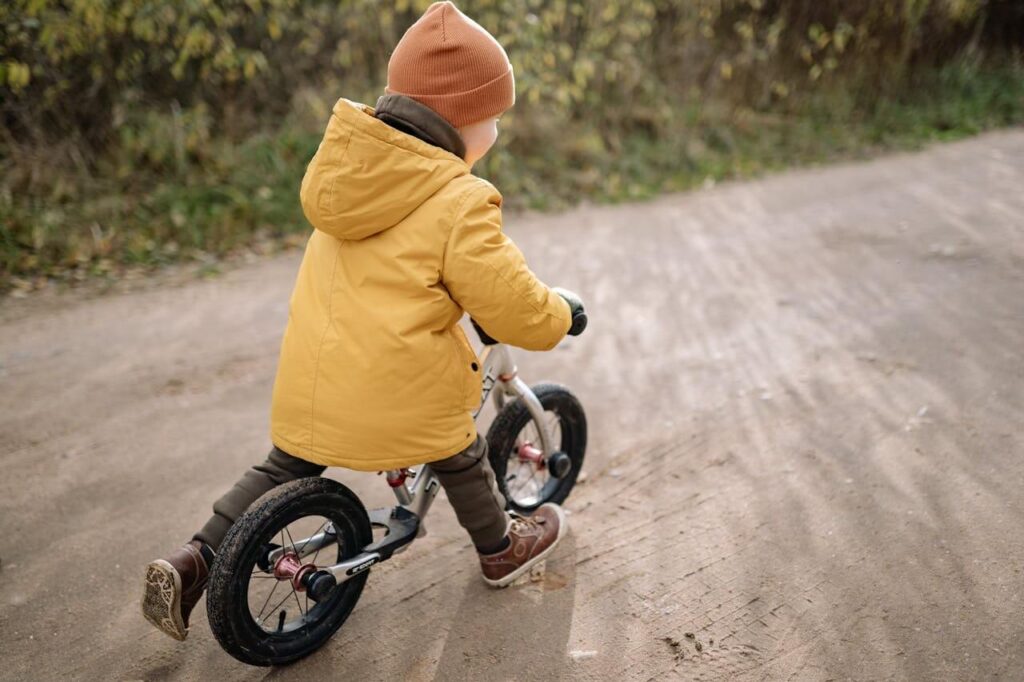
Balance bikes let children learn to balance first without pedals. Training wheels add extra support on a regular bike while pedaling.
- Balance bikes help kids focus on balance and steering.
- Training wheels allow pedaling but can delay balance skills.
- Balance bikes are lighter and easier to control.
- Training wheels give confidence but need adjustment over time.
- Balance bikes are good for ages 18 months to 5 years.
- Training wheels suit kids ready to pedal but need support.
Adjusting Bike Size And Seat Height
Bike size and seat height must fit the child. A proper fit helps the child feel secure and maintain balance.
| Bike Size | Seat Height | Why It Matters |
| Wheel size 12-14 inches | Feet flat on ground | Easy balance and control |
| Wheel size 16 inches | Seat just below hips | Comfortable pedaling and steering |
| Wheel size 20 inches | Adjust as child grows | Prevents overreach and falls |
Preparing The Child Mentally
Helping a child with balance issues learn to ride takes patience and care. Preparing their mind is as important as physical practice.
Building trust and understanding their feelings helps the child stay calm and focused while learning.
Building Confidence
Confidence grows when a child feels safe and supported. Praise every small success to encourage them.
Let the child try at their own speed. Avoid rushing or pushing them too hard.
- Use positive words like “good job” or “well done”
- Celebrate small steps, like balancing for a few seconds
- Show patience and calmness during falls or mistakes
- Encourage practice in a fun and relaxed way
Setting Realistic Expectations
Set clear and simple goals that the child can reach. Avoid expecting them to balance perfectly right away.
Explain that learning takes time and that it is okay to make mistakes while getting better.
- Start with short practice sessions to avoid frustration
- Focus on progress, not perfection
- Adjust goals based on how the child feels each day
- Remind the child that every rider faces challenges
Credit: www.ktltherapy.com
Effective Practice Techniques
Helping a child with balance problems to ride takes patience. Good practice methods can build their confidence and skills.
This guide covers key ways to support your child during practice sessions. Focus on balance exercises, using support, and keeping practice regular.
Starting With Balance Exercises
Begin with simple balance activities before riding. These exercises improve core strength and body control.
- Have your child stand on one foot for 10 seconds.
- Try walking heel to toe along a straight line.
- Use a balance board to practice shifting weight safely.
- Encourage reaching for objects while standing still.
- Practice gentle side-to-side rocking motions.
Using Support And Guidance
Support helps your child feel safe and steady while riding. Use hands-on help and training aids for better balance.
| Support Method | How It Helps |
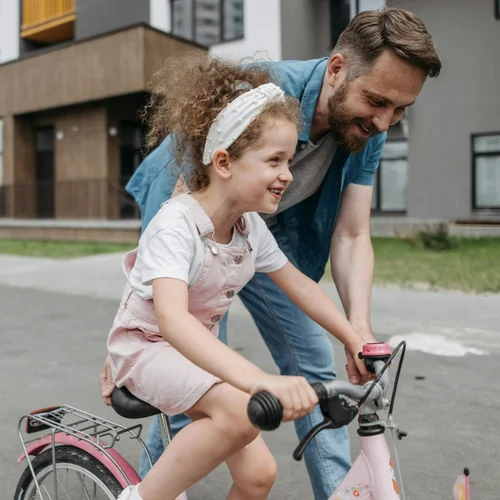
| Holding the handlebars | Provides physical stability |
| Using a balance bike | Teaches balance without pedals |
| Training wheels | Prevents falls during early rides |
| Wearing protective gear | Builds confidence to try harder |
Encouraging Consistent Practice
Regular practice helps skills improve over time. Make sessions fun and short to keep your child interested.
- Set a daily time for practice, like 10 minutes.
- Celebrate small improvements with praise.
- Mix riding with fun games to keep it exciting.
- Be patient and allow breaks when tired.
- Track progress to motivate your child.
Safety Measures To Follow
Helping a child with balance issues learn to ride takes care and patience. Safety is the top priority at all times. Using the right safety measures can prevent injuries and build the child’s confidence.
Below are key safety tips to keep in mind. They cover the protective gear the child needs and how to create safe areas for practice.
Protective Gear Essentials
Proper protective gear reduces the risk of injury. Make sure the child wears all necessary items before riding. Always check that the gear fits well and is in good condition.
- Helmet:Choose a helmet that fits snugly and meets safety standards.
- Knee Pads:These protect the knees from scrapes and bruises.
- Elbow Pads:Elbow pads guard against falls and bumps.
- Wrist Guards:Wrist guards help prevent wrist injuries during a fall.
- Closed-Toe Shoes:Shoes protect the feet and provide better grip.
Safe Practice Environments
Pick a safe place for the child to practice riding. The area should be flat, smooth, and free of traffic. Clear away any obstacles that could cause falls.
| Environment | Why It Is Safe |
| Empty Parking Lot | Flat surface with no cars or traffic |
| Quiet Park Path | Smooth pavement and fewer people |
| Driveway | Near home with no moving vehicles |
| Playground with Soft Ground | Soft ground cushions falls, but watch for obstacles |
Incorporating Fun Activities
Helping a child with balance issues learn to ride is easier with fun activities. These activities keep kids interested and excited to practice.
Using games and rewards makes balance practice feel like play. This helps children improve without feeling pressured.
Games To Improve Balance
Games that focus on balance help strengthen muscles and coordination. They also teach children how to control their body movements.
- Balance beam walking: Use a low beam or tape on the floor for practice.
- Hopscotch: Jumping on one foot improves stability and focus.
- Obstacle course: Set up cones and cushions to navigate around.
- Freeze dance: Dance and freeze to improve body control.
- Ball toss: Catching and throwing a ball boosts hand-eye coordination.
Reward Systems For Motivation
Reward systems encourage children to keep trying. Simple rewards make practice fun and rewarding.
Rewards can be praise, stickers, or extra playtime. Choose rewards that the child enjoys and understands.
- Create a sticker chart to track progress.
- Give small treats for reaching balance goals.
- Offer extra time with favorite toys or games.
- Use verbal praise to boost confidence.
- Set achievable goals and celebrate success.
Tracking Progress And Adjusting
Helping a child with balance issues requires careful tracking of their progress. Watching small improvements can guide you in adjusting the approach.
Tracking progress helps identify what works and what needs change. This keeps the child safe and encouraged during their balance training.
Noticing Improvements
Look for clear signs that the child’s balance is getting better. These signs show the training is effective and the child is gaining confidence.
- The child stands steadily without help.
- They walk or ride with fewer wobbles.
- They can stop and start smoothly.
- Their reactions to losing balance improve.
- The child shows less fear during activities.
Adapting Techniques As Needed
Adjust the training methods based on what you observe. Changes keep the child challenged but safe and help avoid frustration.
| Observation | Adjustment |
| Child struggles with balance at slow speed | Practice slower movements first |
| Child loses interest quickly | Introduce fun balance games |
| Progress stalls for a week | Change exercises or rest days |
| Child shows fear during practice | Use supportive equipment and encouragement |
| Balance improves steadily | Increase difficulty gradually |
Credit: www.ktltherapy.com
Credit: epozytywnaopinia.pl
Frequently Asked Questions
How Can I Improve My Child’s Balance For Riding?
Start with balance exercises like standing on one foot and gentle yoga. Use balance bikes before pedals. Practice regularly to build confidence and coordination.
What Equipment Helps Children With Balance Issues Ride Safely?
Use balance bikes or bikes with training wheels. Helmets and protective gear are essential. Properly sized bikes improve control and safety during practice.
When Should I Introduce Riding To A Child With Balance Problems?
Begin riding practice once your child shows basic balance skills. Typically, children aged 2-5 benefit from balance bikes. Progress at your child’s own pace to avoid frustration.
How Do I Encourage A Child Afraid Of Falling?
Offer praise and reassurance often. Use gentle encouragement and short practice sessions. Make riding fun with games to reduce fear and build trust.
Conclusion
Helping your child ride confidently is truly rewarding. Practice regularly to see improvement. Be patient and celebrate small achievements together. Use supportive tools and keep the environment safe. Encourage your child with positive words. Balance skills will develop over time with consistency.
Stay committed and enjoy the journey with your child. Riding can boost their confidence and coordination. Remember, every step forward is progress. Your support makes a big difference. Keep the experience fun and stress-free. Together, you can help your child succeed.
Enjoy the smiles and laughter along the way.



