

Are you ready to experience the freedom and joy that comes with riding a bike, but worry about finding the right fit for your unique needs? Getting fitted for adaptive bikes is the key to unlocking comfort, safety, and fun every time you ride.
In this guide, you’ll discover simple steps to make sure your bike fits you perfectly—so you can focus on the thrill of the ride instead of discomfort or frustration. Keep reading to learn how to get the perfect adaptive bike fit tailored just for you.
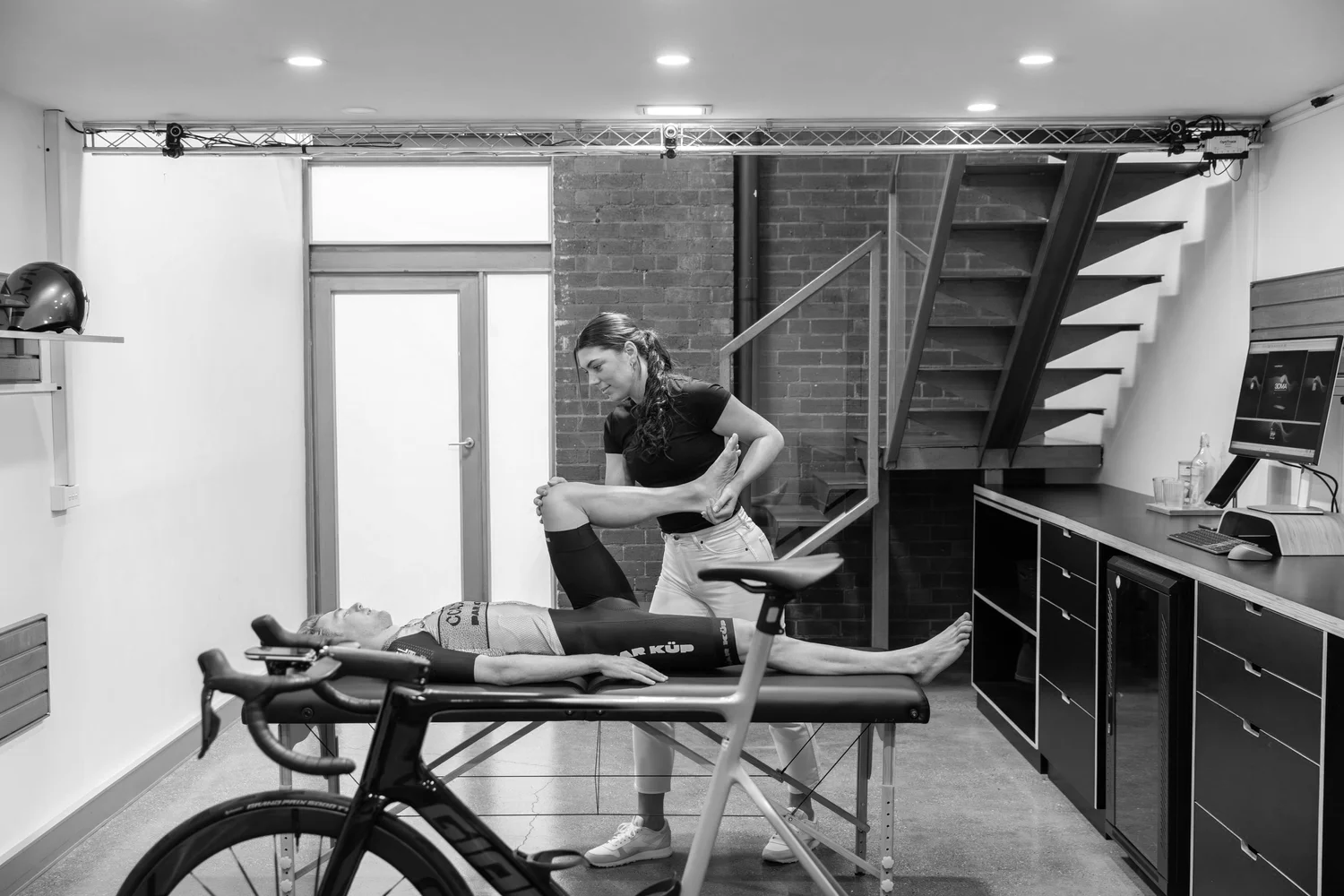
Credit: www.adaptivehp.com
Choosing The Right Adaptive Bike
Adaptive bikes help people with different abilities enjoy cycling. Picking the right bike makes riding safe and fun.
It is important to think about your needs and options before choosing a bike. This guide helps you get fitted properly.
Types Of Adaptive Bikes
Adaptive bikes come in many styles. Each type suits different abilities and uses.
- Recumbent tricycles offer extra stability and comfort.
- Handcycles use hand pedals for those with lower body limits.
- Tandem bikes let a partner help with pedaling.
- Three-wheel bikes improve balance for riders with coordination challenges.
- Electric adaptive bikes assist with pedaling effort.
Assessing Your Mobility Needs
Think about how you move and what you need. This helps find the best bike fit.
Consider your strength, balance, and how far you want to ride. Note any pain or limits in movement.
- Check your arm and leg strength.
- Evaluate your balance while sitting and riding.
- Think about your endurance and comfort.
- Note any special support devices you use.
Consulting With Specialists
Talk with therapists or bike fit experts. They understand adaptive needs well.
Specialists can suggest the right bike type and adjustments. They help ensure a safe fit.
- Occupational therapists assess daily movement needs.
- Physical therapists test strength and balance.
- Adaptive bike dealers offer fitting services.
- Experienced riders share useful tips.

Credit: www.rifton.com
Measuring Your Body For Fit
Getting the right fit for an adaptive bike helps you ride comfortably and safely. Measuring your body correctly is the first step to finding the best bike size.
Take your time to measure yourself carefully. Accurate measurements ensure your bike matches your body well.
Key Measurements To Take
Measure parts of your body that affect bike fit. These include your height, inseam, and arm length. Each helps adjust the bike to your size.
- Height:Your full standing height determines frame size.
- Inseam:Measure from crotch to the floor to set seat height.
- Arm Length:Helps adjust handlebar reach for comfort.
- Torso Length:Supports proper seat and handlebar positioning.
Tools For Accurate Measuring
Use simple tools to get precise measurements. Good tools reduce errors and make fitting easier.
- Tape measure: Flexible and easy for body measurements.
- Wall or door frame: Helps measure height straight.
- Mirror: Lets you check posture during measuring.
- Assistant: Another person can help get accurate numbers.
Common Measurement Mistakes
Some mistakes can lead to a poor bike fit. Avoid these to get reliable results.
- Measuring without shoes or wearing thick clothes.
- Not standing straight while measuring height.
- Using a stiff tape that does not follow body curves.
- Rushing and not taking multiple tries for accuracy.
Adjusting Bike Components
Getting the right fit for an adaptive bike is important for comfort and safety. Adjusting bike parts helps the rider move easily.
This guide covers how to adjust seat height, handlebars, and pedals for the best fit.
Seat Height And Position
Set the seat height so your feet touch the pedals comfortably. Your knees should bend slightly when pedaling.
Move the seat forward or backward to find a position that supports your legs and back well.
- Adjust seat height to allow slight knee bend
- Move seat forward for better reach to pedals
- Shift seat back to support your lower back
Handlebar Setup
Handlebars should be at a height that does not strain your shoulders or arms. Keep your elbows slightly bent.
Adjust the handlebar angle to keep your wrists straight and relaxed while riding.
- Set handlebar height near waist or chest level
- Keep elbows bent to reduce arm fatigue
- Angle handlebars for a natural wrist position
Pedal Placement And Straps
Position pedals so your feet rest comfortably without slipping. Use straps to keep feet secure if needed.
Check that pedals allow smooth rotation without causing knee or ankle pain.
- Place pedals to match leg length and comfort
- Use straps to hold feet in place safely
- Ensure pedals rotate smoothly during pedaling
Testing The Fit
Getting the right fit for an adaptive bike is key to comfort and safety. Testing the fit helps ensure the bike suits your body and needs.
This stage involves trying the bike, checking how it feels, and making any needed changes.
Trial Rides And Feedback
Take the adaptive bike for several trial rides. Try different speeds and turns. Notice how your body feels during and after riding.
- Check if you can reach the pedals and handlebars comfortably.
- See if you can sit without strain or discomfort.
- Note any pain or pressure points that appear.
- Ask for help from a trainer or therapist for feedback.
Signs Of Proper Fit
| Sign | What It Means |
|---|---|
| Comfortable posture | You can sit upright without slouching or leaning |
| Easy reach | Hands and feet reach controls without strain |
| Good control | The bike feels stable and easy to steer |
| No pain | There is no discomfort during or after riding |
| Clear visibility | You can see the path ahead without turning the head too much |
Adjusting After Initial Rides
After the first rides, make small changes to improve fit. Adjust seat height, handlebar position, or pedal placement.
Here are common adjustments to consider:
- Raise or lower the seat for better leg extension.
- Move handlebars closer or farther for comfort.
- Change pedal straps to secure feet firmly.
- Add cushions or supports if needed.
Working With Adaptive Bike Experts
Getting the right fit for an adaptive bike is important for comfort and safety. Adaptive bike experts help you find the best bike for your needs.
These experts understand the special features and adjustments needed. They guide you through the fitting process step by step.
Finding Qualified Professionals
Look for professionals who have experience with adaptive bikes. They should know about different disabilities and how to adjust bikes accordingly.
Check for certifications or training in adaptive cycling. Ask for recommendations from local therapy centers or bike shops.
- Search for certified adaptive cycling instructors
- Ask therapists or rehabilitation centers
- Visit specialized bike shops with adaptive bike services
Custom Fitting Services
Custom fitting means adjusting the bike to fit your body perfectly. Experts measure your height, weight, and range of motion.
They change parts like the seat, pedals, and handlebars for comfort. This helps you ride longer without pain or injury.
- Measure body parts and mobility
- Adjust seat height and angle
- Modify pedal placement and type
- Set handlebar position and grips
Ongoing Support And Adjustments
Your needs may change over time. Experts provide ongoing support to keep your bike comfortable and safe.
Regular checkups help catch issues early. Adjustments can improve your riding experience as you grow stronger or your needs change.
- Schedule regular fitting reviews
- Fix any worn or broken parts
- Update settings for new abilities
- Get advice for safe riding techniques
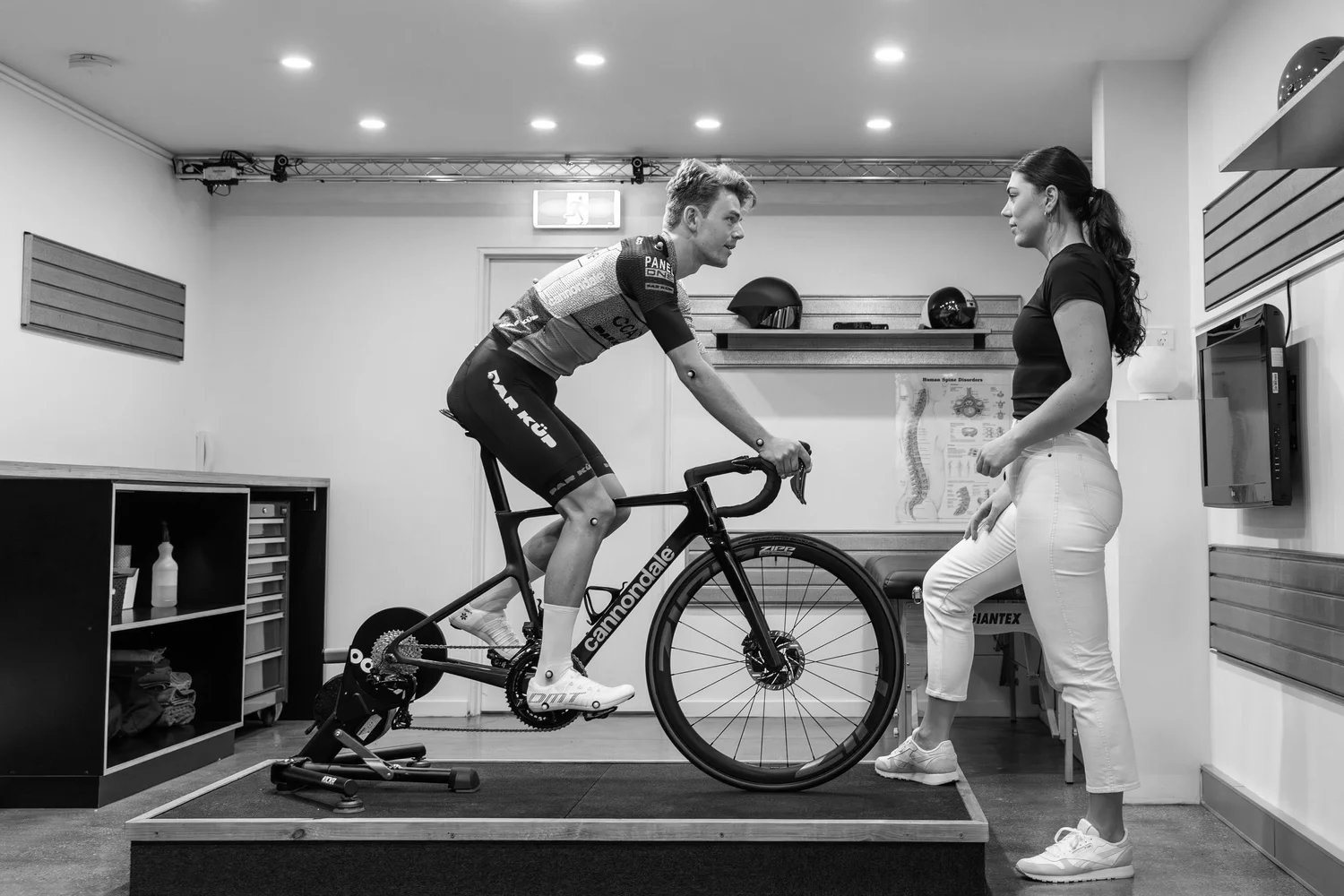
Credit: www.adaptivehp.com
Safety Considerations
Getting fitted for an adaptive bike means thinking about safety first. Proper safety steps help prevent injuries and make riding fun.
Pay attention to gear, bike upkeep, and emergency plans to stay safe on every ride.
Helmet And Protective Gear
Always wear a helmet that fits well. It protects your head in case of falls or accidents. Make sure the helmet meets safety standards.
Other protective gear can help too. Gloves, knee pads, and elbow pads shield your body and reduce injuries.
- Check helmet straps for a snug fit
- Use gloves to protect your hands
- Wear knee and elbow pads for extra safety
- Choose bright or reflective gear for visibility
Bike Maintenance Tips
Keep your adaptive bike in good shape to avoid accidents. Regular checks help spot problems early and keep the bike safe to ride.
Look at brakes, tires, and steering to make sure they work well. Fix any issues before you ride.
- Check tire pressure and inflate as needed
- Test brakes for quick stopping power
- Inspect the chain and gears for smooth movement
- Tighten loose bolts and parts regularly
- Clean the bike to prevent rust and damage
Emergency Preparedness
Be ready for emergencies by planning ahead. Knowing what to do keeps you calm and safe if something goes wrong.
Carry a phone, ID, and basic tools. Tell someone your route and expected return time before riding.
- Keep a charged phone with you at all times
- Bring a small tool kit for quick repairs
- Wear ID with emergency contact info
- Share your ride plan with a friend or family member
- Learn basic first aid for bike injuries
Frequently Asked Questions
How Do I Measure For An Adaptive Bike?
Measure your inseam, arm length, and torso height. Use these to find the right frame size and adjustments. Accurate measurements ensure comfort and safety while riding your adaptive bike.
What Factors Affect Adaptive Bike Fitting?
Consider body size, mobility level, and riding purpose. Adjust seat height, handlebar position, and pedal reach accordingly. Proper fitting enhances control and reduces injury risk.
Can Professionals Help Fit Adaptive Bikes?
Yes, certified therapists or adaptive bike specialists can assist. They assess your needs and customize the bike setup. Professional fitting improves riding efficiency and comfort.
How Often Should I Adjust My Adaptive Bike Fit?
Adjust your bike fit whenever your body changes or discomfort occurs. Regular checks maintain optimal posture and prevent strain. Adaptations ensure long-term usability and safety.
Conclusion
Getting fitted for an adaptive bike is crucial. It ensures comfort and safety. Understanding your needs helps in choosing the right bike. Consult professionals for expert advice. They offer valuable insights and personalized fitting. Consider your budget and bike features.
Test rides are essential. They help you feel the bike’s fit and functionality. Remember, the right adaptive bike enhances mobility and independence. It brings joy and freedom to your rides. Take your time. Choose wisely. Enjoy every ride.



