
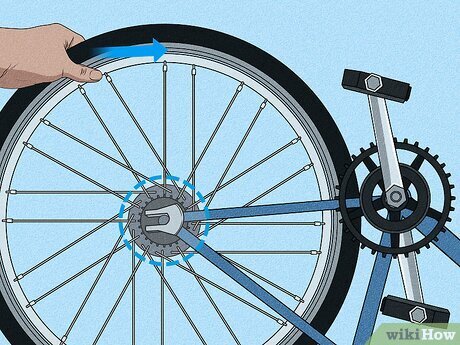
Imagine you’re pedaling hard up a steep trail, the sun on your back, and the thrill of the ride in your veins. Suddenly, your mountain bike gears slip, causing a jarring halt to your adventure.
Frustrating, isn’t it? Gear slipping can turn an exhilarating ride into a challenging ordeal, but here’s the good news: you can fix it yourself! In this guide, you’ll discover simple and effective solutions to get your bike gears back in perfect working order.
We’ll walk you through the causes of gear slipping and provide step-by-step instructions to resolve it, ensuring your rides remain smooth and enjoyable. With a few easy adjustments, you can prevent future hiccups and maximize your biking experience. So, let’s gear up and get started on fixing those troublesome gears!

Credit: www.reddit.com
Common Causes Of Gear Slipping
Worn-out cables or a stretched chain often cause mountain bike gear slipping. Dirty or misaligned derailleurs also lead to this issue. Regular maintenance can help fix and prevent these problems.
Worn Out Components
Old gears wear out over time. Teeth get dull and lose grip. Check the cassette and chainrings. Replace them if they look worn. This helps your bike shift smoothly. Fresh components ensure better performance.
Cable Tension Issues
Cables stretch and lose tension. This affects gear shifting. Adjust the cable tension using barrel adjusters. Tighten or loosen the cables as needed. Proper tension ensures smooth gear changes. Always check cable tension regularly.
Dirty Or Damaged Chain
Dirt and grime clog the chain. A dirty chain hampers gear movement. Clean the chain with a brush and degreaser. Lubricate it well after cleaning. Look for any damage or rust. Replace the chain if it’s broken or rusty.
Diagnosing Gear Problems
Addressing gear slipping on a mountain bike involves checking cable tension and alignment. Ensure the derailleur is correctly adjusted. Regular maintenance helps prevent common gear issues.
Visual Inspection Techniques
Check the bike gears closely. Are they dirty or worn? Clean them if they look dusty. Look for bent or damaged gear teeth. These can cause slipping. Examine the chain for rust or wear. A bad chain can affect gear function.
Test Riding For Slipping
Ride the bike slowly. Shift gears one at a time. Feel for any slipping or jerking. If gears slip, they might be loose or misaligned. Try different gear settings during the ride. Notice if slipping happens in specific gears.
Listening For Unusual Sounds
Listen closely while riding. Hear any clicking or grinding noises? These sounds can signal gear problems. Pay attention to sudden noises when shifting gears. They might mean gears need adjustment. Identify where the sound comes from for better diagnosis.
Adjusting Derailleurs
Check if the chain rubs the derailleur. Use the barrel adjuster to fix it. Turn the adjuster slowly. See if the chain moves smoothly. The derailleur should be parallel to the chainrings. Adjust the limit screws for proper gear changes. Make sure the chain does not fall off. Test by changing gears up and down.
Ensure the derailleur hanger is straight. Adjust the limit screws. This stops the chain from dropping. Use the barrel adjuster for fine tuning. Turn it to shift gears smoothly. Check if the chain sits on the sprockets correctly. Listen for any noise while pedaling. Noise means more adjustments are needed.
Shift through all gears. Listen for any clicking sounds. Clicking means misalignment. Use the barrel adjuster to fix it. Turn it until the noise stops. Check both front and rear derailleurs. They should work together smoothly. Make sure the bike shifts easily. Test on a ride to ensure smooth operation.

Credit: www.reddit.com
Maintaining Gear Components
Clean gears keep your bike running smoothly. Use a soft brush to remove dirt. Lubricate the chain and gears with oil. This prevents rust and wear. Make sure not to over-lubricate. Wipe off excess oil with a cloth.
Check your bike gears often. Look for loose or damaged parts. Tighten any loose screws. Listen for unusual sounds when changing gears. This can help find problems early. Early fixes save time and money.
Worn parts affect gear performance. Inspect the chain and cassette regularly. Replace them if they look worn or stretched. New parts improve gear shifting. They keep your bike ride smooth and safe.
Upgrading Gear Systems
High-quality components make a big difference. Strong materials last longer and work better. Choose parts from trusted brands. Durable gear systems help in tough terrains. Reliable components prevent slipping and improve rides.
Gear ratios affect the bike’s speed and effort. Balanced ratios suit different terrains. Properly chosen ratios reduce strain on parts. They help maintain smooth rides. Adjustable ratios offer flexibility for varied trails.
- Experts ensure proper installation.
- Correct setup prevents gear issues.
- Professional checks can spot problems early.
- Skilled hands avoid damage during installation.
- Consult professionals for best results.

Credit: www.reddit.com
Preventive Measures
Regularly clean and lubricate your bike chain to prevent gear slipping. Check gear alignment and adjust derailleur settings. Inspect cables for wear and replace if necessary to ensure smooth gear shifting.
Regular Maintenance Routines
Keep your mountain bike clean and dry. Dirt can cause gear slipping. Lubricate the chain regularly to keep it smooth. Check the derailleurs for alignment. Misalignment can lead to gear problems. Inspect the cables for wear or damage. Replace if needed to ensure smooth shifting.
Proper Riding Techniques
Shift gears gently to avoid damage. Avoid shifting under heavy load. This can stress the chain and gears. Use the right gear for the terrain. It helps in maintaining balance. Learn to anticipate shifts before hills or turns. This will make riding easier.
Storage And Care Tips
Store your bike indoors to protect it from weather. Cover it if storing outside. Use a bike stand to keep it upright. This prevents bending of gears. Regularly check for rust or corrosion. Clean and treat the affected areas promptly.
Frequently Asked Questions
Why Do My Gears On My Bike Keep Slipping?
Your bike gears might slip due to worn-out components, improper cable tension, or misaligned derailleurs. Regular maintenance helps.
How Can You Fix Slipping Gears?
Inspect and adjust the derailleur alignment. Tighten or replace worn cables and housing. Check for worn or damaged gears. Clean and lubricate the chain. Ensure the gear shifters function correctly.
Why Is My Bike Skipping Gears When I Pedal?
Your bike may skip gears due to cable tension issues, worn-out components, or improper derailleur alignment. Check your chain and cassette for wear. Adjust the derailleur and cable tension to ensure smooth gear transitions. Regular maintenance can prevent gear skipping and enhance your biking experience.
Why Are My Bike Gears Slipping Under Load?
Bike gears may slip due to worn-out components, improper adjustments, or dirt buildup. Check the derailleur alignment and clean the chain. Replace any damaged parts like cables, chainrings, or cassette. Regular maintenance ensures smooth gear shifting and reduces slipping issues.
Conclusion
Fixing bike gear slipping is simpler than it seems. Regular maintenance can prevent issues. Check cables and adjust derailleur often. Keep your chain clean and lubricated. Inspect gear teeth for wear and tear. Listen for unusual noises while riding. These steps ensure smooth rides.
Enjoy a trouble-free biking experience. Happy trails and safe riding!



