
Are you ready to ride a track bike that feels like it was made just for you? Finding the right fit is the key to comfort, speed, and control on the track.
But fitting a track bike for women isn’t just about size—it’s about understanding your body, your style, and your goals. In this guide, you’ll discover simple steps to make sure your bike matches your unique shape perfectly. Keep reading, and you’ll learn how small adjustments can make a big difference in your performance and enjoyment every time you hit the pedals.
Choosing The Right Frame Size
To find the right frame size, start by measuring your inseam and height. Stand straight with your feet about 6 inches apart. Use a tape measure from the floor to your crotch for the inseam. Measure your full height from head to toe. These numbers help pick a frame size that fits your body.
Frame geometryis important too. Track bikes have different shapes that affect comfort and speed. A compact frameoffers agility. A longer frameadds stability. Choose one that suits your riding needs.
Adjust the bike for your riding style. For sprinting, a more aggressive, forward position works well. For endurance, a relaxed posture feels better. Change the seat height and handlebar position to match your comfort.
Adjusting Saddle Position
Setting saddle heightcorrectly helps avoid knee pain and improves pedaling. Sit on the bike and place your heel on a pedal. The leg should be almost straight at the bottom of the pedal stroke. Adjust the saddle up or down until this happens. Too high or too low causes discomfort and less power.
Saddle fore-aft positionaffects balance and comfort. Sit on the bike with pedals level. The front of your knee should line up with the pedal axle. Move the saddle forward or backward to get this. This position helps you pedal smoothly and avoid strain.
Selecting comfortable saddle typesdepends on your body shape and riding style. Women’s saddles often have a wider rear for better support. Soft padding can reduce pressure, but too much can cause chafing. Try different shapes and materials to find the best fit for long rides.
Handlebar Setup
Choose handlebar width that matches your shoulder width for comfort. Narrow bars suit smaller frames, while wider bars give more control. Proper width helps with balance and reduces arm strain.
Adjust handlebar height to find a natural riding position. Higher bars reduce back strain and offer an upright posture. Lower bars improve aerodynamics but may cause discomfort over long rides.
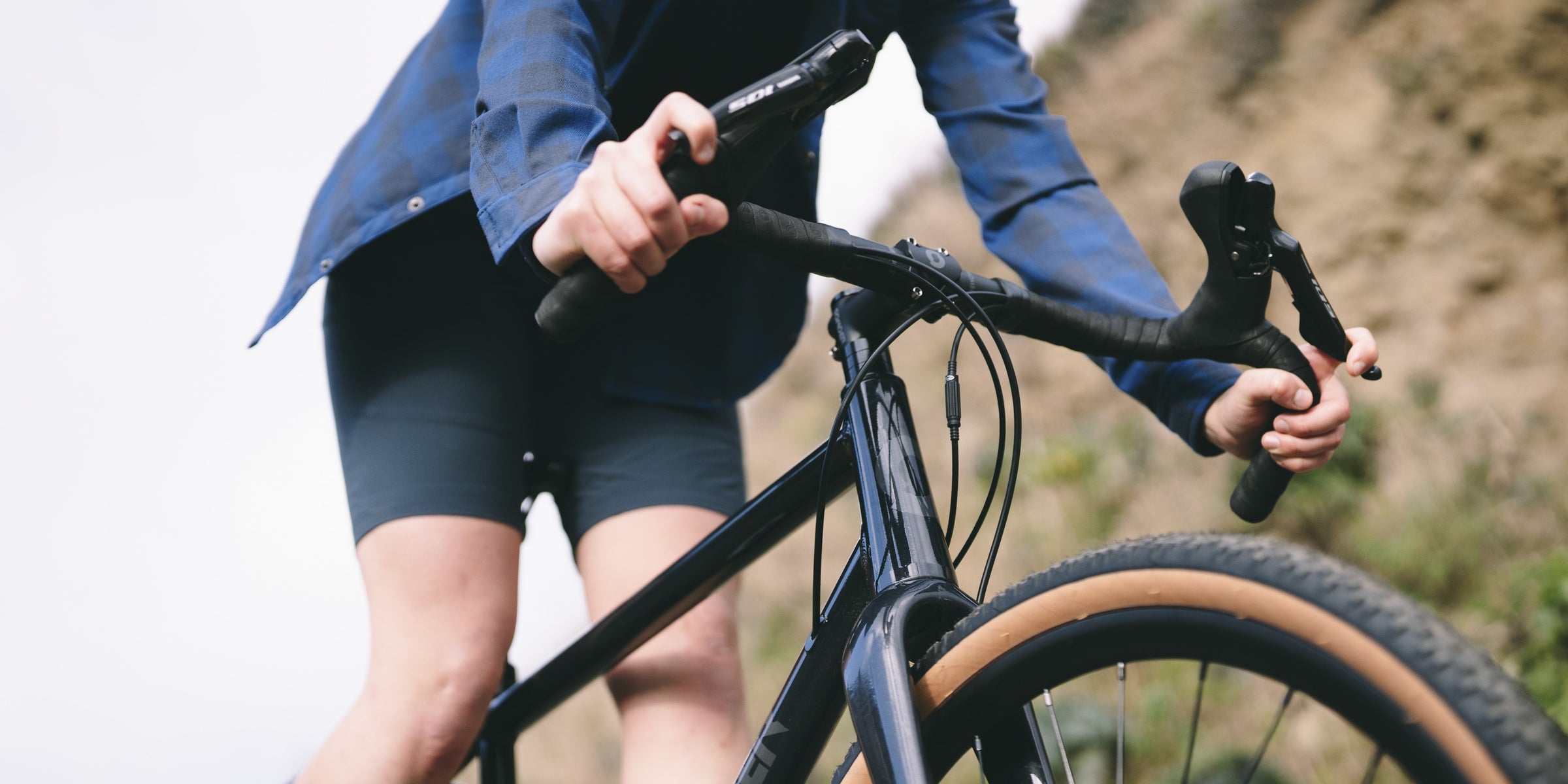
- Grip stylesaffect comfort and control.
- Soft foam grips absorb shocks well.
- Rubber grips offer good grip on wet days.
- Leather grips provide durability and classic look.
- Choose grips that fit your hand size and feel comfortable.
Credit: alpkit.com
Pedal And Crank Adjustments
Pedals come in different types. Choose pedals that fit your riding style and comfort. Clipless pedals offer better control but need special shoes. Platform pedals work well for casual riding. Consider the size and grip of the pedal surface.
Crank length affects your pedaling efficiency. Shorter cranks suit riders with shorter legs. Longer cranks can help with power but may cause knee strain. Measure your leg length to pick the right crank size. Adjusting crank length helps avoid injury and improves comfort.
Foot placement on pedals is key. Position the ball of your foot over the pedal axle. This helps with power and reduces foot fatigue. Keep feet straight and relaxed while pedaling. Proper foot placement helps maintain balance and control.
Fine-tuning For Comfort
Test the riding position by cycling on a flat road for a few minutes. Pay attention to your balanceand comfort. Adjust the handlebars or saddle height slightly if you feel strain.
Make small changes like raising or lowering the saddle by 1 cm at a time. Move the handlebars closer or farther by small steps. These tweaks help find the best fit without big jumps.
Watch for signs of discomfort such as:
- Numbness in hands or feet
- Sharp pain in knees or back
- Tightness in neck or shoulders
- Difficulty reaching pedals or brakes
These signals mean adjustments are needed. A well-fitted bike feels natural and easy to control.

Credit: www.bikeradar.com
Customizing For Women’s Anatomy
Women’s track bikes need specific adjustments to fit their unique body shapes. Adjusting frame size, saddle height, and handlebar position improves comfort and control during rides. Tailoring these elements helps avoid strain and enhances performance on the track.
Considerations For Hip Width
Women often have wider hips. This affects their bike fit. Choose a bike saddle that supports this width. It will provide comfort and stability. A proper fit helps in efficient pedaling. Ensure the saddle is not too narrow. This could cause discomfort on long rides.
Saddle Designs For Women
Women’s saddles often have a cut-out design. This reduces pressure on sensitive areas. Choose a saddle with soft padding. It provides comfort on bumpy rides. Saddles should be adjustable. This allows for a better fit to individual needs. Test different designs to find the best one.
Handlebar Reach Adjustments
Women may have shorter arms. Adjust the handlebar reach for comfort. Use a shorter stem if needed. This brings the handlebars closer. Ensure the handlebars are not too low. It prevents strain on the back and shoulders. Proper adjustment allows for a more enjoyable ride.
Maintenance Tips For Fit
Properly fitting a track bike for women improves comfort and control. Adjust saddle height, handlebar position, and frame size to match body measurements. Regular checks help maintain a safe and smooth ride.
Regular Fit Checks
Checking fitoften is important for your bike’s health. Measure the seat and handlebar height. Make sure they fit your body size. Adjust them if needed. Look at the pedals and see if they are tight. A well-fitted bike means a comfy and safe ride.
Replacing Worn Components
Worn partscan affect your ride. Check the tires for any cracks or damages. Replace them if they look old. Also, look at the chain. If it is rusty, you should change it. Good parts help the bike run smooth.
Staying Flexible With Adjustments
Your body might change over time. Make small changes to your bike as needed. Move the seat or handlebar to fit better. Try different positions for comfort. Always aim for a good fit.

Credit: www.myvelofit.com
Frequently Asked Questions
How Do I Choose The Right Frame Size For Women’s Track Bikes?
Selecting the right frame size ensures comfort and efficiency. Measure your inseam and compare it with size charts. Women’s frames often have shorter top tubes for better fit. Always test ride if possible to confirm the size suits your height and riding style.
What Saddle Height Is Ideal For Women On Track Bikes?
Saddle height affects pedaling efficiency and comfort. Set the saddle so your leg has a slight bend at the bottom of the pedal stroke. Adjust incrementally and ensure you can pedal smoothly without overextending or feeling cramped.
How Important Is Handlebar Positioning For Women’s Track Bikes?
Handlebar position impacts control and comfort during rides. Women typically benefit from slightly narrower handlebars. Ensure handlebars are aligned for a natural reach, reducing strain on wrists and shoulders during sprints or long rides.
Should Women Use Specific Pedals Or Shoes On Track Bikes?
Yes, women should consider pedals and shoes designed for proper fit and power transfer. Look for lightweight, stiff-soled shoes with secure closure systems. Clipless pedals improve pedaling efficiency and control on the track.
Conclusion
Fitting a track bike for women takes some care and patience. Small changes can make a big difference in comfort and speed. Check the seat height, handlebar position, and frame size carefully. Make sure the bike feels right when you ride.
A good fit helps you ride longer and enjoy more. Keep adjusting until you find the best setup for you. This way, every ride becomes better and more fun.



