
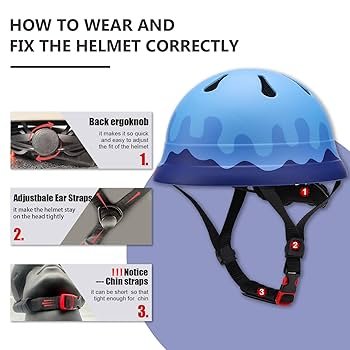
When it comes to your child’s safety, a properly fitted bike helmet is essential. You want your little ones to have fun while staying protected, right?
However, fitting a kid’s bike helmet isn’t always as straightforward as it seems. You might wonder if it’s snug enough or if it’s sitting correctly on their head. In this guide, you’ll discover simple tips to ensure the helmet fits just right, giving you peace of mind every time they hop on their bikes.
Feel confident that your child is safe and ready for adventure as you dive into the details of helmet fitting. Keep reading to unlock the secrets to perfect helmet fitment and ensure every ride is a safe ride.

Credit: riiroo.com
Choosing The Right Size
Ensure the helmet fits snugly without wobbling. Measure the child’s head circumference for the right size. Adjust straps and padding for comfort and safety.
Measuring Head Circumference
Use a soft tape to measure your child’s head. Wrap it around the head above the eyebrows. This is the widest part of the head. Note down the measurement in centimeters. Accurate measurement is important for safety.
Understanding Helmet Sizes
Helmet sizes are based on head circumference. Check the size label inside the helmet. Compare it with your child’s head measurement. Ensure the helmet is not too tight or loose. A snug fit is best for protection.
Adjusting Helmet Straps
Ensure the helmet sits level on your child’s head. Adjust the side straps to form a ‘V’ shape under each ear. Tighten the chin strap so only two fingers fit under it.
Positioning The Chin Strap
The chin strap must sit snugly under the chin. Ensure it’s not too tight or too loose. Your child should be able to open their mouth without discomfort. A proper fit helps keep the helmet secure on the head. Adjust the strap until it feels right.
Securing Side Straps
The side straps should form a “V” shape around the ears. Make sure the straps meet just below the ear lobes. This positioning helps the helmet stay in place. Tighten the straps gently. Ensure they don’t pinch or twist. Double-check to confirm the helmet won’t slip.
Positioning The Helmet
Make sure the helmet sits flat on the head. The front should cover the forehead. This keeps the head safe during falls. The straps should be snug but not too tight. Adjust them for a comfortable fit. A loose helmet can slip off easily.
Aligning With The Forehead
The helmet should be above the eyebrows. It should not tilt backward. This position protects the front of the head. Check the fit regularly. Kids grow fast, and helmets might need adjusting.
Checking For Tilt
A tilted helmet is unsafe. Look at the side straps. They should form a V shape under the ears. Tighten or loosen them as needed. Make sure the buckle is fastened securely. This ensures the helmet stays in place.

Credit: www.facebook.com
Ensuring A Snug Fit
Helmet stabilityis very important for safety. Once the helmet is on, shake your head. It should stay in place without slipping. This shows the helmet fits well.
Testing Helmet Stability
Ask your child to move their head up and down. The helmet should not slide. Adjust the straps if needed. They must be tight but comfortable. The helmet should cover the forehead. Keep it level, not tilted.
Avoiding Pressure Points
Check for any pressure pointsaround the head. These areas might hurt after long use. Ensure the padding inside is soft. It should not press hard on the skin. Adjust the helmet to eliminate pressure.
Safety Features To Consider
Safety features are key when fitting a kid’s bike helmet. Ensure a snug fit with adjustable straps. Check for a sturdy shell and proper padding for optimal protection.
Impact Resistance
Impact resistanceis very important for kids’ helmets. The helmet should absorb shocks well. This keeps the head safe during falls. Check for a strong outer shell. The inner foam should be thick and soft. A good helmet has passed safety tests. Look for certifications like CPSC or ASTM. This ensures it meets safety standards. A well-made helmet keeps your child’s head protected.
Ventilation And Comfort
Helmets need good ventilationto keep kids cool. Look for helmets with many air holes. This helps air move through the helmet. Kids stay comfortable while riding. The helmet should fit snugly, but not too tight. Soft padding inside adds comfort. Adjustable straps help fit the helmet well. A comfortable helmet encourages kids to wear it longer. Good comfort and ventilation make biking fun.

Credit: m.facebook.com
Common Mistakes To Avoid
Ensuring a proper fit for kids’ bike helmets is crucial for safety. Avoid common mistakes like positioning the helmet too high on the forehead or leaving straps too loose. Always check for a snug fit that doesn’t tilt or wobble.
Ignoring Size Adjustments
Many parents forget to adjust the helmet size. This mistake can make the helmet useless. The helmet should fit snugly on the child’s head. It should not be too tight or too loose. Always check the size before buying. Measure your child’s head with a tape measure. Choose a helmet that matches this size. Remember, a good fit protects better.
Overlooking Strap Adjustment
Straps are important for helmet safety. Many people leave them loose. Loose straps can cause the helmet to slip. This reduces protection. Straps should form a “V” under the ears. They should be tight but comfortable. Teach your child to fasten the straps correctly. This helps keep the helmet secure during rides.
Frequently Asked Questions
How Is A Kids Bike Helmet Supposed To Fit?
A kids bike helmet should fit snugly, level on the head, covering the forehead. The straps should form a V shape under the ears and buckle securely under the chin. Ensure no side movement. Adjust pads or dials for comfort.
Always check the fit before riding.
What Is The 2 2 2 Rule When Fitting A Helmet On Your Head?
The 2 2 2 rule for helmet fitting is: 2 fingers above eyebrows, 2 fingers under chin strap, 2 fingers from helmet to your ears.
How Should A Helmet Fit On A Child’s Head?
A child’s helmet should sit level on the head, covering the forehead. Ensure snug fit without pinching. Adjust straps to form a V under each ear. The helmet shouldn’t wobble or move. Test by shaking head gently; it should remain secure.
Safety and comfort are key.
How To Tell If A Bike Helmet Fits Properly?
Ensure the helmet sits level on your head and covers your forehead. Adjust the straps snugly under your chin. Check that the helmet doesn’t move when you shake your head. Ensure it’s comfortable without tight pressure points. Verify that the helmet is certified for safety standards.
Conclusion
Ensuring a proper helmet fit is crucial for kids’ safety. Follow the steps to adjust the helmet snugly. Check the straps and ensure they sit below the ears. The helmet should sit level on the head. It should not tilt back or forward.
Remember to check fit regularly as kids grow. Safety comes first, so always make sure the helmet fits well. Encourage kids to wear their helmets every time they ride. A well-fitted helmet can prevent injuries and keep them safe. Keep your child protected and enjoy peace of mind.



