
Have you ever felt the frustration of sloppy brakes on your bike, making your ride less smooth and even a bit unsafe? You’re not alone.
Properly fitting brake cable housing is essential for ensuring your bike’s braking system works efficiently, but it’s a task that often gets overlooked. You may think it’s complicated, but with the right guidance, fitting brake cable housing can be straightforward and rewarding.
Imagine riding with confidence, knowing that every squeeze of the brake lever will respond exactly as you need. We’ll guide you through the steps to fit brake cable housing like a pro, making your biking experience not only safer but much more enjoyable. Whether you’re a seasoned cyclist or just starting out, you’ll find these tips invaluable. Let’s dive in and transform your biking experience from shaky to sleek!

Credit: www.youtube.com
Tools And Materials Required
Having the right tools makes the job easier. You will need a few items. First, get brake cable housing. This is the main part. You also need cable cutters. These help in cutting the cable cleanly.
Cable end caps are important. They protect the cable from fraying. Hex wrenches are needed for loosening and tightening bolts. Rubbing alcohol helps clean the housing. Lubricant keeps the cable smooth. Safety gloves protect your hands.
Make sure you have all items ready. This helps in smooth installation. Check your list twice. Missing tools can delay the work. A clean workspace is also necessary. It prevents losing small parts.
Removing The Old Brake Cable Housing
Carefully removethe bike’s wheels. This gives you better access. Next, detach the brake pads. Use a screwdriver if needed. Look for the bolt holding the housing. Loosen the boltgently. The housing should start to come off.
Take extra carenot to damage parts. Inspect the housing for rust or wear. Old housingcan make brakes work poorly. Slide the housing off slowly. Sometimes, it may stick. Wiggle itto loosen it. Keep the area clean for the new housing.
Dispose of the old housingproperly. It might be sharp or dirty. Now, your bike is ready for new housing. Enjoy a smoother ridewith fresh brake cables.
Measuring The New Cable Housing
First, locate the old cable housing on your bike. It’s a plastic tube around the brake cable. Carefully remove it and place it on a flat surface. Lay the new cable housing next to the old one. Ensure they are straight and aligned.
Use a ruler or measuring tape to measure the old housing. Match the length to the new cable housing. Ensure it is not too short or too long. A wrong length can affect brake performance. Use sharp scissors to cut the new housing at the measured length. Be careful during cutting to avoid damaging the housing.
Double-check your measurements before cutting. This ensures a proper fit for safe riding. This simple step makes a big difference in bike performance. Always handle tools and cables with care.
Cutting The Cable Housing To Size
Start by measuring the length of the cable housing. Compare it to your bike’s existing cables. Make sure the new housing is not too long. It should fit snugly. Use a sharp cable cutter for a clean cut. Avoid crushing the housing. A clean cut ensures smooth movement. Check if the cable end caps are needed. They protect the cable ends.
Measure twice, cut once. This avoids mistakes. If you cut it too short, it won’t fit. Always be careful with sharp tools. Keep hands away from the blade. Safety first!
Installing The New Cable Housing
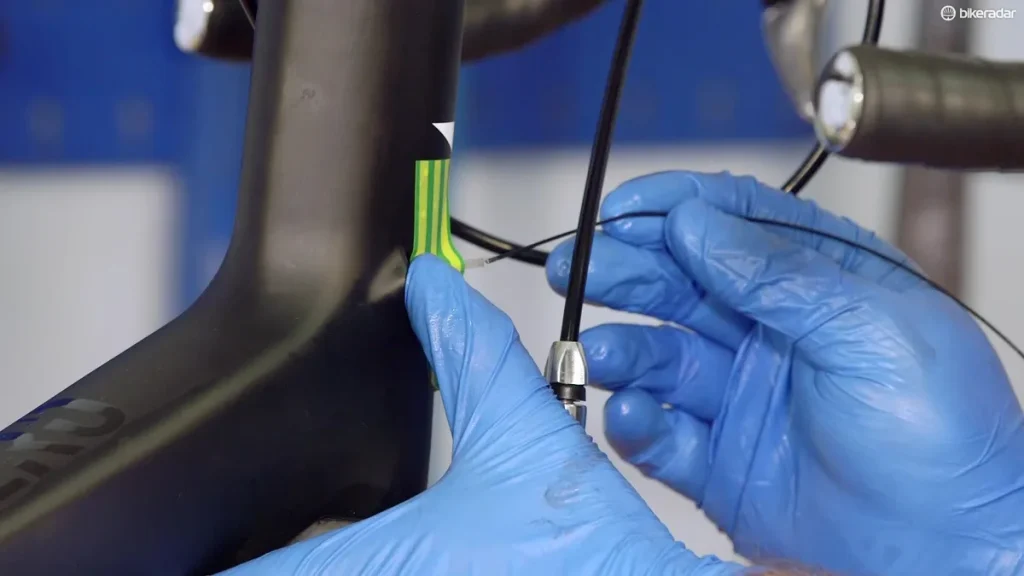
Ensure the new cable housing fits snugly. Cut it to the right length. Use sharp cuttersfor a clean cut. Slide the housing into the bike’s frame stops. Check it aligns well with the bike’s path. Secure it with zip tiesif needed. Keep the housing straight and smooth. Avoid kinks or sharp bends. These can affect braking performance.
Thread the brake cable through the housing. Ensure it moves freely. Attach the cable to the brake lever. Pull the cable tight. Secure it with the cable clamp. Check the tension in the brake cable. Adjust it if necessary. Make sure the brakes respond well. Test the brakes after installation. They should work smoothly and safely.

Credit: www.reddit.com
Adjusting Brake Tension
First, check the brake cable housing. Make sure it’s not too tight. This can cause the brakes to not work well. A loose cable is also not good. It makes the brakes slow. Adjust the cable with the barrel adjuster. This is a small part near the brake lever. Turn it to make the cable tighter or looser.
Next, test the brakes. Pull the brake lever hard. The brake pads should touch the wheel rim. If they don’t, adjust again. Check the brake pads too. They need to be in the right spot. Not too high or too low on the rim.
Finally, spin the wheel. Make sure it stops quickly when you pull the brake. If it doesn’t, you need more adjustments. Keep testing until everything feels right. Safety is very important with brakes.
Testing Brake Functionality
Check the brake levers for smooth movement. They should return to position quickly. Press the lever and hold it tight. See if the brakes hold the wheel still. Ensure there’s no slip or movement. Listen for any unusual sounds. Squeaking can mean trouble. Inspect the brake pads. They should press evenly on the rims. Look for wear or damage on the pads. Replace them if needed.
Spin the wheel and apply brakes. The wheel should stop smoothly. No sudden jerks or delays should occur. Test on a safe flat surface. Make sure the bike stops without skidding. Adjust the cable tension if needed. Too loose or tight can affect braking. Always double-check before riding. Safety comes first when brakes work well.
Tips For Maintenance
Keep the brake cable housing clean and dry. Dirt can cause damage. Check for cracks or wear regularly. Replace if you see any damage. Lubricate the cable to ensure smooth movement. Use a bicycle-specific lubricant for best results. This reduces friction and extends the life of the cable. Tighten all bolts and screws to avoid loose parts. A loose cable can be dangerous. Ensure the housing fits snugly to avoid any slack. A snug fit ensures efficient braking.

Credit: www.reddit.com
Frequently Asked Questions
How To Get Brake Cable In Housing?
Insert the cable into the housing, ensuring it slides smoothly. Use lubrication if needed. Align the cable with the brake lever, tighten securely, and test for proper function. Adjust tension as necessary for optimal performance and safety.
How To Install Brake Pad Retaining Clips?
Remove the wheel and old brake pads. Align the retaining clip on the caliper bracket. Secure the clip with the brake pad. Ensure it is tightly fitted. Reinstall the brake pads and wheel. Test the brakes for proper function before driving.
Can You Use Shift Cable Housing For Brakes?
Using shift cable housing for brakes is not recommended. Brake housing is stronger and designed for higher pressure. Shift housing may compress, affecting brake performance. Always use the correct housing for safety.
How To Shorten Brake Cable Housing?
Use cable cutters to trim the brake cable housing. Measure carefully and mark the desired length. Secure the housing end with a ferrule for neatness. Ensure the cut is clean to prevent fraying. Test the brakes for proper function after shortening the housing.
Conclusion
Fitting brake cable housing is simple with the right steps. Start by gathering your tools. Measure the correct length of housing. Cut carefully to avoid fraying. Secure it to the frame with clips. Ensure smooth cable movement through the housing.
Test the brakes to confirm proper function. Adjust as needed for safety. Follow these steps, and your brakes will work smoothly. Regular maintenance helps keep them reliable. With practice, fitting housing becomes easier. Enjoy a safer ride with well-fitted brake cables.
Safety and comfort on the road matter most. Happy cycling!



