

Finding the perfect fit for your bib shorts can change the way you ride. If your shorts are too tight, uncomfortable, or keep slipping, they can distract you and ruin your ride.
But when they fit just right, you’ll feel supported, comfortable, and ready to go the extra mile. You’ll discover simple, practical tips to help you choose and wear bib shorts that fit your body perfectly. Keep reading, and you’ll learn how to avoid common mistakes and enjoy every ride like never before.
Choosing The Right Size
Choosing the right size for bib shorts is key to comfort and performance. Ill-fitting shorts can cause chafing, discomfort, and distraction. Knowing your measurements and how to read size charts helps find the perfect fit. Different brands may vary in sizing, so understanding these differences is important.
Measuring Your Body
Use a soft tape measure to get accurate body measurements. Measure your waist at the narrowest point. Measure your hips at the widest point. Note these numbers down. Take measurements while standing straight and relaxed. Avoid pulling the tape too tight or leaving it too loose.
Interpreting Size Charts
Size charts use your measurements to suggest the best size. Compare your waist and hip measurements to the chart. Sizes often come as small, medium, large, etc. Check both waist and hip columns to find your size. If you fall between sizes, choose the larger size for comfort.
Considering Brand Variations
Brands do not use the same sizing standards. One medium from Brand A may fit differently than Brand B. Read reviews to learn about the fit of specific brands. Look for notes on whether the shorts run small or large. When possible, try the shorts on before buying or buy from stores with easy returns.

Credit: thepedla.com
Assessing Fit And Comfort
Assessing the fit and comfort of bib shorts is crucial for a pleasant ride. Proper fit prevents chafing and discomfort. It also helps maintain good blood flow and muscle support. Pay attention to key areas to ensure the shorts feel right on your body.
Checking The Waist And Legs
The waist should fit snugly without digging into your skin. Too tight causes pain; too loose means slipping. The leg bands need to hold the shorts in place firmly. Look for soft, wide bands that won’t pinch or leave marks. Stretch the fabric and check for tension. The shorts should move with you, not against you.
Evaluating The Chamois Placement
The chamois is the padded section that cushions your ride. It must sit exactly where your sit bones rest. If it’s too far forward or back, discomfort will increase. Try sitting on a hard surface to feel pressure points. The padding should cover your contact areas without bunching up. A well-placed chamois reduces saddle soreness and improves comfort.
Ensuring Proper Strap Fit
The straps keep the bib shorts from sliding down. They should feel secure but not tight on your shoulders. Check for stretchy fabric that moves as you pedal. Straps that are too loose cause shifting; too tight restrict breathing. Adjust the straps so they stay put without pressing hard. Proper strap fit supports the shorts and helps maintain comfort.
Adjusting Bib Straps
Adjusting bib straps is key for comfort and performance while cycling. Proper strap fit keeps bib shorts secure without causing pain or restricting movement. Focus on strap tension, preventing digging, and tailoring fit to your body shape.
Finding The Ideal Strap Tension
Straps should feel snug but not tight. Too loose straps cause the shorts to slip down. Too tight straps create pressure and discomfort. Adjust straps gradually until you find a secure, comfortable fit. Check strap tension in different cycling positions to ensure stability.
Avoiding Strap Digging
Straps that dig into the skin cause pain and irritation. Choose bib shorts with wide, soft straps to spread pressure evenly. Adjust straps higher or lower on your shoulders to reduce digging points. Padding under straps can also help prevent chafing.
Customizing For Body Shape
Body shapes vary; customizing strap length improves comfort. Taller riders may need longer straps for proper coverage. Shorter riders should shorten straps to avoid excess fabric bunching. Experiment with strap placement and tension to match your unique shape perfectly.
Testing Movement And Flexibility
Testing movement and flexibility is crucial for fitting bib shorts. Ensure they allow free movement and comfort. Properly fitted bib shorts enhance your cycling experience, reducing discomfort and improving performance. Let’s explore how to assess their flexibility.
Simulating Riding Positions
Try different cycling positions. Mimic how you sit on the bike. Bend forward and check if the fabric stretches easily. Notice any tightness or restriction. Ensure the bib shorts stay in place without shifting.
Identifying Pressure Points
Wear the bib shorts for a while. Move around, squat, and stretch. Identify any areas of pressure or discomfort. Adjust the fit if you feel pinching or squeezing. Proper fit should minimize pressure points.
Allowing For Breathability
Check the fabric’s breathability. Move to test ventilation. Feel the airflow through the fabric. Ensure the material wicks away moisture. Breathable bib shorts help keep you cool and dry. This enhances comfort during long rides.
Tips For Breaking In Bib Shorts
Breaking in bib shorts helps improve comfort and performance. New bib shorts can feel tight or stiff at first. Proper care and gradual use make them fit like a second skin. Follow simple steps to extend their life and enjoy every ride.
Washing And Care Instructions
Wash bib shorts gently to keep their shape and fabric. Use cold water and mild detergent only. Avoid bleach and fabric softeners. Hand wash or use a delicate cycle in the machine. Air dry bib shorts flat, away from direct sun or heat.
Proper washing keeps the padding soft and the fabric flexible. Clean shorts after every ride to prevent bacteria and odor. Treat them with care to avoid damage and stretching.
Wearing For Short Rides First
Wear bib shorts on short rides before long ones. This helps your body get used to the padding and fit. Short rides reveal any pressure points or discomfort early. Adjust straps or choose different shorts if needed.
Gradual use prevents chafing and soreness. It also helps the fabric mold to your shape slowly. Building up comfort over time leads to better performance on longer rides.
Recognizing When To Replace
Know the signs that bib shorts need replacement. Look for thinning or holes in the fabric and padding. Stretching or sagging straps reduce support and fit. Persistent discomfort or skin irritation means it’s time for new shorts.
Old bib shorts lose cushioning and can cause pain. Replace them regularly to protect your skin and improve ride quality. Investing in fresh bib shorts keeps every ride comfortable and safe.
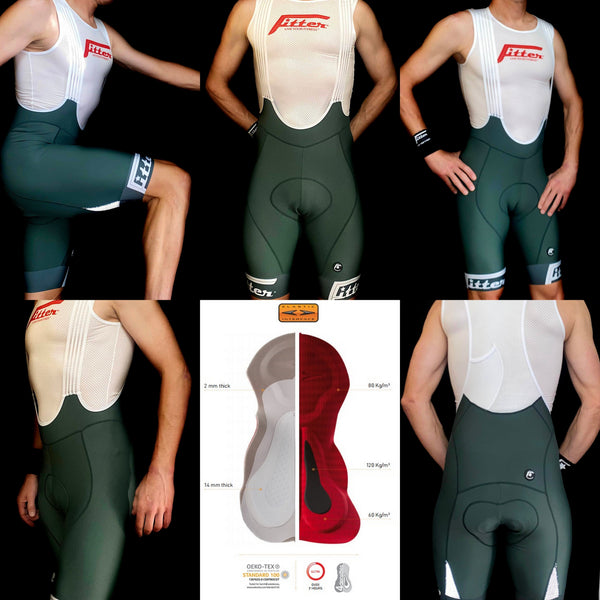
Credit: fitter.fit

Credit: www.redwhite.cc
Frequently Asked Questions
How Do I Choose The Right Size For Bib Shorts?
To choose the right size, measure your waist and hips accurately. Check the brand’s sizing chart and compare measurements. A snug fit without tightness ensures comfort and performance during rides.
What Is The Best Way To Wear Bib Shorts Correctly?
Wear bib shorts by pulling them up gently and securing the straps over your shoulders. Adjust the fit to avoid wrinkles or bunching for maximum comfort.
How Should Bib Shorts Fit Around The Waist And Legs?
Bib shorts should fit snugly around the waist and legs without restricting movement. The leg grippers must hold the shorts in place without digging into your skin.
Can Bib Shorts Prevent Chafing During Long Rides?
Yes, bib shorts reduce chafing by providing smooth, seamless fabric and proper padding. Their design minimizes friction and improves comfort on long rides.
Conclusion
Wearing bib shorts feels better with the right fit. Choose the correct size to avoid discomfort. Make sure the straps sit comfortably on your shoulders. Check that the shorts do not pinch or slide down. Proper fit helps prevent chafing during long rides.
Stretch and move to test the fit before riding. Remember, comfort leads to better cycling performance. Take time to find bib shorts that suit your body well. Enjoy your rides with confidence and ease.



