
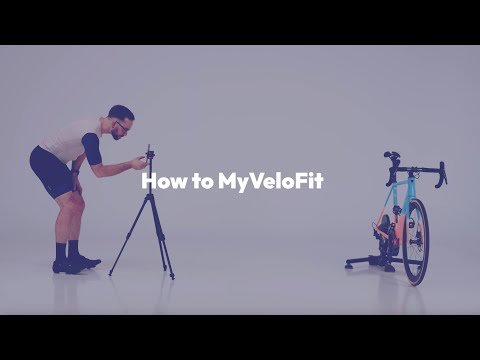
Are you struggling to get comfortable on your track bike? If your bike doesn’t fit you right, it can slow you down, cause discomfort, or even lead to injury.
But fitting a track bike properly isn’t as hard as you might think. With the right steps, you can unlock better speed, control, and comfort every time you ride. Keep reading, and you’ll learn exactly how to adjust your bike to match your body perfectly—so you can ride faster and feel stronger on the track.
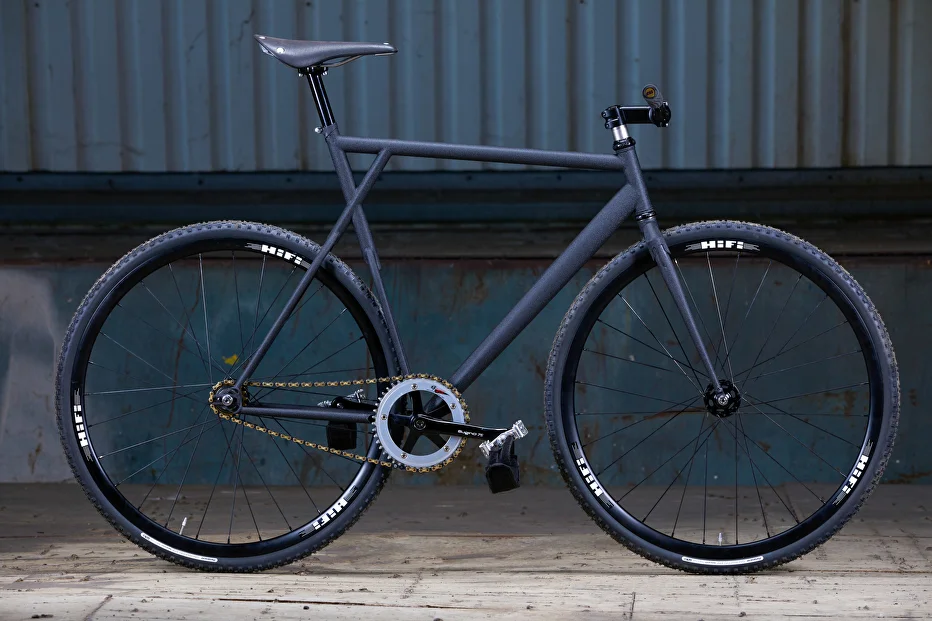
Credit: dropba.rs
Choosing The Right Frame Size
Measure your inseam lengthto find the right frame size. Stand straight with your feet about 6 inches apart. Use a tape measure from the floor to your crotch. This number helps choose a frame that fits well.
| Inseam (inches) | Frame Size (cm) |
|---|---|
| 26 – 28 | 48 – 50 |
| 29 – 31 | 51 – 53 |
| 32 – 34 | 54 – 56 |
| 35 – 37 | 57 – 59 |
Think about how you will use the bike. A more aggressive rider may want a smaller frame for better control. For relaxed riding, choose a slightly larger frame for comfort. This keeps your ride smooth and safe.

Credit: alpkit.com
Setting Saddle Height
To set the saddle heightusing the heel method, place your heel on the pedal. The pedal should be at the lowest point. Your leg must be fully straight. This shows the saddle is at the right height for your foot’s ball to sit on the pedal while riding. It helps prevent knee pain and improves pedaling power.
Fine-tune the saddle height by sitting on the bike and pedaling slowly. Adjust if you feel too stretched or too bent. Comfort is key for longer rides. Small changes can make a big difference.
Adjust the saddle tiltto avoid pressure points. A level saddle is best for most riders. Tilt the nose slightly down if you feel too much pressure on sensitive areas. Tilt it up if you feel sliding forward. Always check comfort after adjusting.
Adjusting Saddle Position
Adjust the saddle forward or backward to find a comfortable spot. This is called the fore-aft placement. It affects how your body moves while pedaling.
Check the knee over pedalposition by sitting on the bike. Your knee should align with the pedal axle when pedals are level. This helps prevent knee pain and improves power.
Maintain a proper reach by adjusting saddle height and handlebar position. Your arms should be slightly bent and relaxed. This reduces strain on your back and shoulders.
Handlebar Setup
Choosing the right handlebar typeaffects comfort and control. Track bikes usually have drop bars for an aerodynamic position. Flat bars give a more upright and relaxed ride. Consider how you want to ride before picking.
Setting handlebar heightchanges your riding posture. Higher bars ease pressure on your back and neck. Lower bars help reduce air resistance but may feel less comfortable. Adjust the height so you feel balanced and relaxed.
Adjusting reach and drophelps find the best hand position. Reach is the distance from the saddle to the bars. Drop is how far down the bars curve. Shorter reach and shallow drop suit casual riders. Longer reach and deeper drop fit racers better.
Pedal And Cleat Alignment
Selecting the right pedals is key for a track bike. Choose pedals that fit your shoes well and offer good grip. Clipless pedals are popular because they improve power transfer and control.
Aligning cleats on your shoes helps you pedal smoothly. Place the cleats so your feet sit naturally on the pedals. This alignment keeps your legs moving in a straight line, saving energy.
Preventing knee strain is important to avoid injury. Make small adjustments to cleat position if your knees hurt. Your knees should track over your toes without twisting. Proper alignment reduces pain and improves comfort.
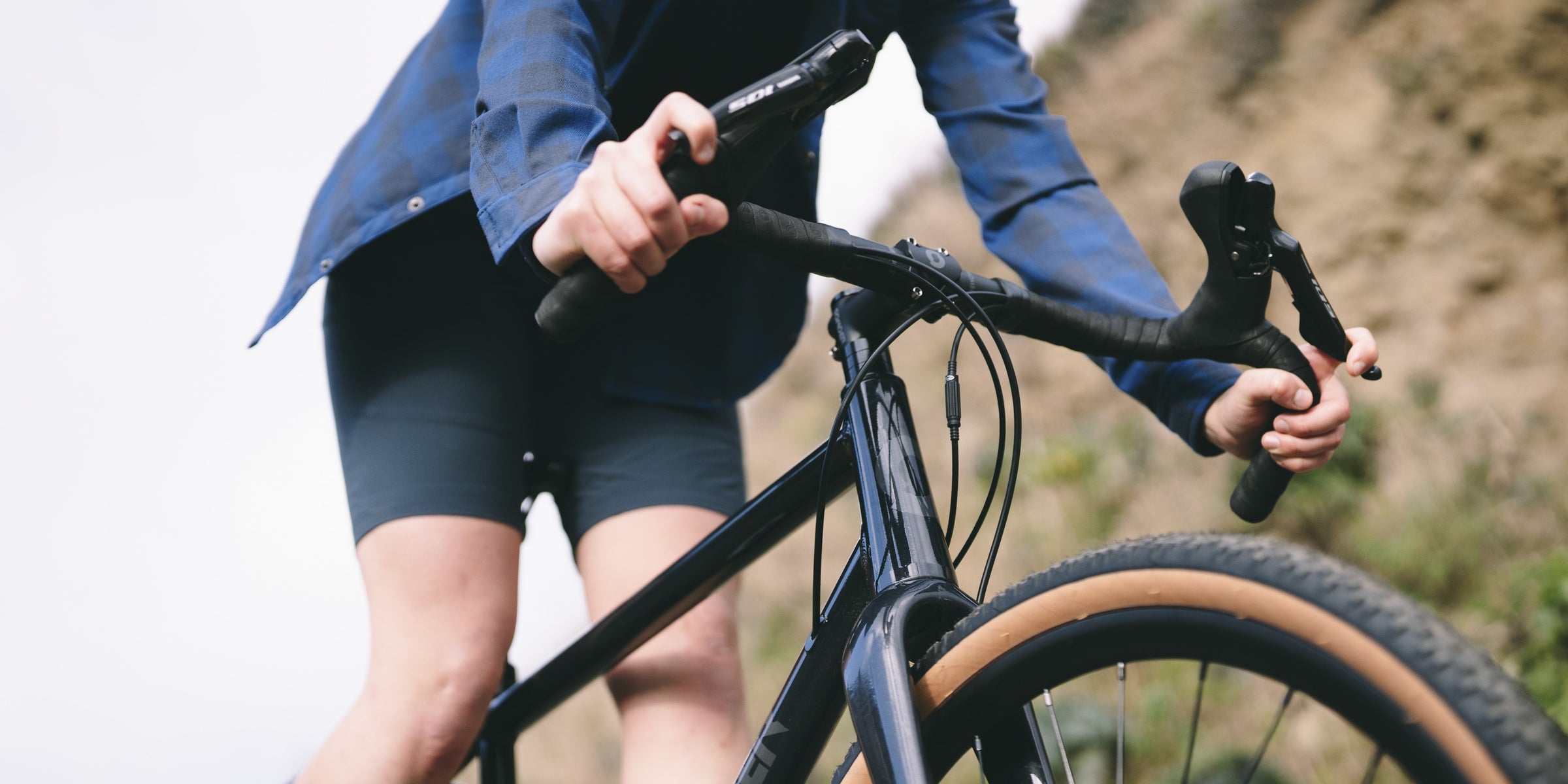
Credit: alpkit.com
Fine-tuning Bike Fit
Adjusting saddle height and position improves comfort and power on a track bike. Align handlebars and pedals for better control and efficiency. Small changes make a big difference in fit and performance.
Test Riding And Adjustments
Test rides help check the bike’s comfort. Adjust seat height for better pedaling. Handlebar position affects your back. Change it to reduce strain. Always wear a helmet for safety. Try short rides first. Make small changes and ride again. Feel the difference in each ride. Find what feels best for you.
Common Fit Issues
- Saddle discomfortcan cause pain. Check the seat’s position.
- Hands may get tired. Adjust the handlebar height.
- Knee painmeans the seat might be too low.
- Back aches could be from bad posture. Adjust seat and bars.
Seeking Professional Help
Bike shops offer fitting services. Experts know how to adjust bikes. They use tools to measure your body. They set the bike just for you. This helps avoid injuries. It makes riding more fun and safe. It’s worth getting expert advice.
Maintaining Your Track Bike Fit
Properly fitting a track bike improves comfort and performance on the track. Adjust the saddle height, handlebar position, and frame size to match your body. Regular checks keep your bike fit safe and efficient for every ride.
Regular Fit Checks
Check your track bike fit often. Measure the seat and handlebar height. Make sure they suit your height and comfort. Adjust as your body changes. A well-fitted bike helps you ride better and safer. Keep checking!
Adjusting For Flexibility Changes
Our bodies change over time. You might become more or less flexible. Adjust your bike to match your current flexibility. Lower the seat if you need more comfort. Raise it if you want more speed. Adjust the handlebars too. Comfort and safety come first.
Keeping Components Tight
Always ensure bike parts are tight. Loose parts can be dangerous. Check screws and bolts regularly. Tighten any that feel loose. Use the right tools to avoid damage. A tight bike is a safe bike. Ride with confidence!
Frequently Asked Questions
How Do I Measure My Inseam For A Track Bike?
Measure your inseam by standing barefoot against a wall. Use a book to mimic the saddle and measure from the floor to the top of the book. This helps determine the correct seat height for optimal pedaling efficiency and comfort.
What Is The Ideal Saddle Height For Track Biking?
Ideal saddle height allows a slight bend in your knee at the bottom pedal stroke. Adjust it so your leg extends comfortably without locking your knee. Proper height improves power output and reduces injury risk.
How Should Handlebar Position Be Set On A Track Bike?
Handlebars should be low and forward to promote an aerodynamic posture. Position them so you can reach comfortably without strain. Proper handlebar setup enhances control and reduces wind resistance during rides.
Why Is Frame Size Important For Fitting A Track Bike?
The correct frame size ensures comfort, control, and efficient power transfer. A frame too big or small can cause discomfort and reduce performance. Always choose a frame size based on your height and inseam measurements.
Conclusion
Fitting a track bike right makes your ride safer and more fun. Check your seat height and handlebar position carefully. Small changes can make a big difference in comfort and control. Take your time and test the fit before riding fast.
A good fit helps you ride longer and avoid pain. Remember, your bike should feel like a natural part of you. Keep adjusting until it feels just right. Enjoy every ride with confidence and ease.



