

Finding safe places to camp during your bikepacking trips can be tricky. You want a spot that feels secure, comfortable, and peaceful after a long day on the road.
But how do you know where to stop without risking your safety or comfort? You’ll discover simple, practical tips to help you choose the best camping spots every time. Whether you’re a beginner or a seasoned bikepacker, these insights will make your nights restful and your adventures worry-free.
Keep reading to learn how to protect yourself and enjoy your journey fully.
Choosing The Right Campsites
Finding a safe place to camp is important for a good bikepacking trip. You need to pick spots that keep you protected and comfortable.
Use the right criteria to choose campsites. This guide covers terrain, safety, and weather to help you decide.
Assessing Terrain And Accessibility
Check the ground before setting your tent. Look for flat, dry areas away from steep slopes or loose rocks. Make sure you can reach the site easily by bike.
- Look for firm, level ground
- Avoid areas near cliffs or unstable soil
- Choose spots near bike trails or paths
- Check for natural shelters like trees or bushes
Evaluating Safety Factors
Safety is key at any campsite. Watch for signs of wildlife and avoid places with tall grass or dense bushes. Stay clear of flood zones and areas prone to falling branches.
| Safety Factor | What to Check |
|---|---|
| Wildlife | Keep away from animal trails and food sources |
| Flood Risk | Avoid low areas near rivers or streams |
| Falling Objects | Do not camp under dead trees or loose branches |
| Visibility | Choose spots visible from trails for help if needed |
Considering Weather Conditions
Weather affects your comfort and safety. Check forecasts before camping. Avoid open areas during storms and windy spots on ridges.
- Pick sites with natural windbreaks like trees or hills
- Set camp above flood plains to avoid water pooling
- Prepare for temperature changes by choosing sheltered spots

Credit: www.reddit.com
Using Technology For Site Selection
Finding safe places to camp during bikepacking is important for a good trip. Technology can help you choose the right spots.
Using apps and maps, GPS tools, and online feedback makes it easier to find safe and legal campsites.
Apps And Maps For Campgrounds
Many apps show campgrounds and free camping areas on your route. They offer details about each site.
Maps in these apps help you plan stops based on distance and terrain. You can find places with water or toilets.
- View campgrounds near your bikepacking route
- Check amenities like water, fire pits, and toilets
- Plan stops by distance or terrain difficulty
Gps And Offline Navigation
GPS devices and apps guide you to campsites even without internet. Download maps before your trip.
Offline navigation helps when cell service is weak. It keeps you on track and shows nearby safe spots.
- Download maps for offline use
- Use GPS to track your location on trails
- Find nearby campsites without internet
Online Reviews And Community Feedback
Reading reviews from other bikepackers helps you choose safe campsites. They share real experiences.
Community feedback warns about risks like wildlife or private property. It helps avoid trouble.
- Check campsite cleanliness and safety
- Learn about nearby hazards or rules
- Find tips on best camping spots
Legal And Environmental Considerations
Finding safe places to camp during bikepacking means following rules and protecting nature. Knowing legal and environmental factors helps you camp responsibly.
Respect for land and rules keeps you safe and preserves the outdoors for others. Learn about land types, camping rules, and how to care for the environment.
Public Vs Private Land Rules
Public lands are open to everyone but have specific rules. Private lands belong to individuals and need permission to camp.
Always check if camping is allowed where you plan to stay. Public lands may require you to camp only in designated spots.
- Public land includes parks, forests, and wildlife areas.
- Private land needs landowner permission to camp.
- Respect signs and fences marking private property.
- Check local laws about camping on roadsides or trailheads.
Leave No Trace Principles
Leave No Trace means camping without harming nature. It helps keep places clean and wild for future visitors.
Follow simple rules to reduce your impact. These principles guide how to camp responsibly and protect the environment.
- Camp on durable surfaces like rocks or dry grass.
- Pack out all trash, leftover food, and litter.
- Use a small stove instead of making fires.
- Respect wildlife by watching from a distance.
- Keep noise low to avoid disturbing animals and others.
- Dispose of human waste properly, away from water sources.
Permits And Regulations
Some areas need permits to camp. These help protect the land and control visitor numbers.
Check regulations before you go. Permit rules vary by location and season.
- Apply for permits online or at ranger stations.
- Follow rules about campfire use and waste disposal.
- Observe limits on group size and camping duration.
- Report your plans if required by local authorities.
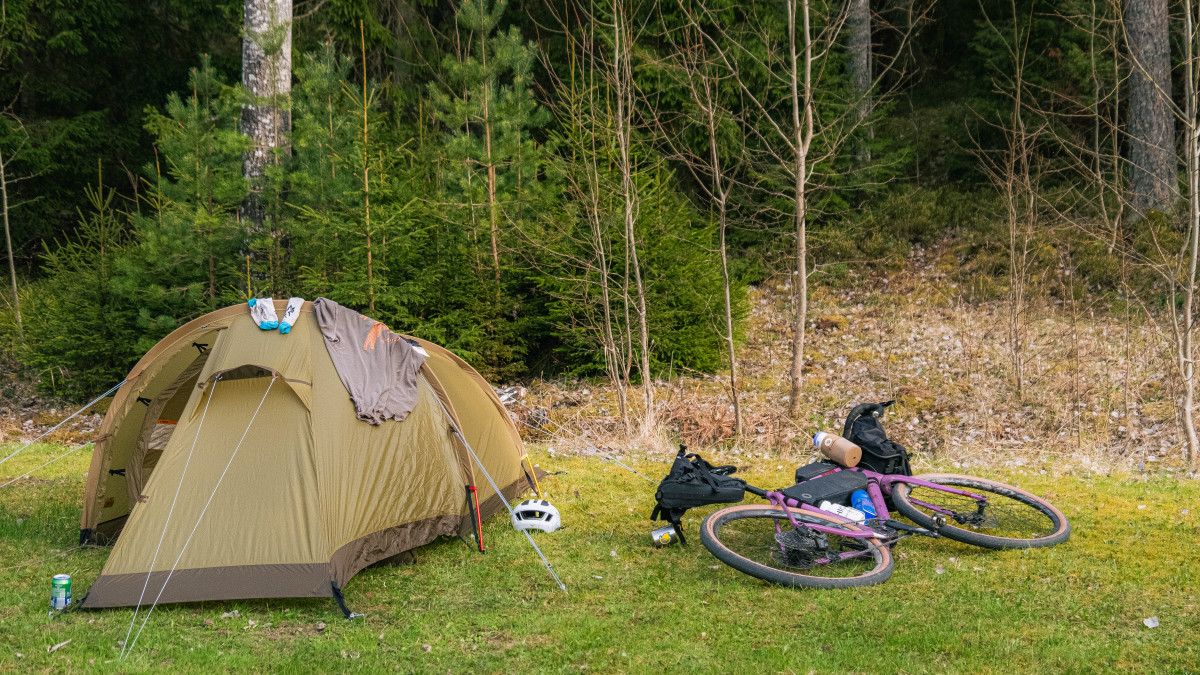
Credit: www.bikemag.com
Spotting Natural Shelter Options
Finding a safe place to camp during bikepacking is important. Natural shelters help protect you from wind, rain, and cold. Knowing how to spot these spots can make your trip safer and more comfortable.
Look closely at the environment around you. Trees, hills, and water sources can guide you to a good campsite. Use nature’s features to your advantage.
Using Trees And Terrain Features
Trees can block strong winds and provide shade. Terrain features like hills, valleys, and rock formations can also offer shelter. Look for these natural barriers when choosing your site.
- Camp near large trees but avoid old or dead branches that may fall.
- Use hills or ridges to shield your tent from wind.
- Find flat ground that is not too low to avoid water pooling.
- Check for natural windbreaks like boulders or dense bushes.
Avoiding Hazardous Areas
Safe camping means staying away from dangers. Avoid places with unstable ground, falling rocks, or insect nests. Check your surroundings carefully before setting up.
| Hazard | Signs to Watch For |
| Unstable Ground | Loose soil, cracks, or soft mud |
| Falling Rocks | Steep slopes, fresh rock debris |
| Insect Nests | Beehives, ant hills, wasp nests |
| Flood Zones | Low areas near rivers or streams |
Water Source Proximity
Camping near water is helpful for drinking and cooking. But don’t camp too close to avoid bugs and flooding. Find a good balance to stay safe and comfortable.
Consider these tips for water source camping:
- Set up camp at least 200 feet (60 meters) from water.
- Choose higher ground to avoid floods.
- Check water flow to avoid sudden rises.
- Use water filters before drinking.
Safety Tips For Nighttime Camping
Camping at night during bikepacking can be peaceful but also risky. It is important to stay safe and prepared. Knowing how to protect yourself helps you enjoy the night.
Follow simple rules to avoid dangers from animals and weather. Use smart ways to keep your gear safe and set up your camp quickly and securely.
Wildlife Awareness
Wild animals are active at night. Stay alert to avoid surprises. Do not leave food or trash near your sleeping area. Use a flashlight to check your surroundings before settling down.
- Choose a spot away from animal trails and water sources.
- Make noise when moving to avoid startling animals.
- Keep your tent zipped to prevent insects and small animals from entering.
Securing Gear And Food
Protecting your gear and food is key to safe camping. Store food in airtight containers. Hang it from a tree or use a bear bag if available. Lock your bike and keep valuables close.
| Item | Storage Tip |
| Food | Use sealed bags or containers and hang high from trees |
| Bike | Lock with a sturdy lock to a fixed object |
| Gear | Keep inside tent or bike bags, away from open areas |
| Trash | Pack out all trash to avoid attracting animals |
Setting Up Camp Efficiently
Setting up camp fast and right reduces risks at night. Choose flat ground away from hazards. Clear sharp objects and rocks before pitching your tent. Arrange your gear to keep essentials handy.
- Place your tent entrance away from the wind.
- Keep a flashlight and whistle within reach.
- Check weather and adjust your setup accordingly.
Planning Ahead For Emergencies
Finding safe places to camp during bikepacking is important. Planning for emergencies keeps you ready and calm.
Knowing what to do and having the right tools can save your life. Always prepare before you start your trip.
Communication Devices
Bring devices that help you stay connected. Cell phones may not work in remote areas.
Consider using satellite messengers or personal locator beacons. These devices send your location to rescuers.
- Check battery life before your trip
- Test devices to know how they work
- Carry extra batteries or power banks
- Keep devices in waterproof cases
Emergency Routes And Exits
Know the routes to leave your campsite quickly. Study maps and plan escape paths.
Mark safe exits for fire, flood, or other dangers. Share these routes with your group.
- Use GPS apps to check trail conditions
- Identify nearby roads or ranger stations
- Plan routes that avoid steep or risky areas
- Keep a printed map as backup
First Aid Preparedness
Carry a well-stocked first aid kit on every trip. Know how to use each item inside.
Learn basic first aid skills like treating cuts or sprains. Practice them before your trip.
- Include bandages, antiseptic wipes, and tape
- Pack pain relievers and allergy medicine
- Bring tweezers and scissors
- Carry emergency contact numbers and medical info

Credit: welovemountains.net
Frequently Asked Questions
How Do I Find Legal Camping Spots For Bikepacking?
Check official park websites and local regulations for designated camping areas. Use apps like iOverlander for verified spots. Avoid private property unless permitted. Always follow Leave No Trace principles to protect nature and ensure safety.
What Safety Tips Should I Follow When Camping On Bikepacking Trips?
Choose well-reviewed campgrounds or established sites. Inform someone about your location and schedule. Store food securely to avoid wildlife encounters. Carry a first-aid kit and know basic emergency procedures. Stay aware of weather changes and local hazards.
Can I Camp Anywhere In National Forests During Bikepacking?
National forests often allow dispersed camping but check specific rules. Avoid sensitive areas like wildlife habitats or fire-prone zones. Use existing fire rings and pack out all trash. Confirm restrictions seasonally or during fire bans to stay compliant.
How Do I Ensure Privacy And Security While Bikepacking Camping?
Select secluded spots away from trails and roads. Set up camp before dark to avoid attention. Use a tent with a reliable lock or hidden storage for valuables. Trust your instincts and move if the area feels unsafe.
Conclusion
Finding safe camping spots is vital for a great bikepacking trip. Prioritize safety by researching well and asking locals for advice. Use apps and maps to locate secure sites. Trust your instincts; if a place feels unsafe, move on. Always inform someone about your location.
Pack essentials for emergencies. Enjoy the adventure and connect with nature. Being prepared enhances your experience and peace of mind. Stay safe, and happy bikepacking!



