
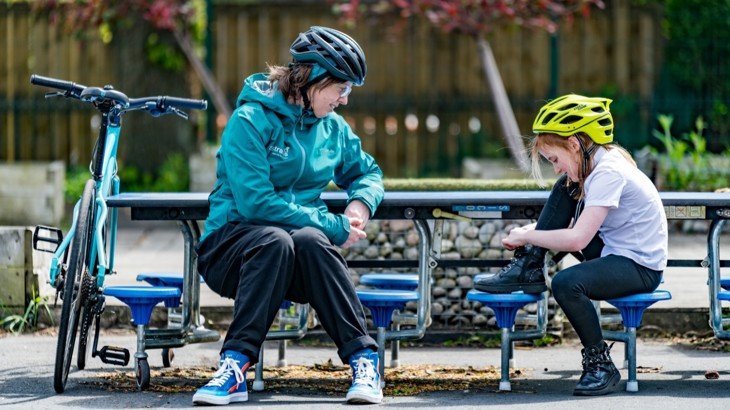
Imagine your child enjoying fresh air, getting exercise, and arriving at school energized—all before the first bell rings. Sounds great, right?
But getting kids to bike to school every day can be a challenge. You might wonder how to make daily biking not just a one-time activity, but a fun and regular part of your child’s routine. You’ll discover simple and effective ways to encourage daily biking for school, helping your child build healthy habits while you gain peace of mind.
Keep reading to find easy tips that can transform your mornings and your child’s school days.
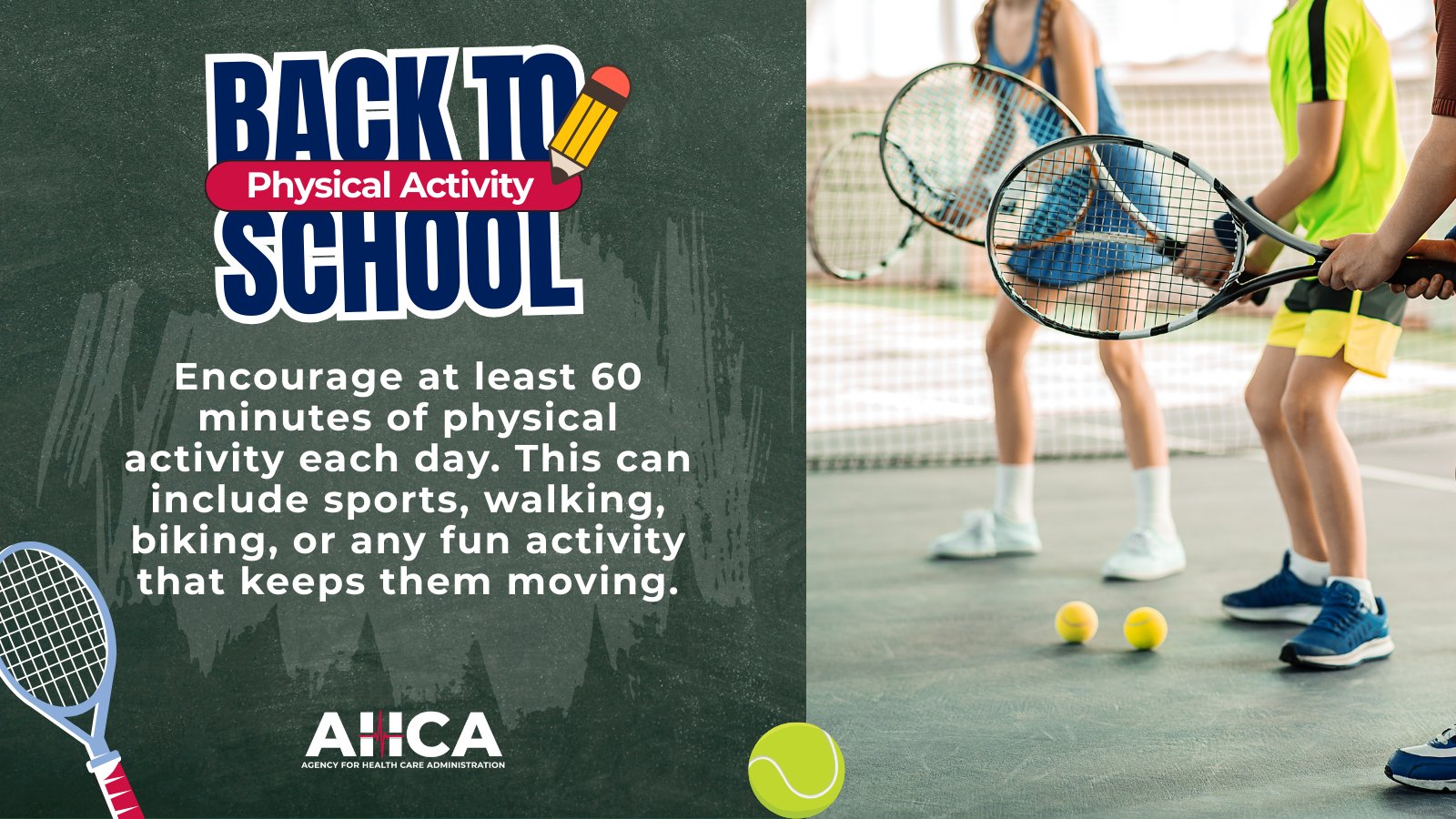
Credit: x.com
Benefits Of Daily Biking
Riding a bike to school every day offers many good things. It helps your body, your mind, and the world around you.
This simple activity can make your school days better in many ways. Let’s look at some key benefits of daily biking.
Physical Health Gains
Biking is great exercise. It helps build strong muscles and bones. It also improves heart health and boosts energy levels.
- Increases stamina and strength
- Improves balance and coordination
- Supports healthy weight management
- Reduces risk of obesity and related diseases
Environmental Impact
Biking to school cuts down on pollution. It lowers the number of cars on the road. This means cleaner air and less noise around your neighborhood.
| Benefit | Impact |
| Less Air Pollution | Fewer car emissions |
| Lower Noise Levels | Quieter streets |
| Reduced Traffic | Smoother travel for everyone |
Improved Focus And Mood
Riding a bike helps your brain. It can make you feel happier and more ready to learn. Physical activity releases chemicals that lift your mood.
- Increases alertness and concentration in class
- Reduces stress and anxiety before school
- Boosts overall mental well-being
Choosing The Right Bike
Picking the right bike is key to making daily biking fun and safe for kids. A good bike fits their size and riding style.
This guide helps parents choose a bike that suits their child’s needs for school rides.
Types Of Bikes For Kids
Kids’ bikes come in many styles. Each type fits different ages and riding skills.
- Balance Bikes:No pedals, great for toddlers learning to balance.
- Single-Speed Bikes:Simple design, best for beginners aged 4 to 7.
- Multi-Speed Bikes:Have gears for older kids who ride longer distances or hills.
- Mountain Bikes:Durable and good for rough paths or trails.
- Hybrid Bikes:Mix of road and mountain bikes, fit for smooth roads and light off-road.
Safety Features To Look For
Safety is a must for kids’ bikes. Look for features that protect and ensure control.
| Feature | Why It Matters |
| Brakes | Easy-to-use brakes help kids stop quickly. |
| Reflectors | Make kids visible to drivers, especially in low light. |
| Chain Guard | Prevents clothes from getting caught in the chain. |
| Helmet Compatibility | Check if the bike fits well with a helmet for full protection. |
| Sturdy Frame | Strong materials keep the bike safe and durable. |
Proper Bike Fit
A bike that fits well is easier and safer for kids to ride. Size is very important.
Follow this simple checklist to check bike fit:
- Child’s feet should touch the ground while sitting on the seat.
- Handlebars must be easy to reach without stretching.
- There should be a slight bend in the knees when pedals are at the lowest point.
- Seat height should allow comfortable pedaling and balance.
Planning Safe Routes
Encouraging daily biking to school starts with planning safe routes. Safe paths help kids feel confident and parents feel secure. A well-planned route keeps children away from traffic and dangerous areas.
Parents, teachers, and community members can work together to find the best routes. They should look for paths that are easy to follow and safe for young riders.
Identifying Bike-friendly Paths
Bike-friendly paths are quiet, flat, and well-maintained. These paths often run through parks, neighborhoods, or school grounds. They avoid steep hills and rough surfaces.
Finding these paths helps kids ride safely and enjoy their trip. Look for paths with good lighting and clear signs. Paths with few intersections are best.
- Quiet streets with low traffic
- Neighborhood roads with sidewalks
- Paths inside parks or school areas
- Routes with smooth pavement
- Areas with good street lighting
Avoiding Busy Roads
Busy roads have many cars and fast traffic. These roads can be dangerous for children riding bikes. Avoid streets with heavy traffic or no bike lanes.
Choose routes that keep kids off main roads. Use side streets or paths that run parallel to busy streets. This reduces risks and makes the ride less stressful.
- Stay away from highways and main roads
- Use side streets with less traffic
- Look for quiet residential roads
- Cross busy roads only at marked crosswalks
Using Bike Lanes And Trails
Bike lanes and trails give riders a safe space on the road. They separate bikes from cars. Trails often run through parks or green areas away from traffic.
Teach children to use bike lanes and trails properly. Follow all signs and signals. This keeps the ride safe and smooth.
- Ride inside marked bike lanes
- Use bike trails that do not cross busy streets
- Follow traffic signs and signals
- Wear a helmet and use safety gear
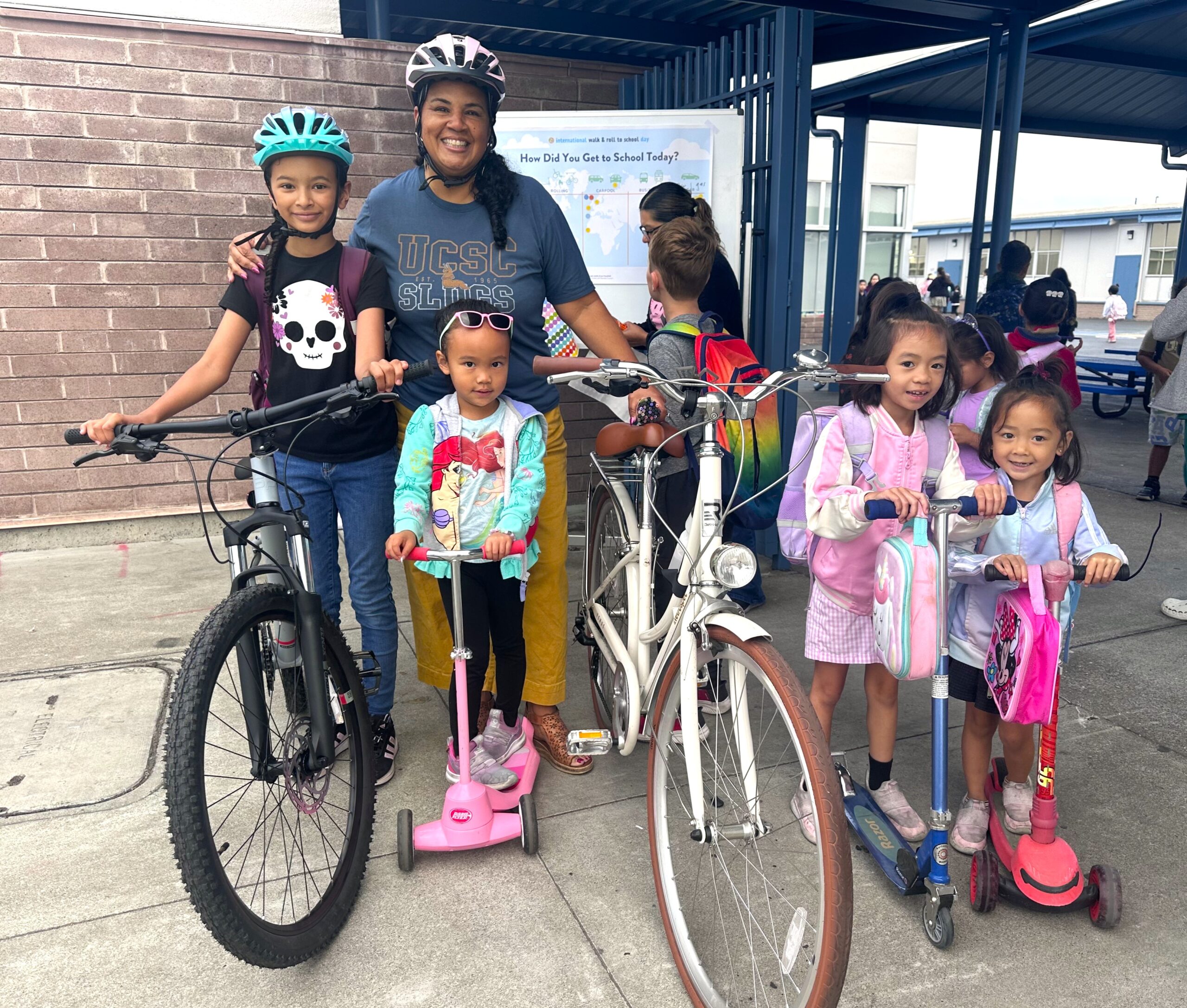
Credit: alamedacountysr2s.org
Creating A Routine
Daily biking to school helps children stay active and healthy. Creating a routine makes biking a natural part of their day.
A good routine includes set times, family support, and plans for all types of weather.
Setting Consistent Times
Pick the same time every morning for biking to school. This helps kids know what to expect and get ready on time.
- Start biking at the same time daily
- Prepare bikes and gear the night before
- Use alarms or reminders to keep on schedule
Incorporating Family Participation
Family can make biking more fun and safe. Riding together builds good habits and shows support.
| Family Member | Role |
| Parents | Ride with kids and ensure safety |
| Siblings | Join for company and encouragement |
| Caregivers | Help with bike checks and gear |
Handling Weather Challenges
Weather can stop kids from biking. Plan for rain, cold, or heat to keep the routine.
Try these tips:
- Wear waterproof jackets on rainy days
- Use gloves and hats in cold weather
- Bike early or late to avoid heat
- Keep spare clothes in backpacks
Ensuring Safety
Daily biking to school is a great way to stay active. Keeping kids safe is very important. Parents and teachers must help children learn how to bike safely.
This guide covers key safety steps for daily biking. It includes wearing helmets, learning traffic rules, and being ready for emergencies.
Wearing Helmets And Gear
Wearing a helmet protects the head in case of a fall. Make sure the helmet fits well and is fastened correctly.
Other gear like knee pads and bright clothes help protect and make children more visible. Reflective strips are good for early mornings or late afternoons.
- Choose a helmet that meets safety standards
- Wear bright or reflective clothing
- Use knee and elbow pads for extra protection
- Check gear regularly for wear and tear
Teaching Traffic Rules
Children must learn basic traffic rules before biking to school. Teach them to stop at stop signs and look both ways before crossing streets.
Explain the meaning of traffic lights and signals. Show how to use bike lanes and avoid busy roads when possible.
- Stop and look both ways before crossing
- Follow traffic lights and signs
- Use hand signals for turning
- Ride on the right side of the road
- Stay alert and avoid distractions
Emergency Preparedness
Children should know what to do if an accident happens. Teach them how to call for help and stay calm.
Make sure they carry a phone or have emergency contacts written down. Practice simple first aid and how to check for injuries.
- Carry a phone or emergency contact card
- Know how to call emergency services
- Learn basic first aid skills
- Stay calm and wait for help if injured
Motivating Kids To Bike
Getting kids to bike to school every day helps them stay healthy and active. It also teaches them good habits early on.
Parents and teachers can use simple ways to make biking a fun and regular part of kids’ days. This encourages them to keep biking.
Using Rewards And Incentives
Kids love rewards. Giving small prizes or recognition can encourage them to bike more often.
Rewards can be simple and fun. They help kids feel proud of their efforts and want to keep biking daily.
- Stickers or badges for each biking day
- Extra playtime after school
- Small treats or healthy snacks
- Recognition in class or at home
Making Biking Fun
When biking is fun, kids want to do it more. Adding games or challenges makes the ride exciting.
Try to make the route interesting and safe. Play music or tell stories to keep kids engaged while biking.
- Plan safe and colorful routes
- Use bike bells or decorations
- Create biking challenges or races
- Celebrate milestones with fun activities
Involving Friends And Groups
Biking with friends makes the activity more social and enjoyable. Kids feel motivated when they are part of a group.
Encourage kids to bike together or join biking clubs. Group rides build confidence and support daily biking habits.
- Organize group rides to school
- Join local kids’ biking clubs
- Plan biking events with classmates
- Encourage siblings to bike together
Maintaining The Bike
Keeping a bike in good shape helps kids ride safely every day. Regular care makes biking easier and fun.
Simple maintenance stops small problems from becoming big ones. It also helps the bike last longer.
Regular Checkups
Check the bike often to find problems early. Look at tires, brakes, and the chain before each ride.
Keep the tires full of air. Test the brakes to make sure they stop the bike well. Clean the chain to avoid rust.
- Inspect tires for holes or low air
- Test brake pads and cables
- Check the chain for dirt and rust
- Look for loose bolts or parts
Simple Repairs Kids Can Do
Kids can fix small problems with help. They can pump tires, tighten loose nuts, and clean the bike.
Learning to fix small issues builds confidence. It also keeps the bike ready for daily rides.
- Use a bike pump to fill tires
- Tighten loose bolts with a wrench
- Clean the chain with a rag
- Adjust the seat height
When To Visit A Professional
Some bike problems need a bike shop. Visit a professional if the bike feels unsafe or hard to ride.
Experts can fix brakes, gears, and wheels. They also do tune-ups to keep bikes in top condition.
- Brakes that don’t stop well
- Gears that slip or don’t shift
- Broken spokes or bent wheels
- Unusual noises or bike shaking
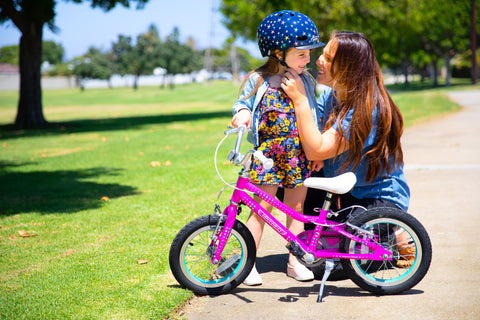
Credit: guardianbikes.com
Frequently Asked Questions
How Can Parents Motivate Kids To Bike Daily To School?
Parents can encourage biking by setting a positive example and praising efforts. Provide safe biking gear and plan enjoyable routes. Making biking a fun daily routine increases motivation.
What Safety Tips Ensure Kids Bike To School Safely?
Ensure children wear helmets and bright clothing. Teach traffic rules and choose low-traffic routes. Regularly check the bike’s condition to prevent accidents.
How Does Daily Biking Benefit Children’s Health And Learning?
Daily biking improves cardiovascular health, strengthens muscles, and boosts mood. It also enhances focus and energy levels, supporting better learning at school.
What Are Effective Ways To Make Biking To School Fun?
Organize group rides, create challenges, and reward consistency. Use colorful gear and allow kids to choose their bike routes for added excitement.
Conclusion
Daily biking to school brings many benefits. It improves health and boosts mood. Kids feel happier and more energetic. It also reduces traffic and pollution. Parents and schools must support biking initiatives. Safe routes and bike-friendly facilities encourage more riders.
Community events and biking groups can foster interest. Make biking a fun and regular habit. Encourage children to choose bikes over cars. A healthier future starts with small steps. Or in this case, pedal strokes. Let’s pedal towards a better tomorrow!



