
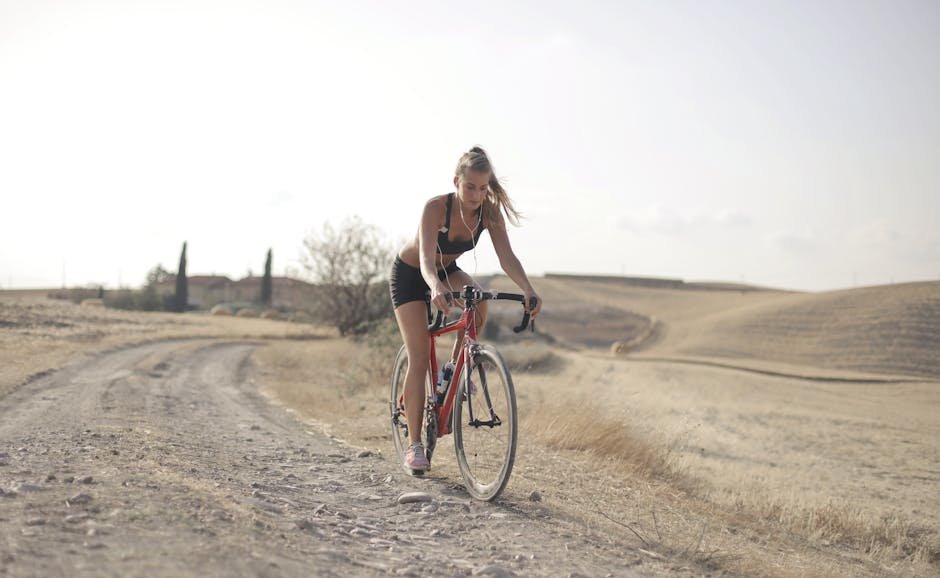
You’ve just finished washing your bike, and it’s looking spotless and ready for your next adventure. But wait—how do you ensure it stays in top condition without water spots or rust creeping in?
Drying your bike properly after washing is crucial, yet often overlooked. You might think it’s as simple as wiping it down, but there’s an art to doing it right, ensuring every component stays in peak form. Imagine gliding through your next ride with a bike that’s not only clean but also perfectly maintained.
In this guide, you’ll discover effective techniques to dry your bike thoroughly, preserving its longevity and performance. Stay with us to learn how you can effortlessly protect your investment and make your biking experience even better.
Essential Drying Tools
Drying a bike quickly after washing helps prevent rust. Use microfiber cloths for effective water absorption. Air compressors can blow water from hard-to-reach areas, ensuring a thorough dry.
Drying Techniques
Gently shake off excess water from the bike. Use a clean microfiber cloth to wipe it down. Ensure all parts, especially the chain and gears, are thoroughly dried to prevent rust. For hard-to-reach areas, consider using compressed air or a gentle leaf blower.
Manual Wiping
Use a clean, soft cloth to wipe your bike. Focus on the frame, wheels, and chain. Ensure you reach all the tight spaces. Avoid using rough cloths to prevent scratches. Check the chain and gears carefully. Be gentle with delicate parts. Remove excess water quickly to prevent rust. Pat dry the seat and handlebars.
Air Drying
Find a sunny spot and park your bike. Allow the sun to naturally dry it. Ensure no water remains in hidden areas. Rotate the pedals to help dry the chain. Tilt the bike if needed for better drying. Avoid direct sunlight for too long. Check the bike after a few hours for damp spots. Move it indoors once fully dry.
Avoiding Common Mistakes
Thoroughly drying your bike prevents rust and damage. Use a soft towel to wipe excess water from the frame. Pay special attention to hard-to-reach areas to avoid moisture build-up.
Preventing Water Spots
Drying a bike quickly stops water spots. Use a soft towel for drying. This helps keep the bike’s paint shiny. Move the towel in circles on the bike’s surface. This avoids streaks and spots. Drying small parts is important too. Pay attention to areas like gears and brakes. A hairdryer can help dry hard-to-reach spots. Avoid high heat settings to protect bike parts.
Avoiding Rust
Water causes rust on bike metal parts. Dry these areas well after washing. Use a cloth to wipe all metal surfaces. Focus on screws and joints. These places collect water easily. Apply a small amount of bike oil to metal parts. This creates a protective layer against rust. Make sure the bike is stored in a dry place. This prevents moisture from causing rust over time.
Time-saving Tips
Dry your bike quickly after washing by using a microfiber cloth to absorb excess water. Shake the bike gently to remove droplets from hard-to-reach areas. Use a leaf blower or compressed air for faster drying, especially around the chain and gears.
Using A Leaf Blower
Drying a bike can be fast with a leaf blower. Turn the blower on and aim at the bike’s wet parts. This blows away water quickly. It works well for hard-to-reach places. Make sure to hold the blower at a safe distance. This prevents damage to paint or parts. Using a leaf blower is fun and saves time.
Utilizing Sunlight
Sunlight is a natural and easy way to dry your bike. Park the bike where the sun shines brightly. The sun’s heat helps water evaporate fast. Sunlight is free and good for the environment. It’s important to flip the bike over sometimes. This ensures all parts dry evenly. Sunlight drying is simple and effective.
Post-drying Care
Chains need proper care to work well. After drying, add oil to the chain. This keeps it smooth and rust-free. Use a small bottle for easy application. Pour a few drops on each link. Move the pedals to spread the oil. Wipe any extra oil with a clean cloth. Oiling helps the chain last longer. It makes biking easier and safer.
Check your bike for leftover water spots. Water can hide in small spaces. Feel the frame with your fingers. Look under the seat and around the wheels. Use a dry cloth to wipe these areas. This stops rust from forming. Make sure the bike is completely dry. Dry bikes last longer and work better. Proper drying keeps your bike in top shape.
Frequently Asked Questions
How To Dry A Wet Bike?
Wipe the bike with a dry cloth to remove excess water. Use compressed air to dry intricate parts. Lubricate the chain and moving parts to prevent rust. Allow the bike to air dry in a shaded area. Ensure all components are thoroughly dry before storing or riding.
How Long Does A Bike Take To Dry?
A bike typically takes 2-4 hours to dry, depending on weather conditions and humidity levels. For quicker drying, store it in a ventilated area. Sunlight can speed up the process, but excessive heat may damage components. Ensuring your bike is clean and well-maintained helps prevent rust and prolongs lifespan.
What Should I Do After I Wash My Bike?
Dry your bike using a clean cloth. Lubricate the chain and moving parts. Check tire pressure. Inspect brakes and lights. Store in a dry place.
What To Do After A Bike Gets Wet?
Dry the bike with a clean cloth. Lubricate the chain and moving parts to prevent rust. Check brakes and gears for functionality. Inspect electrical components for water damage. Store the bike in a dry place.
Conclusion
Drying your bike after washing ensures it stays in great shape. Use a soft cloth to wipe away excess water. Pay attention to hidden spots like the chain and gears. Ensure no moisture remains to prevent rust. Check all parts for dryness, including the brakes and tires.
Store your bike in a dry place to maintain its condition. Regular drying makes your bike last longer. Keep your ride smooth and ready for your next adventure. Drying is a simple step, but it makes a big difference. Enjoy safe and fun rides with a well-maintained bike!



