
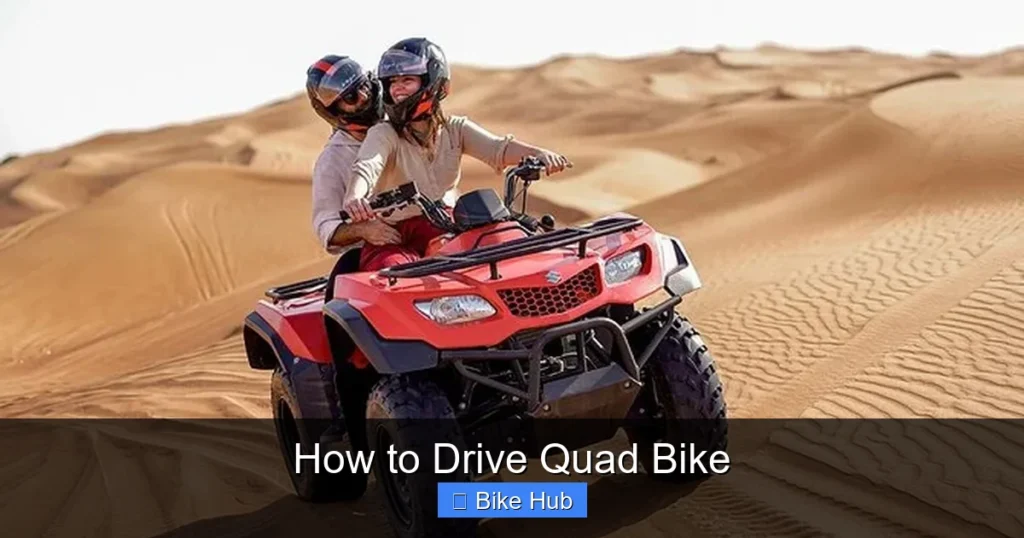
This guide teaches you how to drive a quad bike safely, from pre-ride checks to handling different terrains. You’ll learn essential techniques, safety gear, and troubleshooting tips to ride with confidence.
Key Takeaways
- Wear proper safety gear: Always use a helmet, gloves, goggles, and protective clothing to reduce injury risk.
- Master the controls first: Learn throttle, brakes, and steering before riding at higher speeds or on rough terrain.
- Start on flat, open ground: Practice in a safe, obstacle-free area to build balance and confidence.
- Lean with the terrain: Shift your body weight when turning or climbing to maintain stability.
- Check tire pressure regularly: Proper inflation improves grip and handling—use a gauge and follow manufacturer specs.
- Avoid sudden movements: Smooth throttle and brake inputs prevent skidding or rollovers.
- Know your limits: Don’t attempt steep hills or fast speeds until you’re fully comfortable with basic riding.
How to Drive Quad Bike: A Complete Beginner’s Guide
If you’re new to off-roading or just picked up your first quad bike, you’re in for an exciting ride—literally! Learning how to drive a quad bike might seem intimidating at first, but with the right approach, it becomes second nature. Whether you’re planning weekend trail adventures or using your ATV for work, this guide will walk you through everything you need to know to ride safely and confidently.
In this guide, you’ll learn the basics of quad bike operation, essential safety practices, how to handle different terrains, and what to do if things go wrong. We’ll keep it simple, practical, and easy to follow—no jargon, no fluff.
Step 1: Get Familiar with Your Quad Bike
Visual guide about How to Drive Quad Bike
Image source: quadbikejetskiqatar.com
Before you even start the engine, take time to understand your machine. Every quad bike has slightly different controls, so read the owner’s manual first. Most modern ATVs have similar layouts, but it’s crucial to know where everything is.
Identify the Key Controls
- Throttle: Usually a right-hand grip you twist to accelerate.
- Brakes: Front brake is typically on the right handlebar lever; rear brake is a foot pedal on the right side.
- Gear shifter: Found near the left footrest on manual models; automatics may have a simple forward/reverse switch.
- Kill switch: A red button or toggle near the handlebars to shut off the engine instantly.
- Ignition: Where you insert the key or press to start the engine.
Adjust the Seat and Handlebars
Make sure the seat height and handlebar position suit your body. You should be able to reach all controls comfortably without stretching. If your quad has adjustable handlebars, set them so your arms are slightly bent when gripping.
Step 2: Wear the Right Safety Gear
Visual guide about How to Drive Quad Bike
Image source: travtor.net
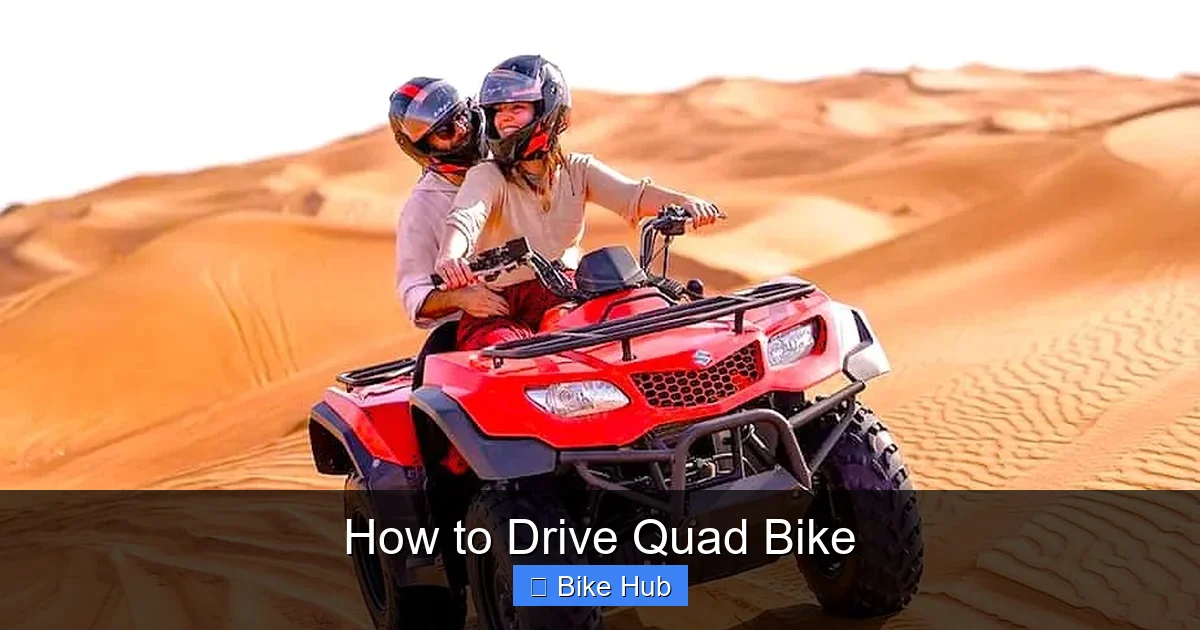
Safety isn’t optional—it’s essential. Quad bikes can be unstable, especially on uneven ground, so protective gear is your first line of defense.
Essential Safety Equipment
- Helmet: A full-face DOT-approved helmet protects your head and face. Never ride without one.
- Gloves: Improve grip and protect your hands from blisters and impacts.
- Goggles or face shield: Keep dirt, bugs, and debris out of your eyes.
- Long sleeves and pants: Protect your skin from scrapes, sun, and branches.
- Sturdy boots: Ankle support and grip are vital—avoid sneakers or sandals.
Pro tip: Store your gear properly when not in use. For example, learn how to store bike pump and other accessories in a dry, cool place to extend their life.
Step 3: Perform a Pre-Ride Inspection
Just like any vehicle, your quad bike needs a quick check before every ride. This helps prevent breakdowns and accidents.
Check These Items Before Starting
- Tires: Look for cuts, cracks, or low pressure. Use a tire pressure gauge and inflate to the recommended PSI. Proper inflation is key—check out our guide on how to check bike tire pressure for tips that also apply to ATV tires.
- Fluids: Check oil, coolant, and brake fluid levels.
- Brakes: Squeeze the lever and press the foot brake to ensure they respond smoothly.
- Lights and signals: Test headlights, brake lights, and turn signals if your model has them.
- Chain or belt: Ensure it’s properly tensioned and lubricated.
Spending five minutes on this checklist can save you from a dangerous situation later.
Step 4: Start the Engine and Practice Basic Controls
Now it’s time to fire it up—but stay calm and go slow.
Starting the Quad Bike
- Turn the ignition key or press the start button.
- If it’s cold, use the choke (if equipped) and let the engine warm up for 30–60 seconds.
- Keep the bike in neutral (usually indicated by a green light or “N” on the display).
- Pull in the clutch (on manual models) before shifting into gear.
Practice in a Safe Area
Find a flat, open field or empty parking lot. Avoid hills, rocks, or traffic. Start by practicing:
- Twisting the throttle gently to move forward.
- Using both brakes to stop smoothly.
- Turning left and right at low speed.
- Balancing while stationary—keep your feet on the footrests, not the ground.
Remember: Smooth is fast. Jerky movements can cause loss of control.
Step 5: Learn to Balance and Steer
Quad bikes rely on rider balance, especially when turning or going over bumps.
Body Positioning Tips
- Sit centered: Keep your weight over the seat, not leaning too far forward or back.
- Look where you want to go: Your body naturally follows your gaze—don’t look down at the wheels.
- Lean into turns: Shift your body slightly in the direction of the turn to maintain traction.
- Stand on rough terrain: For bumps or rocks, stand on the footrests with knees bent—this acts as a suspension.
Steering Techniques
- Use your arms to guide the handlebars, not just your wrists.
- At low speeds, steering feels heavier—turn the bars more deliberately.
- Avoid overcorrecting. Small adjustments keep you stable.
Step 6: Handle Different Terrains
Once you’re comfortable on flat ground, you can explore varied terrain—but do it gradually.
Riding on Hills
- Going uphill: Lean forward, maintain steady throttle, and don’t stop midway.
- Going downhill: Shift your weight back, use engine braking, and apply brakes gently.
- Never ride straight up or down very steep slopes—angle across instead.
Mud, Sand, and Gravel
- In mud, keep momentum but avoid spinning the wheels.
- In sand, lower tire pressure slightly for better flotation (then reinflate afterward).
- On gravel, reduce speed and avoid sharp turns to prevent sliding.
For fat tire bikes used in sand or snow, learn how to inflate fat bike tires to the ideal pressure for maximum grip.
Step 7: Braking and Stopping Safely
Braking on a quad bike is different from a regular bike or car.
Use Both Brakes
- The front brake provides most stopping power—use it, but don’t grab it suddenly.
- The rear brake helps stabilize the bike, especially on loose surfaces.
- Apply brakes gradually, especially when turning.
Emergency Stops
If you need to stop quickly:
- Shift your weight back.
- Squeeze the front brake lever firmly (don’t lock the wheel).
- Press the rear brake with your foot.
- Keep the bike upright—don’t lean too far.
Practice emergency stops in a safe area so you’re ready if needed.
Troubleshooting Common Issues
Even experienced riders face problems. Here’s how to handle a few common ones.
Quad Won’t Start
- Check the kill switch—make sure it’s in the “on” position.
- Ensure the bike is in neutral.
- Look for fuel, battery, or spark plug issues.
Loss of Traction
- Reduce throttle immediately.
- Steer in the direction you want to go—don’t fight the slide.
- Regain balance before accelerating again.
Overheating
- Stop and let the engine cool.
- Check coolant levels and radiator for blockages.
- Avoid riding at high speed in deep mud or sand, which can clog airflow.
Conclusion
Learning how to drive a quad bike is a rewarding skill that opens up new adventures—from forest trails to farm work. By starting slow, wearing proper gear, and practicing in safe environments, you’ll build confidence and control. Remember, every expert was once a beginner. Respect the machine, know your limits, and always prioritize safety.
With regular practice and attention to maintenance, your quad bike will serve you well for years. Now get out there, stay safe, and enjoy the ride!



