
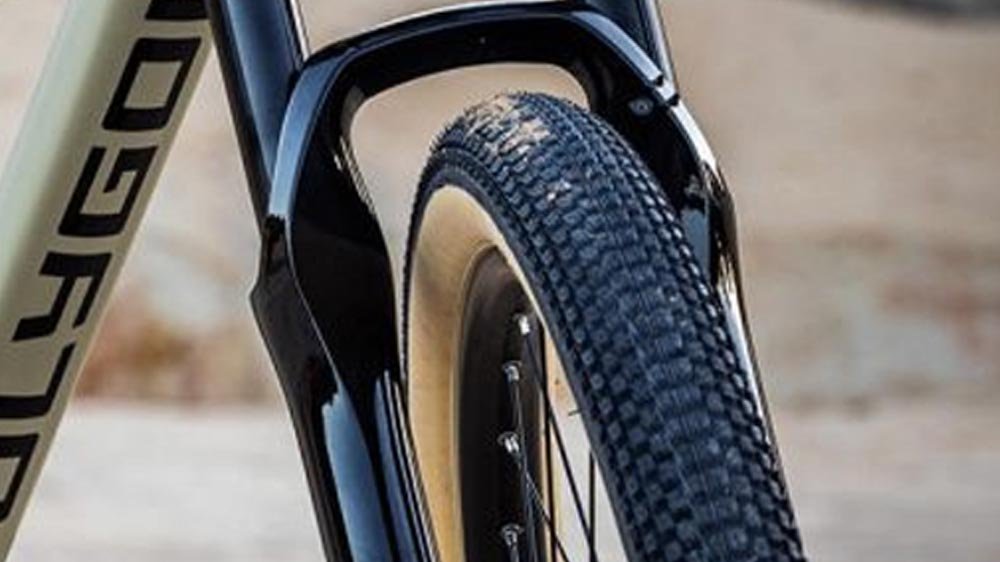
Are you ready to elevate your dirt jumping game? Choosing the right bike wheel size can make a world of difference in your performance and enjoyment.
Whether you’re a seasoned rider or just starting out, understanding how wheel size impacts your ride can help you make informed decisions and boost your confidence on the trails. Imagine smoother landings, better control, and more thrilling jumps—all possible with the right setup.
We’ll explore the various dirt jump bike wheel sizes, highlighting their pros and cons, so you can find the perfect fit for your riding style and unlock your full potential. Keep reading to discover how a simple change can transform your dirt jumping experience!

Credit: www.youtube.com
Choosing Wheel Sizes
Picking the right wheel size for dirt jump bikes is important. It affects how the bike handles and jumps.
This guide covers common wheel sizes, their pros and cons, and how they impact jump performance.
Common Dirt Jump Wheel Sizes
Dirt jump bikes usually come with three main wheel sizes. These are 24-inch, 26-inch, and 27.5-inch wheels. Each size fits different rider needs and styles.
- 24-inch wheels: Smaller and lighter, good for quick tricks.
- 26-inch wheels: Classic size, balanced for control and speed.
- 27.5-inch wheels: Larger, smooth rolling over rough terrain.
Pros And Cons Of Each Size
| Wheel Size | Pros | Cons |
|---|---|---|
| 24-inch | Lightweight and agile Easy to maneuver in tight spots | Less roll over obstacles Not as stable at high speeds |
| 26-inch | Good balance of speed and control Wide tire options available | Heavier than 24-inch Less nimble for small tricks |
| 27.5-inch | Smoother ride on rough ground Better momentum on jumps | Heaviest size Less responsive for quick turns |
Impact On Jump Performance
Wheel size changes how the bike flies and lands on jumps. Smaller wheels help with quick spins and tricks. Larger wheels help keep speed and control.
- 24-inch wheels give faster spin and easier tricks.
- 26-inch wheels offer a good mix of control and speed.
- 27.5-inch wheels help with smooth landings and long jumps.
Wheel Size And Bike Handling
Dirt jump bikes come with different wheel sizes. These sizes affect how the bike handles on jumps and trails.
Choosing the right wheel size helps riders control their bike better during tricks and landings.
Maneuverability Differences
Smaller wheels turn faster and feel lighter. They help riders make quick movements on the trail.
Larger wheels take more effort to turn but roll over obstacles easily. They give a smoother ride on rough ground.
- 20-inch wheels: Best for tight turns and quick tricks
- 24-inch wheels: Balanced between speed and control
- 26-inch wheels: Roll over bumps well but less nimble
Stability In Air And Landing
Larger wheels help keep the bike stable when in the air. They make landings smoother.
Smaller wheels can feel twitchy during jumps. They need more skill to land properly.
- Big wheels hold momentum better in the air
- Small wheels react faster but can wobble on landing
- Riders choose based on their skill and jump style
Effect On Bike Weight
Bigger wheels usually add more weight to the bike. This can slow down tricks and jumps.
Smaller wheels make the bike lighter. This helps riders lift the bike during tricks.
- 20-inch wheels: Lightest and easiest to lift
- 24-inch wheels: Moderate weight for balance
- 26-inch wheels: Heaviest, needs more effort to jump
Matching Wheel Size To Rider Style
Dirt jump bikes come with different wheel sizes. Picking the right size helps you ride better.
Your riding style affects which wheel size fits best. Let’s look at common rider types.
Aggressive Jumpers
Aggressive jumpers need strong, quick wheels. Smaller wheels help with fast tricks and control.
- Typically use 24-inch wheels
- Smaller size means lighter bike
- Easier to spin and flip in the air
- Great for tight turns and fast landings
Technical Riders
Technical riders focus on balance and precision. Wheel size affects stability and handling.
| Wheel Size | Benefits | Drawbacks |
| 24-inch | More agile, easier tricks | Less stable at high speed |
| 26-inch | Stable, good for rough terrain | Heavier, slower to maneuver |
Beginners Vs. Experts
Beginners need easy control. Experts want performance and speed. Wheel size choice changes with skill.
Beginners should consider:
- 26-inch wheels for better stability
- Smoother ride over bumps
- More confidence on rough trails
Experts often prefer:
- 24-inch wheels for quick tricks
- Lighter bike for jumps and spins
- Better control in the air
Frame And Fork Compatibility
Choosing the right wheel size for dirt jump bikes needs careful attention to frame and fork compatibility. Different wheels affect how the bike handles and fits.
Understanding how your frame and fork work with various wheel sizes helps avoid damage and keeps your bike safe to ride.
Adjusting Frame For Different Wheels
Frames designed for certain wheel sizes may not fit other sizes without changes. Swapping wheels can need adjustments to maintain proper bike geometry.
- Check the rear dropout spacing to match wheel axle width.
- Ensure the chainstay length suits the new wheel size.
- Watch for clearance between the tire and frame parts.
- Adjust brake mounts if the wheel size changes rim position.
Fork Considerations
Forks must fit the wheel size and type to work safely. Using the wrong fork can cause poor handling or damage.
| Fork Type | Common Wheel Sizes | Notes |
| Rigid Fork | 20″, 24″, 26″ | Simple but limited in clearance options |
| Suspension Fork | 24″, 26″, 27.5″ | Check travel and axle compatibility |
| Dirt Jump Specific Fork | 26″, 27.5″ | Stronger for jumps, wider clearance |
Tire Clearance Issues
Tire size affects clearance in the frame and fork. Too large tires can rub or block proper movement.
Key tire clearance points to check:
- Between tire and fork arch
- Between tire and chainstays
- Between tire and seatstays
- Room for mud or debris buildup
Tire Selection For Dirt Jumping
Choosing the right tire is key for dirt jumping. Tires affect your control and safety on jumps. Picking good tires helps you land smoothly and ride with confidence.
This guide covers important factors like tread patterns, tire width, pressure, and durability. Knowing these will help you select tires that match your riding style.
Tread Patterns For Grip
Tread patterns help your tire grip the dirt. Different patterns work best on different surfaces. Knobby treads give strong grip on loose dirt. Smooth treads work better on hardpacked trails.
- Knobby treads: great for loose dirt and rough terrain
- Semi-slick treads: balance grip and speed on mixed surfaces
- Slick treads: best for hard, smooth trails and ramps
Tire Width And Pressure
Tire width affects stability and comfort. Wider tires offer more cushion and better balance. Narrow tires are lighter and faster but less stable. Tire pressure changes how the tire feels on landings and corners.
| Width | Effect | Recommended Pressure |
| 1.8 – 2.1 inches | Faster, less grip | 40 – 50 PSI |
| 2.2 – 2.4 inches | Good balance of grip and speed | 30 – 40 PSI |
| 2.5 inches and above | More grip and comfort | 20 – 30 PSI |
Durability And Puncture Resistance
Dirt jumping tires must resist wear and punctures. Strong sidewalls protect against cuts. Thick rubber treads last longer on rough landings. Look for tires with reinforced layers for better durability.
- Choose tires with Kevlar or similar protection
- Inspect tires regularly for cuts or worn spots
- Keep tire pressure within recommended range
- Replace tires if sidewalls show damage

Credit: ecozaar.in
Maintenance Tips For Dirt Jump Wheels
Dirt jump wheels face a lot of stress from jumps and rough landings. Proper maintenance keeps them working well and safe.
Check your wheels often and take care of parts like spokes, rims, and bearings. Small fixes stop big problems.
Regular Inspection
Look over your wheels before and after rides. Check for dents, cracks, or loose parts. Clean dirt and mud away to see any damage clearly.
- Spin the wheel and watch for wobbles or noises
- Check the rim for dents or bends
- Inspect tire condition and pressure
- Look for rust or corrosion on metal parts
Spoke Tension And Rim Trueness
Spokes keep the rim strong and straight. Loose or uneven spokes cause the rim to bend or wobble. Use a spoke wrench to adjust tension carefully.
| Check | What to Look For | Fix |
| Spoke tension | Spokes feel loose or different tightness | Tighten or loosen spokes evenly |
| Rim trueness | Rim wobbles side to side when spinning | Adjust spoke tension to straighten rim |
| Spoke damage | Bent or broken spokes | Replace damaged spokes promptly |
Bearing Care
Bearings help wheels spin smoothly. Dirt and water can damage them fast. Keep bearings clean and lubricated to avoid rough rides or wheel lockups.
- Remove wheels and clean bearings with a gentle solvent
- Dry bearings completely before adding grease
- Use high-quality grease for dirt jump conditions
- Check bearings for play or rough rotation
- Replace bearings if they feel gritty or noisy
Upgrading Your Dirt Jump Wheels
Upgrading your dirt jump bike wheels can improve your riding experience. Better wheels offer more strength and control on the trails.
Choosing the right parts helps you jump higher and land smoother. Let’s explore how to pick quality rims, lightweight parts, and budget upgrades.
Choosing Quality Rims And Hubs
Good rims and hubs make your wheels stronger and more reliable. Look for rims made from durable materials like aluminum alloy. Strong hubs with sealed bearings reduce wear and tear.
- Rims should be wide enough for good tire support.
- Choose hubs that fit your bike’s axle type.
- Sealed bearings keep dirt out for longer life.
- Check if the rims and hubs are compatible with your tire size.
Benefits Of Lightweight Components
Lightweight wheels help you jump higher and spin faster. They reduce the effort needed to pedal and control the bike. Using light rims and hubs can improve your overall speed.
| Component | Weight Range | Benefit |
| Aluminum Rim | 300-400 grams | Strong and light |
| Steel Rim | 500-700 grams | Durable but heavier |
| Sealed Bearing Hub | 150-250 grams | Smooth rotation, less maintenance |
| Loose Ball Bearing Hub | 200-300 grams | Cheaper but more upkeep |
Budget-friendly Upgrades
You can improve your wheels without spending too much. Start by upgrading parts that wear out fast or affect performance most. Focus on rims, hubs, and spokes.
Here are some budget tips for upgrading dirt jump wheels:
- Buy used rims or hubs in good condition.
- Replace only damaged spokes instead of the whole wheel.
- Choose basic sealed bearing hubs for smooth rides.
- Look for seasonal sales or discounts online.

Credit: leoguarbikes.com
Frequently Asked Questions
What Are The Common Dirt Jump Bike Wheel Sizes?
The most common dirt jump bike wheel sizes are 26-inch, 24-inch, and 27. 5-inch. Each size offers unique control and maneuverability, affecting jump style and terrain adaptability.
How Does Wheel Size Affect Dirt Jump Performance?
Smaller wheels like 24-inch provide quicker acceleration and easier tricks. Larger wheels like 27. 5-inch offer more stability and smoother landings, ideal for bigger jumps.
Which Wheel Size Is Best For Beginners In Dirt Jumping?
Beginners often prefer 26-inch wheels for a good balance of control and stability. They help build confidence while learning jumps and tricks safely.
Can I Switch Between Different Dirt Jump Bike Wheel Sizes?
Yes, you can switch, but it may require frame compatibility checks and adjustments. Changing wheel size affects bike handling and jump dynamics significantly.
Conclusion
Choosing the right wheel size affects your dirt jumping experience a lot. Smaller wheels offer quicker turns and more control. Bigger wheels give better speed and smoother rides. Think about your riding style and the terrain you prefer. Test different sizes to find what feels best for you.
Remember, comfort and confidence matter most on your bike. Keep practicing and enjoy every jump you take. Dirt jumping is fun, and the right wheels help you enjoy it more.



